Understanding Compact Fluorescent Flood Light Bulbs
Compact Fluorescent Lamps (CFLs) have long been a staple in energy-efficient lighting solutions, and their application in flood lighting offers a compelling balance of brightness, efficiency, and longevity. For lighting contractors, mastering the nuances of CFL flood light bulbs is essential to delivering optimal lighting solutions that meet client expectations while adhering to modern energy standards.
Unlike traditional incandescent bulbs, CFLs operate by exciting mercury vapor inside the lamp, which produces ultraviolet light that then excites a fluorescent coating on the inside of the bulb, emitting visible light. This technology enables CFL flood light bulbs to consume significantly less energy while providing comparable illumination levels. The reduction in energy consumption not only benefits the environment by lowering carbon footprints but also appeals to eco-conscious consumers who prioritize sustainability in their purchasing decisions.
Key Features of CFL Flood Light Bulbs
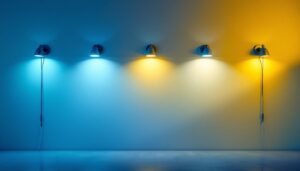
CFL flood light bulbs are designed to provide broad, uniform illumination, making them ideal for outdoor security lighting, landscape lighting, and commercial applications. Their compact size allows for versatile fixture designs, and they typically offer a color temperature range from warm white to daylight, enabling contractors to tailor lighting ambiance to specific project needs. This adaptability is particularly useful in settings where different lighting conditions are required throughout the day or for various events, enhancing both functionality and aesthetic appeal.
Energy efficiency is a standout feature; CFL flood lights use approximately 70-80% less energy than incandescent equivalents, translating to substantial cost savings over the bulb’s lifespan. Additionally, CFLs generally have a lifespan of 8,000 to 15,000 hours, which reduces maintenance frequency—a critical consideration for commercial and industrial installations. The longer lifespan also means fewer bulbs are disposed of, aligning with sustainability goals and reducing waste. Furthermore, many CFL flood light bulbs are now designed with improved dimming capabilities, allowing for greater control over lighting levels and energy usage, which can be particularly advantageous in settings where mood and ambiance are paramount.
Best Practices for Installation and Maintenance
Proper Fixture Selection and Compatibility
One of the most critical factors in achieving optimal performance with CFL flood light bulbs is ensuring compatibility between the bulb and the fixture. CFLs require fixtures that can accommodate their unique shape and heat dissipation needs. Lighting contractors should verify that the fixture’s ballast is compatible with CFL technology to prevent premature failure or flickering.
Many modern floodlight fixtures are designed with integrated ballasts specifically for CFLs, improving reliability and ease of installation. When retrofitting existing fixtures, contractors must assess whether the ballast can be replaced or if the entire fixture should be upgraded to support CFL bulbs effectively. Additionally, it is essential to consider the wattage and lumen output of the CFL bulb to ensure it meets the lighting requirements of the space. For instance, a higher lumen output may be necessary for outdoor areas or large commercial spaces, while lower outputs may suffice for residential applications.
Installation Techniques for Longevity
Proper installation practices can significantly extend the operational life of CFL flood light bulbs. Contractors should ensure that bulbs are installed in dry, well-ventilated areas to prevent overheating, which can degrade the phosphor coating and electronic components. Additionally, securing the bulb firmly without overtightening is important to avoid damage to the base or internal components.
In outdoor applications, using weather-resistant fixtures with appropriate sealing protects CFL bulbs from moisture and dust ingress. This is particularly important in environments exposed to rain, snow, or high humidity. Furthermore, considering the orientation of the fixture can also play a role in the longevity of the bulbs; installing them in a way that minimizes direct exposure to harsh weather elements can help maintain their efficiency. Utilizing protective shields or covers can also enhance durability by providing an additional layer of defense against environmental factors.
Routine Maintenance and Troubleshooting
Regular maintenance is essential to sustain lighting performance and safety. Contractors should recommend periodic inspections to clients, focusing on signs of bulb dimming, flickering, or color shifts, which may indicate ballast issues or bulb degradation. Cleaning fixtures and lenses also ensures maximum light output and prevents overheating caused by dust accumulation.
When troubleshooting, it is advisable to test the ballast and replace it if necessary, as faulty ballasts are a common cause of CFL flood light failures. Additionally, contractors should be prepared to educate clients on the proper disposal of CFL bulbs due to their mercury content, emphasizing recycling programs and safe handling practices. It may also be beneficial to inform clients about the potential for energy savings and environmental benefits associated with the use of CFLs, as they consume significantly less energy than traditional incandescent bulbs and have a longer lifespan. By understanding these advantages, clients may be more inclined to invest in quality fixtures and commit to regular maintenance, ultimately enhancing their lighting experience while contributing to sustainability efforts.
Energy Efficiency and Environmental Considerations
Meeting Energy Codes and Standards
Energy efficiency regulations continue to evolve, and CFL flood light bulbs remain a valuable option for contractors aiming to meet or exceed these standards. Many jurisdictions require outdoor lighting to comply with specific energy consumption limits and light pollution controls, such as shielding to reduce glare and light trespass.
Lighting contractors should stay informed about local codes and recommend CFL flood light solutions that align with these requirements. This not only ensures compliance but also enhances the sustainability profile of the projects they undertake. Furthermore, as technology advances, the introduction of LED alternatives is becoming more prevalent, providing even greater energy efficiency and longevity. Contractors should consider integrating these options into their offerings, as they can significantly reduce energy costs over time and appeal to environmentally conscious clients.
Environmental Impact and Disposal
While CFLs offer significant energy savings, their mercury content necessitates responsible disposal. Lighting contractors play a crucial role in educating clients about the environmental implications and guiding them toward proper recycling channels. Many municipalities and retailers offer CFL recycling programs that safely handle mercury recovery.
Promoting awareness about the environmental benefits of CFLs compared to incandescent bulbs, while acknowledging the need for careful disposal, reinforces the contractor’s commitment to sustainable practices and client safety. Additionally, contractors can provide information on alternative lighting technologies that are mercury-free, such as LED bulbs, which not only eliminate the disposal concern but also offer even greater energy efficiency and lifespan. By fostering a culture of sustainability and responsible consumption, contractors can help clients make informed decisions that contribute positively to the environment and reduce their carbon footprint.
Comparing CFL Flood Light Bulbs with Alternative Technologies
CFLs vs. LED Flood Lights
In recent years, Light Emitting Diode (LED) technology has gained prominence as a highly efficient and durable lighting solution. While LEDs typically offer longer lifespans and even greater energy savings than CFLs, CFL flood light bulbs remain a cost-effective option, especially for projects with budget constraints or specific lighting requirements.
Contractors should evaluate project parameters such as initial cost, energy savings, color rendering, and fixture compatibility when advising clients. CFLs often provide softer light with good color rendering, which can be preferable in certain landscape or architectural lighting scenarios.
When to Choose CFL Flood Light Bulbs
CFL flood light bulbs are particularly advantageous in applications where moderate energy savings are desired without the higher upfront costs associated with LED fixtures. Their warm color temperatures and diffused light output make them suitable for residential and commercial outdoor lighting where ambiance is important.
Additionally, CFLs may be preferred in retrofit projects where existing fixtures are designed for fluorescent technology, minimizing the need for extensive fixture replacement and reducing overall project costs.
Practical Tips for Lighting Contractors
Client Education and Communication
Effective communication with clients about the benefits and limitations of CFL flood light bulbs is essential. Contractors should provide clear information on expected energy savings, maintenance requirements, and environmental considerations to help clients make informed decisions.
Offering demonstrations or sample installations can also help clients visualize the lighting effect and understand the practical advantages of CFL technology.
Staying Updated with Industry Trends
The lighting industry is dynamic, with continuous advancements in technology and regulations. Lighting contractors should engage in ongoing education through trade associations, manufacturer training programs, and industry publications to maintain expertise in CFL and other lighting technologies.
Keeping abreast of innovations enables contractors to recommend the most effective solutions and maintain a competitive edge in the market.
Leveraging Technology for Project Efficiency
Utilizing lighting design software and energy modeling tools can assist contractors in optimizing CFL flood light installations. These tools help calculate appropriate wattages, fixture placements, and lighting levels to meet client specifications while maximizing energy efficiency.
Incorporating smart controls and sensors with CFL flood lights can further enhance energy savings by enabling automated operation based on occupancy or ambient light conditions.
Conclusion
Compact Fluorescent Flood Light Bulbs remain a valuable component in the lighting contractor’s toolkit, offering a balance of efficiency, cost-effectiveness, and quality illumination. By adhering to best practices in installation, maintenance, and client education, contractors can ensure successful outcomes that satisfy both performance and sustainability goals.
Understanding the comparative advantages of CFLs alongside emerging technologies like LEDs allows contractors to tailor lighting solutions to diverse project needs. Emphasizing compliance with energy codes and environmental stewardship further enhances the professional reputation and long-term success of lighting contractors in an evolving industry landscape.
Illuminate Your Projects with LumenWholesale
Ready to elevate your lighting game? Look no further than LumenWholesale for a comprehensive range of Compact Fluorescent Flood Light Bulbs and other spec-grade lighting products. Our commitment to quality and affordability ensures that you can access the best lighting solutions without the premium price tag. With free shipping on bulk orders, we make it easy and cost-effective to stock up on the reliable, high-performance lighting your projects deserve. Don’t let middleman markups dim your potential—choose LumenWholesale for the perfect blend of quality, affordability, and convenience. Wholesale Lighting at the Best Value is just a click away.