Understanding Solar Power Lighting: A Game Changer for Lighting Contractors
Solar power lighting has transformed the landscape of outdoor illumination, offering a sustainable and cost-effective alternative to traditional wired fixtures. For lighting professionals, integrating solar up and down lights into projects not only aligns with growing environmental standards but also meets increasing client demand for energy-efficient solutions.
With advancements in photovoltaic technology, solar lighting systems now deliver enhanced brightness, longer operational hours, and improved durability. These improvements make solar-powered up and down lights a viable option for a wide range of applications, from residential pathways to commercial building facades. The ability to harness sunlight for illumination not only reduces reliance on fossil fuels but also minimizes the carbon footprint associated with energy consumption, making it an attractive choice for eco-conscious clients.
However, the successful deployment of solar lighting requires a thorough understanding of both the technical and environmental factors that influence performance. This checklist is designed to equip lighting contractors with the essential considerations needed to ensure optimal installation, functionality, and client satisfaction. Factors such as geographic location, seasonal sunlight variations, and the specific energy needs of the space must be evaluated meticulously. For instance, a well-placed solar light in a sunny area can outperform a poorly positioned one in a shaded environment, emphasizing the importance of site assessment during the planning phase.
Moreover, the aesthetics of solar lighting cannot be overlooked. With a variety of designs available, from sleek modern fixtures to more traditional styles, lighting contractors can offer clients a range of options that complement their architectural vision. The integration of smart technology, such as motion sensors and remote controls, further enhances the functionality of solar lights, allowing for customizable settings that can adapt to different scenarios, such as increased brightness during gatherings or dimmed lighting for serene evenings. This versatility not only adds value to the installation but also showcases the contractor’s commitment to innovative solutions that meet diverse client needs.
Key Components and Specifications to Evaluate
Solar Panel Efficiency and Placement
The heart of any solar lighting system is the photovoltaic panel. When selecting solar up and down lights, contractors must evaluate the panel’s efficiency, which determines how effectively sunlight is converted into electrical energy. High-efficiency panels, often made from monocrystalline silicon, can generate more power in limited space, a critical factor for compact lighting fixtures.
Equally important is the placement of the solar panel. To maximize energy capture, panels should be installed in locations free from shading caused by trees, buildings, or other obstructions. Proper angling toward the sun’s path enhances performance, especially in regions with variable sunlight intensity. Furthermore, seasonal changes in sun position should be considered; for instance, in winter months, the sun is lower in the sky, necessitating adjustments in panel orientation to optimize energy absorption. Additionally, the use of adjustable mounts can allow for seasonal repositioning of the panels, ensuring they receive the maximum amount of sunlight throughout the year.
Battery Capacity and Type
Battery technology dictates how long solar lights can operate after dark. Lithium-ion batteries are increasingly preferred due to their higher energy density, longer lifespan, and better performance in diverse temperature ranges compared to traditional nickel-metal hydride (NiMH) or lead-acid batteries.
Lighting professionals should verify the battery capacity, typically measured in milliampere-hours (mAh), to ensure it aligns with the expected runtime. For example, a higher capacity battery enables up and down lights to function reliably through extended cloudy periods or longer nights, which is essential for maintaining consistent illumination. Moreover, the integration of smart battery management systems can enhance efficiency by monitoring charge cycles and optimizing energy use, thereby prolonging battery life. Some advanced systems even include features like solar battery storage, allowing excess energy generated during the day to be stored for use during peak demand times or emergencies, further increasing the reliability of solar lighting systems.
LED Quality and Lumens Output
LEDs are the light source in solar up and down lights, and their quality directly impacts brightness, color rendering, and energy consumption. Contractors should assess the lumens output to match the lighting requirements of the space. For pathway lighting, lower lumens may suffice, whereas architectural facade lighting demands higher brightness levels.
Color temperature is another consideration. Warm white LEDs (2700K-3000K) create inviting atmospheres, while cool white (4000K-5000K) enhances visibility and modern aesthetics. Selecting the appropriate color temperature helps achieve the desired ambiance and functional effect. Additionally, the color rendering index (CRI) of the LEDs should be evaluated; a higher CRI indicates that colors will appear more vibrant and true to life under the light, which is particularly important in settings like retail spaces or art galleries where accurate color representation is crucial. Furthermore, energy-efficient LED technology can significantly reduce power consumption, allowing for longer operational times on a single charge while also contributing to lower overall energy costs, making it an attractive option for both residential and commercial applications.
Installation Best Practices for Optimal Performance
Site Assessment and Solar Orientation
A comprehensive site assessment is crucial before installation. Lighting contractors should analyze the environment to identify potential shading issues and determine the best orientation for solar panels. Tools such as solar pathfinders or smartphone apps can assist in mapping sunlight exposure throughout the day and across seasons.
Understanding the local climate is also vital. Regions with frequent overcast conditions may require larger panels or higher-capacity batteries to compensate for reduced solar gain. In contrast, areas with intense sunlight might necessitate heat-resistant components to prevent degradation.
Mounting Techniques and Fixture Placement
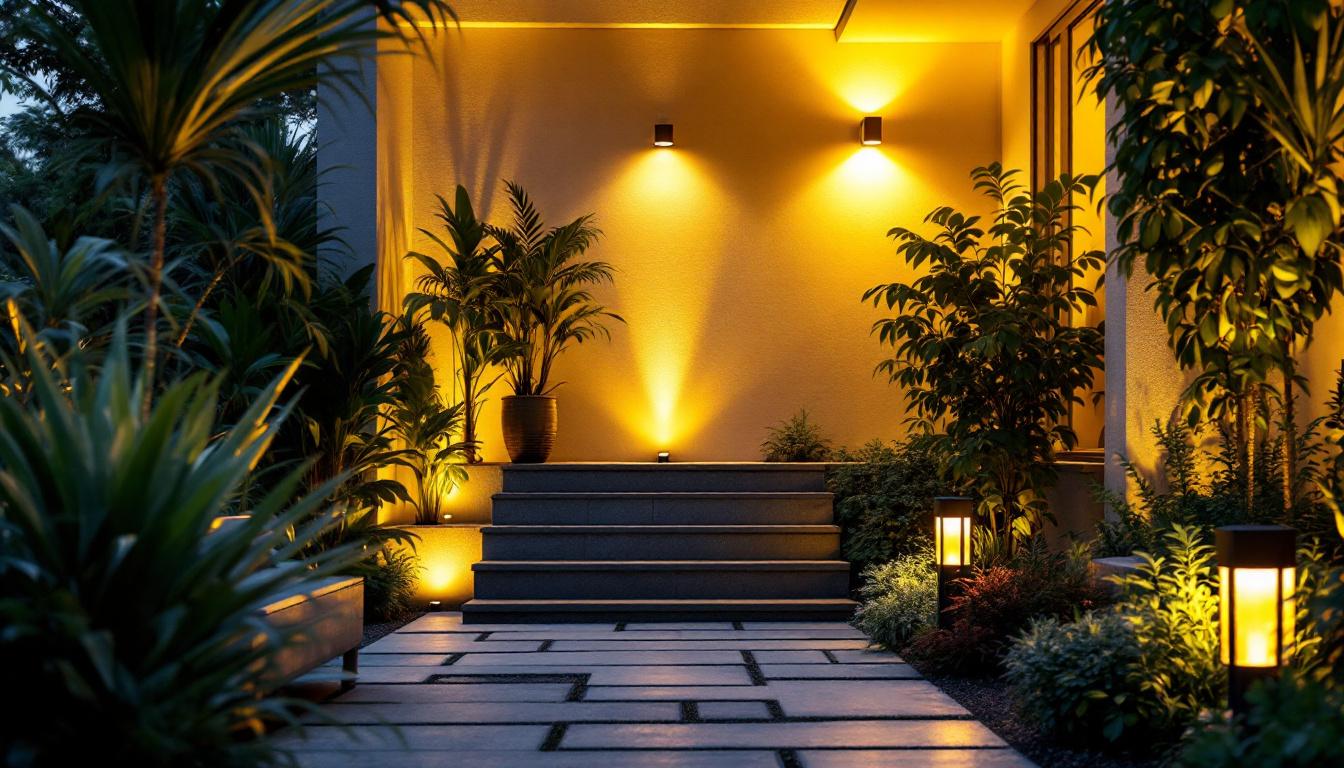
Proper mounting ensures both aesthetic appeal and functional efficiency. Up lights typically highlight vertical surfaces like walls or trees by casting light upward, while down lights illuminate pathways or steps from above. The choice of mounting hardware and fixture height affects light distribution and shadowing.
Contractors should use corrosion-resistant materials, especially in outdoor environments prone to moisture and temperature fluctuations. Adjustable brackets can facilitate precise aiming of the light beam, enhancing the overall effect and reducing light pollution.
Integration with Existing Lighting Systems
In many projects, solar up and down lights complement traditional wired lighting. Seamless integration requires attention to control systems and power management. Lighting professionals should consider compatibility with timers, dimmers, or smart controls to provide clients with flexible operation options.
Hybrid systems that combine solar and grid power can offer redundancy and extended runtime, particularly in commercial installations. Understanding these configurations allows contractors to tailor solutions to specific client needs and site constraints.
Maintenance and Longevity Considerations
Routine Cleaning and Inspection
Solar panels accumulate dust, dirt, and debris, which can significantly reduce their efficiency. Regular cleaning schedules should be established to maintain optimal energy capture. Using non-abrasive cloths and mild detergents helps preserve the panel surface without causing damage.
Additionally, inspecting fixtures for physical damage, corrosion, or loose connections ensures longevity and safety. Early detection of issues prevents costly repairs and downtime.
Battery Replacement and Recycling
Batteries have a finite lifespan and will eventually require replacement. Lighting contractors should inform clients about expected battery life, typically ranging from two to five years depending on usage and battery type. Selecting models with easy access to battery compartments simplifies maintenance.
Responsible disposal and recycling of batteries are critical to environmental stewardship. Professionals should adhere to local regulations and encourage clients to participate in battery recycling programs.
Regulatory Compliance and Client Communication
Adhering to Lighting Standards and Codes
Compliance with local and national lighting regulations is mandatory. These standards often address brightness levels, light trespass, and energy efficiency. Solar lighting systems must meet these criteria to avoid penalties and ensure safety.
Lighting contractors should stay informed about evolving codes related to renewable energy and outdoor lighting. This knowledge enhances credibility and helps in designing compliant, future-proof installations.
Educating Clients on Benefits and Limitations
Transparent communication with clients about the advantages and potential constraints of solar up and down lights fosters realistic expectations. Highlighting benefits such as reduced energy costs, ease of installation, and environmental impact can build enthusiasm for solar solutions.
Conversely, discussing limitations like dependency on sunlight, possible dimming during extended cloudy periods, and maintenance requirements prepares clients for long-term ownership responsibilities. Providing comprehensive information strengthens client trust and satisfaction.
Emerging Trends and Innovations in Solar Lighting
Smart Controls and IoT Integration
The integration of smart technology into solar lighting is revolutionizing control and monitoring capabilities. Lighting professionals can now offer systems equipped with sensors, remote controls, and connectivity to building management platforms. These features enable adaptive lighting schedules, energy usage tracking, and predictive maintenance alerts.
IoT-enabled solar lights enhance security and convenience, making them attractive options for commercial and high-end residential projects. Staying abreast of these innovations positions contractors at the forefront of the industry.
Advanced Materials and Design Enhancements
Recent developments in materials science have led to more resilient and aesthetically versatile solar lighting fixtures. Innovations include impact-resistant housings, anti-corrosion coatings, and modular designs that simplify installation and upgrades.
Design trends favor sleek, minimalist fixtures that blend seamlessly with architectural elements while delivering high performance. Lighting contractors who embrace these advancements can offer clients modern, durable, and visually appealing solutions.
Conclusion: Mastering Solar Up and Down Lighting Installations
For lighting professionals, solar power up and down lights represent a dynamic and growing segment of the outdoor lighting market. Mastery of the essential checklist—from component selection and site assessment to installation techniques and maintenance—ensures successful projects that meet client expectations and sustainability goals.
By combining technical expertise with an understanding of emerging trends and regulatory frameworks, contractors can confidently deliver innovative solar lighting solutions. These installations not only enhance outdoor spaces but also contribute to a greener, more energy-conscious future.
Illuminate Your Projects with LumenWholesale
Ready to elevate your lighting installations with the most efficient solar power up and down lights? At LumenWholesale, we provide lighting professionals like you with the highest quality, spec-grade lighting products at unbeatable wholesale prices. Say goodbye to inflated markups and hello to a vast selection of reliable, high-performance lighting that meets the strictest industry standards. With the added convenience of free shipping on bulk orders, you can trust that you’re getting the best value without any hidden fees. Make your next project shine brighter while enjoying the perfect blend of quality, affordability, and convenience. Wholesale Lighting at the Best Value is just a click away.