Understanding LED Light Chandeliers: A Modern Lighting Solution
LED light chandeliers have revolutionized the lighting industry, offering contractors a versatile and energy-efficient alternative to traditional incandescent or halogen fixtures. Unlike conventional chandeliers, LED models integrate advanced semiconductor technology to produce light, resulting in significant benefits such as reduced energy consumption, longer lifespan, and enhanced design flexibility.
For lighting contractors, understanding the technical and aesthetic aspects of LED chandeliers is essential. These fixtures are not only functional but also serve as statement pieces in residential, commercial, and hospitality environments. The ability to recommend and install LED chandeliers confidently can differentiate a contractor in a competitive market.
Energy Efficiency and Cost Savings
One of the primary advantages of LED chandeliers is their energy efficiency. LEDs use up to 80% less energy compared to traditional incandescent bulbs, which translates into substantial cost savings for clients over time. This efficiency is particularly relevant in large-scale projects or commercial installations where lighting constitutes a significant portion of energy expenses.
Moreover, LED chandeliers generate less heat, reducing the load on air conditioning systems and contributing to overall energy savings. For contractors, emphasizing these benefits can help justify higher upfront costs to clients, positioning LED chandeliers as a smart long-term investment. Additionally, many regions offer incentives or rebates for energy-efficient lighting solutions, further enhancing the financial appeal of LED installations.
Longevity and Maintenance Benefits
LED light sources boast an impressive lifespan, often exceeding 50,000 hours. This longevity drastically reduces the frequency of bulb replacements and maintenance interventions. For facilities managers and property owners, this means lower operational costs and less disruption.
From a contractor’s perspective, offering LED chandelier installations can lead to increased client satisfaction due to the reliability and durability of these fixtures. Additionally, fewer service calls related to lighting failures can improve a contractor’s operational efficiency. The reduced maintenance also allows property owners to allocate resources to other critical areas, enhancing overall productivity. Furthermore, the advancements in LED technology have led to a variety of color temperatures and dimming capabilities, enabling contractors to tailor lighting solutions that perfectly match the ambiance and functionality of any space.
As the market for LED chandeliers continues to grow, manufacturers are increasingly focusing on innovative designs that blend aesthetics with functionality. This evolution means that contractors can now offer clients a wider array of styles, from sleek modern designs to ornate traditional looks, ensuring that there is a perfect fit for every decor. Understanding these design trends and being able to present them to clients can not only elevate a contractor’s service offering but also enhance the overall customer experience, making the lighting selection process both enjoyable and satisfying.
Technical Considerations for Installation
Installing LED chandeliers requires a nuanced understanding of both electrical systems and fixture specifications. Lighting contractors must be adept at assessing the compatibility of LED chandeliers with existing wiring, dimming systems, and control technologies. This knowledge not only ensures a successful installation but also enhances the overall performance and longevity of the lighting solution.
Compatibility with Dimming Systems
Dimming capabilities are a sought-after feature in modern lighting design, allowing users to adjust ambiance and save energy. However, not all LED chandeliers are compatible with traditional dimmer switches. Contractors must verify that the LED drivers and dimmers are compatible to avoid flickering, buzzing, or reduced lifespan. This is particularly important in spaces where lighting plays a critical role in setting the mood, such as dining rooms or home theaters.
Many manufacturers now offer LED-specific dimmers or recommend compatible models. Staying informed about these options ensures smooth installations and enhances client satisfaction. Additionally, understanding the varying types of dimming technologies—such as trailing-edge versus leading-edge dimmers—can further refine the installation process, allowing contractors to provide tailored solutions that meet specific client needs.
Electrical Load and Circuit Considerations
Though LED chandeliers consume less power, contractors should still evaluate the electrical load on circuits, especially when retrofitting older buildings. LED fixtures often have different power requirements and may include integrated drivers or transformers that influence installation methods. This is crucial in ensuring that the lighting system operates efficiently without straining existing electrical infrastructure.
Proper circuit evaluation helps prevent overloads and ensures compliance with electrical codes. It also facilitates future scalability if additional lighting is planned. Moreover, understanding the potential for energy savings with LED technology can be a compelling selling point for clients, as it not only reduces utility costs but also contributes to a more sustainable environment.
Integration with Smart Lighting Systems
Smart lighting is becoming increasingly prevalent, with many clients seeking fixtures that integrate with home automation platforms. LED chandeliers often come equipped with or can be adapted to support wireless control, color tuning, and scheduling. This level of integration allows users to customize their lighting experience, enhancing both functionality and aesthetic appeal in their spaces.
Contractors should familiarize themselves with common smart lighting protocols such as Zigbee, Z-Wave, and Wi-Fi. Offering expertise in smart LED chandelier installations can position contractors as forward-thinking professionals capable of meeting evolving client demands. Additionally, understanding the potential for voice-activated control through platforms like Amazon Alexa or Google Assistant can further enhance the appeal of these installations, making them not just a lighting solution but an integral part of a modern, connected home experience.
Design Trends and Client Preferences
Lighting contractors must balance technical knowledge with an understanding of design trends to effectively guide clients in selecting LED chandeliers that complement their spaces.
Minimalist and Geometric Designs
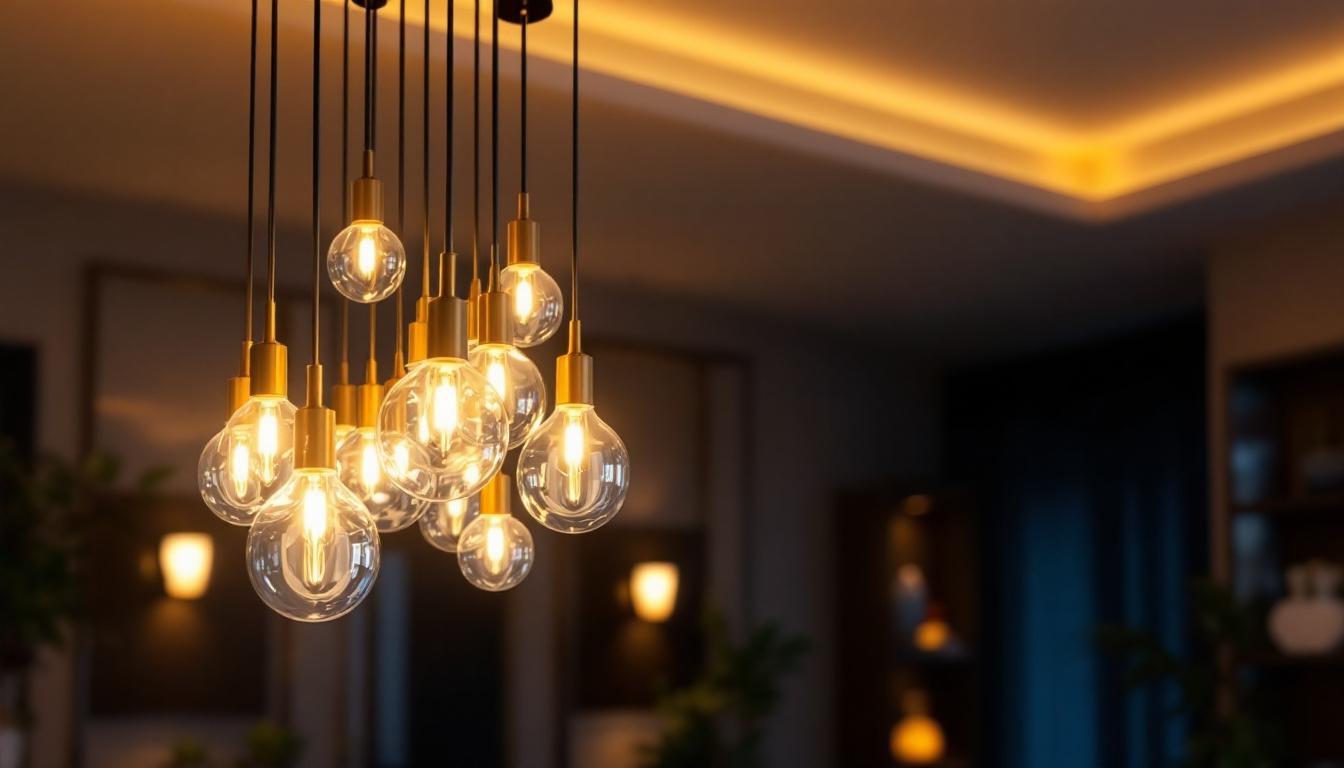
Contemporary design trends favor minimalist aesthetics with clean lines and geometric shapes. LED technology enables the creation of intricate forms that were previously difficult or impossible with traditional bulbs due to heat and size constraints.
Contractors can leverage these trends by showcasing fixtures that combine form and function, appealing to clients who desire modern elegance without sacrificing performance. The rise of open floor plans in residential and commercial spaces has further amplified the demand for statement lighting pieces that can serve as focal points. By incorporating LED chandeliers with unique geometric designs, contractors can help clients achieve a harmonious balance between simplicity and sophistication, enhancing the overall ambiance of their interiors.
Customization and Color Temperature Options
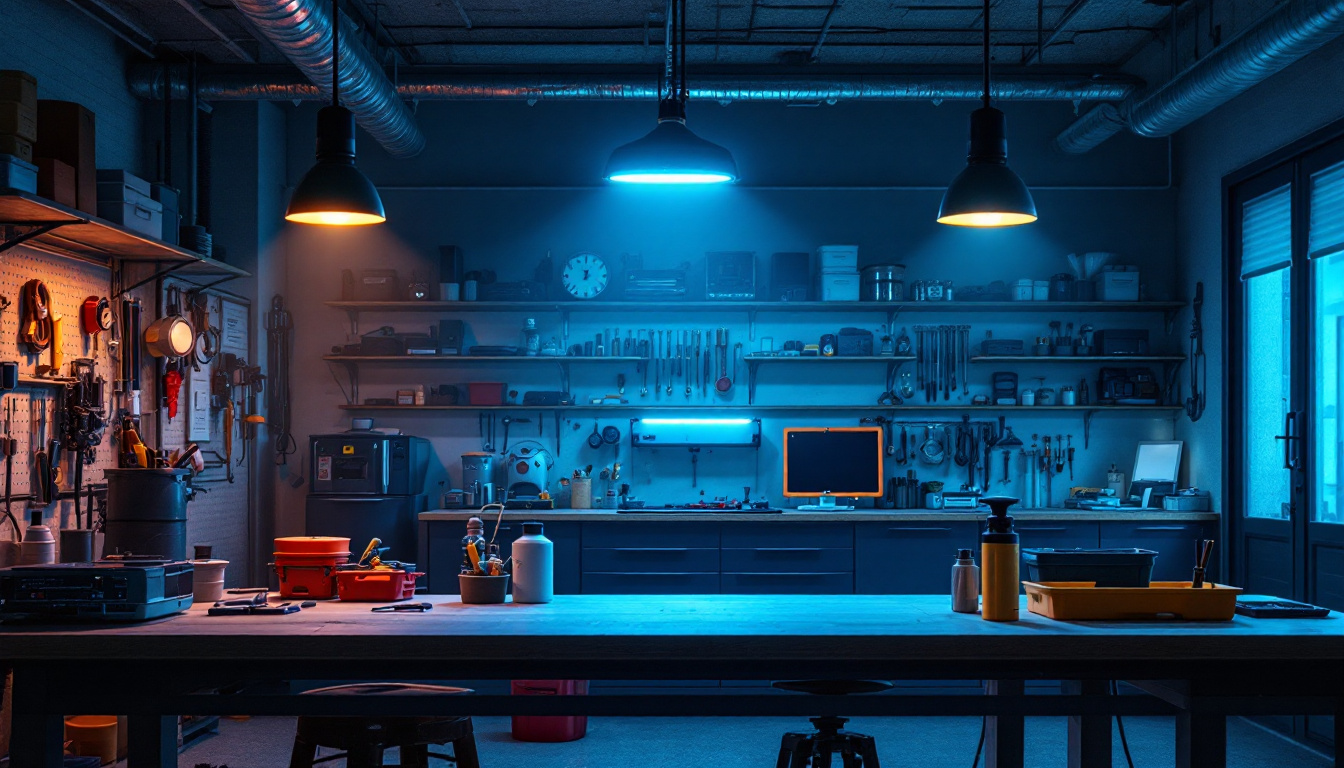
LED chandeliers offer a range of color temperatures, from warm white to cool daylight, allowing customization to suit different environments. Residential spaces often benefit from warmer tones that create inviting atmospheres, while commercial or task-oriented areas might require cooler, more energizing light.
Many LED chandeliers also feature tunable white or RGB capabilities, enabling dynamic lighting scenes. Educating clients about these options helps contractors deliver tailored solutions that enhance user experience. Additionally, the ability to adjust color temperatures can significantly impact mood and productivity. For example, studies suggest that cooler light can improve focus and alertness in workspaces, while warmer light can foster relaxation in living areas. By discussing these psychological effects with clients, contractors can guide them toward making informed choices that align with their lifestyle and needs.
Sustainability and Eco-Friendly Appeal
Environmental considerations increasingly influence purchasing decisions. LED chandeliers align with sustainability goals due to their low energy consumption and recyclability. Contractors who highlight these eco-friendly attributes can appeal to environmentally conscious clients and businesses aiming for green certifications.
Moreover, the longevity of LED fixtures contributes to their sustainability profile, as they typically last much longer than traditional incandescent or fluorescent bulbs, reducing the frequency of replacements and waste. As clients become more aware of their carbon footprint, incorporating energy-efficient lighting solutions into their design plans can also enhance their brand image, particularly for businesses focused on corporate social responsibility. By providing information on energy savings and the environmental impact of LED lighting, contractors can position themselves as knowledgeable partners in their clients’ quest for sustainable solutions.
Challenges and Solutions in LED Chandelier Projects
Despite their advantages, LED chandeliers present unique challenges that contractors must anticipate and address to ensure successful installations.
Addressing Heat Dissipation
While LEDs produce less heat than traditional bulbs, heat management remains critical to maintain fixture longevity and performance. Manufacturers design LED chandeliers with integrated heat sinks or ventilation, but improper installation can compromise these features.
Contractors should follow manufacturer guidelines meticulously and avoid enclosing fixtures in tight spaces without adequate airflow. Proper installation ensures optimal heat dissipation and prevents premature failure.
Managing Initial Cost Perceptions
The upfront cost of LED chandeliers can be higher than conventional alternatives, which may deter some clients. Contractors need to communicate the total cost of ownership benefits, including energy savings, reduced maintenance, and longer lifespan.
Providing case studies or energy savings calculations can help clients understand the financial advantages, facilitating informed decision-making.
Ensuring Quality and Compliance
The growing popularity of LED lighting has led to a proliferation of products with varying quality standards. Contractors must source LED chandeliers from reputable manufacturers that comply with relevant safety and performance certifications.
Using certified products not only guarantees safety and reliability but also protects contractors from liability issues. Maintaining up-to-date knowledge of industry standards is essential for professional credibility.
Best Practices for Lighting Contractors Working with LED Chandeliers
Adopting a strategic approach to LED chandelier projects can enhance outcomes and client satisfaction.
Comprehensive Site Assessments
Before installation, conducting thorough site assessments is crucial. This includes evaluating ceiling heights, electrical infrastructure, and ambient lighting conditions. Accurate measurements and understanding of the space help in selecting appropriately sized and styled chandeliers.
Site assessments also identify potential challenges early, allowing contractors to plan for necessary modifications or upgrades.
Client Education and Collaboration
Engaging clients throughout the selection and installation process fosters trust and ensures that expectations align with outcomes. Contractors should provide clear explanations of LED technology benefits, design options, and maintenance considerations.
Collaborative decision-making leads to higher satisfaction and can generate referrals and repeat business.
Ongoing Training and Industry Engagement
The LED lighting industry evolves rapidly, with continuous advancements in technology and design. Contractors should invest in ongoing education through workshops, certifications, and industry events.
Staying current enables contractors to offer cutting-edge solutions and maintain a competitive edge.
Conclusion
LED light chandeliers represent a significant advancement in lighting technology, offering energy efficiency, design versatility, and long-term cost savings. For lighting contractors, mastering the technical, aesthetic, and practical aspects of these fixtures is essential to meet modern client demands and industry standards.
By understanding installation complexities, embracing design trends, addressing challenges proactively, and committing to continuous learning, contractors can successfully integrate LED chandeliers into their service offerings. This expertise not only enhances project outcomes but also strengthens professional reputation in a dynamic marketplace.
Illuminate Your Projects with LumenWholesale
Ready to elevate your lighting projects with the efficiency and elegance of LED chandeliers? At LumenWholesale, we provide lighting contractors with the finest spec-grade LED lighting options at unbeatable wholesale prices. Say goodbye to local distributor markups and hello to a vast selection of premium lighting that meets the highest industry standards. With free shipping on bulk orders, you can trust that you’re getting the best value without any hidden costs. Make your next project shine brighter by choosing Wholesale Lighting at the Best Value with LumenWholesale.