Understanding the Advantages of 4 Foot LED Strip Lights
For lighting contractors, selecting the right lighting solution is crucial for both project success and client satisfaction. Among the many options available, 4 foot LED strip lights have emerged as a versatile and efficient choice for a variety of commercial and residential applications. These fixtures combine the benefits of LED technology with a convenient form factor, making them ideal for retrofits, new installations, and custom lighting designs.
One of the primary advantages of 4 foot LED strip lights is their energy efficiency. LEDs consume significantly less power than traditional fluorescent tubes, often reducing energy consumption by up to 50-70%. This translates into lower operating costs for clients and a smaller environmental footprint, which is increasingly important in today’s market. Additionally, LEDs offer longer lifespans—often exceeding 50,000 hours—minimizing maintenance and replacement frequency.
Beyond efficiency, the compact and linear design of 4 foot LED strips allows for seamless integration into ceilings, coves, under cabinets, and display cases. Their slim profile and uniform light output help eliminate dark spots and glare, creating visually appealing and functional lighting environments. For contractors, this means fewer callbacks and higher client satisfaction.
Moreover, 4 foot LED strip lights are available in a variety of color temperatures, ranging from warm white to cool daylight, providing flexibility to match the ambiance of any space. This adaptability is particularly beneficial in settings such as retail stores, where different lighting can enhance product displays and influence customer behavior. By choosing the right color temperature, contractors can help create inviting atmospheres that encourage longer visits and increased sales.
Another noteworthy feature of these LED strips is their compatibility with smart lighting systems. Many 4 foot LED strip lights can be easily integrated with smart home technology, allowing users to control brightness, color, and even scheduling through mobile apps or voice commands. This modern convenience not only appeals to tech-savvy clients but also positions contractors as forward-thinking professionals who are in tune with current trends in home automation and energy management.
Key Installation Techniques for Optimal Performance
Preparation and Site Assessment
Before installation, a thorough site assessment is essential. Lighting contractors should evaluate the existing infrastructure, including ceiling types, available power sources, and mounting surfaces. Understanding these factors ensures that the selected 4 foot LED strip lights will fit properly and perform as expected.
Additionally, contractors should consider environmental conditions such as humidity, temperature fluctuations, and dust exposure. Many LED strip lights come with different IP ratings, indicating their suitability for damp or dusty environments. Choosing the correct rating prevents premature failure and maintains warranty coverage. For instance, an IP65 rating is ideal for outdoor applications or areas prone to moisture, while an IP20 rating is more suited for dry indoor spaces. By assessing these conditions beforehand, contractors can make informed decisions that enhance the longevity and reliability of the lighting installation.
Wiring and Electrical Considerations
Proper wiring is critical to ensure safety and functionality. Since 4 foot LED strip lights often operate on low voltage DC power, contractors may need to install compatible drivers or transformers. Selecting drivers with built-in dimming capabilities can add value by enabling clients to customize lighting levels. Furthermore, it’s beneficial to consider the total wattage of the LED strips being installed, as this will dictate the size and capacity of the driver required. Overloading a driver can lead to overheating and potential failure, so careful calculations are essential.
Contractors should also adhere to local electrical codes and standards, verifying that circuits can handle the additional load and that wiring is correctly grounded. Using high-quality connectors and ensuring secure connections reduces the risk of flickering or intermittent operation. Additionally, implementing a circuit breaker or fuse specific to the lighting setup can provide an extra layer of protection, ensuring that any electrical faults are quickly addressed without compromising the entire system.
Mounting and Alignment
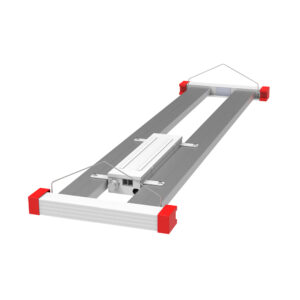
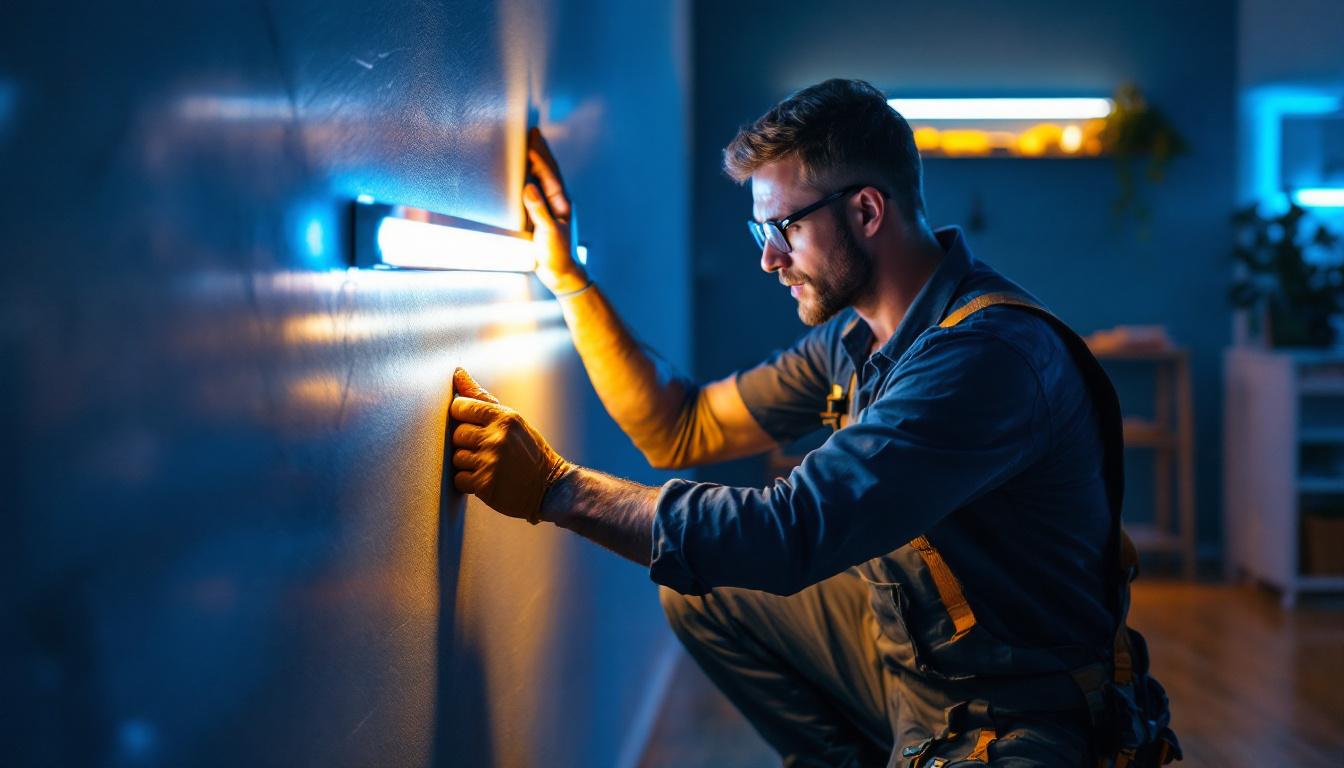
For a professional finish, mounting the strips securely and evenly is vital. Many 4 foot LED strip lights come with mounting brackets or clips designed for quick installation. When mounting on ceilings or walls, using a level and measuring tape ensures straight lines and consistent spacing. This attention to detail not only enhances the aesthetic appeal but also ensures that the light distribution is uniform across the intended area.
In applications such as under-cabinet lighting or retail displays, positioning the strip to avoid direct glare while maximizing illumination is important. Contractors should also consider heat dissipation; mounting strips on metal channels or aluminum profiles can extend the lifespan by preventing overheating. Moreover, utilizing diffusers can help soften the light output, creating a more inviting atmosphere while reducing harsh shadows. In commercial settings, this can significantly enhance the shopping experience, encouraging customers to stay longer and explore more products.
Design Strategies to Maximize Client Satisfaction
Layered Lighting Approaches
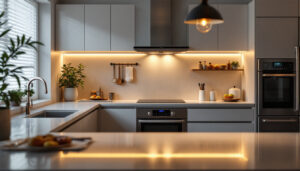
Modern lighting design often involves layering different types of light to create ambiance and functionality. 4 foot LED strip lights serve as excellent accent or task lighting components in these schemes. For example, combining overhead ambient lighting with under-cabinet LED strips in kitchens enhances both aesthetics and usability.
Contractors can advise clients on integrating LED strips with dimmable controls or smart home systems, allowing for dynamic lighting scenes that adjust to different activities or moods. This flexibility is a strong selling point and can differentiate your services in a competitive market.
Color Temperature and CRI Selection
Choosing the appropriate color temperature is essential for achieving the desired atmosphere. Warm white (2700K-3000K) creates a cozy, inviting environment, ideal for hospitality or residential settings. Neutral white (3500K-4100K) is suitable for retail or office spaces where clarity and focus are priorities. Cool white (5000K-6500K) can be used in industrial or task-oriented areas requiring bright, crisp illumination.
In addition to color temperature, the Color Rendering Index (CRI) affects how colors appear under the light. High CRI LEDs (above 80) reveal colors more accurately, which is critical in retail, art galleries, and healthcare settings. Lighting contractors should prioritize strips with high CRI ratings to meet client expectations.
Customization and Controls
Many 4 foot LED strip light systems offer customization options such as tunable white, RGB color changing, and programmable scenes. These features enable contractors to create unique lighting experiences tailored to client preferences. For instance, in hospitality venues, dynamic lighting can enhance ambiance during different times of day or events.
Integrating these systems with smart controls or building management systems provides additional convenience and energy savings. Lighting contractors who master these technologies position themselves as forward-thinking professionals capable of delivering cutting-edge solutions.
Common Challenges and How to Overcome Them
Dealing with Uneven Light Distribution
One frequent issue encountered during installation is uneven light distribution, which can result in hot spots or shadowing. This often occurs when strips are spaced too far apart or mounted incorrectly. Contractors should carefully plan layout and spacing, using manufacturer guidelines as a reference.
Utilizing diffusers or frosted covers can also help to soften and spread light evenly. In some cases, combining multiple strips or layering with other fixtures may be necessary to achieve uniform illumination.
Managing Heat and Ventilation
Though LEDs generate less heat than traditional bulbs, heat buildup can still affect performance and longevity. Poor ventilation or mounting strips on heat-sensitive materials can lead to premature failure. Lighting contractors should recommend and install aluminum channels or heat sinks where appropriate to dissipate heat effectively.
Ensuring adequate airflow around the fixtures and avoiding enclosed spaces without ventilation will further protect the LEDs. Educating clients on these considerations promotes long-term satisfaction and reduces maintenance calls.
Addressing Compatibility Issues
Compatibility between LED strips, drivers, dimmers, and control systems is essential for smooth operation. Mismatched components can cause flickering, buzzing, or reduced lifespan. Lighting contractors should source components from reputable manufacturers and verify compatibility before installation.
Testing the system thoroughly prior to finalizing the job helps identify any issues early. Keeping up to date with product specifications and firmware updates ensures ongoing reliability and performance.
Best Practices for Maintenance and Client Support
Routine Inspection and Cleaning
Although LED strip lights require less maintenance than traditional lighting, periodic inspection is recommended to ensure optimal performance. Contractors can advise clients to check for dust accumulation, loose connections, or signs of wear.
Cleaning should be done gently with a soft cloth and non-abrasive cleaner to avoid damaging the LED surface or circuitry. Providing clients with maintenance guidelines helps prolong fixture life and maintain light quality.
Warranty and Service Agreements
Offering warranties and service agreements can enhance client trust and provide peace of mind. Many LED manufacturers provide warranties covering defects and performance guarantees, often ranging from 3 to 5 years.
Lighting contractors should clearly communicate these terms and offer follow-up services such as periodic system checks or upgrades. This proactive approach fosters long-term relationships and repeat business.
Staying Informed on Industry Trends
The lighting industry is continuously evolving, with advancements in LED technology, controls, and design standards. Contractors who stay informed through trade publications, training programs, and manufacturer updates can offer the most current and effective solutions.
Embracing innovation not only improves project outcomes but also positions contractors as trusted experts in their field, attracting discerning clients seeking the latest in lighting technology.
Conclusion
4 foot LED strip lights represent a powerful tool in the lighting contractor’s arsenal, combining energy efficiency, design flexibility, and durability. By mastering installation techniques, understanding design principles, and addressing common challenges, contractors can deliver superior lighting solutions that meet diverse client needs.
Emphasizing quality components, proper planning, and ongoing client support ensures projects are completed smoothly and stand the test of time. As the demand for sustainable and customizable lighting grows, contractors proficient in 4 foot LED strip lights will find themselves well-positioned for success in a competitive marketplace.
Get Your Premium 4 Foot LED Strip Lights at LumenWholesale
Ready to elevate your lighting projects with the efficiency and versatility of 4 foot LED strip lights? Look no further than LumenWholesale for the highest quality, spec-grade lighting products at unbeatable wholesale prices. Say goodbye to local distributor markups and hello to superior lighting solutions that fit your budget. With our commitment to reliability and performance, you’ll find the perfect lighting options to satisfy your clients and enhance your professional offerings. Plus, enjoy the convenience of free shipping on bulk orders. Don’t compromise on quality or value—choose LumenWholesale for Wholesale Lighting at the Best Value and make your next project shine.