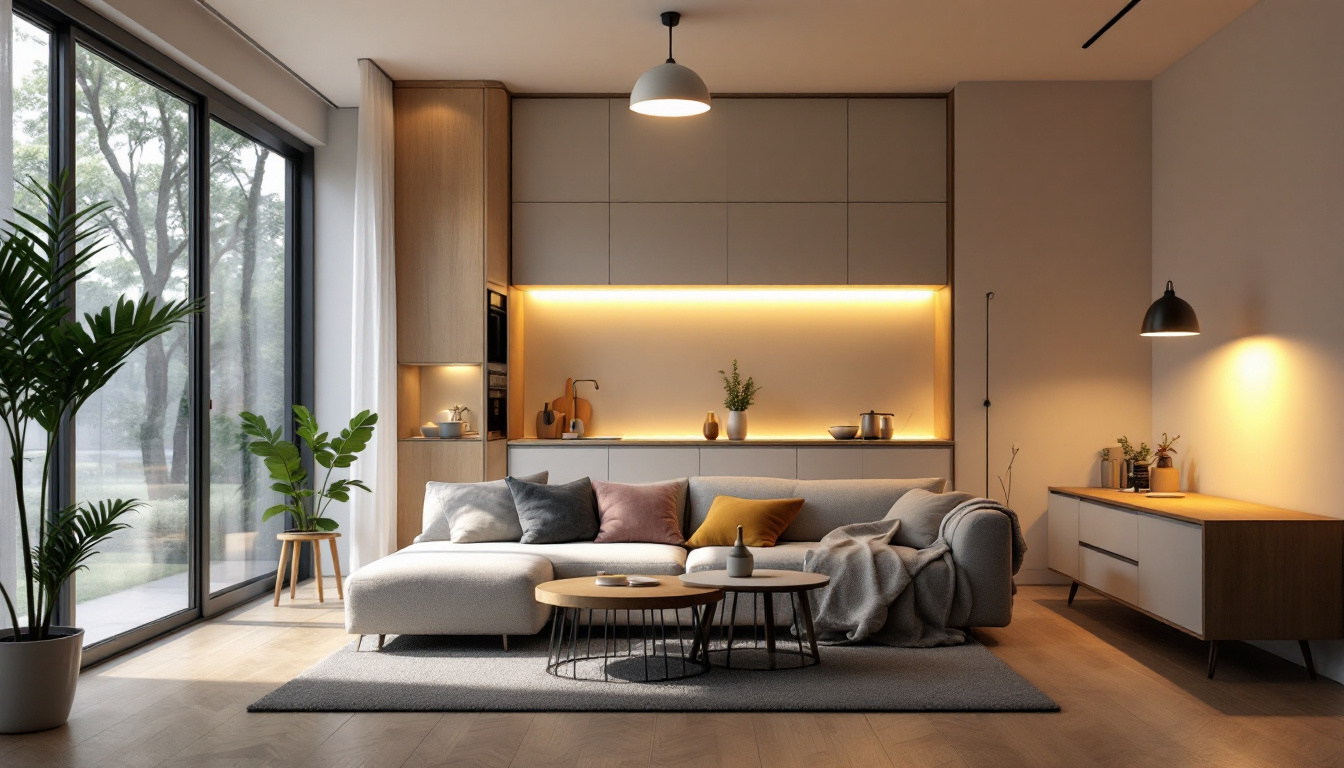
Understanding the Foundations of Professional Garden Lighting
Professional garden lighting transcends mere illumination; it is an art form that combines technical skill with creative vision. For lighting contractors, mastering this craft requires a deep understanding of both the functional and aesthetic aspects of outdoor lighting. The goal is to enhance the natural beauty of a garden while ensuring safety, security, and energy efficiency.
One of the fundamental principles in garden lighting is the strategic use of light and shadow. Properly placed fixtures can highlight architectural features, accentuate plant textures, and create inviting pathways. Conversely, poor lighting can result in glare, uneven illumination, or wasted energy, which diminishes the overall impact and client satisfaction.
Statistics from industry surveys reveal that over 70% of homeowners consider outdoor lighting a key factor in their landscaping decisions. This underscores the importance for contractors to stay abreast of the latest techniques and technologies to deliver superior results that meet client expectations.
Key Elements to Consider Before Installation
Before installation, a comprehensive site assessment is essential. This includes analyzing the garden’s layout, plant types, existing electrical infrastructure, and the client’s lifestyle needs. For instance, a garden designed for evening entertaining will require different lighting solutions compared to one primarily for visual appeal.
Contractors should also consider environmental factors such as moisture levels, soil conditions, and local climate, which influence fixture selection and placement. Using weather-resistant materials and ensuring proper waterproofing can extend the longevity of the lighting system.
Moreover, the choice of lighting technology plays a crucial role in the overall effectiveness of the installation. LED lights, for example, have gained popularity due to their energy efficiency and long lifespan, making them a sustainable option for outdoor spaces. Additionally, smart lighting systems are becoming increasingly prevalent, allowing homeowners to control their garden lighting remotely, adjust brightness levels, and even set schedules for automatic operation. This not only enhances convenience but also contributes to energy savings, aligning with the growing trend toward eco-friendly solutions.
Another important consideration is the color temperature of the lights. Warm white lights can create a cozy and inviting atmosphere, perfect for social gatherings, while cooler lights may be better suited for highlighting specific features or creating a more dramatic effect. Understanding the psychological impact of different lighting colors can help contractors tailor their designs to evoke the desired mood and ambiance, ensuring that each garden not only looks beautiful but feels welcoming and harmonious.
Advanced Techniques for Effective Garden Lighting Design
Lighting contractors who excel in garden lighting often employ advanced techniques that elevate their projects beyond basic illumination. These methods require a blend of technical knowledge and artistic sensibility.
Layered Lighting: Combining Ambient, Accent, and Task Lights
Layered lighting is a cornerstone technique that involves integrating ambient, accent, and task lighting to create depth and dimension. Ambient lighting provides overall illumination, often through well-placed floodlights or lanterns. Accent lighting draws attention to specific features such as statues, water elements, or specimen trees. Task lighting enhances functionality by illuminating pathways, steps, or seating areas.
By balancing these layers, contractors can craft a versatile lighting scheme that adapts to different times and uses. This approach also allows for energy savings by using brighter lights only where necessary, while softer ambient light maintains a welcoming atmosphere. For instance, during evening gatherings, accent lights can be dimmed to create a more intimate setting, while task lights can be brightened to ensure safety around walkways. Additionally, the strategic placement of lights can lead to stunning visual effects, such as casting beautiful shadows that enhance the garden’s natural features.
Utilizing Color Temperature and Light Intensity
Choosing the right color temperature is crucial in garden lighting. Warm white light (2700K to 3000K) tends to create a cozy, inviting ambiance, ideal for residential gardens. Cooler temperatures may be suitable for modern landscapes or commercial settings but can feel harsh if overused.
Light intensity must be carefully calibrated. Overly bright lights can cause discomfort and detract from the natural beauty of the garden, while insufficient lighting may fail to provide adequate visibility. Dimmable fixtures and smart controls enable contractors to fine-tune intensity based on time of day or specific activities. Moreover, the use of color filters or LED fixtures that can change colors adds an exciting dynamic to garden lighting, allowing for seasonal themes or special events. For example, a garden can be illuminated in soft blues and whites for winter festivities, while vibrant greens and yellows can bring a lively atmosphere during summer parties, showcasing the garden’s versatility throughout the year.
Innovations and Technologies Transforming Garden Lighting
The garden lighting industry is rapidly evolving, with new technologies offering enhanced performance, sustainability, and design flexibility. Lighting contractors who embrace these innovations can deliver cutting-edge solutions that delight clients and reduce operational costs.
LED Lighting: Efficiency and Versatility
LED technology has revolutionized garden lighting by providing energy-efficient, long-lasting, and highly customizable options. LEDs consume up to 80% less energy than traditional incandescent bulbs and have a lifespan that can exceed 50,000 hours. This translates into lower maintenance and utility costs for clients.
Moreover, LEDs are available in a wide range of colors and beam angles, allowing for precise control over lighting effects. Their compact size also facilitates discreet installation, preserving the garden’s natural aesthetics. Additionally, the ability to dim LED lights and change colors remotely can create dynamic atmospheres for various occasions, from intimate gatherings to festive celebrations. By incorporating programmable features, contractors can offer clients the ability to change the mood of their garden with just a few taps on their smartphones, making every outdoor event unique.
Smart Lighting Controls and Automation
Smart lighting systems enable remote control and automation, enhancing convenience and energy management. Features such as motion sensors, timers, and ambient light detectors allow lights to operate only when needed, reducing waste.
For lighting contractors, integrating smart controls requires proficiency in networking and programming, but the payoff is significant. Clients benefit from personalized lighting schedules and the ability to adjust settings via smartphones or voice assistants, elevating the garden lighting experience. Furthermore, these systems can be integrated with home automation platforms, allowing for seamless control alongside other smart devices. For instance, a homeowner could set their garden lights to turn on automatically at sunset, while also coordinating with their indoor lighting to create a cohesive ambiance throughout their property.
Solar-Powered Fixtures: Sustainable Solutions
Solar-powered garden lights have gained popularity as environmentally friendly alternatives, especially in areas where running electrical wiring is challenging or costly. Advances in photovoltaic technology and battery storage have improved their reliability and brightness.
While solar fixtures may not yet match the performance of wired systems for large-scale projects, they are ideal for accent lighting and temporary installations. Contractors should assess site-specific solar exposure and client expectations before recommending solar solutions. Additionally, the aesthetic appeal of solar lights has improved significantly, with designs that mimic traditional lanterns or modern sculptures, allowing them to blend seamlessly into various garden styles. As more homeowners seek sustainable options, the demand for solar-powered lighting is expected to grow, presenting an opportunity for contractors to expand their offerings and educate clients on the benefits of renewable energy in outdoor spaces.
Best Practices for Installation and Maintenance
Successful garden lighting projects depend not only on design but also on meticulous installation and ongoing maintenance. Lighting contractors must adhere to best practices to ensure safety, durability, and optimal performance.
Proper Wiring and Electrical Safety
Outdoor lighting installations require adherence to local electrical codes and standards. Using waterproof connectors, ground-fault circuit interrupters (GFCIs), and appropriate cable gauges minimizes the risk of electrical hazards. Contractors should conduct thorough testing before project completion to verify circuit integrity and fixture functionality.
Documenting the wiring layout and providing clients with detailed instructions on system operation and troubleshooting can prevent future issues and facilitate repairs.
Fixture Placement and Concealment
Strategic fixture placement is critical to achieving the desired lighting effect while avoiding glare and light pollution. Fixtures should be positioned to highlight key features without shining directly into eyes or neighboring properties.
Concealing fixtures behind plants, rocks, or architectural elements preserves the garden’s natural look. Using adjustable mounts allows for fine-tuning beam direction post-installation, enhancing flexibility.
Routine Maintenance and Seasonal Adjustments
Outdoor lighting systems are exposed to environmental wear and require periodic maintenance. Cleaning lenses, checking connections, and replacing bulbs or batteries extend system life and maintain performance.
Seasonal changes in plant growth and landscape use may necessitate adjustments in lighting angles or intensity. Contractors can offer maintenance contracts to clients, ensuring the garden lighting remains effective and attractive year-round.
Building Client Relationships and Enhancing Professional Reputation
For lighting contractors, technical expertise must be complemented by strong client communication and project management skills. Delivering a successful garden lighting installation can lead to repeat business, referrals, and a solid professional reputation.
Consultation and Customization
Engaging clients early in the design process helps clarify their vision and functional needs. Contractors should provide detailed proposals with visual aids such as sketches or 3D renderings to set realistic expectations.
Customization options, including fixture styles, color temperatures, and control systems, empower clients to personalize their garden lighting. This collaborative approach fosters satisfaction and trust.
Transparency and Education
Transparent pricing and clear explanations of product choices, installation procedures, and maintenance requirements build credibility. Educating clients about energy savings, environmental impact, and safety features positions contractors as knowledgeable professionals.
Showcasing Work and Leveraging Feedback
Documenting completed projects through high-quality photography and client testimonials enhances marketing efforts. Participating in industry events and online platforms can expand visibility and attract new clientele.
Soliciting and acting on client feedback demonstrates commitment to continuous improvement and customer care, reinforcing a contractor’s reputation for excellence.
Conclusion
Mastering professional garden lighting involves a blend of technical proficiency, creative design, and client-focused service. Lighting contractors who invest in understanding foundational principles, adopt advanced techniques, embrace innovative technologies, and uphold best installation practices position themselves as leaders in the field.
By fostering strong client relationships and maintaining a commitment to quality, contractors can transform outdoor spaces into captivating, functional environments that enhance property value and enjoyment. The secrets to mastering garden lighting lie not only in the tools and technology but also in the dedication to craftsmanship and client satisfaction.
Illuminate Your Projects with LumenWholesale
Ready to elevate your garden lighting designs with the finest products on the market? At LumenWholesale, we provide lighting contractors like you with spec-grade lighting solutions that combine quality with unbeatable wholesale value. Say goodbye to local distributor markups and hello to a vast selection of reliable, high-performance lighting that meets the highest industry standards. Plus, with free shipping on bulk orders, you can stock up on premium lighting without the worry of hidden fees. Make your next outdoor lighting project shine and enjoy the benefits of quality, affordability, and convenience. Discover Wholesale Lighting at the Best Value today and transform your garden lighting into a masterpiece of craftsmanship and client satisfaction.