Understanding the Basics of LED 4 Ft Light Fixtures
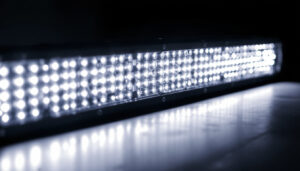
LED 4 ft light fixtures have become a staple in commercial and industrial lighting projects due to their energy efficiency, longevity, and versatility. For lighting contractors, understanding the fundamental characteristics of these fixtures is essential to making informed recommendations and installations.
Typically designed to replace traditional fluorescent tube fixtures, LED 4 ft fixtures offer significant improvements in energy consumption and maintenance costs. They come in various styles, including troffers, strip lights, and vapor-tight options, catering to different environments and applications. The adaptability of these fixtures makes them ideal for everything from warehouses and retail spaces to office buildings and educational institutions, ensuring that they can meet diverse lighting needs.
One of the primary reasons contractors favor LED 4 ft fixtures is their compatibility with existing electrical infrastructure. Many LED fixtures are designed as direct replacements for T8 or T12 fluorescent tubes, allowing for retrofit projects without extensive rewiring. This ease of installation can reduce labor costs and project timelines significantly. Additionally, many manufacturers offer integrated drivers and dimming capabilities, further enhancing the versatility of these fixtures and allowing for customized lighting solutions that can adapt to changing needs throughout the day.
Key Features to Consider
When selecting LED 4 ft light fixtures, contractors should evaluate several critical features:
- Lumen Output: The brightness level is crucial for meeting the lighting requirements of a space. LED fixtures typically provide between 3,000 and 5,000 lumens for 4 ft models.
- Color Temperature: Available in a range from warm white (2700K) to daylight (5000K+), the color temperature affects the ambiance and functionality of the lit area.
- Energy Efficiency: LED fixtures consume significantly less power than fluorescent counterparts, often reducing energy use by 40-60%.
- Durability and Lifespan: LEDs offer lifespans upwards of 50,000 hours, minimizing replacement frequency and maintenance efforts.
Moreover, the design of LED 4 ft fixtures often incorporates advanced thermal management systems, which help dissipate heat effectively and prolong the lifespan of the LEDs. This feature is particularly important in environments where fixtures are subjected to high ambient temperatures, ensuring consistent performance over time. Additionally, many LED fixtures now come with smart technology options, enabling integration with building management systems for enhanced control and energy savings. This trend towards smart lighting solutions not only improves energy efficiency but also allows for greater adaptability to the needs of the users, such as adjusting brightness levels based on occupancy or time of day.
Another aspect to consider is the environmental impact of LED lighting. Unlike traditional fluorescent lights, which contain hazardous materials like mercury, LED fixtures are more eco-friendly, making them a preferred choice for sustainability-focused projects. The reduced energy consumption of LEDs also contributes to lower carbon emissions, aligning with global efforts to combat climate change. As more organizations prioritize sustainability, the demand for LED 4 ft fixtures is likely to continue growing, further solidifying their position as a leading choice in modern lighting solutions.
Common Installation and Compatibility Questions
Lighting contractors frequently encounter questions regarding the installation process and compatibility of LED 4 ft light fixtures with existing systems. Addressing these concerns upfront can streamline project execution and avoid costly errors.
Can LED 4 Ft Fixtures Replace Fluorescent Tubes Directly?
One of the most common inquiries is whether LED 4 ft fixtures can serve as direct replacements for fluorescent tubes without modifying the existing ballast or wiring. The answer depends on the type of LED product chosen.
Ballast-Compatible LED Tubes: Some LED tubes are designed to work with existing fluorescent ballasts, allowing for a simple plug-and-play replacement. However, these may have limitations in terms of lifespan and efficiency compared to ballast-bypass models. It’s important to note that while this option minimizes installation time, it may not fully leverage the energy savings that LED technology can provide.
Ballast-Bypass LED Tubes: These require the removal or bypassing of the fluorescent ballast and direct wiring to the line voltage. While this involves additional labor, it often results in better performance and fewer maintenance issues. Moreover, ballast-bypass models typically offer higher energy efficiency and a longer operational lifespan, making them a preferred choice for many contractors looking to maximize their investment.
What Are the Wiring Considerations?
Proper wiring is critical for safety and fixture performance. Contractors should ensure that the wiring complies with local electrical codes and manufacturer guidelines. For ballast-bypass installations, it is essential to disconnect and remove the ballast to prevent electrical hazards. This step not only enhances safety but also ensures that the LED fixtures operate at optimal efficiency without the interference of outdated ballast technology.
Additionally, verifying the voltage compatibility of the LED fixture with the building’s electrical system is necessary. Most LED 4 ft fixtures operate on standard line voltages (120-277V), but confirming this avoids potential damage or malfunctions. It is also advisable to conduct a thorough inspection of the existing wiring to identify any signs of wear or damage, which could impact the performance of the new fixtures.
Are LED 4 Ft Fixtures Suitable for Damp or Wet Locations?
Many commercial and industrial projects require lighting solutions that can withstand moisture and harsh conditions. LED 4 ft fixtures are available in models rated for damp or wet locations, featuring sealed housings and corrosion-resistant materials. These fixtures are particularly beneficial in environments such as kitchens, bathrooms, and outdoor settings where exposure to water is a concern.
When specifying fixtures for such environments, contractors should look for appropriate IP (Ingress Protection) ratings, such as IP65 or higher, to ensure durability and safety. Additionally, it is wise to consider the temperature range and humidity levels of the installation site, as extreme conditions can affect the longevity and performance of the fixtures. By selecting the right LED products, contractors can enhance the reliability of their lighting solutions and ensure that they meet the specific needs of their projects.
Energy Efficiency and Cost Considerations
Energy efficiency is a driving factor behind the adoption of LED lighting, and contractors must be equipped to discuss cost implications with clients effectively.
How Much Energy Can Be Saved?
LED 4 ft light fixtures typically consume between 20 and 40 watts, compared to 32 to 40 watts for traditional fluorescent tubes. This reduction translates to energy savings of approximately 40-60%, depending on usage patterns and fixture specifications.
Over the lifespan of the fixture, these savings can amount to substantial reductions in utility bills, making LED upgrades financially attractive for building owners.
What About Initial Costs vs. Long-Term Savings?
While LED fixtures generally have higher upfront costs compared to fluorescent options, the long-term savings in energy and maintenance often justify the investment. The longer lifespan of LEDs reduces the frequency and cost of replacements and labor.
Contractors should present clients with detailed cost-benefit analyses, including payback periods and total cost of ownership, to facilitate informed decision-making.
Are There Incentives or Rebates Available?
Many utility companies and government programs offer incentives or rebates for upgrading to energy-efficient lighting, including LED fixtures. Contractors should research local opportunities and assist clients in applying for these benefits, which can offset initial expenses.
Maintenance and Performance Questions
Ensuring optimal performance and longevity of LED 4 ft fixtures is a priority for contractors responsible for installation and ongoing maintenance.
What Is the Typical Lifespan of LED 4 Ft Fixtures?
LED fixtures generally have rated lifespans of 50,000 hours or more, significantly exceeding the 15,000 to 20,000 hours typical of fluorescent tubes. This extended lifespan reduces downtime and maintenance costs.
However, actual lifespan can vary based on operating conditions, such as temperature, voltage fluctuations, and fixture quality.
How Does Dimming Affect LED Fixture Performance?
Many LED 4 ft fixtures are compatible with dimming controls, but compatibility depends on the fixture’s driver and the dimmer technology used. Contractors should verify that the dimming system is compatible to avoid flickering or reduced lifespan.
Using LED-specific dimmers or controls designed for the fixture ensures smooth operation and energy savings.
What Are Common Causes of LED Fixture Failure?
Failures often result from electrical issues, poor installation, or environmental factors. Overheating due to inadequate ventilation, voltage spikes, and exposure to moisture can shorten fixture life.
Proper installation, including adherence to manufacturer guidelines and the use of surge protection devices, helps mitigate these risks.
Trends and Innovations in LED 4 Ft Light Fixtures
The LED lighting industry continues to evolve, offering new features and technologies that benefit contractors and end-users alike.
Smart Lighting Integration
Many LED 4 ft fixtures now include options for smart controls, such as wireless connectivity, occupancy sensors, and daylight harvesting. These features enhance energy savings and user convenience.
Contractors should familiarize themselves with these technologies to provide clients with modern, adaptable lighting solutions.
Improved Color Rendering and Tunable White
Advancements in LED chip technology have led to improved color rendering indexes (CRI), often exceeding 80 or 90, which is important for environments where accurate color perception is critical.
Tunable white fixtures allow adjustment of color temperature throughout the day, supporting circadian rhythms and enhancing occupant comfort.
Eco-Friendly and Sustainable Design
LED 4 ft fixtures are increasingly designed with sustainability in mind, using recyclable materials and minimizing hazardous substances. This aligns with growing client demands for environmentally responsible building practices.
Conclusion: Equipping Lighting Contractors with Knowledge
LED 4 ft light fixtures represent a versatile, efficient, and cost-effective lighting solution for a wide range of commercial and industrial applications. By understanding the technical specifications, installation requirements, energy implications, and emerging trends, lighting contractors can confidently address client questions and deliver high-quality lighting solutions.
Staying informed about product innovations and local incentives further empowers contractors to provide value-added services that meet the evolving needs of their customers.
Discover Unmatched Value with LumenWholesale
Ready to elevate your lighting projects with superior LED 4 ft light fixtures? At LumenWholesale, we provide lighting contractors with the highest quality, spec-grade lighting products at prices that can’t be beaten. Our commitment to cutting out the middleman means you enjoy the best value without the inflated markups. With our extensive selection that meets rigorous industry standards, you can trust that your installations will shine in performance and reliability. Plus, with the convenience of free shipping on bulk orders, you can stock up on premium lighting without any hidden fees. Don’t compromise on quality or cost. Visit LumenWholesale now for Wholesale Lighting at the Best Value and make your next project a shining success.