Introduction to Lighted Pop Up Canopies for Lighting Contractors
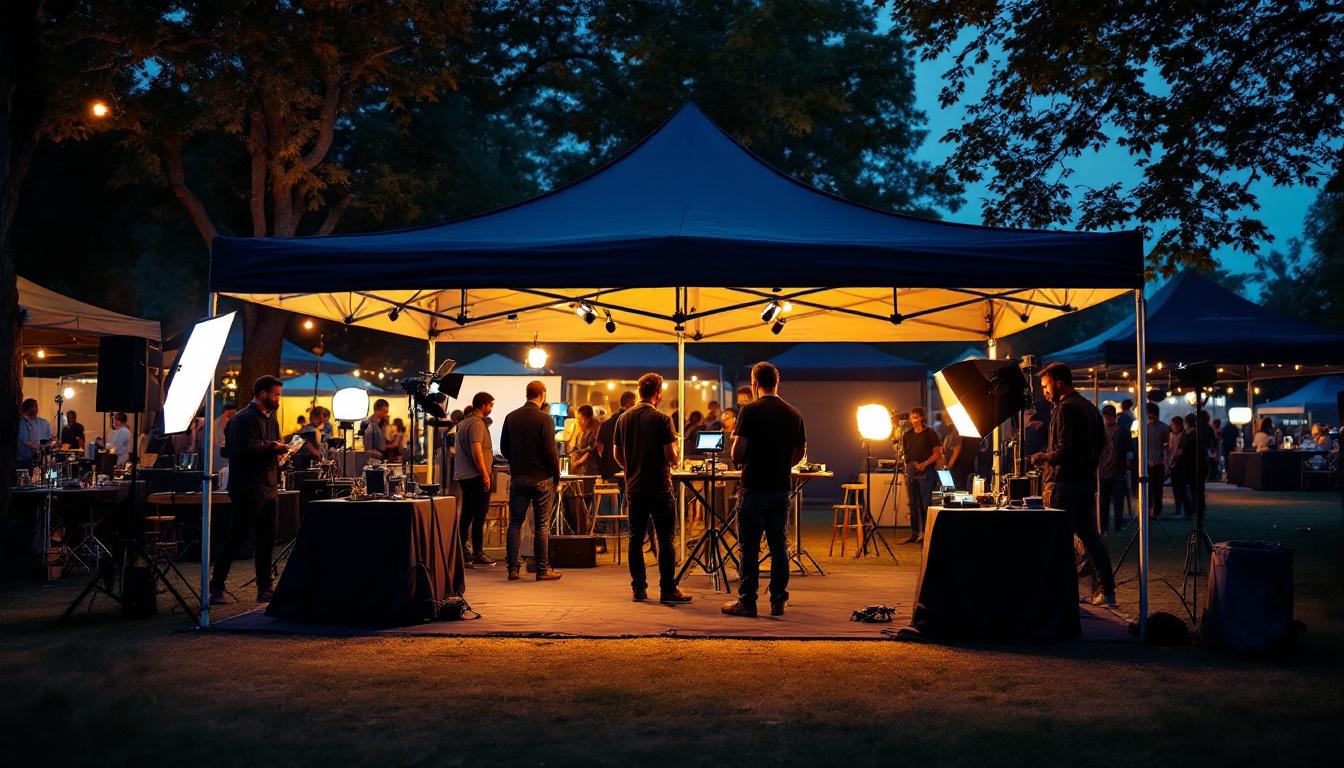
In the dynamic world of lighting contracting, having a versatile and reliable workspace is crucial. Whether working on outdoor events, construction sites, or emergency repairs, lighting contractors require solutions that enhance visibility, safety, and efficiency. One such solution gaining traction is the lighted pop up canopy. Combining shelter with integrated lighting, these canopies offer a practical and professional environment for contractors operating in various conditions.
This article explores the key points lighting contractors should consider when integrating lighted pop up canopies into their work setups. From design features to operational benefits, understanding these factors can significantly impact project outcomes and client satisfaction.
Why Lighting Contractors Need Lighted Pop Up Canopies
Enhancing Worksite Visibility and Safety
Lighting contractors often work in low-light conditions or during nighttime hours, where adequate illumination is essential for both precision and safety. Lighted pop up canopies provide a controlled lighting environment that enhances visibility, reducing the risk of errors and accidents. Unlike portable work lights that may cast harsh shadows or require multiple power sources, integrated canopy lighting offers uniform illumination directly over the workspace.
Moreover, these canopies contribute to a safer worksite by clearly defining the contractor’s area, helping to prevent unauthorized access or accidental interference with equipment and wiring. This is particularly important on busy construction sites or public events where multiple trades and attendees are present.
Creating a Professional and Organized Work Environment
Clients and project managers often judge contractors not only by the quality of their work but also by their professionalism on site. A lighted pop up canopy signals preparedness and attention to detail, projecting an image of reliability. The canopy serves as a mobile base of operations where tools, plans, and materials can be organized efficiently, protected from weather elements.
Having a dedicated, well-lit workspace helps contractors stay organized, which can improve workflow and reduce downtime. It also facilitates better communication with clients and team members, as the canopy can act as a meeting point or command center during complex lighting installations or troubleshooting.
Key Features to Look for in a Lighted Pop Up Canopy
Integrated Lighting Systems
The core advantage of a lighted pop up canopy lies in its built-in lighting. Lighting contractors should prioritize canopies equipped with energy-efficient LED lights that provide bright, consistent illumination without excessive heat generation. LEDs are preferred due to their longevity, low power consumption, and ability to produce high-quality light that closely resembles natural daylight.
Additionally, adjustable lighting options—such as dimmers or multiple brightness settings—allow contractors to tailor the illumination to specific tasks, whether detailed wiring work or broader area lighting. Some models also offer color temperature adjustments, enabling users to switch between warm and cool light depending on the environment and personal preference.
Durability and Weather Resistance
Given the often unpredictable nature of outdoor work, durability is a non-negotiable feature. Canopies should be constructed from robust materials such as heavy-duty aluminum frames and waterproof, UV-resistant fabric covers. This ensures the canopy can withstand wind, rain, and sun exposure without compromising structural integrity or lighting functionality.
Lighting contractors working in diverse climates should also consider canopies with reinforced joints and secure anchoring systems to prevent accidents caused by sudden weather changes. Weatherproof electrical components and sealed connectors are essential to protect lighting systems from moisture and dust ingress.
Portability and Ease of Setup
Time is money in contracting, and the ability to quickly deploy and dismantle a canopy is invaluable. Pop up canopies are designed for rapid setup, often requiring only one or two people and minimal tools. For lighting contractors who frequently move between job sites, lightweight frames and compact folding designs improve transportability.
Consider canopies that come with wheeled carrying cases or integrated handles to simplify logistics. The lighting system should also be easy to connect and disconnect, preferably with plug-and-play features that reduce setup complexity.
Operational Benefits of Using Lighted Pop Up Canopies
Extended Working Hours and Increased Productivity
One of the most significant advantages of lighted pop up canopies is the ability to extend productive working hours beyond daylight. Lighting contractors often face tight deadlines or emergency calls that require work during evenings or early mornings. Having a dedicated, well-lit workspace enables contractors to maintain high-quality standards regardless of natural light availability.
This flexibility can lead to faster project completion times and increased client satisfaction. It also allows contractors to schedule work during off-peak hours, potentially reducing disruptions and improving site safety.
Energy Efficiency and Cost Savings
Modern lighted canopies equipped with LED technology consume significantly less power compared to traditional lighting setups. This translates into lower fuel costs when using generators and reduced environmental impact. For contractors working on large-scale projects, the cumulative savings on energy can be substantial.
Furthermore, integrated lighting reduces the need for multiple portable lights and extension cords, minimizing setup costs and potential trip hazards. Over time, these efficiencies contribute to better profit margins and a more sustainable business model.
Improved Client Engagement and Brand Differentiation
In competitive markets, lighting contractors must differentiate themselves to win contracts and build lasting relationships. A lighted pop up canopy can serve as a mobile showroom, demonstrating the contractor’s commitment to quality and innovation. It provides a visible, branded presence at job sites and events, enhancing brand recognition.
Clients appreciate contractors who invest in professional equipment that ensures work is done safely and efficiently. This perception can lead to repeat business, referrals, and opportunities to work on higher-profile projects.
Practical Considerations When Choosing a Lighted Pop Up Canopy
Power Source Compatibility
Lighting contractors should assess the power options available at their typical job sites. Some canopies come with built-in rechargeable batteries, solar panels, or the ability to connect to external generators or mains power. Understanding these options helps ensure uninterrupted lighting during critical tasks.
Battery-powered canopies offer excellent portability and are ideal for remote locations without reliable power. However, contractors should evaluate battery life and recharge times to avoid downtime. Solar-powered options provide sustainable energy but may require supplemental power sources during overcast conditions.
Size and Coverage Area
The size of the canopy should align with the scope of work and the number of personnel involved. Larger canopies provide more workspace and storage but may be heavier and more cumbersome to transport. Smaller models offer greater mobility but might limit the contractor’s ability to organize tools and materials efficiently.
Lighting contractors should consider modular canopy systems that allow for expansion or combination with additional units. This flexibility can accommodate varying project scales and site constraints.
Compliance and Safety Standards
Ensuring that the canopy and its lighting system meet relevant safety and electrical standards is essential. Contractors should verify certifications such as UL listing for electrical components and compliance with local occupational safety regulations. This not only protects workers but also mitigates liability risks.
Additionally, features like fire-retardant fabrics and proper grounding for electrical systems enhance overall safety on site.
Case Studies: Lighted Pop Up Canopies in Action
Emergency Lighting Repairs in Urban Settings
In a metropolitan area, a lighting contractor was tasked with repairing streetlights after a severe storm. Using a lighted pop up canopy, the team established a safe, illuminated workspace on the sidewalk, protected from rain and wind. The integrated LED lights allowed technicians to work efficiently during nighttime hours, reducing repair time by 30% compared to previous projects without canopy lighting.
Outdoor Event Lighting Installations
For a large outdoor festival, a lighting contractor utilized multiple lighted pop up canopies as mobile command centers. These canopies provided shaded areas for equipment storage and troubleshooting, while the built-in lighting ensured continuous operations after sunset. The professional setup impressed event organizers and contributed to smooth lighting transitions throughout the multi-day event.
Remote Construction Site Applications
On a remote construction site with limited access to power, a contractor deployed solar-powered lighted canopies. These provided reliable illumination for critical wiring installations, reducing reliance on noisy generators and improving site sustainability. The portability of the canopies allowed quick relocation as the project progressed, enhancing operational flexibility.
Maintenance and Longevity Tips for Lighted Pop Up Canopies
Regular Cleaning and Inspection
Maintaining the canopy fabric and lighting components is vital for longevity. Contractors should clean the canopy regularly to remove dirt, dust, and debris that can degrade materials. Inspecting electrical connections for corrosion or wear helps prevent malfunctions and safety hazards.
Proper Storage Practices
When not in use, canopies should be stored in dry, temperature-controlled environments to prevent mold growth and material fatigue. Folding the canopy according to manufacturer guidelines avoids damage to the frame and fabric. Battery-powered lighting units should be charged periodically to maintain battery health.
Timely Repairs and Upgrades
Addressing minor damages promptly—such as torn fabric or loose wiring—extends the canopy’s service life. Lighting contractors should also stay informed about technological advancements, upgrading to newer LED modules or power systems as they become available to maintain competitive advantages.
Conclusion: Maximizing the Value of Lighted Pop Up Canopies
For lighting contractors, lighted pop up canopies represent a strategic investment that enhances operational efficiency, safety, and professionalism. By selecting models with integrated LED lighting, durable construction, and user-friendly features, contractors can create adaptable workspaces suited to diverse project demands.
Beyond practical benefits, these canopies contribute to brand differentiation and client trust, positioning contractors for success in a competitive industry. With proper maintenance and thoughtful deployment, lighted pop up canopies become indispensable tools that illuminate the path to better project outcomes.
Illuminate Your Projects with LumenWholesale
Ready to elevate your lighting game? Look no further than LumenWholesale for all your lighted pop up canopy needs. Our spec-grade lighting products are designed to meet the high demands of lighting contractors, offering durability, efficiency, and the professional edge you seek. With unbeatable wholesale prices and the convenience of bulk buying, you can trust LumenWholesale to light up your workspace without breaking the bank. Say goodbye to middleman markups and hello to free shipping, quality assurance, and the best value in the industry. Explore our selection now and discover Wholesale Lighting at the Best Value.