Understanding the Purpose of Exterior Spot Lights
Exterior spot lights are more than just decorative elements; they serve critical functions in residential lighting design. For lighting contractors, recognizing the primary objectives behind installing spot lights is essential to delivering effective solutions that satisfy both aesthetic and practical needs.
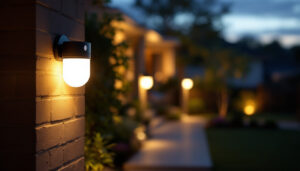
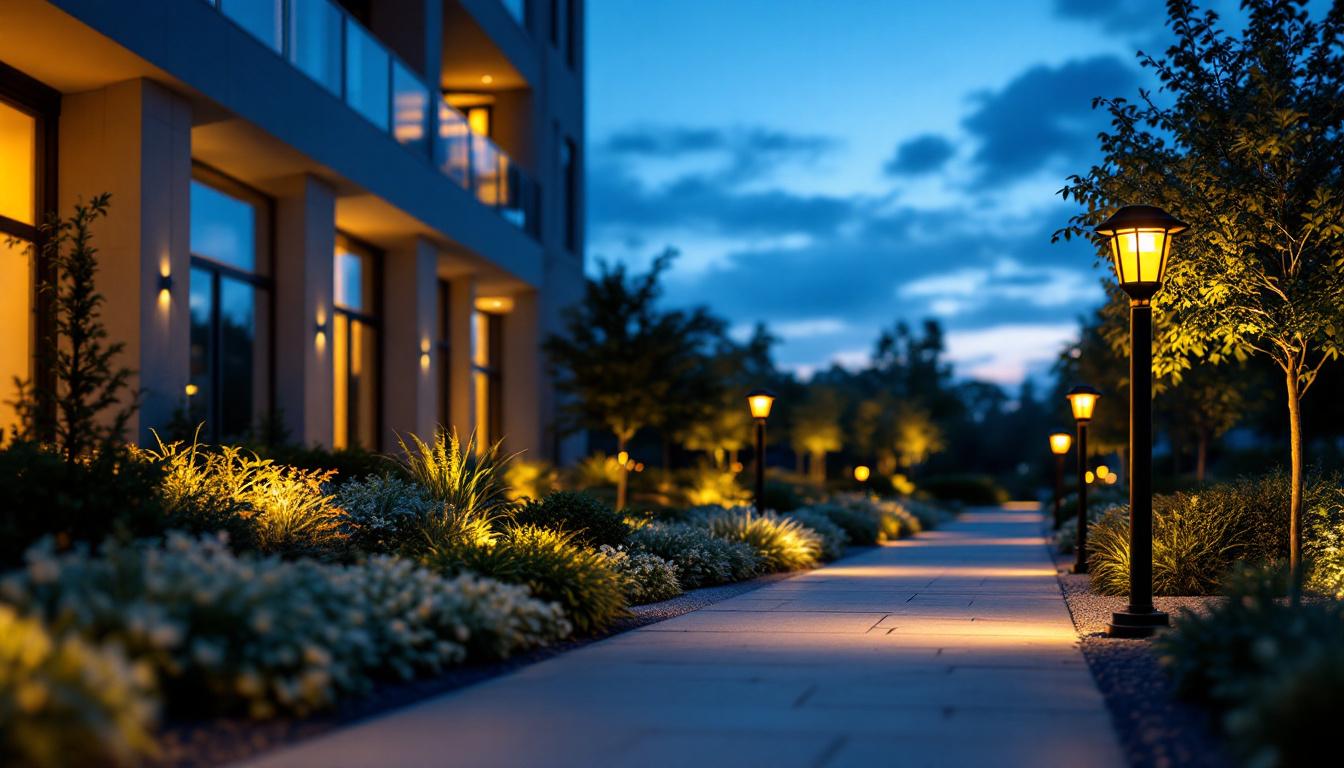
Spot lights primarily enhance security, accentuate architectural features, and improve safety around the property. When positioned correctly, they deter potential intruders by eliminating dark hiding spots. They also highlight textures, materials, and design details that define the character of a home, adding depth and drama after sunset.
Security and Safety Considerations
One of the top reasons homeowners invest in exterior spot lighting is to increase security. Well-lit exteriors reduce the risk of burglary and vandalism. For contractors, this means focusing on coverage and brightness without creating glare or light pollution.
Safety is another critical factor. Pathways, steps, and entry points must be illuminated to prevent accidents. Spot lights with adjustable beams allow contractors to direct light exactly where it’s needed, improving visibility for residents and visitors alike. Additionally, integrating motion sensors with spot lights can further enhance safety by providing instant illumination when movement is detected, ensuring that any potential hazards are immediately visible.
Enhancing Curb Appeal
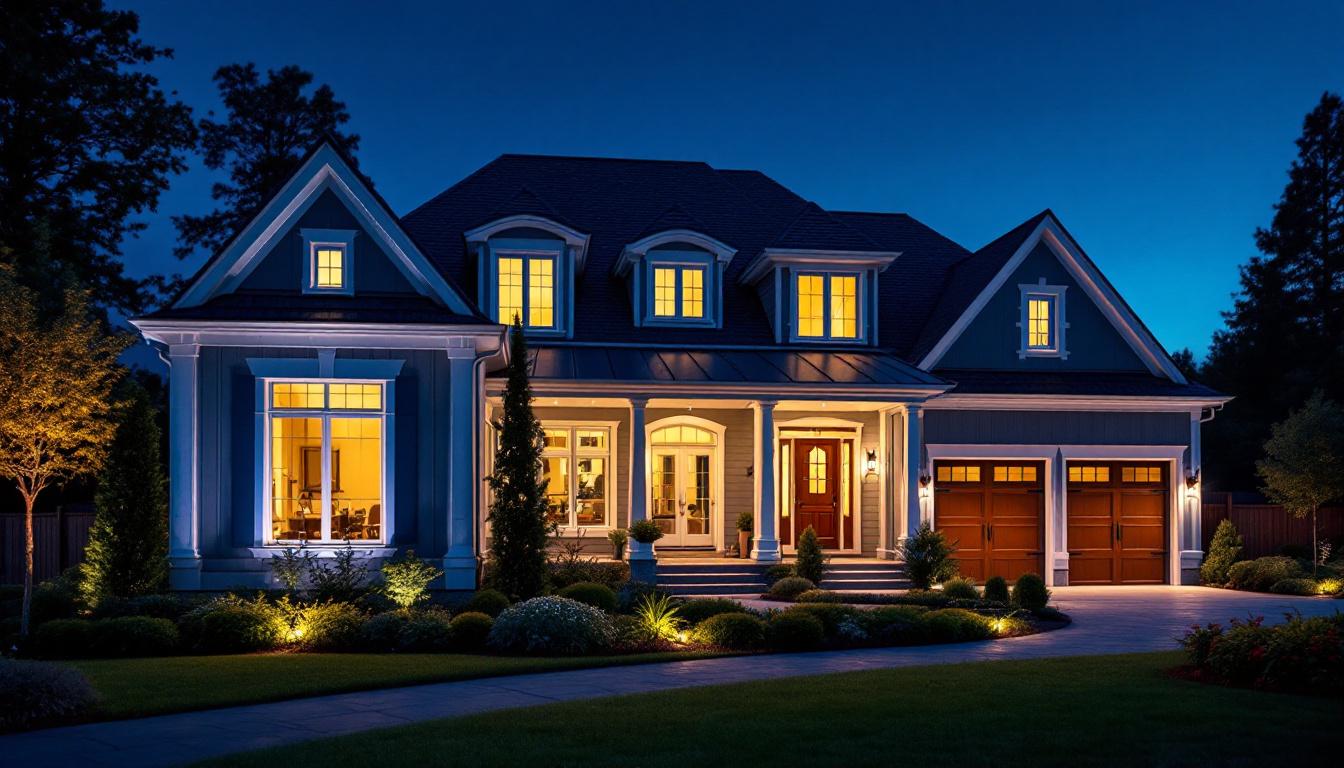
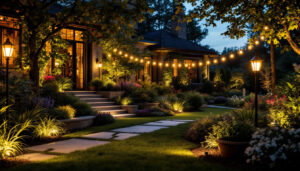
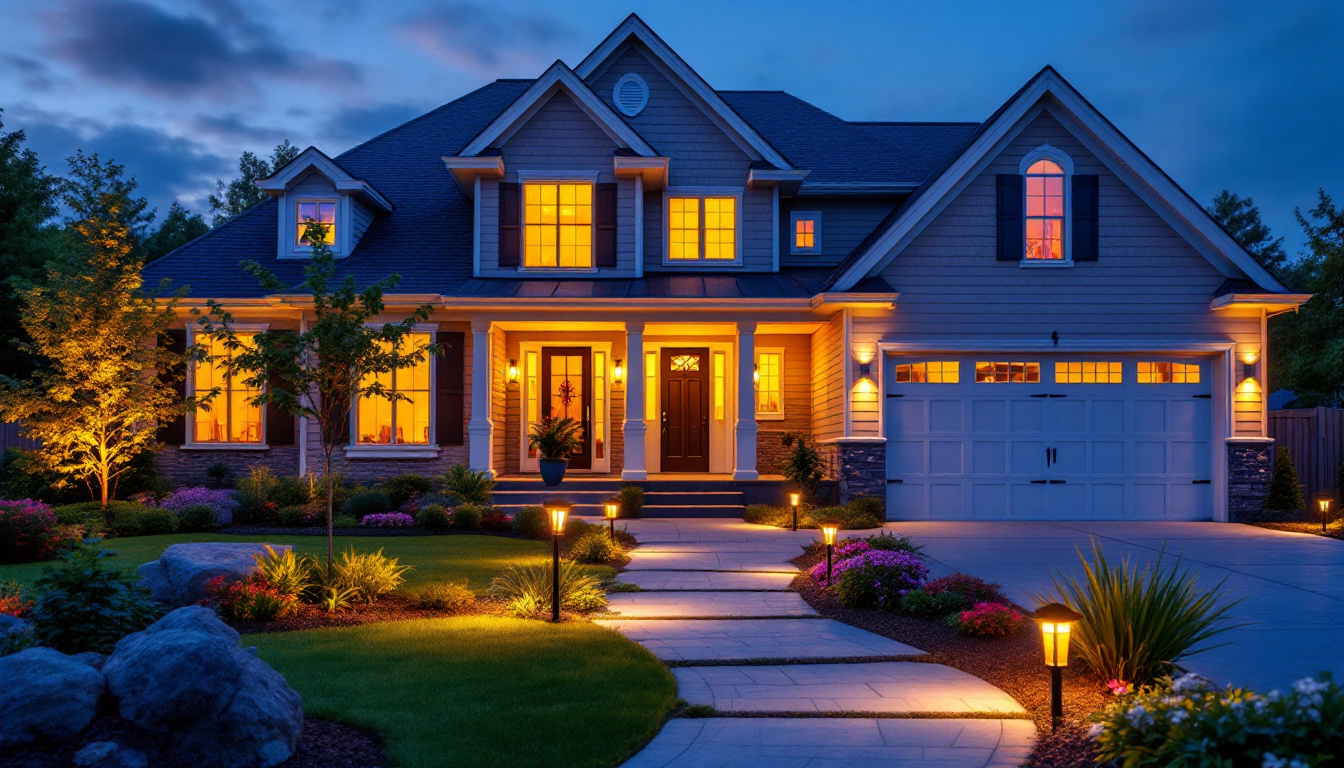
Exterior spot lights can transform a house’s nighttime appearance. By highlighting elements like stone facades, columns, or landscaping, these lights create inviting and impressive visual effects. Contractors should consider the home’s architectural style and landscaping when planning the lighting layout to ensure harmony and balance.
Moreover, the strategic placement of spot lights can create a warm and welcoming atmosphere, making the property more appealing not just to the homeowners but also to guests and passersby. For instance, illuminating garden features such as trees, sculptures, or water elements can create a captivating focal point that draws the eye. This not only enhances the aesthetic appeal but also showcases the homeowner’s investment in their property, creating a sense of pride and ownership that resonates throughout the neighborhood.
Selecting the Right Fixtures and Bulbs
Choosing the appropriate fixtures and bulbs is fundamental to achieving the desired lighting effect. Contractors must evaluate factors such as beam angle, color temperature, durability, and energy efficiency. The right combination not only enhances the aesthetic appeal of a space but also contributes to its functionality and safety. With the increasing variety of options available in the market, making informed decisions is more crucial than ever.
Beam Angle and Light Distribution
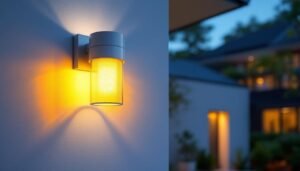
Spot lights typically have narrow beam angles ranging from 10 to 45 degrees. Narrow beams create focused highlights, ideal for emphasizing specific features, while wider beams provide broader illumination for general security purposes. Understanding these nuances helps contractors tailor the lighting to the client’s goals. Additionally, incorporating adjustable fixtures can offer versatility, allowing clients to modify the beam angle as their needs change over time. This adaptability can be particularly beneficial in spaces that serve multiple functions, such as outdoor patios or event venues.
Color Temperature and Mood
Color temperature affects how the light interacts with the environment. Warm white (2700K-3000K) creates a cozy, inviting atmosphere, perfect for residential settings. Cooler temperatures (4000K-5000K) deliver crisp, bright light that enhances security but may feel harsher. Contractors should advise clients on the mood they want to achieve and select bulbs accordingly. Furthermore, the use of smart lighting systems allows for the adjustment of color temperature throughout the day, enabling a seamless transition from energizing daylight to relaxing evening tones, which can significantly enhance the overall ambiance of a space.
Durability and Weather Resistance
Exterior lighting fixtures must withstand harsh weather conditions. Look for fixtures with high IP ratings (IP65 or above) to ensure protection against dust and water. Materials like die-cast aluminum and stainless steel offer longevity and resistance to corrosion, reducing maintenance needs over time. Additionally, features such as tempered glass lenses can provide extra protection against impacts and UV degradation, ensuring that the fixtures maintain their clarity and brightness for years to come. This attention to durability not only improves the lifespan of the fixtures but also enhances the overall value of the installation.
Energy Efficiency and Sustainability
LED technology dominates the exterior lighting market due to its energy efficiency and long lifespan. LEDs consume significantly less power than traditional halogen bulbs and generate less heat, making them safer and more cost-effective. Lighting contractors should prioritize LED fixtures to meet growing client expectations for sustainable solutions. Moreover, integrating solar-powered lighting options can further enhance sustainability efforts, particularly in remote areas or locations where access to electricity is limited. These solar fixtures harness renewable energy, reducing reliance on traditional power sources and contributing to a greener environment while still providing adequate illumination for safety and aesthetics.
Strategic Placement and Installation Techniques
Proper placement is critical to maximizing the effectiveness of exterior spot lights. Poorly positioned lights can cause glare, shadows, or uneven illumination, undermining the entire lighting scheme.
Mapping the Lighting Plan
Start by assessing the property layout, architectural features, and landscaping. Identify focal points such as entryways, columns, trees, or water features that deserve highlighting. Consider sight lines from the street and common approach routes to ensure the lighting enhances curb appeal and security simultaneously.
Use scaled drawings or digital tools to plan fixture locations and beam directions. This proactive approach minimizes guesswork during installation and helps avoid costly adjustments later.
Height and Angle Adjustments
Mounting height influences the spread and intensity of light. Higher placements cover broader areas but reduce the intensity of the beam, while lower mounts create sharper, more dramatic highlights. Adjustable fixtures allow fine-tuning on-site, a valuable feature for contractors aiming for precision.
Angle the spot lights to avoid direct glare into windows or neighbors’ properties. This not only improves comfort but also complies with local lighting ordinances and reduces light pollution.
Wiring and Power Supply Considerations
Exterior lighting installations require careful attention to electrical safety and code compliance. Use outdoor-rated cables and connectors, and ensure all wiring is protected from moisture and physical damage. Ground-fault circuit interrupters (GFCIs) are mandatory for exterior circuits to prevent electrical hazards.
Consider the power source’s capacity and the total wattage of the lighting system. Using low-voltage systems can simplify installation and improve energy efficiency, but it requires compatible transformers and wiring.
Balancing Aesthetics with Functionality
Lighting contractors must strike a balance between creating visually pleasing effects and meeting functional requirements. This balance is often the difference between a lighting design that impresses and one that frustrates.
Layering Light for Depth
Combine spot lights with other types of exterior lighting such as path lights, wall washers, and ambient fixtures. Layered lighting adds dimension and prevents the space from feeling flat or overly harsh. Spot lights should serve as accents within a broader lighting scheme.
Minimizing Light Pollution
Excessive or misdirected lighting can cause glare, disrupt neighbors, and negatively impact local wildlife. Use shields, barn doors, or directional lenses to control light spill. Following “dark sky” principles not only improves the quality of lighting but also aligns with environmental stewardship.
Client Communication and Customization
Every homeowner’s preferences and property characteristics differ. Engage clients early to understand their priorities-whether security, aesthetics, or energy savings. Present options with visual simulations or examples to help them make informed decisions.
Customization might include dimmers, timers, or smart controls that allow clients to adjust lighting based on time of day or activity. These features enhance user experience and add value to the installation.
Maintenance and Troubleshooting Tips
Exterior lighting systems require periodic maintenance to ensure longevity and consistent performance. Lighting contractors should educate clients on simple upkeep and be prepared to troubleshoot common issues.
Routine Inspection and Cleaning
Outdoor fixtures accumulate dirt, debris, and insect nests that can reduce light output. Regular cleaning of lenses and housings keeps the system operating at peak efficiency. Inspect seals and gaskets to prevent water ingress.
Replacing Bulbs and Components
Although LEDs have long lifespans, occasional replacements may be necessary. Use compatible bulbs and parts to avoid damaging fixtures. Keep a record of installed equipment models and specifications for easy reference.
Addressing Flickering or Outages
Flickering lights often indicate wiring issues, loose connections, or power supply problems. Systematic troubleshooting involves checking circuit breakers, inspecting wiring integrity, and verifying transformer functionality. Prompt repairs prevent further damage and maintain client satisfaction.
Staying Up-to-Date with Industry Trends and Regulations
Lighting technology and regulations evolve continuously. Contractors who stay informed can offer better recommendations and ensure compliance with local codes.
Emerging Technologies
Smart lighting systems, including app-controlled fixtures and motion sensors, are increasingly popular. These technologies offer enhanced convenience, energy savings, and security features. Familiarity with integration options allows contractors to provide cutting-edge solutions.
Energy Codes and Standards
Many jurisdictions enforce energy efficiency standards for outdoor lighting. Understanding these requirements helps avoid costly rework and ensures installations qualify for rebates or incentives.
Additionally, awareness of dark sky initiatives and environmental guidelines supports responsible lighting practices that benefit communities and ecosystems.
Final Thoughts
Exterior spot lights are powerful tools in a lighting contractor’s arsenal. When selected and installed thoughtfully, they enhance security, safety, and beauty around a home. Success hinges on understanding client needs, choosing the right equipment, planning precise placements, and maintaining the system over time.
Contractors who master these elements build trust and reputation, leading to satisfied clients and repeat business. The key lies in combining technical expertise with an eye for design and a commitment to quality workmanship.
Illuminate Your Projects with LumenWholesale
Ready to elevate your lighting projects with superior quality and value? Look no further than LumenWholesale. Our extensive selection of spec-grade lighting products is designed to meet the highest industry standards, ensuring you deliver exceptional results every time. With unbeatable wholesale prices and the convenience of free shipping on bulk orders, you can trust LumenWholesale to provide the best lighting solutions without hidden fees or compromises. Enhance the security, safety, and beauty of your clients’ homes with confidence. Wholesale Lighting at the Best Value is just a click away. Experience the LumenWholesale difference today!