Understanding Recessed Lighting: A Foundation for Modern Installations
Recessed lighting, often referred to as can lighting or downlighting, has become a cornerstone in contemporary lighting design. Its sleek, unobtrusive appearance allows for a clean ceiling line, offering a minimalist aesthetic that complements a wide range of architectural styles. For lighting contractors, mastering the nuances of recessed lighting is essential, as it combines both functional illumination and design flexibility.
Unlike traditional fixtures that hang or protrude from the ceiling, recessed lights are installed within the ceiling cavity. This design not only saves space but also directs light downward, creating focused illumination that can be tailored to specific areas. The versatility of recessed lighting makes it ideal for residential, commercial, and hospitality projects. In homes, recessed lighting can highlight artwork, illuminate kitchen countertops, or create a cozy atmosphere in living rooms. In commercial spaces, it can enhance product displays or provide essential lighting in work areas, demonstrating its adaptability across various environments.
The Anatomy of Recessed Lighting Fixtures
Before diving into installation and design strategies, it’s important to understand the components of recessed lighting. Typically, these fixtures consist of three main parts:
- The Housing: Installed inside the ceiling, this component holds the light bulb and electrical connections. Housings are rated for different ceiling types and insulation conditions, such as IC (Insulation Contact) or non-IC rated housings.
- The Trim: The visible part of the fixture, the trim comes in various styles and finishes to suit design preferences. It also influences the direction and spread of light.
- The Bulb or Light Source: Modern recessed lighting often employs LED technology due to its energy efficiency, longevity, and color rendering capabilities.
In addition to these core components, it’s crucial to consider the beam angle of the recessed lights. This measurement determines how wide or narrow the light spread will be, affecting the overall ambiance of the space. For instance, a narrow beam angle is ideal for accent lighting, drawing attention to specific features, while a wider beam angle can create a more general wash of light, perfect for illuminating larger areas. Furthermore, dimmable options are increasingly popular, allowing users to adjust the brightness according to the time of day or activity, enhancing the overall functionality of the space.
Another aspect to consider is the placement of recessed lighting. Proper spacing and alignment can significantly impact the effectiveness of the lighting scheme. A common guideline is to space the fixtures approximately 4 to 6 feet apart, depending on the height of the ceiling and the desired effect. Additionally, strategic placement can help minimize shadows and ensure even light distribution, making it essential for contractors to plan layouts carefully during the design phase. This attention to detail not only enhances the aesthetic appeal but also contributes to the overall comfort and usability of the space.
The Impact of Recessed Lighting on Modern Interior Design
Recessed lighting plays a pivotal role in shaping the ambiance and functionality of interior spaces. Its subtle presence allows designers and contractors to highlight architectural features, create zones within open-plan areas, and enhance the overall atmosphere without visual clutter.
Creating Layered Lighting Schemes
Effective lighting design often involves layering different types of light: ambient, task, and accent. Recessed lighting excels in providing ambient illumination, serving as the primary light source that evenly brightens a room. When strategically placed, recessed lights can also fulfill task lighting needs, such as over kitchen counters or workspaces.
Accent lighting with recessed fixtures can draw attention to artwork, textured walls, or architectural niches. Using adjustable trims or gimbal-style recessed lights enables contractors to direct beams precisely, enhancing focal points without the need for additional fixtures.
Enhancing Spatial Perception
One of the understated benefits of recessed lighting is its ability to influence how occupants perceive space. By illuminating ceilings and walls evenly, recessed lights can make rooms appear larger and more open. This effect is particularly valuable in compact or low-ceiling environments where bulky fixtures might overwhelm the space.
Furthermore, the choice of trim style and finish can subtly affect the room’s mood. For example, white trims blend seamlessly with ceilings for a clean look, while metallic trims add a touch of sophistication and reflect light in interesting ways.
Moreover, the color temperature of the recessed lighting can significantly alter the atmosphere of a room. Warmer tones (around 2700K to 3000K) create a cozy and inviting environment, perfect for living rooms and bedrooms, while cooler tones (4000K and above) can invigorate spaces like kitchens and home offices. This versatility allows homeowners to customize their lighting to suit different activities and times of day, enhancing both functionality and comfort.
In addition to aesthetic considerations, energy efficiency is another crucial aspect of recessed lighting. With the rise of LED technology, recessed fixtures can now provide substantial illumination while consuming significantly less energy compared to traditional incandescent bulbs. This not only reduces electricity costs but also contributes to a more sustainable living environment. As homeowners become increasingly conscious of their ecological footprint, the choice of energy-efficient recessed lighting becomes a practical and responsible design decision.
Technical Considerations for Lighting Contractors
For contractors, the successful implementation of recessed lighting hinges on understanding technical specifications, installation challenges, and compliance with safety standards.
Choosing the Right Housing and Trim
Selecting appropriate housings is critical, especially in relation to ceiling construction and insulation. IC-rated housings are designed to be in direct contact with insulation, preventing overheating and reducing fire risk. Non-IC housings require a clearance from insulation and are often used in non-insulated spaces.
The trim choice affects not only aesthetics but also light distribution and glare control. Baffle trims reduce glare by absorbing excess light, while reflector trims maximize brightness by reflecting light outward. Contractors should consider the client’s needs and the room’s function when recommending trims.
Energy Efficiency and Lighting Controls
With increasing emphasis on sustainability, recessed lighting installations often incorporate LED technology, which offers significant energy savings and reduced maintenance costs compared to incandescent or halogen bulbs. LEDs also provide superior color rendering and dimming capabilities, enhancing user comfort and flexibility.
Integrating lighting controls such as dimmers, occupancy sensors, and smart lighting systems can further optimize energy use and user experience. Contractors should ensure compatibility between fixtures and control devices, adhering to manufacturer guidelines and local electrical codes.
Installation Best Practices
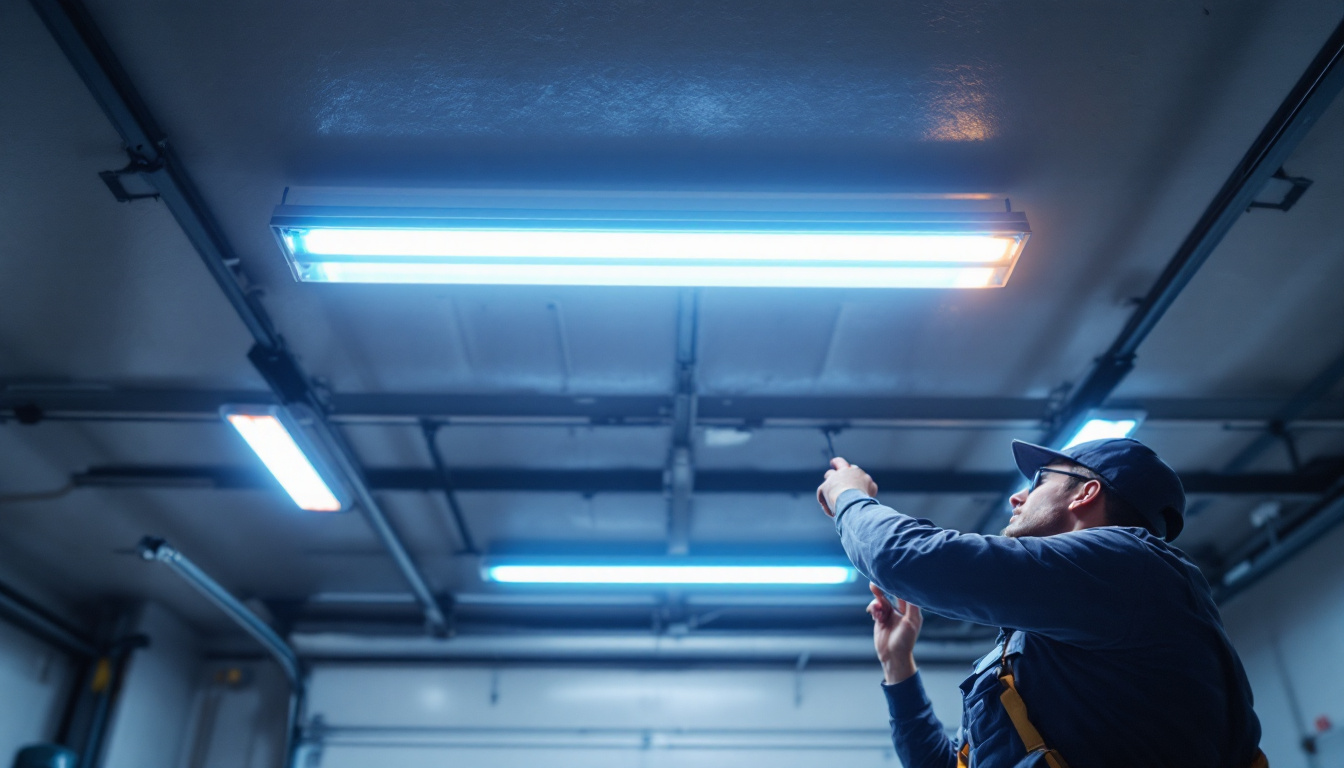
Proper installation is paramount to ensure safety, performance, and longevity. Contractors should verify ceiling structure, electrical wiring, and spacing requirements before beginning installation. Precise hole cutting and secure mounting prevent fixture movement and air leakage.
Attention to thermal management is essential, especially with LED fixtures, to prevent overheating and extend lifespan. Additionally, sealing around housings can improve energy efficiency by minimizing air infiltration.
Visual Inspiration: The Power of Recessed Lighting Pictures
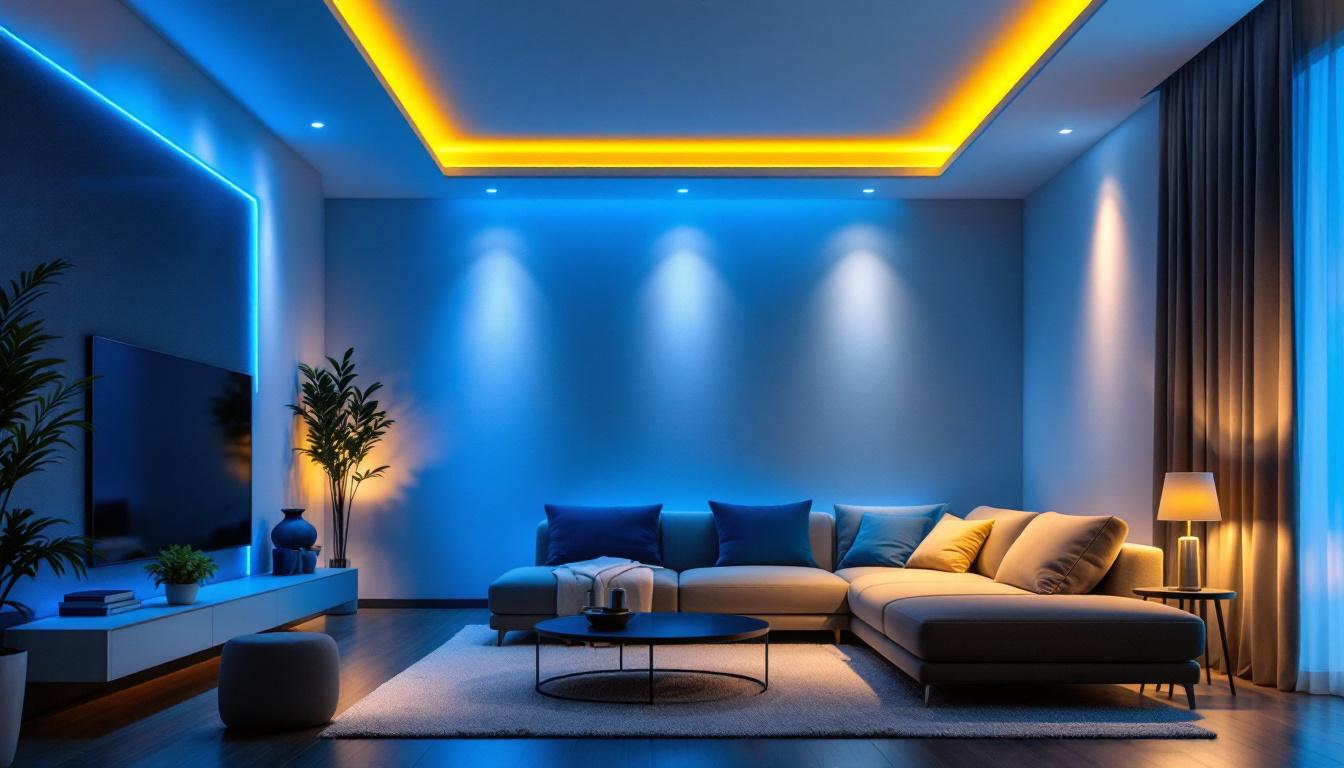
For lighting contractors, visual references are invaluable tools for both design inspiration and client communication. Recessed lighting pictures showcase real-world applications, highlighting how different configurations and trims influence space.
Showcasing Versatility Across Spaces
Images of recessed lighting in various settings—from modern kitchens and living rooms to office environments and retail spaces—demonstrate the adaptability of these fixtures. For instance, a series of recessed lights with adjustable trims can create dynamic lighting in a gallery, while a grid of uniform fixtures provides consistent illumination in a conference room.
Contractors can use these pictures to illustrate potential outcomes, helping clients visualize how recessed lighting will enhance their spaces. This visual communication fosters informed decision-making and aligns expectations.
Highlighting Installation Techniques and Details
Close-up images of recessed lighting installations reveal important details such as trim styles, housing types, and integration with ceiling materials. These pictures serve as practical guides, illustrating best practices and common pitfalls.
For example, photos showing the difference between IC and non-IC housings or the impact of various trim finishes can assist contractors in selecting appropriate products and explaining choices to clients.
Future Trends in Recessed Lighting
The lighting industry continues to evolve, with recessed lighting at the forefront of innovation. Staying abreast of emerging trends enables contractors to offer cutting-edge solutions that meet client demands for efficiency, aesthetics, and smart technology integration.
Advancements in LED Technology
LED technology is rapidly advancing, with improvements in color temperature options, tunability, and lumen output. These enhancements allow for more precise control over lighting ambiance and energy consumption.
New LED modules designed specifically for recessed fixtures offer slimmer profiles and better thermal management, expanding design possibilities and simplifying installation.
Integration with Smart Home Systems
Smart lighting controls are becoming increasingly popular, allowing users to adjust lighting remotely, program scenes, and integrate with voice assistants. Recessed lighting fixtures compatible with these systems provide seamless user experiences and enhance the functionality of modern living and working spaces.
Contractors should familiarize themselves with these technologies to advise clients effectively and ensure proper installation and configuration.
Sustainability and Regulatory Compliance
Environmental considerations continue to shape lighting design and installation. Energy codes and green building certifications often mandate the use of energy-efficient fixtures and controls. Recessed lighting solutions that meet or exceed these standards not only reduce environmental impact but also offer long-term cost savings.
Contractors play a key role in guiding clients through compliance requirements and selecting products that align with sustainability goals.
Conclusion: Elevating Spaces with Recessed Lighting
Recessed lighting is more than just a functional element; it is a versatile design tool that enhances the aesthetics, comfort, and efficiency of modern interiors. For lighting contractors, expertise in recessed lighting systems—from product knowledge and installation techniques to understanding design principles—is essential to delivering high-quality results.
By leveraging recessed lighting pictures and staying informed about technological advancements and industry trends, contractors can inspire clients, streamline project execution, and contribute to creating well-lit, inviting environments that stand the test of time.
Illuminate Your Projects with LumenWholesale
Ready to elevate your lighting solutions with the sleek sophistication of recessed lighting? At LumenWholesale, we provide lighting contractors with an exceptional range of high-quality, spec-grade recessed lighting products at unbeatable wholesale prices. Say goodbye to local distributor markups and hello to our premium selection that meets the highest industry standards. Plus, with free shipping on bulk orders, you can ensure your projects shine with the best value lighting—without any hidden fees. Don’t compromise on quality or cost. Discover wholesale lighting at the best value today and bring your design visions to life with LumenWholesale.