The Evolution of Lighting Technology in American Manufacturing
Lighting technology in the United States has undergone a remarkable transformation over the past several decades. For lighting contractors, understanding this evolution is crucial not only for selecting the right products but also for advising clients on energy efficiency, longevity, and design aesthetics. Early American lighting manufacturers primarily focused on incandescent bulbs, which, while revolutionary at their inception, have since been largely supplanted by more advanced technologies.
Today, American manufacturers lead in the development of LED (Light Emitting Diode) technology, smart lighting systems, and sustainable solutions. This shift reflects broader trends in energy conservation and digital integration. For contractors, staying abreast of these advancements means being able to offer cutting-edge solutions that meet both regulatory standards and client expectations.
From Incandescent to LED: A Technological Leap
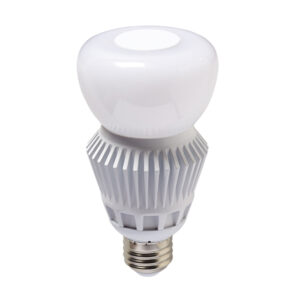
Incandescent bulbs, once the staple of residential and commercial lighting, are now considered inefficient due to their high energy consumption and short lifespan. American manufacturers have played a pivotal role in the transition to LED lighting, which offers superior energy efficiency, durability, and versatility. LEDs consume up to 75% less energy and last 25 times longer than traditional incandescent bulbs, making them a cost-effective choice for end-users.
Lighting contractors benefit from this transition by being able to provide clients with solutions that reduce operational costs and environmental impact. Moreover, the compact size and design flexibility of LEDs allow for innovative lighting designs that were previously unattainable. This has led to the emergence of smart lighting systems, which can be controlled remotely and programmed to adjust based on occupancy or time of day. Such advancements not only enhance user convenience but also contribute to energy savings, as lights can be dimmed or turned off when not needed.
The rise of smart lighting technology has also paved the way for integration with home automation systems, allowing for seamless control through smartphones or voice-activated devices. This interconnectedness reflects a growing trend toward smart homes and buildings, where lighting plays a crucial role in enhancing security, ambiance, and overall energy management. As manufacturers continue to innovate, the possibilities for custom lighting solutions expand, enabling contractors to create tailored environments that meet the specific needs of their clients while promoting sustainability and efficiency.
Key Scientific Principles Behind American Lighting Products
Understanding the science behind lighting products is essential for contractors who want to make informed recommendations. American manufacturers invest heavily in research and development to optimize light quality, efficiency, and safety. Several scientific principles underpin these innovations, including photometry, color science, and thermal management.
Photometry and Light Distribution
Photometry is the measurement of light in terms of its perceived brightness to the human eye. Lighting contractors must grasp concepts such as lumens, lux, and candela to evaluate product performance accurately. American manufacturers often provide detailed photometric data, which helps contractors design lighting layouts that maximize coverage and minimize glare.
Effective light distribution is achieved through advanced optics and reflector designs. These innovations ensure that light is directed precisely where it is needed, improving both functionality and energy efficiency. Contractors who understand these principles can optimize installations for various environments, from industrial warehouses to hospitality venues.
Color Science and Human-Centric Lighting
Color temperature and color rendering index (CRI) are critical factors in lighting quality. American manufacturers prioritize creating products with high CRI values to ensure colors appear natural and vibrant under artificial light. This is especially important in retail, healthcare, and art spaces where accurate color perception is vital.
Human-centric lighting, which adjusts color temperature and intensity to support circadian rhythms, is another area where American manufacturers excel. By mimicking natural daylight patterns, these lighting systems can enhance occupant well-being and productivity. Contractors knowledgeable in this science can offer solutions that go beyond illumination to improve overall quality of life.
Thermal Management and Product Longevity
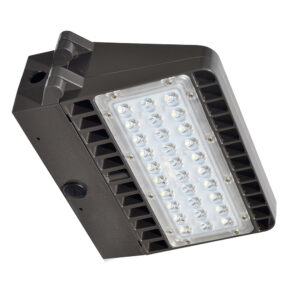
Heat dissipation is a critical factor affecting the lifespan and performance of lighting products. American manufacturers employ advanced thermal management techniques, such as heat sinks and innovative materials, to maintain optimal operating temperatures. This scientific approach ensures that LEDs and other components do not degrade prematurely.
For contractors, understanding thermal management helps in selecting fixtures suitable for specific environments, particularly those with high ambient temperatures or limited ventilation. Proper installation practices that support heat dissipation also contribute to product longevity and client satisfaction.
Regulatory Standards and Energy Efficiency in American Lighting
Compliance with regulatory standards is a non-negotiable aspect of lighting installations. American lighting manufacturers design products that meet or exceed federal and state regulations, including energy efficiency mandates and safety certifications. Lighting contractors must be familiar with these standards to ensure legal compliance and optimal system performance.
Energy Star and DLC Certifications
Energy Star and DesignLights Consortium (DLC) certifications are benchmarks for energy-efficient lighting products in the United States. Products bearing these certifications have undergone rigorous testing to verify their performance and efficiency. Contractors should prioritize these products when specifying lighting solutions, as they often qualify for utility rebates and incentives, reducing project costs for clients.
American manufacturers actively pursue these certifications, reflecting their commitment to sustainability and quality. For contractors, leveraging certified products enhances credibility and supports environmentally responsible practices.
Federal and State Lighting Regulations
Federal regulations, such as those enforced by the Department of Energy (DOE), set minimum efficiency standards for lighting products. Additionally, many states have adopted stricter codes that impact product selection and installation methods. Lighting contractors must stay informed about these evolving regulations to avoid compliance issues and potential penalties.
American manufacturers often provide detailed compliance documentation and technical support, assisting contractors in navigating regulatory complexities. This partnership between manufacturers and contractors ensures that lighting projects meet all legal requirements while optimizing performance.
Innovations and Trends Shaping the Future of American Lighting
The lighting industry is dynamic, with continuous innovations emerging from American manufacturers. Contractors who understand these trends can position themselves as industry leaders and offer clients the most advanced and effective lighting solutions.
Smart Lighting and IoT Integration
Smart lighting systems, integrated with the Internet of Things (IoT), represent a significant advancement in lighting technology. These systems allow for remote control, automation, and data analytics, enabling energy savings and enhanced user experiences. American manufacturers are at the forefront of developing interoperable smart lighting platforms compatible with building management systems.
For contractors, mastering smart lighting installation and programming opens new revenue streams and meets growing market demand for intelligent building solutions. Clients benefit from increased convenience, security, and operational efficiency.
Sustainable Materials and Circular Economy Initiatives
Environmental sustainability is a core focus of American lighting manufacturers. Beyond energy efficiency, there is an emphasis on using recyclable materials, reducing hazardous substances, and designing products for easy disassembly and reuse. These efforts align with circular economy principles, minimizing waste and environmental impact.
Lighting contractors can support sustainability goals by selecting products that embody these values and educating clients about the environmental benefits. This approach not only enhances brand reputation but also appeals to increasingly eco-conscious consumers and businesses.
Human-Centered and Adaptive Lighting Solutions
Advances in sensor technology and artificial intelligence enable adaptive lighting systems that respond to occupancy, daylight availability, and user preferences. American manufacturers are pioneering these solutions to create environments that promote health, comfort, and productivity.
Contractors equipped with knowledge of adaptive lighting can design and implement systems that dynamically adjust to changing conditions, delivering personalized lighting experiences. This capability is especially valuable in workplaces, educational institutions, and healthcare facilities.
Practical Considerations for Lighting Contractors Working with American Manufacturers
Partnering with American lighting manufacturers offers numerous advantages, but contractors must navigate certain practical considerations to maximize project success.
Product Selection and Specification Accuracy
Accurate product specification is fundamental to successful lighting projects. Contractors should leverage manufacturer resources such as specification sheets, photometric reports, and installation guides to ensure the right products are chosen for each application. Collaboration with manufacturer representatives can provide valuable insights and technical support.
Attention to detail during specification reduces the risk of costly errors, project delays, and performance issues. It also ensures compliance with client requirements and industry standards.
Installation Best Practices and Training
American manufacturers often offer training programs and certification for contractors, covering product installation, maintenance, and troubleshooting. Participating in these programs enhances technical competence and ensures adherence to best practices.
Proper installation is critical for achieving the intended performance and longevity of lighting systems. Contractors who invest in training can differentiate themselves in a competitive market and build long-term client trust.
After-Sales Support and Warranty Considerations
Reliable after-sales support is a hallmark of reputable American lighting manufacturers. Contractors should understand warranty terms and support services to provide clients with clear expectations and prompt issue resolution.
Strong manufacturer support reduces downtime and maintenance costs, contributing to client satisfaction and repeat business. Contractors who maintain good relationships with manufacturers can also access priority technical assistance and product updates.
Conclusion: Empowering Lighting Contractors Through Scientific Understanding
For lighting contractors, a deep understanding of the science behind American lighting manufacturing is more than an academic exercise—it is a practical necessity. From the evolution of lighting technologies to the intricacies of photometry, color science, and thermal management, these scientific principles underpin the products that contractors install every day.
By staying informed about regulatory standards, embracing innovations such as smart and sustainable lighting, and leveraging manufacturer partnerships, contractors can deliver superior solutions that meet client needs and industry demands. This knowledge empowers contractors to not only execute installations effectively but also to serve as trusted advisors in the rapidly evolving lighting landscape.
Ultimately, the synergy between scientific understanding and practical application enables lighting contractors to enhance their professional expertise, drive business growth, and contribute to a more energy-efficient and sustainable built environment.
Illuminate Your Projects with LumenWholesale
Ready to elevate your lighting installations with the science and innovation of American manufacturing? At LumenWholesale, we provide lighting contractors like you with spec-grade lighting products that embody the principles of efficiency, sustainability, and design flexibility discussed in this article. Our commitment to cutting out the middleman means you get the best value on wholesale lighting, with free shipping to make bulk buying straightforward and cost-effective. Don’t compromise on quality or price. Discover wholesale lighting at the best value today and light up your projects with confidence.