Understanding the Importance of Office Wall Lighting
In the realm of office design, lighting plays a crucial role in shaping the environment. Office wall lights are not merely functional; they contribute significantly to the aesthetic appeal and overall productivity of the workspace. Properly designed lighting can enhance mood, reduce eye strain, and improve focus among employees. Therefore, understanding the nuances of wall lighting is essential for lighting contractors aiming to deliver high-quality installations.
Moreover, the right lighting can transform an ordinary office into a vibrant and inviting space. It can highlight architectural features, create a sense of depth, and even influence the perceived size of a room. For contractors, mastering the art of office wall lighting can lead to satisfied clients and repeat business. The integration of innovative lighting solutions can also reflect a company’s brand identity, making the office not just a place of work but a representation of its values and culture.
Types of Office Wall Lights
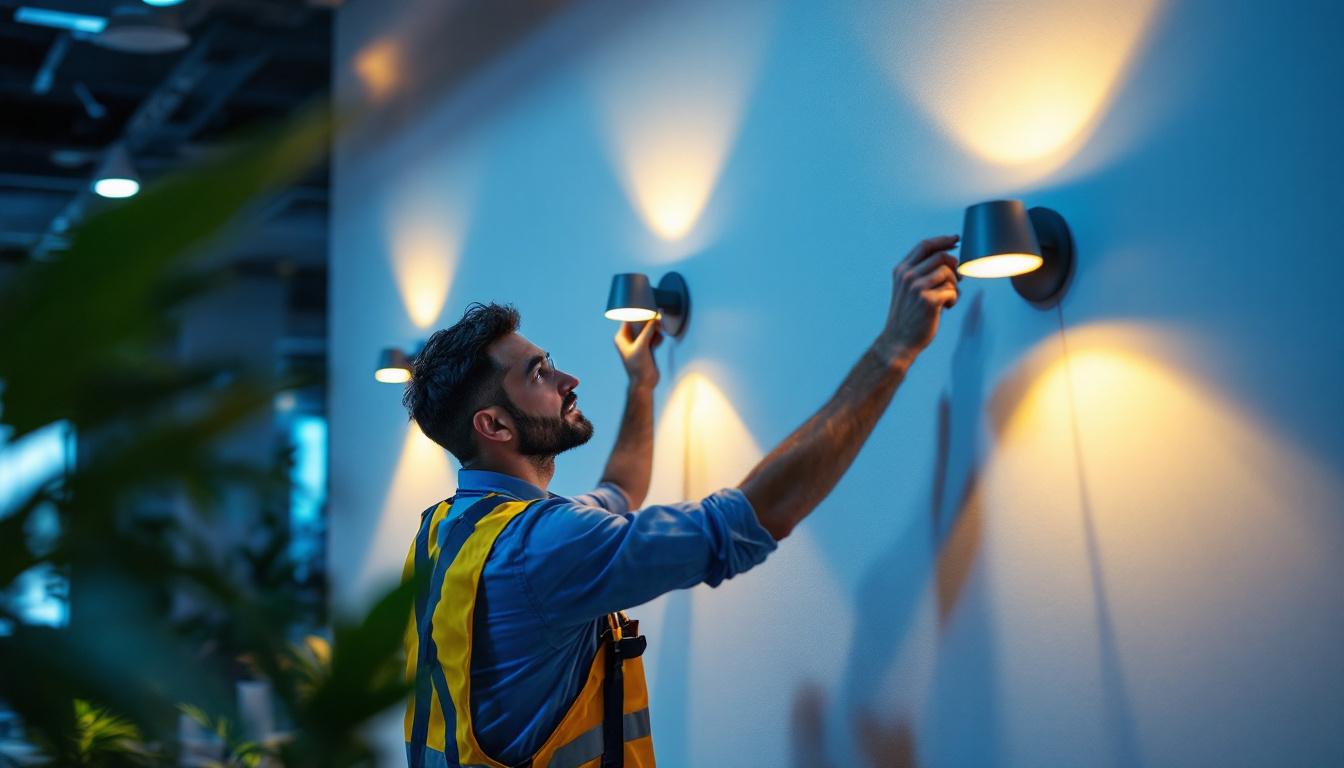
When it comes to office wall lights, there are several types to consider. Each type serves different purposes and can be selected based on the specific needs of the office environment. Some common types include:
- Wall Sconces: These fixtures are mounted on walls and can provide both ambient and task lighting. They are versatile and can be used in various settings.
- Wall Washers: Designed to illuminate walls, these fixtures can create a dramatic effect and highlight artwork or other features.
- Picture Lights: Ideal for illuminating artwork or photographs, these lights add a touch of elegance to any office space.
Understanding the different types of wall lights allows contractors to recommend the best options to their clients, ensuring that the lighting meets both functional and aesthetic needs. Additionally, the choice of light bulbs—whether LED, fluorescent, or incandescent—can greatly affect energy consumption and the quality of light emitted, making it essential for contractors to stay informed about the latest advancements in lighting technology.
Key Considerations for Lighting Design
Designing an effective lighting plan involves several critical considerations. Lighting contractors must take into account factors such as the size of the space, the color of the walls, and the activities that will take place in the office. For instance, brighter lights may be necessary in areas where detailed work is performed, while softer lighting can create a more relaxed atmosphere in communal areas.
Additionally, the placement of wall lights is vital. Fixtures should be positioned to minimize shadows and glare, which can lead to discomfort and reduced productivity. By carefully planning the layout and selecting the appropriate fixtures, contractors can create a harmonious lighting scheme that enhances the overall office experience. Furthermore, incorporating smart lighting solutions that allow for adjustable brightness and color temperature can empower employees to customize their work environment, fostering creativity and collaboration. This adaptability not only improves individual comfort but can also contribute to a more dynamic and engaged workplace culture.
Common Issues Faced by Lighting Contractors
Despite the importance of proper lighting, contractors often encounter various challenges during the installation process. Understanding these issues can help contractors avoid pitfalls and ensure a smoother project execution.
Inadequate Planning
One of the most common issues is inadequate planning. Without a comprehensive lighting design, contractors may find themselves scrambling to make adjustments on-site. This can lead to delays, increased costs, and ultimately, client dissatisfaction.
To avoid this, contractors should engage in thorough pre-installation planning. This includes conducting site visits, discussing client preferences, and creating detailed lighting layouts. By investing time in the planning phase, contractors can anticipate potential challenges and devise solutions in advance. Additionally, utilizing advanced software for lighting design can provide a visual representation of the project, allowing contractors to experiment with different configurations and lighting types before the actual installation. This proactive approach not only streamlines the process but also enhances the overall quality of the final outcome.
Miscommunication with Clients
Another prevalent issue is miscommunication with clients. Clients may have specific expectations regarding the lighting design, but if these are not clearly communicated, it can lead to misunderstandings and disappointment.
To mitigate this risk, contractors should establish open lines of communication with clients throughout the project. Regular updates, visual aids, and sample lighting options can help ensure that everyone is on the same page. By fostering a collaborative environment, contractors can build trust and enhance client satisfaction. Furthermore, it can be beneficial to create a shared project timeline that outlines key milestones and deliverables. This not only keeps clients informed but also allows them to provide timely feedback, ensuring that the project evolves in alignment with their vision. Incorporating a feedback loop can significantly improve the final result and strengthen the contractor-client relationship.
Best Practices for Successful Installations
Implementing best practices during installations can significantly reduce the likelihood of issues arising. Lighting contractors should adhere to several key principles to ensure successful outcomes.
Utilizing Quality Materials
The quality of materials used in lighting installations can greatly impact the final result. Contractors should prioritize high-quality fixtures and components that are durable and energy-efficient. Not only do quality materials enhance the aesthetic appeal, but they also reduce the need for frequent replacements, saving clients time and money in the long run.
Additionally, using energy-efficient lighting options can align with sustainability goals and reduce operational costs for clients. This is increasingly important in today’s environmentally-conscious market. For instance, selecting LED fixtures not only provides superior illumination but also significantly lowers energy consumption compared to traditional incandescent bulbs. This shift not only benefits the environment but also allows clients to enjoy lower utility bills, making it a win-win situation.
Staying Updated on Trends and Technologies
The lighting industry is constantly evolving, with new technologies and design trends emerging regularly. Contractors should stay informed about the latest advancements in lighting solutions, such as smart lighting systems and LED technology. By incorporating these innovations into their designs, contractors can offer clients cutting-edge solutions that enhance functionality and efficiency.
Moreover, understanding current trends can help contractors provide valuable insights to clients, positioning themselves as knowledgeable experts in the field. For example, the rise of smart home technology has led to an increased demand for integrated lighting systems that can be controlled via mobile apps or voice commands. By familiarizing themselves with these technologies, contractors can not only improve the user experience but also open up new avenues for upselling and service offerings, ensuring that they remain competitive in a rapidly changing market.
Addressing Client Concerns
Clients often have specific concerns when it comes to office wall lighting. Addressing these concerns proactively can lead to a more successful project and higher client satisfaction.
Energy Efficiency and Sustainability
With growing awareness of environmental issues, many clients prioritize energy efficiency and sustainability in their lighting choices. Contractors should be prepared to discuss the benefits of energy-efficient lighting options, such as LEDs, which consume less power and have a longer lifespan.
Providing clients with information on energy savings and potential rebates can further encourage them to invest in sustainable lighting solutions. By aligning with their values, contractors can foster stronger relationships with clients.
Maintenance and Longevity
Clients are often concerned about the maintenance and longevity of lighting fixtures. Contractors should be transparent about the expected lifespan of different types of lights and the maintenance required to keep them functioning optimally.
Offering maintenance services or providing clients with a maintenance schedule can alleviate concerns and demonstrate a commitment to long-term client satisfaction. This approach not only enhances the client experience but also opens up opportunities for ongoing business.
Enhancing Aesthetics with Office Wall Lights
Office wall lights are not just about functionality; they also play a significant role in enhancing the aesthetics of an office space. The right lighting can create a welcoming atmosphere that reflects the company’s brand and values.
Creating Ambiance
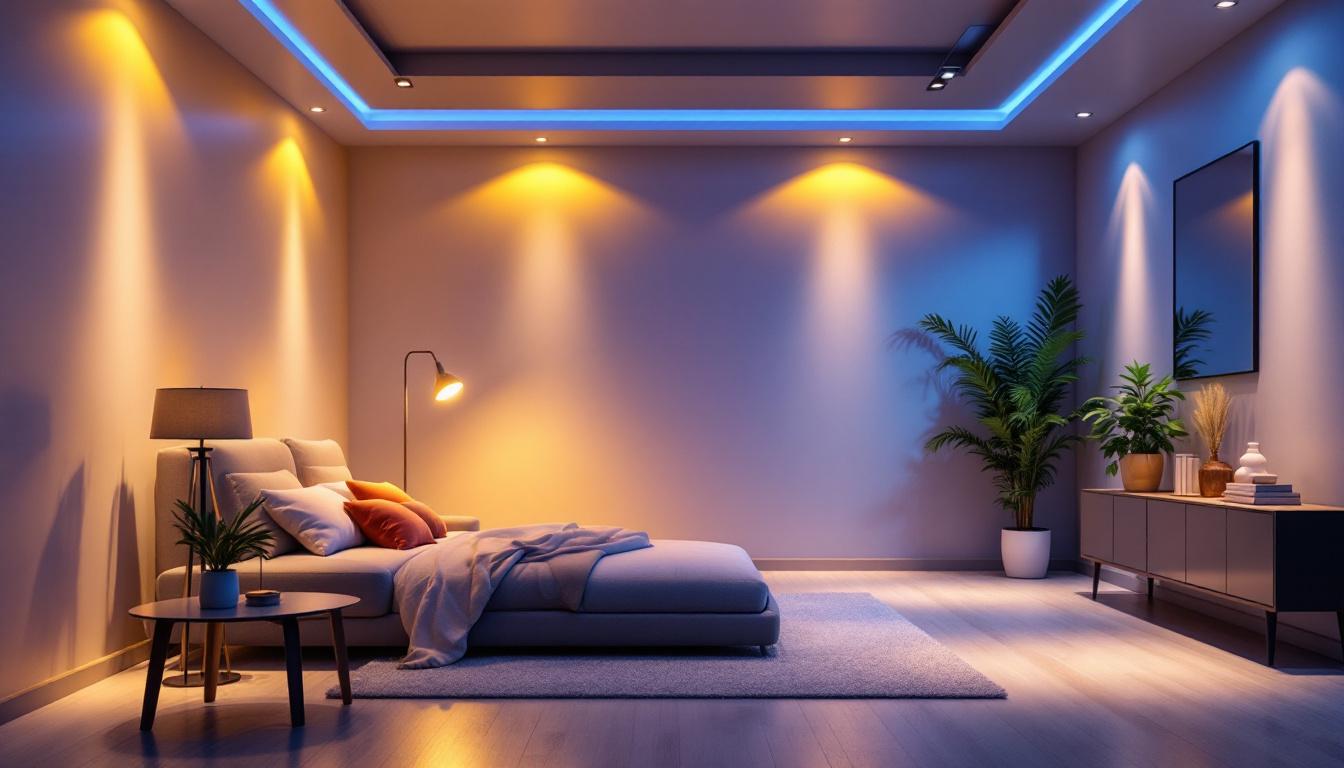
Lighting can dramatically influence the ambiance of an office. By using a combination of wall lights, contractors can create different zones within the workspace, each with its own unique atmosphere. For example, brighter lights in work areas can promote focus, while softer lighting in lounge areas can encourage relaxation and collaboration.
Moreover, wall lights can be used to highlight specific design elements, such as artwork or architectural features. This not only adds visual interest but also reinforces the overall design theme of the office.
Incorporating Color Temperature
The color temperature of lighting can also impact the mood and productivity of employees. Warmer color temperatures tend to create a cozy and inviting atmosphere, while cooler temperatures can enhance alertness and concentration.
Contractors should consider the intended use of each space when selecting color temperatures for wall lights. By strategically incorporating different color temperatures, contractors can create a dynamic and engaging office environment that caters to various activities.
Final Thoughts on Office Wall Lighting
Office wall lights are a vital component of any successful lighting design. For lighting contractors, understanding the intricacies of wall lighting can lead to enhanced client satisfaction and a reputation for excellence. By addressing common issues, adhering to best practices, and focusing on aesthetics, contractors can create lighting solutions that not only meet functional needs but also elevate the overall office experience.
As the demand for innovative and effective lighting solutions continues to grow, contractors who prioritize quality, communication, and design will undoubtedly stand out in the competitive landscape. By embracing these principles, lighting contractors can navigate the complexities of office wall lighting with confidence and skill.
Ultimately, the goal is to create spaces where employees feel inspired, comfortable, and productive. With the right approach to office wall lighting, contractors can contribute significantly to achieving this vision, ensuring that their clients’ offices are well-lit, inviting, and conducive to success.
Illuminate Your Projects with LumenWholesale
Ready to enhance your office wall lighting projects with top-tier, spec-grade solutions? Look no further than LumenWholesale. We provide lighting contractors with the highest quality products at unbeatable wholesale prices, ensuring your installations stand out for their reliability and performance. Say goodbye to middleman markups and hello to a vast selection of premium lighting options that meet the most rigorous industry standards. Plus, with free shipping on bulk orders, you can secure the best value without any hidden fees. Elevate your lighting game and make your next project shine with Wholesale Lighting at the Best Value from LumenWholesale.