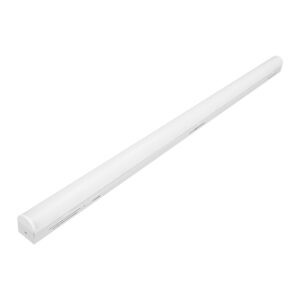
Understanding Wet Location LED Lighting
Wet location LED lighting refers to lighting fixtures specifically designed and rated to operate safely and effectively in environments exposed to water, moisture, or high humidity. These locations include outdoor spaces, industrial facilities, parking garages, swimming pools, and other areas where water exposure is frequent or unavoidable. For lighting contractors, understanding the nuances of wet location lighting is essential to ensure safety, compliance, and longevity of installations.
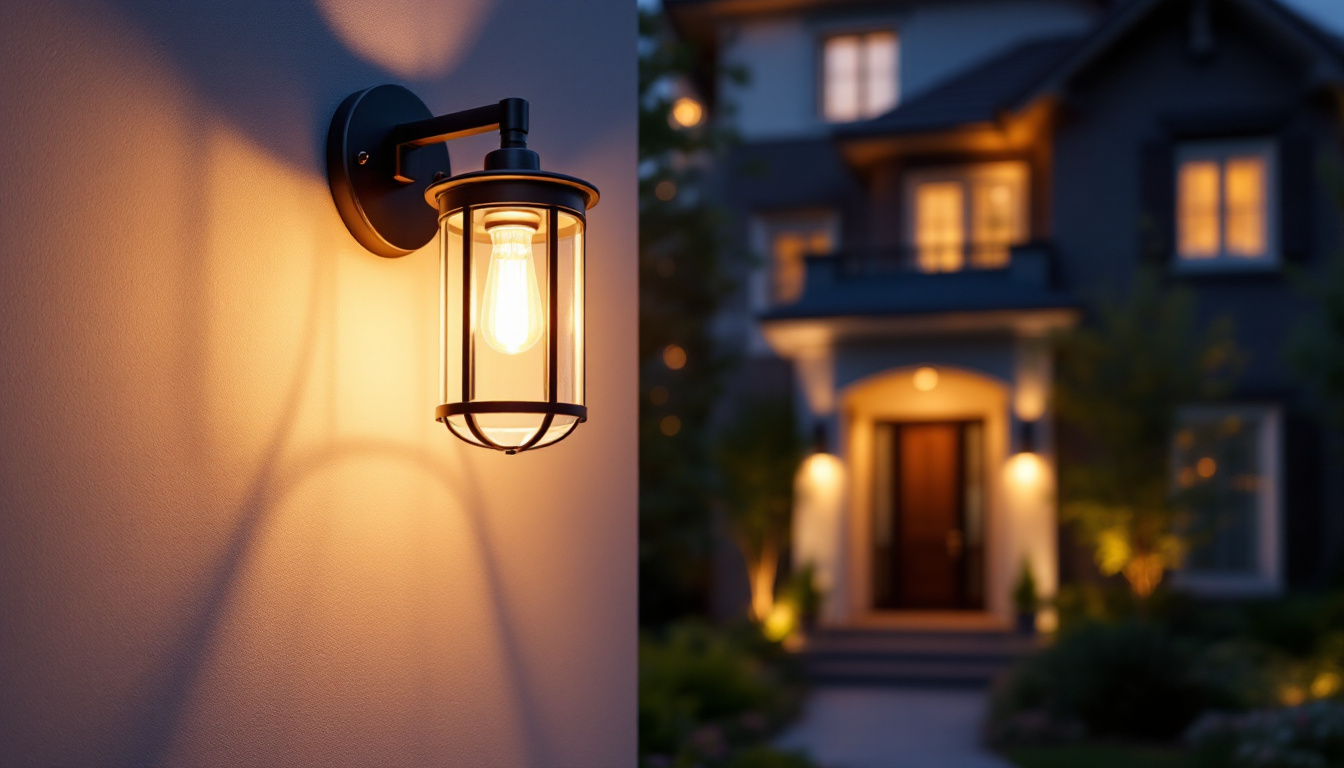
LED technology has revolutionized wet location lighting by offering energy-efficient, durable, and versatile solutions that outperform traditional lighting options. However, selecting the right fixtures and installation methods requires a clear grasp of relevant standards, environmental challenges, and cost implications. With the advancement of LED technology, fixtures are now available in various designs, including floodlights, wall packs, and recessed lights, allowing for greater flexibility in meeting specific project requirements.
Why Wet Location LED Lighting Matters
Lighting contractors must prioritize wet location LED lighting to meet safety codes such as the National Electrical Code (NEC) and to avoid costly liabilities. Wet-rated fixtures prevent electrical hazards, reduce maintenance demands, and enhance overall project quality. Moreover, the durability and efficiency of LED fixtures in wet environments can significantly reduce operational costs over time. These fixtures are typically constructed with corrosion-resistant materials and sealed to prevent moisture ingress, ensuring they can withstand harsh weather conditions and prolonged exposure to water.
In addition to safety and cost-effectiveness, wet location LED lighting also plays a crucial role in enhancing visibility and security in outdoor and industrial settings. Properly illuminated areas can deter criminal activity, improve safety for pedestrians and workers, and enhance the overall aesthetic appeal of a space. Furthermore, many modern LED fixtures come equipped with smart technology, allowing for remote control and monitoring, which can further optimize energy usage and maintenance scheduling. As cities and businesses continue to prioritize sustainability, the shift towards wet location LED lighting is becoming not just a necessity but a strategic advantage in creating safer and more efficient environments.
Key Cost Factors in Wet Location LED Lighting Projects
When planning wet location lighting installations, contractors face several cost variables that can impact the project budget and profitability. Understanding these factors helps in making informed decisions that balance upfront expenses with long-term savings.
Fixture Selection and Initial Investment
Wet location LED fixtures often come with higher initial costs compared to standard indoor fixtures due to their specialized construction and certifications. Features such as waterproof seals, corrosion-resistant materials, and enhanced thermal management contribute to these higher prices. However, investing in quality fixtures upfront can prevent premature failures and costly replacements.
Contractors should evaluate fixture specifications carefully, considering factors like IP ratings (Ingress Protection), UL wet location listings, and material durability. Selecting fixtures with appropriate ratings ensures compliance and reduces the risk of damage from environmental exposure.
Installation Complexity and Labor Costs
Installing wet location LED lighting can be more labor-intensive than standard lighting due to the need for waterproofing, secure mounting, and adherence to safety codes. For example, sealing conduit entries and ensuring proper drainage around fixtures can add time and complexity. Lighting contractors should factor in these additional labor requirements when estimating project costs.
Using modular or pre-assembled fixtures designed for wet environments can streamline installation and reduce labor hours. Additionally, training installation teams on best practices for wet location lighting can minimize errors and rework.
Maintenance and Lifecycle Expenses
One of the most significant cost-saving opportunities with wet location LED lighting lies in reduced maintenance and longer fixture lifespans. LEDs generally last significantly longer than traditional bulbs, and wet-rated fixtures are built to withstand harsh conditions, reducing the frequency of replacements and repairs.
Contractors can emphasize these lifecycle benefits to clients, highlighting how initial investments translate into lower total cost of ownership (TCO). Implementing routine inspections and cleaning schedules further extends fixture life and maintains optimal performance.
Strategies for Cost Savings in Wet Location LED Lighting
To maximize profitability and deliver value to clients, lighting contractors can adopt several strategies that optimize costs without compromising quality or safety.
Leverage Energy-Efficient LED Technology
Energy efficiency is a primary advantage of LED lighting. Wet location LED fixtures consume significantly less power than traditional lighting options such as metal halide or fluorescent lamps. This reduction in energy use directly translates into lower utility bills for clients, making LED installations highly attractive.
Contractors should specify LED fixtures with high luminous efficacy (lumens per watt) and consider integrating smart controls like motion sensors and daylight harvesting systems. These controls further reduce energy consumption by adjusting lighting levels based on occupancy and ambient light.
Choose Fixtures with High IP Ratings and Durable Materials
Investing in fixtures with high IP ratings (such as IP65 or above) ensures superior protection against water ingress and dust. Fixtures made from corrosion-resistant materials like stainless steel or polycarbonate housings are less prone to degradation in wet environments.
Though these fixtures may carry higher upfront costs, their durability minimizes replacement frequency and maintenance expenses, offering substantial savings over the long term.
Standardize Fixture Types and Streamline Inventory
Using a limited range of wet location LED fixtures across multiple projects can reduce procurement costs through bulk purchasing. Standardization also simplifies installation and maintenance, as technicians become familiar with the product line and spare parts management becomes more efficient.
Contractors should collaborate with suppliers to negotiate volume discounts and favorable warranty terms, enhancing project margins.
Implement Proper Installation Techniques
Ensuring correct installation practices is critical to maximizing fixture lifespan and performance. This includes proper sealing of electrical connections, using appropriate mounting hardware, and following manufacturer guidelines meticulously.
Investing in training for installation teams on wet location best practices reduces the risk of water damage and electrical failures, which can lead to costly callbacks and warranty claims.
Utilize Advanced Lighting Controls
Incorporating lighting controls such as timers, dimmers, and occupancy sensors in wet location LED lighting systems can yield significant energy savings. These controls prevent unnecessary operation of lighting, especially in areas like parking garages or outdoor walkways where lighting needs fluctuate.
Smart lighting systems can also provide data analytics, helping contractors and clients monitor energy usage and identify opportunities for further optimization.
Case Studies Highlighting Cost-Saving Approaches
Real-world examples illustrate how lighting contractors have successfully implemented cost-saving strategies in wet location LED lighting projects.
Parking Garage Retrofit Project
A lighting contractor undertook a retrofit of a multi-level parking garage, replacing outdated metal halide fixtures with wet location LED luminaires rated IP65. By selecting fixtures with integrated motion sensors and daylight harvesting, the project achieved a 60% reduction in energy consumption.
Standardizing on two fixture models simplified installation and maintenance, while the use of corrosion-resistant aluminum housings ensured durability in the humid environment. The client reported significant utility savings and reduced maintenance costs within the first year.
Outdoor Pool Area Installation
In an outdoor pool facility, the contractor selected wet location LED fixtures with high IP68 ratings to withstand direct water exposure. The fixtures featured tempered glass lenses and stainless steel mounting brackets to resist chemical corrosion from pool treatments.
Although the initial fixture cost was higher than standard outdoor lighting, the extended lifespan and minimal maintenance requirements resulted in a lower total cost of ownership over the project lifecycle.
Regulatory Compliance and Safety Considerations
Adhering to regulatory standards is non-negotiable in wet location LED lighting projects. Lighting contractors must ensure all fixtures meet the requirements set forth by authorities having jurisdiction (AHJs) and comply with the National Electrical Code (NEC) Article 410, which covers luminaires, lampholders, and lamps in wet locations.
Failure to comply can result in safety hazards, project delays, and financial penalties. Contractors should maintain thorough documentation of fixture certifications, installation procedures, and inspections to demonstrate compliance.
Understanding UL and IP Ratings
UL (Underwriters Laboratories) listing for wet locations confirms that a fixture has been tested for safe operation in wet environments. Similarly, IP ratings indicate the level of protection against solids and liquids, with the second digit specifically addressing water ingress.
Contractors should specify fixtures with appropriate UL wet location listings and IP ratings based on the project environment. For example, IP65 indicates protection against water jets, while IP68 is suitable for continuous immersion.
Electrical Safety and Grounding
Proper grounding and use of ground-fault circuit interrupters (GFCIs) are critical safety measures in wet location lighting installations. These precautions protect against electric shock and equipment damage.
Contractors should ensure wiring methods and materials are rated for wet locations and follow NEC guidelines for conduit and enclosure sealing to prevent moisture intrusion.
Future Trends and Innovations in Wet Location LED Lighting
Staying informed about emerging technologies and market trends enables lighting contractors to offer cutting-edge solutions that enhance cost efficiency and client satisfaction.
Integration of IoT and Smart Lighting
The Internet of Things (IoT) is transforming wet location lighting by enabling remote monitoring, predictive maintenance, and adaptive control. Smart wet location LED fixtures can communicate operational data, alerting contractors to potential issues before failures occur.
This proactive approach reduces downtime and maintenance costs, providing a competitive advantage in the marketplace.
Advancements in Materials and Coatings
Innovations in materials science are leading to more robust and lightweight fixture designs. New corrosion-resistant coatings and composite materials improve fixture longevity without significantly increasing costs.
Contractors should watch for these advancements to recommend the most durable and cost-effective options to clients.
Enhanced Thermal Management Solutions
Effective heat dissipation is crucial for LED performance and lifespan, especially in wet environments where moisture can exacerbate thermal challenges. Emerging thermal management technologies, such as advanced heat sinks and phase-change materials, help maintain optimal operating temperatures.
Incorporating fixtures with superior thermal design minimizes lumen depreciation and extends service life, contributing to long-term savings.
Conclusion: Maximizing Value in Wet Location LED Lighting Projects
For lighting contractors, mastering wet location LED lighting is a pathway to delivering safe, durable, and energy-efficient solutions that satisfy client needs while optimizing project profitability. By carefully selecting fixtures, adhering to installation best practices, and leveraging advanced technologies, contractors can reduce upfront and ongoing costs.
Emphasizing lifecycle savings, regulatory compliance, and innovative controls positions contractors as trusted partners in wet location lighting projects. Ultimately, a strategic approach to wet location LED lighting not only enhances safety and performance but also drives sustainable business growth.
Get Your Premium Wet Location LED Lighting at LumenWholesale
Ready to elevate your lighting projects with the best in wet location LED solutions? Look no further than LumenWholesale, where we specialize in providing contractors with high-quality, specification-grade lighting products at unbeatable wholesale prices. Say goodbye to local distributor markups and hello to our extensive selection that meets the highest industry standards for reliability and performance. With LumenWholesale, bulk buying is a breeze, thanks to our hassle-free process and free shipping. Don’t compromise on quality or price. Discover the value of wholesale lighting and make your next project shine with LumenWholesale.