In the realm of modern lighting solutions, ceiling lighting panels have emerged as a popular choice for both residential and commercial spaces. Their sleek design and energy efficiency make them an appealing option for many clients. However, lighting contractors must navigate a range of potential issues when working with these panels. Understanding these challenges and implementing proactive strategies can ensure successful installations and satisfied customers.
Understanding Ceiling Lighting Panels
Ceiling lighting panels, often referred to as flat panels or LED panels, are designed to provide uniform illumination while maintaining a low profile. They are typically installed in drop ceilings or can be mounted directly to ceilings, making them versatile for various applications. These panels come in different sizes, shapes, and color temperatures, allowing contractors to tailor solutions to specific project requirements. The adaptability of ceiling lighting panels makes them suitable for a wide range of environments, from commercial offices to residential spaces, ensuring that every area can benefit from optimal lighting.
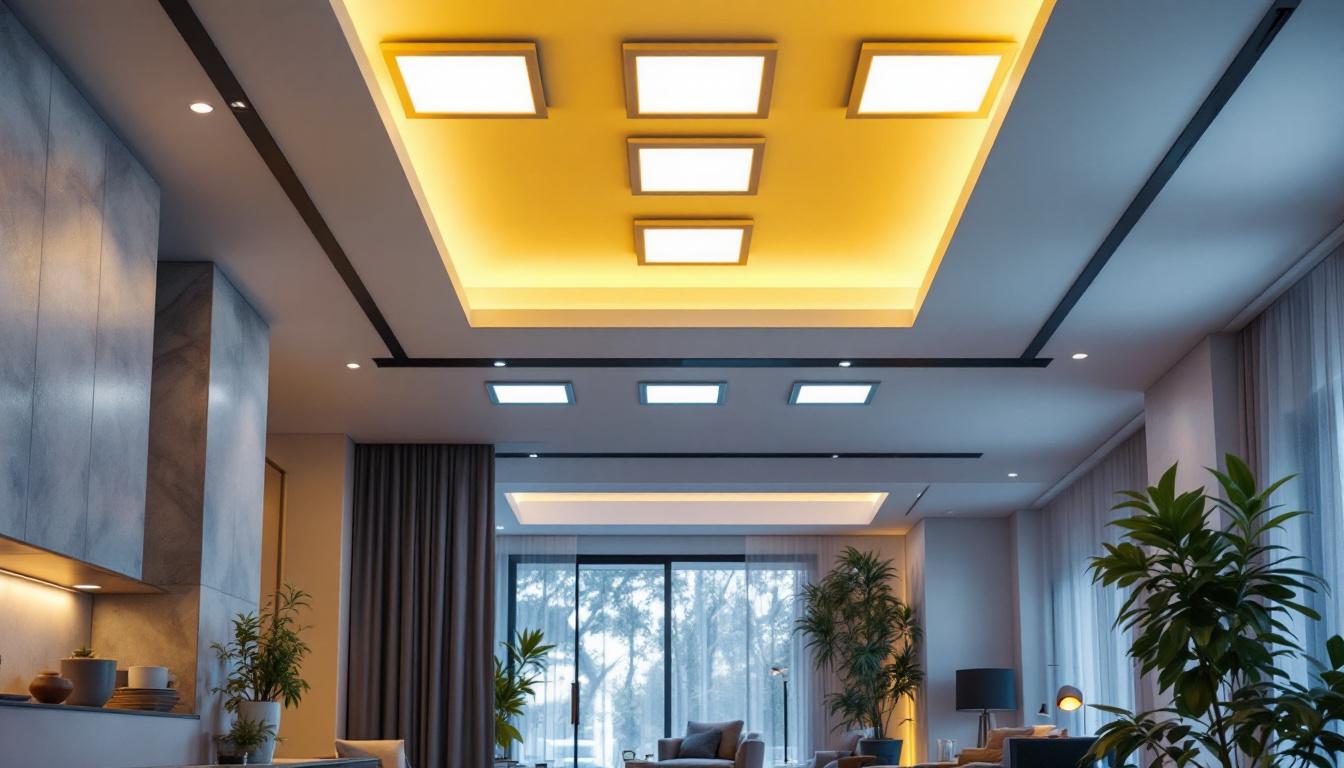
In addition to their functional benefits, ceiling lighting panels can also enhance the ambiance of a room. By selecting panels with adjustable color temperatures, users can create different moods depending on the time of day or the activity taking place. For instance, cooler temperatures can invigorate a workspace, while warmer tones can foster a cozy atmosphere in living areas. This versatility not only contributes to the aesthetic appeal of a space but also supports the well-being and productivity of its occupants.
Types of Ceiling Lighting Panels
There are several types of ceiling lighting panels available on the market, each with unique features and benefits. The most common types include:
- LED Panels: Known for their energy efficiency and longevity, LED panels are a popular choice for both new constructions and retrofits. Their low heat emission also contributes to a cooler environment, making them ideal for spaces that require consistent temperature control.
- Edge-Lit Panels: These panels use a light guide plate to distribute light evenly across the surface, creating a thin profile that is ideal for modern aesthetics. Their sleek design not only saves space but also allows for creative installation options, such as backlighting features that can enhance architectural details.
- Backlit Panels: Offering a more traditional lighting experience, backlit panels provide a uniform glow and are often used in settings where a softer light is desired. They are particularly effective in areas requiring a gentle ambiance, such as healthcare facilities or hospitality environments, where comfort is paramount.
Benefits of Using Ceiling Lighting Panels
Contractors and clients alike appreciate the numerous advantages these panels offer. Some key benefits include:
- Energy Efficiency: Many ceiling panels utilize LED technology, which significantly reduces energy consumption compared to traditional lighting solutions. This not only leads to lower utility bills but also supports sustainability efforts, making them an eco-friendly choice for modern buildings.
- Low Maintenance: With longer lifespans and fewer replacements needed, ceiling lighting panels can reduce maintenance costs over time. Additionally, their durable construction means they can withstand the wear and tear of high-traffic areas, further extending their usability.
- Design Flexibility: The sleek design of these panels allows for a seamless integration into various architectural styles, enhancing the overall aesthetic of a space. Whether in a contemporary office or a classic home, ceiling lighting panels can be customized to complement the existing decor, making them a preferred choice for designers and architects alike.
Moreover, the installation process for ceiling lighting panels has been streamlined, allowing for quick and efficient setup. Many panels come with easy-to-follow instructions and can be installed without the need for specialized tools, making them accessible for both professional contractors and DIY enthusiasts. This ease of installation not only saves time but also reduces labor costs, making ceiling lighting panels an economically viable option for a variety of projects.
Common Issues Faced by Lighting Contractors
While ceiling lighting panels offer numerous benefits, they are not without their challenges. Lighting contractors often encounter specific issues that can complicate installations and affect overall performance.
Installation Challenges
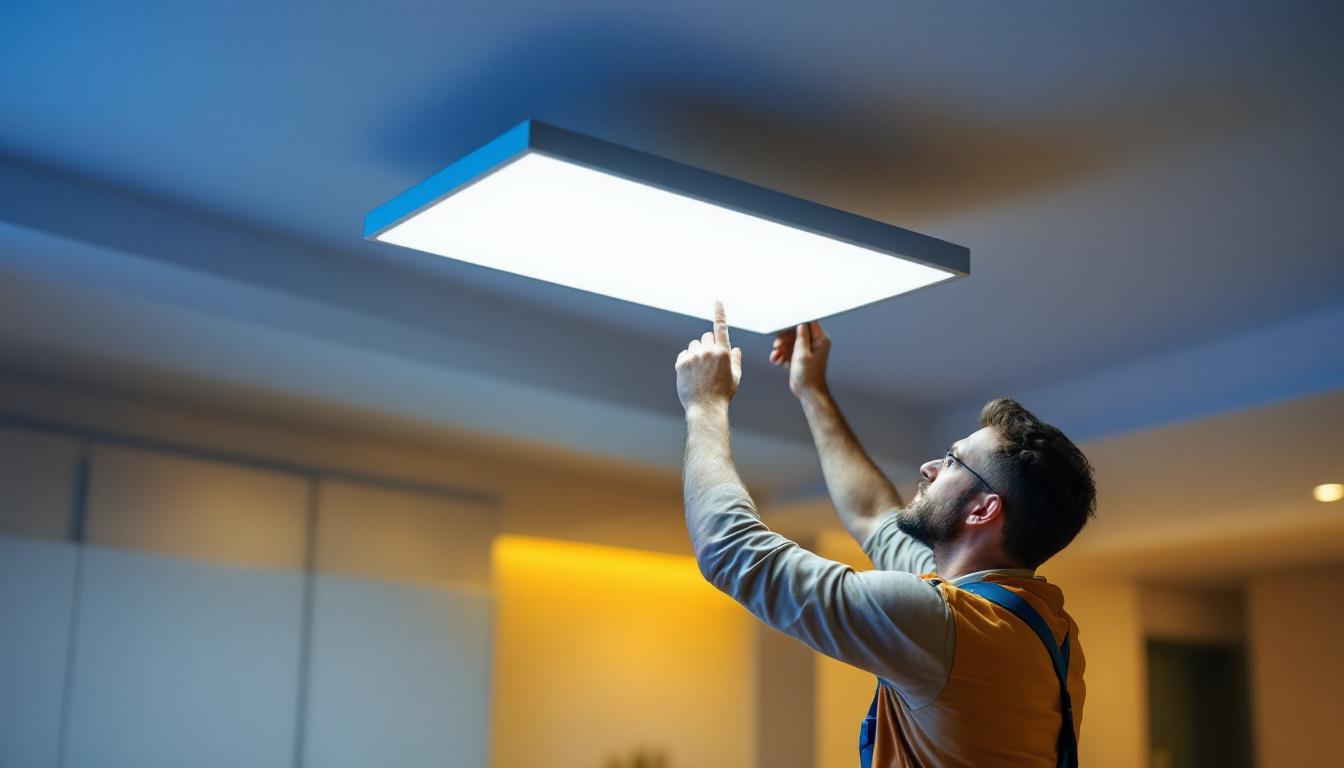
One of the primary concerns during installation is ensuring that the panels are properly aligned and secured. Misalignment can lead to uneven lighting and a less professional appearance. Additionally, contractors must consider the weight of the panels, especially in suspended ceiling systems, to avoid structural issues. The installation process often requires precise measurements and the use of specialized tools, which can add to the complexity of the job. Contractors may also need to account for the existing infrastructure, such as ductwork or plumbing, which can obstruct the optimal placement of the panels.
Another challenge is managing the electrical connections. Ensuring that the wiring is correctly configured and that the panels are compatible with existing electrical systems is crucial for preventing future malfunctions. This involves not only understanding the electrical load requirements but also adhering to local building codes and regulations. Additionally, troubleshooting potential electrical issues during the installation can be time-consuming, requiring contractors to have a strong grasp of electrical systems and problem-solving skills.
Performance Issues
Performance-related problems can arise if the panels are not installed correctly or if the wrong type of panel is selected for a specific application. For instance, using panels with insufficient lumens for a given space can lead to inadequate lighting, which can frustrate clients and diminish the overall quality of the installation. Moreover, the choice of panel can significantly impact energy efficiency; selecting panels that do not meet energy standards can lead to higher operational costs for clients, which may ultimately affect their satisfaction with the project.
Additionally, color temperature mismatches can create an undesirable atmosphere in a room. Contractors must be diligent in understanding the client’s preferences and selecting panels that align with those expectations. This includes discussing the psychological effects of different color temperatures, as warmer tones can create a cozy ambiance, while cooler tones may enhance productivity in workspaces. Educating clients on these nuances can help them appreciate the importance of thoughtful lighting design.
Client Expectations and Communication
Effective communication with clients is vital to ensure that expectations are met. Misunderstandings regarding the capabilities of ceiling lighting panels can lead to dissatisfaction. Contractors should take the time to explain the features and limitations of the products they recommend, helping clients make informed decisions. This includes discussing the long-term benefits of LED panels versus traditional lighting options, as well as the potential for smart lighting integration, which can provide clients with greater control over their lighting environment.
Furthermore, providing clients with detailed information about the installation process, timelines, and potential disruptions can foster trust and transparency. This proactive approach can mitigate issues that arise from unmet expectations. Regular updates during the installation process can also reassure clients that their project is progressing smoothly, and addressing any concerns promptly can further enhance the client-contractor relationship. By establishing clear lines of communication, contractors can not only improve client satisfaction but also pave the way for future referrals and repeat business.
Strategies for Avoiding Issues
To navigate the challenges associated with ceiling lighting panels effectively, lighting contractors can implement several strategies aimed at minimizing potential issues.
Thorough Site Assessments
Before commencing any project, conducting a thorough site assessment is essential. This evaluation should include an analysis of the existing electrical systems, ceiling structures, and the specific lighting needs of the space. By understanding the unique characteristics of the installation site, contractors can make informed decisions regarding panel selection and installation methods.
Additionally, assessing the layout of the space can help determine the optimal placement of panels to achieve even illumination and avoid dark spots.
Proper Training and Knowledge
Investing in training for installation teams can significantly reduce the likelihood of errors. Understanding the technical specifications of different ceiling lighting panels, as well as best practices for installation, can empower contractors to execute projects more efficiently and effectively.
Staying updated on industry trends and advancements in lighting technology can also provide contractors with a competitive edge. Knowledge about the latest products and techniques can enhance the quality of installations and improve client satisfaction.
Utilizing Quality Products
Choosing high-quality ceiling lighting panels from reputable manufacturers is crucial. While budget constraints may tempt contractors to opt for lower-cost options, the long-term implications of using inferior products can lead to performance issues and increased maintenance costs.
Contractors should prioritize products that come with warranties and certifications, ensuring that they meet industry standards for safety and performance. This commitment to quality not only enhances the reliability of installations but also builds trust with clients.
Post-Installation Considerations
Once the installation is complete, several factors should be addressed to ensure ongoing satisfaction and performance of ceiling lighting panels.
Regular Maintenance and Inspections
Implementing a regular maintenance schedule can help identify and address potential issues before they escalate. This includes checking electrical connections, cleaning the panels, and ensuring that they remain free from obstructions that could affect performance.
Encouraging clients to participate in maintenance can also foster a sense of ownership and responsibility for their lighting systems. Providing them with simple guidelines for upkeep can enhance the longevity of the panels and maintain their aesthetic appeal.
Client Education
Educating clients about the functionality of their ceiling lighting panels can empower them to make informed decisions regarding usage and maintenance. This education can cover topics such as adjusting brightness levels, understanding color temperature, and recognizing signs of wear or malfunction.
By fostering an understanding of how to maximize the benefits of their lighting systems, contractors can enhance client satisfaction and encourage repeat business.
Conclusion
Ceiling lighting panels present a modern and efficient solution for a variety of lighting needs. However, lighting contractors must be vigilant in navigating the potential challenges associated with their installation and performance. By conducting thorough site assessments, investing in training, utilizing quality products, and maintaining open communication with clients, contractors can mitigate issues and ensure successful outcomes.
Ultimately, a proactive approach to managing installations and client relationships will not only enhance the quality of work but also foster long-term partnerships in the ever-evolving landscape of lighting design.
Get Your Premium Ceiling Lighting Panels at LumenWholesale
Ready to elevate your lighting projects with the highest quality ceiling lighting panels? Look no further than LumenWholesale. Our spec-grade lighting products are designed to meet the rigorous demands of any installation, ensuring you deliver excellence to your clients every time. With unbeatable wholesale prices and the convenience of free shipping on bulk orders, you can trust LumenWholesale to provide the best value without compromising on quality. Don’t let inflated markups affect your bottom line. Choose LumenWholesale for a seamless purchase experience and equip yourself with reliable, high-performance lighting solutions. Wholesale Lighting at the Best Value is just a click away.