Understanding the Importance of Motion Sensor Lighting in Garage Spaces
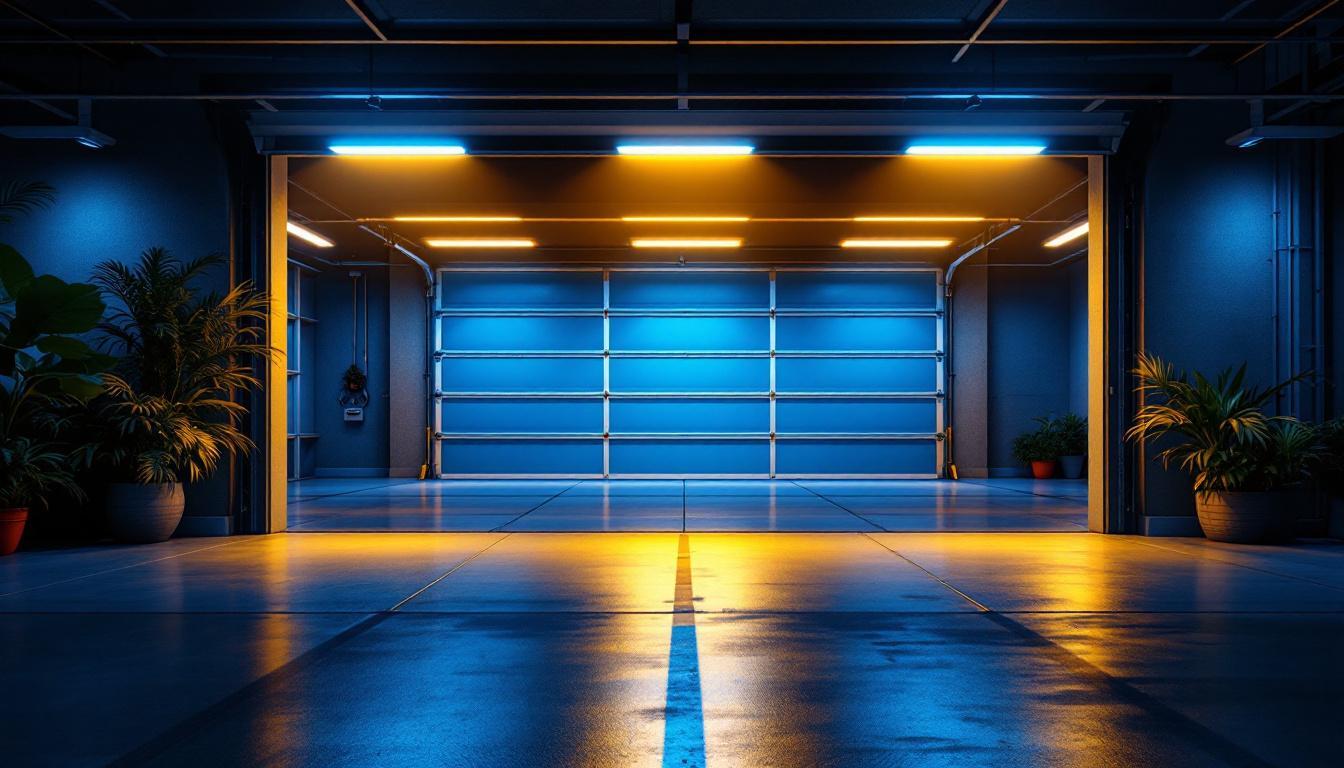
For lighting contractors, garage lighting represents a unique challenge and opportunity. Unlike typical residential or commercial spaces, garages require lighting solutions that balance security, convenience, and energy efficiency. Motion sensor lights have become a preferred choice in these environments, offering automatic illumination only when needed, which enhances safety while reducing unnecessary energy consumption.
Statistics from energy efficiency studies indicate that motion sensor lighting can reduce electricity use by up to 30% compared to traditional lighting systems. This is particularly relevant in garages, where lights are often left on unintentionally. For contractors, recommending and installing motion sensor lights not only meets client demands for smarter, more sustainable homes but also positions their services at the forefront of modern lighting technology.
Key Benefits of Motion Sensor Lights in Garages
Motion sensor lights in garages provide several advantages beyond energy savings. They improve security by deterring intruders; a sudden light triggered by movement can startle and discourage unauthorized access. Additionally, these lights enhance user convenience, especially when hands are full or when entering a dark space, eliminating the need to manually switch on lights.
From a contractor’s perspective, installing motion sensor lighting systems can lead to increased customer satisfaction and repeat business. Clients appreciate the blend of functionality and technology, particularly when integrated seamlessly with other smart home features. Moreover, the adaptability of motion sensor lights allows for customization in terms of sensitivity and timing, ensuring that they cater to the specific needs of each garage environment. This flexibility not only enhances the user experience but also allows contractors to tailor their solutions to different client preferences, whether it’s for a busy family garage or a more secluded workshop.
Furthermore, the installation of motion sensor lights can significantly enhance the overall aesthetic of a garage space. With various designs and styles available, contractors can offer options that complement the existing décor while providing practical benefits. For instance, sleek, modern fixtures can add a touch of sophistication, while more rugged designs can appeal to those who prioritize durability and functionality. As homeowners increasingly seek to create multi-functional spaces, the role of effective lighting becomes even more critical, making motion sensor solutions an essential component of contemporary garage design.
Choosing the Right Motion Sensor Lights for Garage Installations
Selecting the appropriate motion sensor lighting for garages requires careful consideration of various factors. Lighting contractors must evaluate the sensor type, light intensity, mounting options, and environmental conditions to ensure optimal performance.
Types of Motion Sensors
There are primarily three types of motion sensors used in lighting: passive infrared (PIR), ultrasonic, and microwave sensors. PIR sensors detect heat emitted by moving objects and are generally reliable for garage applications due to their accuracy and energy efficiency. Ultrasonic sensors emit sound waves and detect motion through the reflection of these waves, which can be more sensitive but sometimes prone to false triggers. Microwave sensors use electromagnetic waves and cover a larger detection area but may be more expensive and complex to install.
For most garage settings, PIR sensors strike the best balance between cost, reliability, and ease of installation. However, contractors should assess the specific layout and usage patterns of each garage before making a recommendation. For instance, garages that frequently accommodate vehicles may benefit from sensors with a wider detection range, while those used primarily for storage might prioritize sensitivity to smaller movements. Understanding the nuances of each garage’s use can significantly impact the effectiveness of the chosen motion sensor.
Light Intensity and Color Temperature
Garage lighting should be bright enough to provide clear visibility without causing glare or discomfort. A lumen output between 800 and 1,200 lumens per fixture is typically sufficient for standard garage spaces. Color temperature also plays a critical role; a neutral white light (around 4000K) is often preferred as it mimics daylight and enhances visibility without the harshness of cooler tones.
Contractors should advise clients on these specifications to ensure that the installed lighting meets both functional and aesthetic requirements. Offering options with adjustable brightness or color temperature can further enhance user satisfaction. Moreover, incorporating smart lighting systems that allow users to control their garage lights via smartphone apps or voice commands can add an extra layer of convenience and modernity, appealing to tech-savvy homeowners.
Durability and Environmental Considerations
Garages can be exposed to varying temperatures, humidity, dust, and even occasional water splashes. Therefore, motion sensor lights installed in these spaces must have appropriate ingress protection (IP) ratings to withstand such conditions. An IP rating of at least IP44 is recommended for garage interiors, while exterior garage lighting may require higher ratings such as IP65.
Additionally, contractors should select fixtures with robust housing materials such as aluminum or high-grade plastic to ensure longevity. Energy-efficient LED bulbs are preferred, as they offer longer life spans and reduced maintenance. It’s also worth considering the environmental impact of the lighting choices; opting for solar-powered motion sensor lights can be an eco-friendly alternative, especially for garages that receive ample sunlight. This not only reduces electricity costs but also aligns with sustainable practices, making it an attractive option for environmentally conscious clients.
Installation Best Practices for Garage Motion Sensor Lights
Proper installation is critical to maximizing the effectiveness of motion sensor lighting in garages. Lighting contractors must consider sensor placement, wiring, and integration with existing electrical systems to deliver reliable performance.
Optimal Sensor Placement
Positioning the motion sensor correctly is essential to avoid false triggers and ensure comprehensive coverage. Sensors should be mounted at a height between 6 and 10 feet, angled to cover the main entry points and common movement areas within the garage. Avoid placing sensors near heat sources, vents, or reflective surfaces that could interfere with detection accuracy.
For larger garages, multiple sensors may be necessary to cover blind spots. Contractors should conduct a thorough site assessment to determine the best sensor layout, considering doorways, windows, and vehicle parking spots.
Wiring and Power Considerations
Motion sensor lights can be powered through direct wiring to the building’s electrical system or via battery-operated units. Hardwired systems offer the advantage of continuous power and integration with other lighting controls but require professional installation to comply with electrical codes. Battery-powered lights provide flexibility and easier installation but may require periodic battery replacement, which can be a maintenance concern for clients.
Contractors should evaluate the client’s preferences, garage layout, and budget when deciding on the power source. In some cases, hybrid solutions combining hardwired fixtures with battery-operated sensors can offer the best balance of performance and convenience.
Integration with Smart Home Systems
As smart home technology becomes increasingly prevalent, integrating garage motion sensor lights with home automation systems can add significant value. Systems that allow remote control, scheduling, and real-time alerts enhance security and user convenience. Lighting contractors should familiarize themselves with popular smart platforms and recommend compatible motion sensor lighting solutions.
Providing clients with options for voice control or smartphone app management can differentiate a contractor’s service offering and align with modern consumer expectations.
Common Challenges and Troubleshooting Tips
While motion sensor lighting offers many benefits, contractors may encounter challenges during installation or operation. Understanding common issues and their solutions is crucial for maintaining client satisfaction and reducing service calls.
False Triggers and Sensitivity Adjustments
False triggers caused by pets, moving shadows, or environmental factors can frustrate users. To mitigate this, contractors should select sensors with adjustable sensitivity settings and educate clients on proper use. Positioning sensors away from sources of interference and using sensors with pet immunity features can also reduce false activations.
Sensor Range and Coverage Problems
Inadequate sensor coverage can lead to dark spots or failure to detect movement. Contractors should verify the manufacturer’s specified detection range and test the installation thoroughly. Using multiple sensors or upgrading to models with wider detection angles can resolve coverage issues.
Light Flickering or Failure to Activate
Electrical issues such as loose wiring, incompatible bulbs, or power surges can cause flickering or failure to activate. Contractors should ensure all connections are secure, use LED-compatible sensors and bulbs, and recommend surge protection where necessary. Regular maintenance checks can help identify and prevent these problems.
Enhancing Client Value with Motion Sensor Garage Lighting
Beyond installation, lighting contractors can enhance client satisfaction and grow their business by offering additional services and advice related to motion sensor garage lighting.
Maintenance and Support Services
Offering periodic maintenance services, including sensor calibration, cleaning, and battery replacement, helps ensure long-term system reliability. Providing clients with clear instructions and support options fosters trust and encourages referrals.
Energy Efficiency Consulting
Contractors can position themselves as energy efficiency experts by advising clients on comprehensive lighting upgrades, including motion sensor integration, LED retrofits, and smart controls. Demonstrating potential cost savings and environmental benefits adds value to the contractor-client relationship.
Customized Lighting Solutions
Every garage has unique requirements. Contractors who take the time to design tailored lighting solutions—considering client habits, garage size, and security needs—will stand out in a competitive market. Offering a range of product options and integration capabilities allows clients to choose solutions that best fit their lifestyle and budget.
Conclusion
Garage motion sensor lights represent a smart, efficient, and increasingly popular lighting solution. For lighting contractors, mastering the selection, installation, and maintenance of these systems is essential to meeting modern client expectations and advancing their professional expertise. By understanding the technical nuances, environmental considerations, and integration possibilities, contractors can deliver superior results that enhance safety, convenience, and energy efficiency in garage spaces.
Staying informed about the latest sensor technologies and lighting trends, coupled with a commitment to quality workmanship, will position lighting contractors as trusted advisors in the evolving landscape of residential and commercial lighting solutions.
Get Your Premium Garage Motion Sensor Lights at LumenWholesale
Ready to elevate your lighting projects with the latest in garage motion sensor technology? Look no further than LumenWholesale for the highest quality, spec-grade lighting products at unbeatable wholesale prices. Say goodbye to inflated markups and hello to superior lighting solutions that meet the highest industry standards. With LumenWholesale, bulk buying is a breeze, and with free shipping, you can ensure your projects shine with premium lighting at the best value — all without hidden fees or compromises. Don’t miss out on the perfect blend of quality, affordability, and convenience. Visit Wholesale Lighting at the Best Value today and make your next installation a resounding success.