Lighting plays a crucial role in the aesthetics and functionality of any kitchen. For lighting contractors, understanding the benefits of kitchen ceiling recessed lights can significantly enhance their proposals and increase their chances of winning bids. This article explores how recessed lighting can transform kitchen spaces, the advantages it offers, and how contractors can leverage this knowledge to stand out in a competitive market.
Understanding Kitchen Ceiling Recessed Lights
Recessed lighting, often referred to as can lights or pot lights, is a popular choice for modern kitchens. These fixtures are installed into the ceiling, creating a clean and unobtrusive look. Unlike traditional light fixtures that hang down, recessed lights provide a streamlined appearance, making them ideal for contemporary kitchen designs. This minimalist aesthetic not only enhances the visual appeal of the space but also allows for greater flexibility in kitchen layout and design, as there are no dangling cords or bulky fixtures to navigate around.
The versatility of recessed lighting allows it to serve multiple purposes. It can be used for general illumination, task lighting, or even accent lighting, depending on the placement and type of bulbs used. This adaptability is one of the key selling points that contractors can emphasize when pitching to potential clients. For example, strategically placed recessed lights can illuminate work areas like countertops and islands, ensuring that food preparation is safe and efficient. Additionally, using dimmable recessed lights can create an inviting atmosphere for entertaining guests, allowing homeowners to adjust the ambiance to suit their needs.
Types of Recessed Lights
There are various types of recessed lights available, each suited for different applications. For instance, adjustable or swivel recessed lights can be directed towards specific areas, making them perfect for highlighting artwork or architectural features. On the other hand, fixed recessed lights provide a more uniform light spread, ideal for general kitchen illumination. It’s also worth noting that some recessed lights come with a trim that can enhance the overall aesthetic, available in various finishes such as brushed nickel, white, or black, allowing homeowners to match their lighting to their kitchen decor seamlessly.
Moreover, contractors can choose between different bulb types, including LED, incandescent, and fluorescent. LED bulbs, in particular, have gained popularity due to their energy efficiency and longevity. By educating clients on the benefits of each type, contractors can position themselves as knowledgeable experts, thereby increasing their chances of winning bids. Additionally, the color temperature of the bulbs can significantly impact the kitchen’s atmosphere; for instance, warmer tones can create a cozy environment, while cooler tones can enhance the brightness and clarity of the space. This attention to detail not only improves functionality but also elevates the overall design of the kitchen, making it a more enjoyable place for families to gather and create lasting memories.
The Benefits of Recessed Lighting in Kitchens
Incorporating recessed lighting into kitchen designs offers numerous benefits that contractors can highlight in their proposals. These advantages not only enhance the kitchen’s functionality but also improve its overall aesthetic appeal.
Enhanced Aesthetics
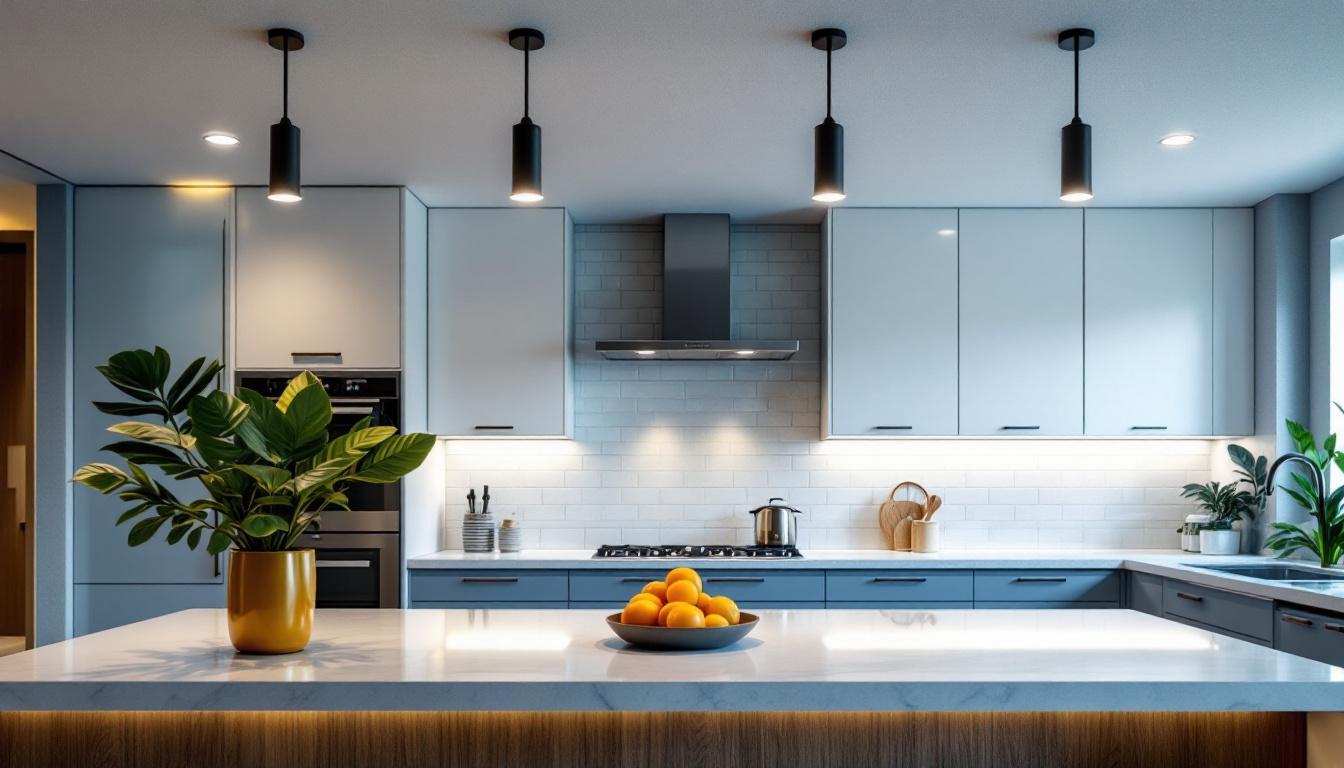
Recessed lights provide a sleek and modern look that can elevate the design of any kitchen. By installing these lights strategically, contractors can create a visually appealing atmosphere that draws attention to key features such as countertops, cabinetry, and appliances. This ability to enhance the kitchen’s appearance can be a significant selling point for homeowners looking to upgrade their space.
Additionally, the use of dimmable recessed lights allows homeowners to adjust the ambiance according to their needs. Whether preparing a meal or hosting a dinner party, the ability to control lighting levels can transform the kitchen into a multifunctional space. The versatility of recessed lighting extends beyond just aesthetics; it can also complement various design styles, from contemporary to rustic, ensuring that every homeowner can find a suitable fit for their personal taste.
Furthermore, the integration of color temperature options in recessed lighting can add another layer of sophistication. Warmer tones can create a cozy, inviting environment perfect for family gatherings, while cooler tones can enhance focus during meal prep. This adaptability not only caters to the homeowner’s preferences but also allows for seasonal adjustments, making the kitchen a year-round gathering place.
Improved Functionality
Functionality is a primary concern for many homeowners when it comes to kitchen design. Recessed lighting can provide ample illumination for various tasks, such as cooking, cleaning, and food preparation. By strategically placing these lights over work areas, contractors can ensure that homeowners have the visibility they need to perform tasks safely and efficiently.
Moreover, recessed lights can help eliminate shadows and dark corners, creating a more inviting and usable space. This improvement in functionality can be a compelling argument for contractors when discussing the benefits of recessed lighting with potential clients. In addition to task lighting, recessed fixtures can be used to highlight specific areas, such as a beautiful backsplash or a unique piece of art, further enhancing the kitchen’s overall functionality and appeal.
Another significant advantage of recessed lighting is its ability to integrate seamlessly with smart home technology. Homeowners can control their lighting remotely or set schedules for when lights should turn on or off, adding an extra layer of convenience to their daily routines. This technological integration not only modernizes the kitchen but also offers energy efficiency, as homeowners can optimize their lighting usage based on their habits and preferences. By presenting these high-tech options, contractors can appeal to a tech-savvy audience looking to create a contemporary and efficient kitchen space.
Energy Efficiency and Cost Savings
In today’s environmentally conscious market, energy efficiency is a significant factor for many homeowners. Recessed lights, particularly those using LED technology, consume less energy compared to traditional lighting options. This energy efficiency not only benefits the environment but also translates into cost savings on electricity bills.
Longer Lifespan of Bulbs
LED recessed lights have an impressive lifespan, often lasting up to 25,000 hours or more. This longevity means that homeowners will spend less time and money on bulb replacements, making recessed lighting a more economical choice in the long run. Contractors can emphasize this aspect when presenting bids, showcasing the long-term benefits of investing in recessed lighting.
Increased Home Value
Upgrading to energy-efficient recessed lighting can also increase a home’s value. Potential buyers are often attracted to homes that feature modern and efficient lighting solutions. By incorporating recessed lights into their proposals, contractors can help homeowners enhance their property’s appeal, making it a worthwhile investment.
Installation Considerations for Lighting Contractors
While the benefits of recessed lighting are clear, contractors must also consider the installation process. Proper installation is crucial to ensure that the lights function effectively and safely. Understanding the technical aspects of recessed lighting can set contractors apart from their competitors.
Choosing the Right Placement
The placement of recessed lights is critical for achieving optimal lighting. Contractors need to assess the kitchen layout and determine the best locations for the lights to ensure even illumination. Key areas to consider include above countertops, islands, and workspaces.
Additionally, spacing is essential. A general rule of thumb is to place recessed lights approximately 4 to 6 feet apart, depending on the wattage of the bulbs used. By demonstrating expertise in placement and spacing, contractors can instill confidence in potential clients.
Understanding Ceiling Height and Type
Ceiling height and type can also influence the choice of recessed lighting fixtures. For instance, lower ceilings may require shallow cans to prevent the lights from feeling cramped. Conversely, higher ceilings may benefit from deeper fixtures that can provide adequate illumination.
Contractors should also consider the type of ceiling—whether it’s drywall, plaster, or a drop ceiling—as this can affect installation techniques. By being knowledgeable about these factors, contractors can provide tailored solutions that meet the specific needs of each project.
Marketing Recessed Lighting to Clients
Once contractors understand the benefits and installation considerations of recessed lighting, the next step is effectively marketing these features to potential clients. A well-crafted proposal can make all the difference in winning bids.
Creating Compelling Proposals
When preparing proposals, contractors should highlight the advantages of recessed lighting in a clear and concise manner. Using visuals, such as images of previous projects or design mock-ups, can help clients visualize the potential transformation of their kitchen.
Additionally, including testimonials from satisfied clients can add credibility to the proposal. Positive feedback can reassure potential clients of the contractor’s expertise and the quality of their work, making them more likely to choose that contractor for their project.
Utilizing Social Media and Online Platforms
In the digital age, having an online presence is essential for any contractor. Utilizing social media platforms to showcase completed projects can attract potential clients and generate interest in recessed lighting solutions. Engaging content, such as before-and-after photos or video walkthroughs, can effectively demonstrate the impact of recessed lighting in kitchen designs.
Moreover, maintaining an informative blog or website can position contractors as industry experts. Sharing insights about the benefits of recessed lighting, installation tips, and design trends can establish trust with potential clients and encourage them to reach out for services.
Conclusion
Kitchen ceiling recessed lights offer numerous advantages that can help lighting contractors win more bids. By understanding the various types of recessed lights, their benefits, and the installation considerations, contractors can present compelling proposals that resonate with homeowners. Furthermore, effective marketing strategies, including creating engaging proposals and leveraging online platforms, can enhance visibility and attract potential clients.
As the demand for modern kitchen designs continues to grow, incorporating recessed lighting into proposals can set contractors apart in a competitive marketplace. By positioning themselves as knowledgeable experts in recessed lighting, contractors can not only win more bids but also contribute to the creation of beautiful and functional kitchen spaces.
Get Your Premium Recessed Lighting at LumenWholesale
Ready to elevate your lighting game and win more bids with the sleek appeal of recessed lighting? Look no further than LumenWholesale for all your lighting needs. Our extensive selection of spec-grade, top-quality recessed lights is available at unbeatable wholesale prices, giving you the competitive edge you need. Say goodbye to local distributor markups and hello to superior products, free shipping, and the best value for your investment. Don’t compromise on quality or affordability. Explore our wholesale lighting options today and bring your kitchen designs to life with LumenWholesale.