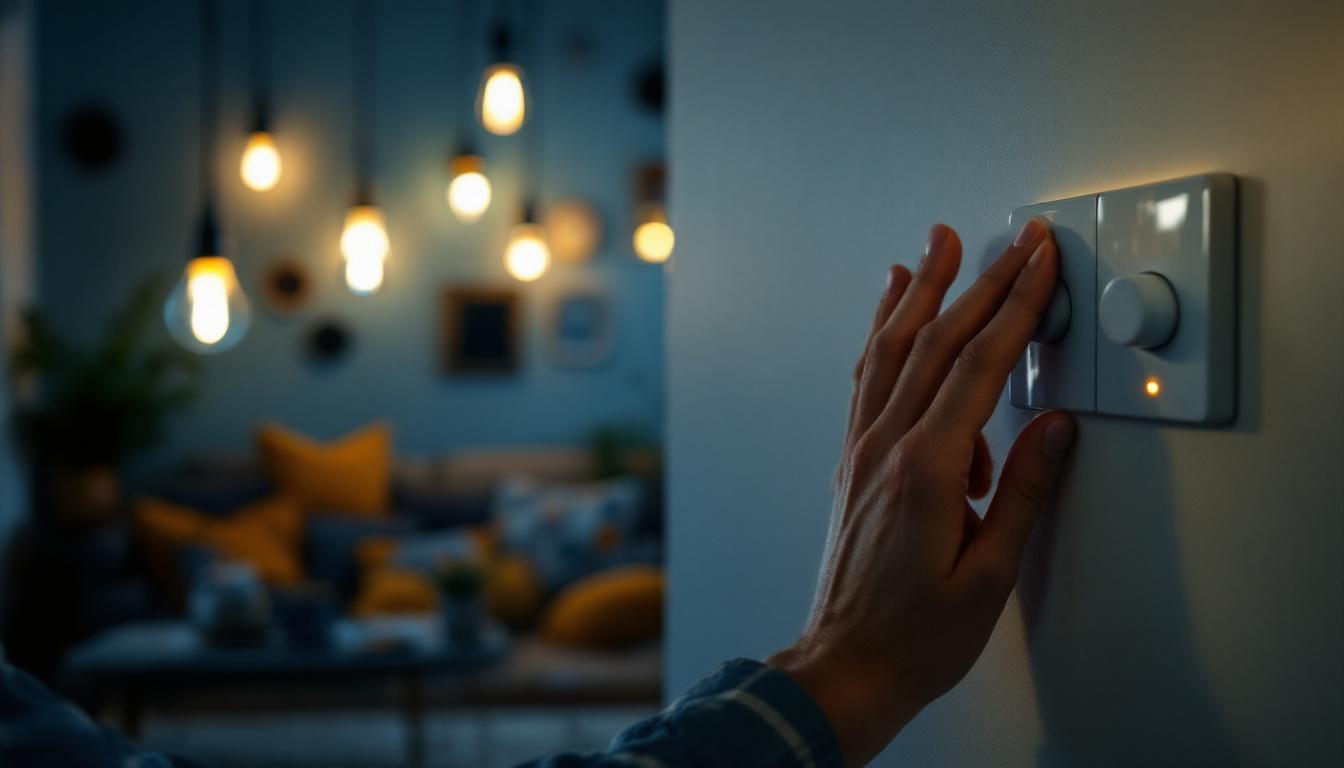
As energy efficiency continues to be a priority for both residential and commercial spaces, lighting contractors are often asked about the benefits of dimming lights. The question of whether dimming lights can save energy is not just a matter of preference; it has significant implications for sustainability and cost-effectiveness. This article delves into the science behind dimming lights, its benefits, and practical tips for lighting contractors to share with their clients.
The Science of Dimming Lights
Dimming lights involves reducing the power supplied to a light fixture, which can lead to lower energy consumption. This process is not merely about adjusting brightness; it affects how light interacts with the environment and the efficiency of the lighting system.
Understanding Light Output and Power Consumption
When lights are dimmed, the output of lumens decreases, which directly correlates to a reduction in wattage. For example, a 100-watt incandescent bulb operating at 50% output consumes approximately 50 watts. This reduction in power consumption can lead to significant energy savings over time, especially in spaces where lighting is used extensively.
In the case of LED and fluorescent lights, the savings can be even more pronounced. These types of bulbs are designed to be more efficient than traditional incandescent bulbs, and dimming them can further enhance their energy-saving capabilities. Lighting contractors should educate clients on the potential for these savings, especially in environments that require adjustable lighting levels. Additionally, the ability to customize lighting can create a more inviting atmosphere, influencing mood and productivity in spaces like offices, restaurants, and homes.
Impact on Lifespan of Lighting Fixtures
Dimming not only saves energy but can also extend the lifespan of lighting fixtures. By reducing the voltage and current flowing through the bulb, wear and tear are minimized, leading to fewer replacements and reduced maintenance costs. For contractors, this is an essential selling point when discussing lighting solutions with clients.
Moreover, the longevity of lighting fixtures can significantly affect the total cost of ownership. Clients may appreciate the long-term savings associated with investing in dimmable lighting systems, making it a win-win situation for both parties. In addition to financial benefits, dimming lights can also enhance the aesthetic quality of a space. By allowing for varied lighting levels, designers can create focal points, highlight architectural features, and set the desired ambiance for different activities, from intimate gatherings to lively events. This versatility not only satisfies functional needs but also elevates the overall experience of the environment.
Benefits of Dimming Lights
The advantages of dimming lights extend beyond mere energy savings. They encompass a range of benefits that can enhance the overall atmosphere of a space and improve user experience.
Enhanced Ambiance and Comfort
One of the most immediate benefits of dimming lights is the ability to create a more inviting and comfortable atmosphere. Different activities require different lighting levels, and dimmable fixtures allow for flexibility to adjust the ambiance accordingly. For instance, a bright setting may be ideal for workspaces, while softer lighting can enhance relaxation in living areas.
Lighting contractors can help clients understand how to use dimmers to create a mood that aligns with the purpose of each room. This not only improves the aesthetic appeal of a space but also contributes to the well-being of its occupants. Additionally, research has shown that the right lighting can influence mood and productivity. For example, warmer tones can promote a sense of calm, while cooler tones may enhance alertness, making it essential to choose the right dimming options for various activities.
Improved Control and Customization
Dimming lights provide users with greater control over their environment. This customization allows individuals to tailor lighting to their specific needs, whether that involves brightening a room for a family gathering or dimming it for movie night. Such versatility can be particularly beneficial in multi-purpose spaces.
Contractors should emphasize the importance of selecting the right dimming technology, as not all dimmers are compatible with every type of light bulb. Educating clients on the various options available can ensure they make informed decisions that enhance their lighting experience. Moreover, advanced smart dimming systems can integrate with home automation technologies, allowing users to control lighting via smartphones or voice commands, further enhancing convenience and personalization.
Environmental Impact
As the world becomes increasingly focused on sustainability, the environmental benefits of dimming lights cannot be overlooked. By reducing energy consumption, dimming contributes to lower greenhouse gas emissions and a smaller carbon footprint. This is an essential consideration for clients who prioritize eco-friendly practices.
Lighting contractors can play a pivotal role in promoting energy-efficient solutions that align with environmental goals. By advocating for dimmable lighting systems, they can help clients make choices that benefit both their wallets and the planet. Furthermore, dimming technology often extends the lifespan of light bulbs, reducing waste and the frequency of replacements. This not only saves money in the long run but also minimizes the environmental impact associated with manufacturing and disposing of lighting products.
Practical Tips for Lighting Contractors
To effectively communicate the benefits of dimming lights to clients, lighting contractors should equip themselves with practical tips and strategies. These insights can help facilitate discussions and encourage clients to consider dimmable lighting solutions.
Assessing Client Needs
Before recommending dimmable lighting, it is crucial to assess the specific needs and preferences of the client. Understanding the intended use of each space will enable contractors to suggest appropriate solutions. For example, a home theater may require different lighting than a kitchen or office.
Engaging in a thorough consultation can uncover the client’s lifestyle and how lighting plays a role in their daily activities. This personalized approach not only builds trust but also ensures that the recommended solutions are tailored to their unique requirements. Additionally, it’s beneficial to discuss the ambiance the client wishes to create. For instance, softer, warmer lighting may be preferred in living areas for relaxation, while brighter, cooler lighting might be more suitable for workspaces to enhance focus and productivity.
Educating Clients on Dimming Technology
There are various dimming technologies available, including trailing-edge, leading-edge, and smart dimmers. Each type has its own advantages and compatibility requirements. Lighting contractors should take the time to educate clients about these options, helping them make informed choices that suit their needs.
For instance, smart dimmers can be integrated into home automation systems, allowing users to control lighting via smartphones or voice commands. Demonstrating the convenience and functionality of these technologies can significantly influence a client’s decision-making process. Furthermore, discussing the potential for scheduling and scene-setting features can excite clients about the versatility of modern lighting solutions. By showcasing how dimmable lights can adapt to different occasions—like hosting a dinner party or enjoying a quiet evening—contractors can illustrate the added value of investing in such technology.
Encouraging Energy Audits
Encouraging clients to conduct energy audits can provide valuable insights into their current lighting usage and potential savings. An energy audit can reveal areas where dimming lights could be particularly beneficial, such as high-traffic areas or spaces with excessive lighting.
Contractors can collaborate with energy auditors to provide clients with a comprehensive understanding of their lighting needs. This partnership not only enhances the contractor’s credibility but also positions them as a trusted advisor in energy efficiency. Additionally, discussing the environmental benefits of dimmable lighting can resonate with eco-conscious clients. By reducing energy consumption, clients can lower their carbon footprint while also enjoying the financial savings that come with more efficient lighting solutions. Providing case studies or testimonials from previous clients who have successfully implemented dimming solutions can further reinforce the advantages of making such changes.
Common Misconceptions About Dimming Lights
Despite the numerous benefits of dimming lights, several misconceptions persist. Addressing these misunderstandings can help lighting contractors provide accurate information and dispel any doubts clients may have.
Dimming Reduces Light Quality
One common myth is that dimming lights diminishes light quality. In reality, modern dimming technologies have evolved significantly, allowing for smooth transitions without flickering or color distortion. Educating clients on the advancements in dimming technology can help alleviate concerns about light quality.
Furthermore, many LED fixtures are designed to maintain color temperature even when dimmed, ensuring that the aesthetic appeal of a space remains intact. Highlighting these advancements can reassure clients that they do not have to sacrifice quality for energy savings.
Dimming is Only for Residential Use
Another misconception is that dimming lights are primarily for residential applications. In truth, dimmable lighting is increasingly being utilized in commercial settings, such as restaurants, hotels, and retail spaces. These environments benefit from adjustable lighting to create the right atmosphere and enhance customer experiences.
Contractors should emphasize the versatility of dimmable lighting solutions across various sectors, showcasing successful projects that highlight their effectiveness in commercial applications.
Conclusion
Dimming lights is a powerful tool for lighting contractors aiming to enhance energy efficiency, improve ambiance, and provide clients with greater control over their environments. By understanding the science behind dimming, the benefits it offers, and practical strategies for implementation, contractors can position themselves as knowledgeable experts in the field.
As the demand for energy-efficient solutions continues to grow, lighting contractors have a unique opportunity to educate clients and promote dimmable lighting systems. By addressing common misconceptions and providing tailored recommendations, contractors can help clients make informed decisions that benefit both their spaces and the environment.
In a world where sustainability is paramount, dimming lights not only saves energy but also contributes to a brighter future for all. With the right approach, lighting contractors can lead the charge toward more efficient and environmentally friendly lighting solutions.
Illuminate Your Projects with LumenWholesale
Ready to take the next step in energy-efficient lighting solutions? At LumenWholesale, we provide lighting contractors with the highest quality, spec-grade lighting products at exceptional wholesale prices. Say goodbye to unnecessary markups and hello to a vast selection of reliable lighting that meets rigorous industry standards. With free shipping on bulk orders, you can stock up on premium lighting without any hidden fees. Elevate your lighting projects and pass on the savings and sustainability to your clients. Discover wholesale lighting at the best value today and brighten the future with LumenWholesale.