Introduction to UV Light Sanitization in Indoor Spaces
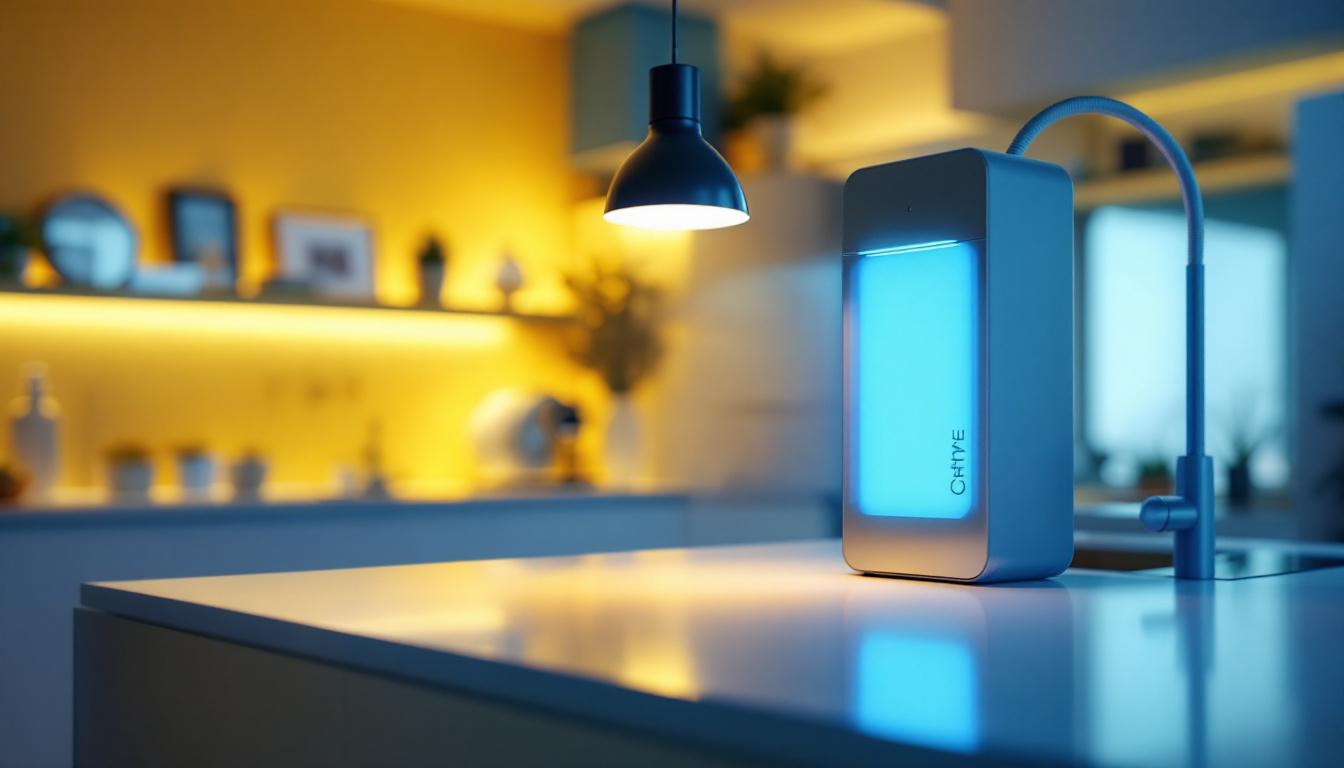
Ultraviolet (UV) light sanitization has emerged as a powerful tool in the fight against pathogens in indoor environments. For lighting contractors, understanding the nuances of UV light technology is critical when advising clients or implementing systems designed to improve air and surface hygiene. This article delves into the science behind UV light sanitizers, their practical applications in rooms, and key considerations for lighting professionals when integrating these systems.
With growing awareness of airborne and surface-borne contaminants, the demand for effective disinfection methods has increased. UV light sanitizers offer a chemical-free alternative that can complement traditional cleaning protocols, enhancing overall indoor environmental quality.
UV light sanitization operates primarily through the use of UV-C light, which has a wavelength between 200 to 280 nanometers. This specific range is particularly effective at disrupting the DNA or RNA of microorganisms, rendering them unable to replicate and effectively neutralizing their threat. The technology has found its way into various settings, from hospitals and laboratories to schools and offices, proving its versatility and effectiveness in diverse environments. As lighting contractors explore the integration of UV systems, it is essential to consider the placement and intensity of UV fixtures to maximize their disinfecting capabilities while ensuring safety for occupants.
Moreover, the implementation of UV light sanitization systems can significantly enhance the perception of cleanliness and safety in public spaces. For instance, in healthcare facilities, the visible presence of UV disinfection can reassure patients and staff alike, fostering a sense of trust in the facility’s commitment to health and safety. Additionally, as businesses adapt to new health standards post-pandemic, incorporating UV technology can serve as a competitive advantage, attracting clients who prioritize hygiene. Lighting professionals should stay informed about the latest advancements in UV technology, including the development of smart UV systems that can be integrated with existing building management systems for optimized performance and monitoring.
Understanding UV Light: Types and Mechanisms
What is UV Light?
Ultraviolet light is a form of electromagnetic radiation with wavelengths shorter than visible light but longer than X-rays. It is typically divided into three categories based on wavelength:
- UV-A (315–400 nm): Least energetic, mostly associated with skin aging and tanning.
- UV-B (280–315 nm): More energetic, responsible for sunburn and some DNA damage.
- UV-C (100–280 nm): The most energetic and germicidal, capable of inactivating microorganisms.
For sanitization purposes, UV-C light is the primary focus due to its ability to disrupt the DNA and RNA of bacteria, viruses, and fungi, rendering them incapable of replication and infection. Its applications extend beyond just disinfection; UV light is also utilized in various industries, including water purification, air treatment, and even in the production of certain materials. The unique properties of UV light allow it to penetrate surfaces and materials that other disinfection methods might not reach, making it an invaluable tool in maintaining hygiene and safety.
How UV-C Light Sanitizes
UV-C light destroys microorganisms by penetrating their cell walls and damaging nucleic acids. This photochemical reaction prevents replication and effectively neutralizes pathogens. The germicidal effectiveness depends on the UV dose, which is a product of intensity and exposure time. Different pathogens require varying doses to achieve effective inactivation, which is why understanding the specific characteristics of the microorganisms in question is crucial for optimizing UV-C applications.
Studies have shown that UV-C can inactivate a broad spectrum of pathogens, including influenza viruses, coronaviruses, and antibiotic-resistant bacteria. This makes UV-C technology a versatile option for sanitizing rooms, especially in healthcare, commercial, and residential settings. Furthermore, the integration of UV-C systems into HVAC units is becoming increasingly popular, as it allows for continuous air purification, reducing the risk of airborne transmission of diseases. As research continues to evolve, new methods of utilizing UV-C light are being explored, including its potential role in food safety and preservation, where it can help extend shelf life by reducing microbial load without the use of chemical preservatives.
Applications of UV Light Sanitizers in Rooms
Air Disinfection Systems
One of the most common applications of UV light in rooms is air disinfection. UV-C lamps can be installed inside HVAC systems or as standalone air purifiers to continuously treat circulating air. This approach reduces airborne pathogens, which is particularly important in high-traffic or poorly ventilated spaces. The effectiveness of these systems is enhanced by their ability to target a wide range of microorganisms, including bacteria, viruses, and fungi, making them a vital component in infection control strategies.
For lighting contractors, integrating UV-C into HVAC units requires knowledge of airflow dynamics, lamp placement, and maintenance schedules to ensure optimal performance and safety. Additionally, the selection of appropriate UV-C wavelengths and lamp types is crucial, as different pathogens may require specific exposure times and intensities for effective disinfection. Regular monitoring and maintenance of these systems are essential to ensure that they continue to function effectively over time, as lamp degradation can significantly reduce their efficacy.
Surface Sanitization
UV-C light can also be used for surface disinfection in rooms. Portable UV-C devices or fixed installations can irradiate surfaces such as desks, countertops, and equipment. This is especially valuable in environments where frequent manual cleaning is challenging or where rapid turnaround is necessary, such as in hospitals or laboratories. The speed and efficiency of UV-C sanitization can significantly reduce the risk of cross-contamination, particularly in high-touch areas that are prone to harboring pathogens.
However, surface sanitization with UV-C requires direct line-of-sight exposure for effective microbial inactivation. Shadows or obstructions can reduce efficacy, so proper placement and room layout must be considered during installation. Furthermore, it is important to educate users on the safe operation of these devices, as improper use can lead to ineffective disinfection or unintended UV exposure. The integration of sensors and automated systems can enhance the effectiveness of UV-C surface sanitization by ensuring consistent and thorough coverage of all targeted areas.
Upper-Room UV-C Systems
Upper-room UV-C fixtures are designed to irradiate the air in the upper portion of a room while minimizing exposure to occupants. These systems create a zone of germicidal UV light above head height, relying on air circulation to bring pathogens into the irradiated zone. This innovative approach not only helps in maintaining a safer indoor environment but also allows for the continued use of the space without interruption, making it ideal for schools, offices, and healthcare facilities.
This method is particularly useful in spaces where continuous disinfection is desired without disrupting normal activities. Lighting contractors must ensure compliance with safety standards and proper fixture orientation to prevent UV exposure to room occupants. Additionally, the design of these systems can be tailored to the specific needs of the room, taking into account factors such as ceiling height, room shape, and occupancy patterns to maximize effectiveness. As research continues to evolve in the field of UV disinfection, advancements in technology may lead to even more efficient upper-room systems that can adapt to varying environmental conditions and usage scenarios.
Key Considerations for Lighting Contractors
Safety and Regulatory Compliance
UV-C light can be harmful to human skin and eyes, causing burns and photokeratitis. Therefore, safety is paramount when installing UV-C sanitizers. Contractors must be familiar with industry standards and guidelines, such as those from the Illuminating Engineering Society (IES) and the American Conference of Governmental Industrial Hygienists (ACGIH).
Implementing safety measures like motion sensors, timers, and protective housings can prevent accidental exposure. Additionally, educating clients on safe operation and maintenance is essential for long-term success.
System Design and Integration
Effective UV-C sanitization depends on proper system design. Lighting contractors should assess room size, air exchange rates, surface types, and occupancy patterns to recommend the most suitable UV-C solution. Collaboration with HVAC professionals can enhance system integration, especially for air disinfection applications.
Considerations such as lamp wattage, fixture placement, and exposure duration must be balanced to achieve desired disinfection levels without compromising energy efficiency or occupant comfort.
Maintenance and Lamp Lifespan
UV-C lamps degrade over time, resulting in decreased germicidal output. Regular maintenance, including lamp replacement and cleaning, is necessary to maintain effectiveness. Lighting contractors should establish maintenance schedules and provide clients with clear instructions to ensure system longevity.
Monitoring tools such as UV intensity meters can assist in verifying performance and scheduling timely interventions.
Benefits and Limitations of UV Light Sanitizers
Advantages
- Chemical-Free Disinfection: UV-C sanitizers do not rely on chemicals, reducing residue and environmental impact.
- Rapid Microbial Inactivation: UV-C can inactivate pathogens within seconds to minutes, depending on exposure.
- Continuous Operation: Systems can run continuously or intermittently to maintain hygiene levels.
- Versatility: Applicable to air, surfaces, and water treatment in various settings.
Limitations
- Line-of-Sight Requirement: UV-C light must directly illuminate surfaces or air to be effective.
- Safety Concerns: Requires careful design and operation to avoid human exposure risks.
- Material Degradation: Prolonged UV-C exposure can degrade plastics and other materials.
- Initial Investment: Installation costs can be higher compared to traditional cleaning methods.
Emerging Trends and Innovations in UV-C Lighting
Far-UVC Technology
Far-UVC light, typically around 222 nm wavelength, is gaining attention for its potential to inactivate pathogens without penetrating human skin or eyes, thus offering safer continuous disinfection. Although still under research and regulatory review, this technology could revolutionize room sanitization by enabling UV-C use in occupied spaces without shielding.
Smart UV-C Systems
Integration of UV-C sanitizers with building automation and IoT platforms allows for remote monitoring, scheduling, and safety interlocks. Lighting contractors can leverage these advancements to provide clients with intelligent disinfection solutions that optimize energy use and operational convenience.
Hybrid Systems
Combining UV-C with other air purification technologies, such as HEPA filtration and photocatalytic oxidation, enhances overall efficacy. Contractors should stay informed about these hybrid approaches to offer comprehensive indoor air quality solutions.
Conclusion: The Role of Lighting Contractors in UV-C Sanitization
UV light sanitizers represent a significant advancement in indoor hygiene management. For lighting contractors, expertise in UV-C technology is increasingly valuable as clients seek effective, safe, and sustainable disinfection solutions. By understanding the science, applications, and best practices outlined in this article, lighting professionals can confidently design, install, and maintain UV-C systems that meet client needs and regulatory requirements.
As the market evolves, staying current with emerging technologies and standards will be essential. Lighting contractors who embrace UV-C sanitization will position themselves as trusted advisors in the growing field of indoor environmental quality.
Illuminate Your Projects with LumenWholesale
Ready to elevate your lighting solutions with the latest UV-C technology? At LumenWholesale, we provide lighting contractors like you with the highest quality, spec-grade lighting products at prices that can’t be beaten. Our selection not only meets but exceeds industry standards, ensuring that your UV-C sanitization projects are powered by reliable and high-performance lighting. Say goodbye to inflated markups and hello to hassle-free bulk buying with free shipping. Don’t compromise on quality or value—choose LumenWholesale for the perfect blend of affordability and convenience. Take the next step in becoming a trusted advisor in indoor environmental quality and explore our wholesale lighting options at the best value today.