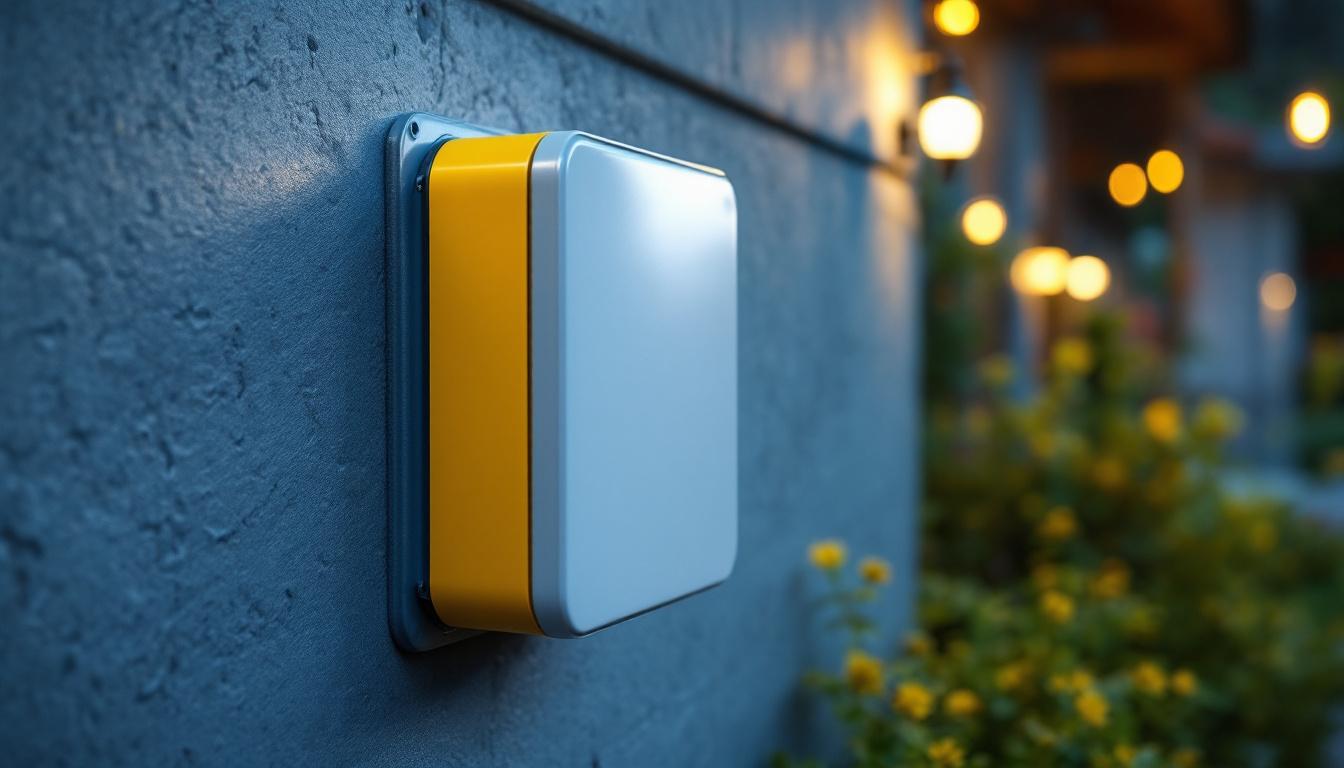
Understanding Photo Cell Lighting Systems
Photo cell lights, often referred to as photocells or dusk-to-dawn sensors, have become a staple in outdoor lighting solutions. These devices automatically turn lights on at dusk and off at dawn by detecting ambient light levels, offering energy savings and convenience. For lighting contractors, understanding how photo cell systems operate is fundamental to avoiding common pitfalls during installation and maintenance.
Photo cells typically consist of a light-sensitive resistor or photodiode that triggers a relay to control the lighting circuit. When ambient light drops below a preset threshold, the relay closes, turning the light on. Conversely, when daylight returns, the relay opens, switching the light off. This simple yet effective mechanism reduces the need for manual control and ensures lighting is active only when necessary, contributing to energy efficiency and extended fixture lifespan.
Common Applications and Benefits
Photo cell lights are widely used in street lighting, parking lots, security lighting, and residential outdoor fixtures. Their ability to automate lighting schedules helps reduce operational costs and enhances safety by maintaining consistent illumination during nighttime hours. For contractors, recommending photo cell solutions can be a value-added service that meets client demands for sustainability and smart technology integration.
In addition to the standard applications, photo cell lighting systems can also be integrated with smart home technologies, allowing homeowners to control their outdoor lighting remotely via smartphone apps. This integration not only provides convenience but also allows for customizable settings based on personal preferences or specific events, such as parties or gatherings. Furthermore, advancements in solar technology have led to the development of solar-powered photo cell lights, which are an eco-friendly alternative that reduces reliance on grid electricity, making them ideal for remote areas or locations where traditional wiring may be impractical.
Moreover, the versatility of photo cell systems extends to their adaptability in various weather conditions. Many modern photocells are designed to withstand harsh environmental factors, ensuring reliable performance even in extreme temperatures or during heavy rain. This durability is crucial for outdoor applications, where lighting fixtures are often exposed to the elements. As cities and municipalities continue to seek sustainable solutions for urban lighting, the demand for photo cell systems is expected to grow, making it an essential area of expertise for lighting professionals.
Key Challenges and Pitfalls in Photo Cell Lighting Installations
Despite their advantages, photo cell lighting systems can present challenges that impact performance and client satisfaction. Recognizing these pitfalls enables contractors to implement best practices and avoid costly callbacks or warranty claims.
Incorrect Sensor Placement
One of the most frequent issues arises from improper sensor placement. Photo cells must be positioned where they can accurately detect ambient light without interference from artificial light sources. Placing sensors too close to the fixture they control or near other lighting can cause premature switching or failure to activate the lights at the correct times.
For example, mounting a photo cell on a pole with multiple fixtures may result in the sensor detecting light from adjacent lamps, leading to the lights turning off prematurely. Contractors should ensure that sensors face open sky or shaded areas, free from direct illumination by the controlled fixtures or nearby light pollution. Additionally, considering the angle of the sensor is crucial; a sensor tilted at an improper angle may not receive adequate light readings, further complicating the functionality of the lighting system.
Environmental Factors Affecting Performance
Environmental conditions such as dirt accumulation, moisture ingress, and extreme temperatures can degrade photo cell function over time. Dust and debris on the sensor lens reduce sensitivity, causing delayed or inconsistent switching. Moisture can corrode internal components if the device is not properly sealed, leading to failure.
Contractors should select photo cells with appropriate IP ratings for the installation environment and advise clients on regular maintenance schedules. Using weatherproof enclosures and installing sensors in sheltered locations can mitigate environmental impacts and prolong device lifespan. Furthermore, in areas prone to heavy snowfall or ice, it may be beneficial to consider the installation of heaters or other protective measures to ensure that sensors remain unobstructed and functional throughout harsh winter conditions.
Compatibility Issues with Lighting Fixtures
Not all photo cells are compatible with every type of lighting technology. For instance, LED fixtures often require photo cells designed to handle low wattage and different electrical characteristics compared to traditional incandescent or high-pressure sodium lamps. Using incompatible photo cells can cause flickering, premature wear, or failure to operate correctly.
It is essential for contractors to verify compatibility between the photo cell and the lighting fixture’s electrical requirements. Consulting manufacturer specifications and selecting photo cells rated for the specific lamp type ensures reliable operation and reduces troubleshooting time. Additionally, understanding the dimming capabilities of both the photo cell and the lighting fixtures can help in designing a system that not only meets the client’s needs but also enhances energy efficiency. This knowledge allows contractors to provide tailored solutions that optimize performance and longevity, ultimately leading to greater customer satisfaction and trust in their expertise.
Best Practices for Installing Photo Cell Lighting
Successful photo cell lighting installations hinge on meticulous planning and adherence to industry standards. The following best practices help lighting contractors deliver optimal performance and client satisfaction.
Site Assessment and Planning
Before installation, conduct a thorough site assessment to identify potential sources of light interference, environmental challenges, and fixture placement. Understanding the surrounding environment allows for strategic sensor positioning and selection of appropriate photo cell models.
Consider factors such as nearby streetlights, building reflections, tree canopies, and seasonal changes in foliage that may affect sensor performance. Documenting these elements during the planning phase helps avoid costly adjustments post-installation. Furthermore, it is advisable to collaborate with landscape architects or urban planners when dealing with larger installations, as their insights can provide valuable information about how the environment may evolve over time, potentially impacting the lighting setup.
Proper Wiring and Electrical Connections
Photo cells are typically wired in series with the lighting fixture’s power supply. Ensuring secure, weather-resistant connections is vital to prevent short circuits and maintain consistent operation. Use waterproof connectors and follow local electrical codes to guarantee safety and compliance.
Additionally, verify that the photo cell’s voltage and current ratings match the circuit specifications. Overloading the sensor can cause premature failure or erratic behavior. It is also beneficial to label all wiring clearly during installation, which facilitates easier troubleshooting and maintenance in the future. Implementing a color-coded system for different circuits can streamline the identification process, especially in complex installations with multiple photo cells and fixtures.
Testing and Calibration
After installation, test the photo cell under real-world lighting conditions to confirm proper operation. Observe the switching behavior at dusk and dawn, and adjust the sensor’s sensitivity or position if necessary. Some photo cells come with adjustable settings that allow fine-tuning to accommodate specific site conditions.
Regular testing during routine maintenance visits ensures continued performance and early detection of potential issues. Additionally, consider implementing a monitoring system that tracks the performance of the photo cells over time. This data can be invaluable for understanding usage patterns and identifying when a replacement or upgrade may be necessary. By maintaining a proactive approach to monitoring, contractors can enhance the longevity of the lighting system and ensure it meets the evolving needs of the environment it serves.
Advanced Considerations and Emerging Technologies
As lighting technology evolves, photo cell systems are integrating with smart controls and IoT platforms, offering enhanced functionality and remote management capabilities. Lighting contractors should stay informed about these advancements to provide cutting-edge solutions.
Integration with Smart Lighting Controls
Modern photo cells can be part of larger lighting control networks that include motion sensors, timers, and remote dimming capabilities. These systems optimize energy use by adjusting lighting levels based on occupancy and ambient conditions, further reducing costs and environmental impact.
Contractors equipped with knowledge of smart lighting protocols such as DALI, Zigbee, or Bluetooth Mesh can design systems that leverage photo cells within intelligent lighting frameworks, adding value to their services.
Solar-Powered Photo Cell Fixtures
In areas lacking reliable grid power, solar-powered photo cell lights offer a sustainable alternative. These fixtures combine photovoltaic panels, battery storage, and photo cells to provide autonomous lighting solutions. Proper sizing and placement of solar components are critical to ensure sufficient energy harvesting and storage.
Contractors should be familiar with solar technology principles and local regulations to recommend and install these systems effectively.
Maintenance Strategies to Ensure Longevity and Reliability
Ongoing maintenance is essential to sustain the performance of photo cell lighting systems. Establishing proactive maintenance protocols minimizes downtime and extends the service life of installed equipment.
Regular Cleaning and Inspection
Schedule periodic cleaning of photo cell lenses to remove dirt, dust, and insect debris that can impair sensor accuracy. Inspections should also check for signs of physical damage, corrosion, or water ingress.
Documenting maintenance activities and sensor performance helps identify patterns that may indicate underlying issues, enabling timely interventions.
Replacement and Upgrades
Photo cells have finite operational lifespans, often influenced by environmental exposure and electrical load. Contractors should advise clients on expected replacement intervals and recommend upgrades to newer, more efficient models when appropriate.
Upgrading to photo cells with enhanced sensitivity, weather resistance, or smart connectivity can improve overall system performance and client satisfaction.
Conclusion
Photo cell lighting systems offer significant benefits in energy savings, convenience, and safety for outdoor lighting applications. However, lighting contractors must be vigilant in avoiding common pitfalls related to sensor placement, environmental factors, and compatibility issues. By adhering to best practices in site assessment, installation, testing, and maintenance, contractors can ensure reliable performance and long-term client satisfaction.
Staying abreast of emerging technologies such as smart controls and solar integration positions contractors to deliver innovative solutions that meet evolving market demands. Ultimately, a thorough understanding of photo cell lighting systems empowers contractors to provide expert guidance and quality installations that stand the test of time.
Get Your Spec-Grade Photo Cell Lighting at LumenWholesale
Ready to elevate your lighting projects with the most reliable photo cell systems on the market? Look no further than LumenWholesale for all your lighting needs. Our extensive selection of spec-grade lighting products ensures that you can implement the best practices outlined in this guide with confidence. With unbeatable wholesale prices and the convenience of free shipping on bulk orders, you’ll find exceptional value without any hidden fees. Make your next project a shining success and experience the perfect blend of quality, affordability, and convenience. Wholesale Lighting at the Best Value is just a click away.