Understanding Ceiling Fans Beyond Air Movement
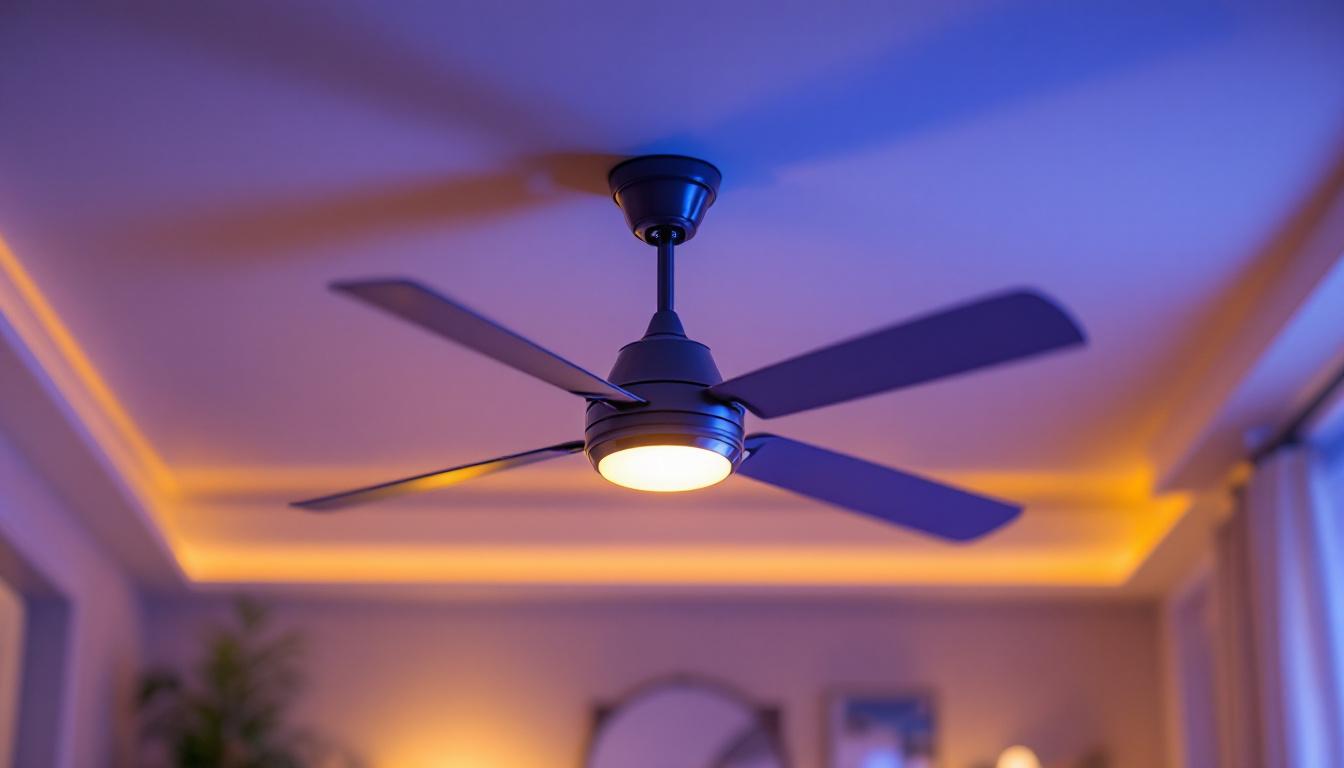
Ceiling fans are often underestimated as simple devices that circulate air. For lighting contractors, they represent a unique intersection of electrical work, aesthetics, and functionality. A well-installed ceiling fan not only cools a space but also enhances lighting design and energy efficiency. The design of a ceiling fan can complement various interior styles, from modern minimalist to rustic farmhouse, making them a versatile choice for homeowners and designers alike.
When working on ceiling fans, lighting contractors must consider more than just the fan’s motor and blades. Integration with lighting fixtures, wiring compatibility, and control options all play critical roles. This checklist will guide you through the essential points to ensure every ceiling fan installation meets professional standards and client expectations. Moreover, understanding the different types of ceiling fans—such as flush mount, downrod, and outdoor models—can help contractors recommend the most suitable options for specific spaces, ensuring both functionality and aesthetic appeal.
Why Ceiling Fans Matter to Lighting Contractors
Ceiling fans often come with integrated lighting or the option to add light kits. This dual functionality means contractors must be adept at handling both mechanical and lighting components. Proper installation affects safety, performance, and the overall ambiance of the room. Additionally, the choice of bulbs—whether LED, incandescent, or CFL—can significantly influence energy consumption and the quality of light emitted, making it crucial for contractors to stay updated on the latest lighting technologies.
Additionally, ceiling fans contribute to energy savings by reducing reliance on HVAC systems. Lighting contractors who understand the full scope of fan installation can offer clients smarter, more efficient solutions. For instance, pairing a ceiling fan with smart home technology allows users to control their fans and lights remotely, optimizing energy use and enhancing convenience. Furthermore, educating clients on the benefits of seasonal fan direction—counterclockwise for cooling in summer and clockwise for warmth in winter—can lead to increased satisfaction and energy efficiency, solidifying the contractor’s role as a knowledgeable resource in home comfort solutions.
Pre-Installation Considerations
Assessing the Ceiling Structure
Before any installation, verify the ceiling’s ability to support a ceiling fan. Fans are heavier and generate more vibration than typical light fixtures, so a secure mounting point is essential. Use a fan-rated electrical box or brace the existing box to handle the weight and motion. Additionally, it’s important to inspect the ceiling joists for any signs of damage or weakness. If the joists are compromised, it may be necessary to reinforce them or install a new support brace to ensure the fan operates safely and efficiently.
Ceiling height and room size also influence fan choice. Fans installed in rooms with low ceilings require low-profile models, while larger rooms may need fans with wider blade spans for effective airflow. Furthermore, consider the room’s layout and furniture placement, as these factors can affect air circulation patterns. A fan positioned too close to walls or large pieces of furniture may not perform optimally, leading to uneven airflow and reduced comfort levels.
Electrical Compatibility and Wiring
Check the existing wiring setup carefully. Many older homes have wiring that is not designed for ceiling fans or integrated lighting kits. Confirm the presence of a neutral wire, as modern LED fan lights often require it. If the wiring is outdated, advise clients on necessary upgrades to ensure safety and functionality. It’s also wise to inspect the circuit breaker panel to ensure that the circuit dedicated to the ceiling fan can handle the additional load, particularly if the fan includes integrated lighting or other features.
Consider the control methods desired by the client. Some fans come with remote controls, wall controls, or smart home integration. Ensure wiring supports these options or plan for additional wiring runs. Discuss the benefits of each control method with the client, as remote controls offer convenience, while wall switches can provide a more traditional feel. Additionally, smart fans can be integrated into home automation systems, allowing for voice control and scheduling, which can enhance user experience and energy efficiency. Make sure to clarify any preferences early in the planning process to streamline installation and ensure client satisfaction.
Installation Best Practices
Mounting and Balancing the Fan
Secure mounting is non-negotiable. Use a fan-rated box attached directly to a ceiling joist or a support brace designed for fans. Loose mounts can cause wobbling, noise, and premature wear. Additionally, consider the height at which the fan is mounted; ideally, the fan blades should be 7 to 9 feet above the floor for optimal airflow and safety. This height not only maximizes performance but also minimizes the risk of accidents, especially in homes with low ceilings or in rooms where people frequently walk underneath the fan.
Once installed, balance the fan blades carefully. Even slight imbalances can cause noise and reduce the fan’s lifespan. Use balancing kits provided by manufacturers or third-party kits to fine-tune performance. It’s also wise to check the blade pitch, as this can significantly affect airflow. A pitch of 12 to 15 degrees is generally ideal for maximizing efficiency. Regular maintenance, such as cleaning the blades and checking for loose screws, can further enhance the fan’s performance and longevity.
Wiring the Fan and Lighting Components
Follow manufacturer instructions meticulously. Incorrect wiring can lead to malfunction, electrical hazards, or voided warranties. Pay special attention to grounding and the separation of fan and light circuits if applicable. It’s advisable to use a multimeter to verify that the power is off before beginning any electrical work, ensuring a safe installation environment. Furthermore, consider using wire nuts to secure connections and electrical tape to provide an additional layer of safety against potential short circuits.
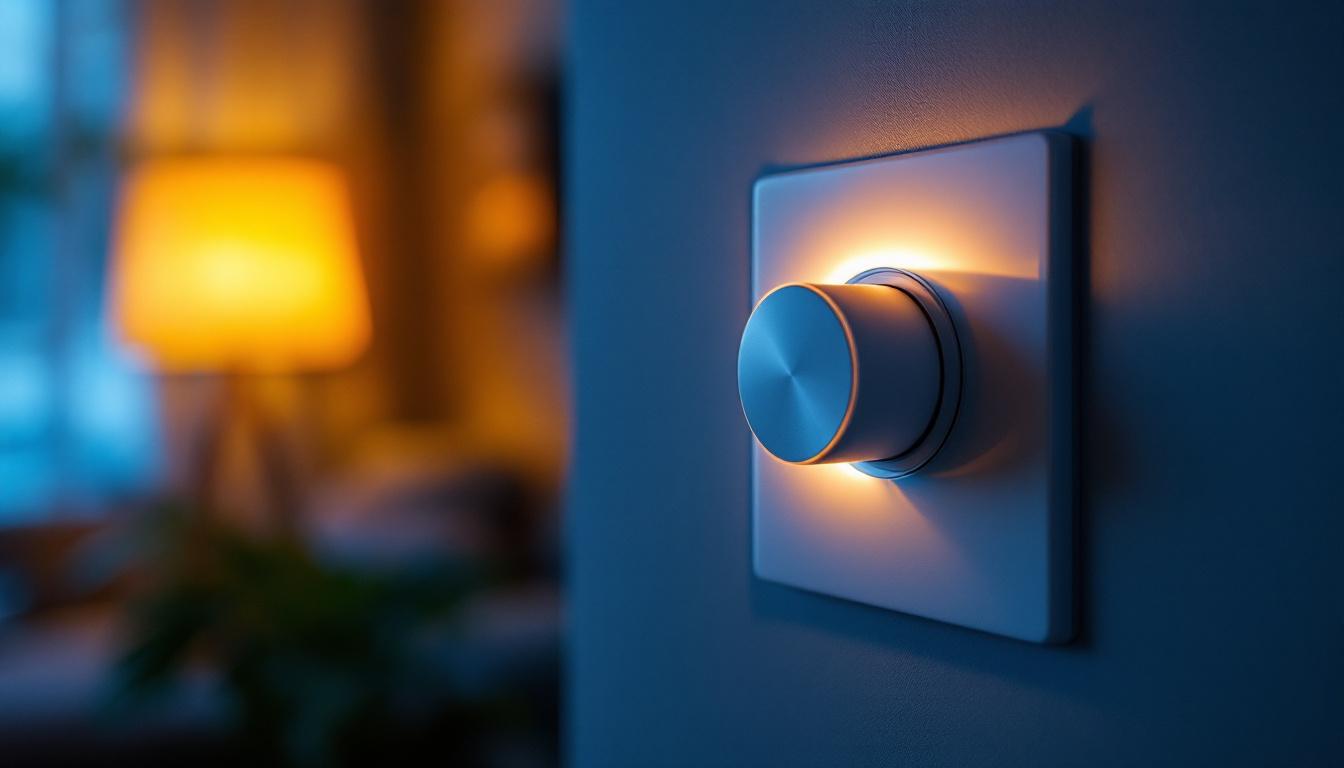
When installing light kits, ensure bulbs and fixtures meet the client’s lighting needs. LED bulbs are preferred for their energy efficiency and longevity. Confirm that the light kit is compatible with the fan model to avoid overheating or electrical issues. Additionally, consider the color temperature of the bulbs; warmer tones can create a cozy atmosphere, while cooler tones are better suited for task-oriented spaces. Lastly, integrating dimmer switches can provide flexibility in lighting, allowing users to adjust the brightness according to their mood or activity, enhancing the overall functionality of the fan and light combination.
Control Systems and Integration
Remote and Wall Controls
Modern ceiling fans often come with remote controls or wall-mounted switches that allow independent operation of the fan and light. Wiring must accommodate these controls, sometimes requiring additional conductors or specialized switches. This flexibility not only enhances user experience but also allows for tailored lighting and airflow settings that can adapt to various activities, whether it’s a cozy movie night or a lively gathering.
Advise clients on the benefits of these control systems. Remote controls add convenience, allowing users to adjust settings from the comfort of their seats, while wall controls can integrate with existing lighting circuits for seamless operation. Additionally, some advanced models feature programmable settings, enabling users to schedule fan operation based on their daily routines, which can contribute to energy savings and improved comfort levels throughout the day.
Smart Home Compatibility
Smart ceiling fans are gaining popularity. They can be controlled via smartphone apps, voice assistants, or home automation systems. When installing these fans, ensure network connectivity and compatibility with the client’s smart home infrastructure. This integration not only simplifies control but also enhances the overall efficiency of home energy management systems, allowing users to monitor and adjust their energy consumption in real-time.
Proper wiring and setup are crucial for these systems to function reliably. Lighting contractors should stay updated on the latest smart fan models and integration techniques. Furthermore, educating clients about the potential for future upgrades, such as adding sensors for temperature and humidity control, can help them make informed decisions. As technology continues to evolve, the possibilities for enhancing comfort and energy efficiency in the home are virtually limitless, making it essential for professionals in the field to remain knowledgeable about emerging trends and innovations in smart home technology.
Safety and Compliance
Adhering to Electrical Codes
Compliance with local electrical codes is mandatory. This includes using approved materials, proper grounding, and following installation guidelines. Non-compliance can result in failed inspections, liability issues, and safety hazards.
Keep up to date with code changes related to ceiling fans and lighting fixtures. This knowledge ensures installations are safe, legal, and up to industry standards.
Testing and Quality Assurance
After installation, test the fan and lighting thoroughly. Check for wobbling, noise, proper operation of controls, and lighting performance. Address any issues immediately to prevent callbacks and maintain professional reputation.
Document the installation details and any client preferences or modifications. This record supports future maintenance and troubleshooting.
Maintenance Tips for Long-Term Performance
Routine Cleaning and Inspection
Ceiling fans accumulate dust on blades and motor housings, which can affect performance and air quality. Recommend clients schedule regular cleaning to maintain efficiency and appearance.
Inspect the fan periodically for loose screws, blade warping, or electrical issues. Early detection of problems can extend the fan’s lifespan and prevent costly repairs.
Upgrading Components
Lighting contractors can offer upgrade services such as replacing incandescent bulbs with LEDs or installing advanced control systems. These upgrades enhance energy efficiency and user experience.
Encourage clients to consider smart controls or improved light kits as technology evolves. Staying proactive with upgrades keeps installations current and valuable.
Conclusion: The Contractor’s Role in Ceiling Fan Excellence
Ceiling fans are more than just functional appliances; they are integral to lighting design and energy management. For lighting contractors, mastering the nuances of ceiling fan installation and maintenance opens opportunities to provide superior service and build client trust.
By following this checklist, contractors can ensure every ceiling fan installation is safe, efficient, and tailored to the client’s needs. Attention to detail, adherence to codes, and embracing new technologies will set professionals apart in a competitive market.
Get Your Ceiling Fans at Unbeatable Wholesale Prices
Ready to elevate your lighting projects with top-notch ceiling fans that blend design, functionality, and energy efficiency? Look no further than LumenWholesale. We provide contractors with spec-grade lighting and ceiling fan products that meet the highest industry standards, all at unbeatable wholesale prices. Say goodbye to middleman markups and hello to premium quality without the premium cost. Plus, with free shipping on bulk orders, you can stock up on all your lighting needs without any hidden fees. Don’t compromise on quality or value—choose LumenWholesale for the perfect blend of affordability and convenience. Wholesale Lighting at the Best Value is just a click away.