In the world of interior design and architectural lighting, uplight sconces have emerged as a popular choice for enhancing ambiance and functionality. These fixtures not only illuminate spaces but also add a touch of elegance and style. Expert lighting contractors have valuable insights into the benefits, applications, and installation techniques of uplight sconces. This article delves into their expertise, providing a comprehensive guide for contractors looking to incorporate these fixtures into their projects.
Understanding Uplight Sconces
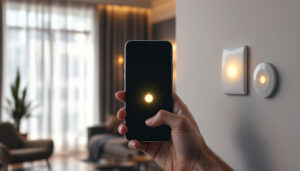
Uplight sconces are wall-mounted fixtures designed to direct light upwards, creating a soft glow that enhances the architectural features of a space. Unlike traditional sconces that may cast light downward or outward, uplight sconces focus on illuminating walls and ceilings. This unique lighting technique can transform a room, adding depth and dimension.
Design and Aesthetic Appeal
The design of uplight sconces varies widely, allowing contractors to select fixtures that complement the overall aesthetic of a space. From sleek modern designs to ornate traditional styles, there is an uplight sconce to suit every taste. The choice of materials, finishes, and shapes can significantly impact the ambiance of a room. For instance, a glass uplight sconce can create a soft, diffused light, while a metal fixture may provide a more focused beam.
Moreover, uplight sconces can be used as decorative elements, serving as focal points in a room. When strategically placed, they can highlight artwork, architectural details, or textured walls, enhancing the overall design narrative. The interplay of light and shadow created by uplight sconces can also evoke different moods; for example, a warm, inviting glow can make a space feel cozy and intimate, while cooler tones can lend a more contemporary and spacious feel. This versatility makes uplight sconces a favorite among interior designers looking to create dynamic environments.
Functional Benefits
Beyond aesthetics, uplight sconces offer numerous functional benefits. They can help create layered lighting, which is essential for achieving a well-balanced illumination scheme. By combining uplight sconces with other light sources, such as overhead fixtures and task lighting, contractors can enhance the usability of a space while ensuring it remains inviting and comfortable.
Additionally, uplight sconces can help reduce shadows and create a more evenly lit environment. This is particularly beneficial in areas where activities such as reading or working occur, as it minimizes eye strain and enhances visibility. Furthermore, uplight sconces can be energy-efficient options, especially when equipped with LED bulbs, which not only consume less power but also have a longer lifespan compared to traditional incandescent bulbs. This sustainability aspect is increasingly important in modern design, as homeowners and businesses alike seek to reduce their environmental footprint while still achieving beautiful, functional spaces.
Applications of Uplight Sconces
The versatility of uplight sconces makes them suitable for a wide range of applications. From residential to commercial spaces, these fixtures can be adapted to various settings, each with its unique lighting needs.
Residential Spaces
In residential settings, uplight sconces are commonly used in living rooms, hallways, and bedrooms. They can create a warm and inviting atmosphere, perfect for relaxation or entertaining guests. Placing uplight sconces on either side of a fireplace or artwork can draw attention to these features, making them stand out.
In bedrooms, uplight sconces can serve as bedside lighting, providing a soft glow for reading without being overly harsh. This creates a cozy environment conducive to winding down at the end of the day.
Commercial Spaces
In commercial environments, uplight sconces are often used to enhance the ambiance of restaurants, hotels, and retail stores. These fixtures can create a welcoming atmosphere that encourages customers to linger. In restaurants, for example, uplight sconces can be used to highlight architectural details or artwork, adding to the overall dining experience.
In retail spaces, uplight sconces can be strategically placed to draw attention to merchandise displays, guiding customers through the store while creating an engaging shopping environment.
Outdoor Applications
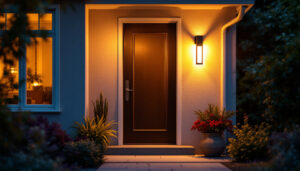
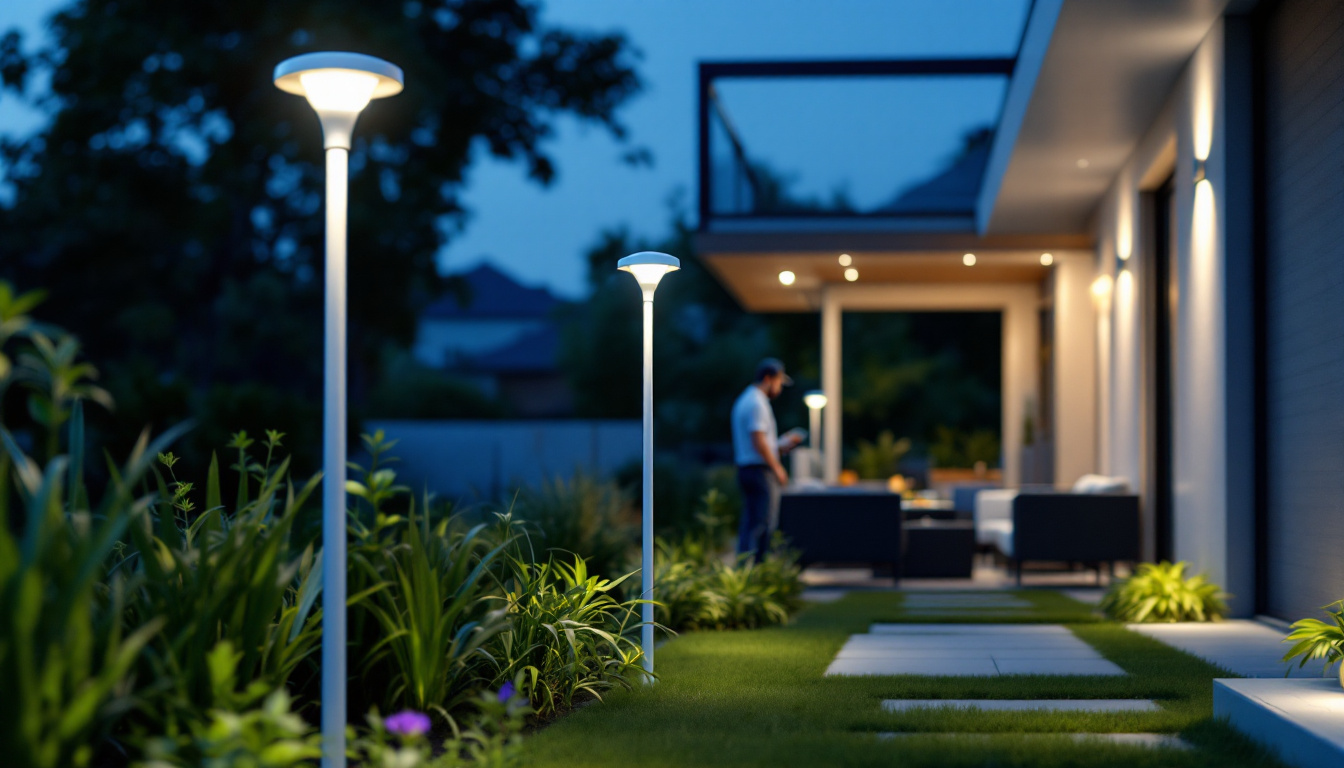
Uplight sconces are not limited to indoor use; they can also be effectively used in outdoor settings. These fixtures can illuminate entryways, patios, and garden areas, enhancing safety and security while creating a beautiful outdoor ambiance. When selecting uplight sconces for outdoor use, it is crucial to choose fixtures that are weather-resistant and designed for external conditions.
Installation Considerations
Proper installation is key to maximizing the benefits of uplight sconces. Lighting contractors must consider several factors to ensure that these fixtures perform optimally and enhance the intended space.
Placement and Height
The placement and height of uplight sconces are critical for achieving the desired lighting effect. Generally, sconces should be installed at eye level, typically between 60 to 72 inches from the floor. This height allows the light to effectively illuminate the wall and ceiling while minimizing glare.
Contractors should also consider the spacing between sconces. A common guideline is to place sconces 6 to 8 feet apart, depending on the intensity of the light and the size of the room. This spacing helps create an even distribution of light, avoiding overly bright or dark areas.
Wiring and Electrical Considerations
When installing uplight sconces, contractors must ensure that the wiring is properly configured to handle the electrical load. It is essential to follow local electrical codes and regulations to ensure safety and compliance. Additionally, using dimmer switches can enhance the versatility of uplight sconces, allowing users to adjust the brightness according to their needs and preferences.
In some cases, contractors may need to work with an electrician to ensure that the wiring is adequately installed, particularly in older homes where electrical systems may not be equipped to handle modern lighting fixtures.
Choosing the Right Bulbs
The choice of bulbs for uplight sconces significantly impacts the quality of light produced. Different types of bulbs offer varying color temperatures, brightness levels, and energy efficiency. Understanding these options is essential for contractors looking to provide the best lighting solutions for their clients.
LED vs. Incandescent Bulbs
LED bulbs have become increasingly popular due to their energy efficiency and longevity. They consume significantly less energy than incandescent bulbs and can last up to 25 times longer. Additionally, LED bulbs are available in a range of color temperatures, allowing contractors to select the perfect hue for the intended ambiance.
On the other hand, incandescent bulbs provide a warm, inviting glow that many homeowners still prefer. While they are less energy-efficient and have a shorter lifespan, they can create a cozy atmosphere that is difficult to replicate with other bulb types. Contractors should weigh the pros and cons of each option based on the specific needs of the project.
Color Temperature and Brightness
Color temperature is another critical factor to consider when selecting bulbs for uplight sconces. Measured in Kelvin (K), color temperature ranges from warm (2700K) to cool (5000K). Warm light is ideal for creating a cozy atmosphere, while cooler light is better suited for task-oriented spaces.
Brightness, measured in lumens, is also important. Contractors should ensure that the selected bulbs provide adequate illumination for the space without being overly harsh. A well-lit area should feel inviting and comfortable, enhancing the overall experience for occupants.
Trends in Uplight Sconce Design
As interior design trends evolve, so do the styles and applications of uplight sconces. Staying informed about current trends can help contractors make informed decisions when selecting fixtures for their projects.
Minimalist and Modern Designs
Minimalist and modern designs continue to dominate the lighting industry. Sleek, simple lines and understated elegance characterize these fixtures, making them a popular choice for contemporary spaces. Uplight sconces that feature geometric shapes or monochromatic finishes can seamlessly blend into modern interiors while providing effective illumination.
These designs often emphasize functionality without sacrificing style, making them ideal for both residential and commercial applications.
Vintage and Industrial Styles
On the other end of the spectrum, vintage and industrial styles have seen a resurgence in popularity. Uplight sconces that incorporate materials such as brass, wrought iron, or reclaimed wood can add character and charm to a space. These fixtures often feature intricate designs and finishes that evoke a sense of nostalgia, making them perfect for rustic or eclectic interiors.
Contractors should consider the overall theme of the project when selecting vintage or industrial uplight sconces, ensuring they enhance the desired aesthetic.
Maintenance and Care
To ensure the longevity and performance of uplight sconces, proper maintenance and care are essential. Contractors should educate clients on how to care for their fixtures to keep them looking and functioning their best.
Regular Cleaning
Dust and debris can accumulate on uplight sconces, diminishing their brightness and overall appearance. Regular cleaning is crucial to maintaining their aesthetic appeal. Contractors can recommend using a soft, damp cloth to wipe down the fixtures, avoiding harsh chemicals that could damage the finish.
In addition to cleaning the exterior, it is also essential to check the bulbs periodically. Replacing burnt-out bulbs promptly ensures that the fixtures continue to provide adequate illumination.
Inspecting Wiring and Connections
Over time, wiring and connections may wear out or become loose. Contractors should advise clients to inspect their uplight sconces regularly for any signs of electrical issues, such as flickering lights or buzzing sounds. If any problems are detected, it is crucial to address them immediately to prevent potential hazards.
Conclusion
Uplight sconces are a versatile and stylish lighting solution that can enhance the ambiance of any space. By understanding their design, applications, installation considerations, and maintenance requirements, lighting contractors can effectively incorporate these fixtures into their projects. Staying informed about current trends and advancements in lighting technology will further empower contractors to provide exceptional service to their clients.
As the demand for innovative and aesthetically pleasing lighting solutions continues to grow, uplight sconces will undoubtedly remain a staple in the lighting industry. By leveraging the insights shared by experts, contractors can ensure that their projects not only meet but exceed client expectations.
Illuminate Your Projects with LumenWholesale
Ready to elevate your lighting projects with the elegance of uplight sconces? At LumenWholesale, we provide lighting contractors with an exceptional range of high-quality, specification-grade lighting products at prices that can’t be beaten. Our commitment to cutting out the middleman means you get the best value for your investment. With our extensive selection that meets rigorous industry standards, you can trust that your lighting will perform brilliantly in any setting. Plus, with the convenience of free shipping on bulk orders, you can enjoy premium lighting solutions without any hidden costs. Make your next project shine and take advantage of unbeatable wholesale value by visiting Wholesale Lighting at the Best Value today.