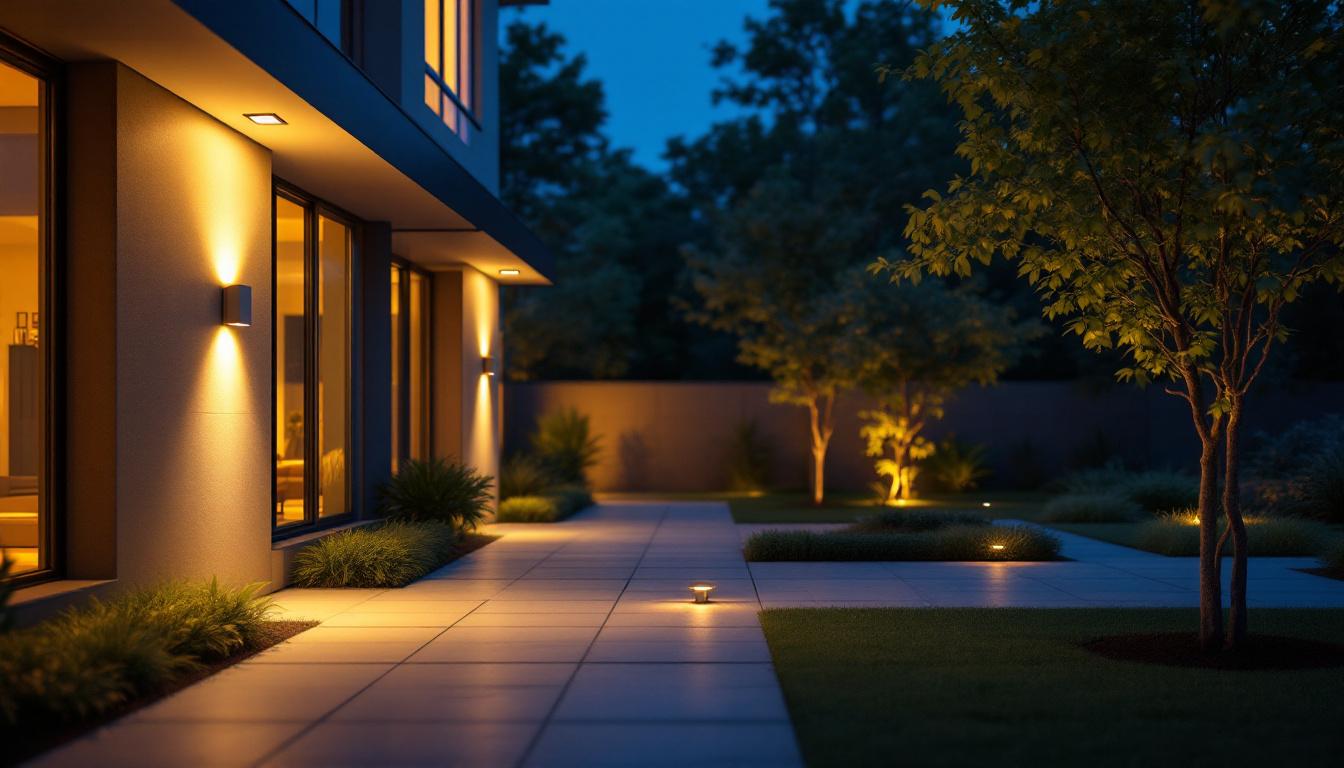
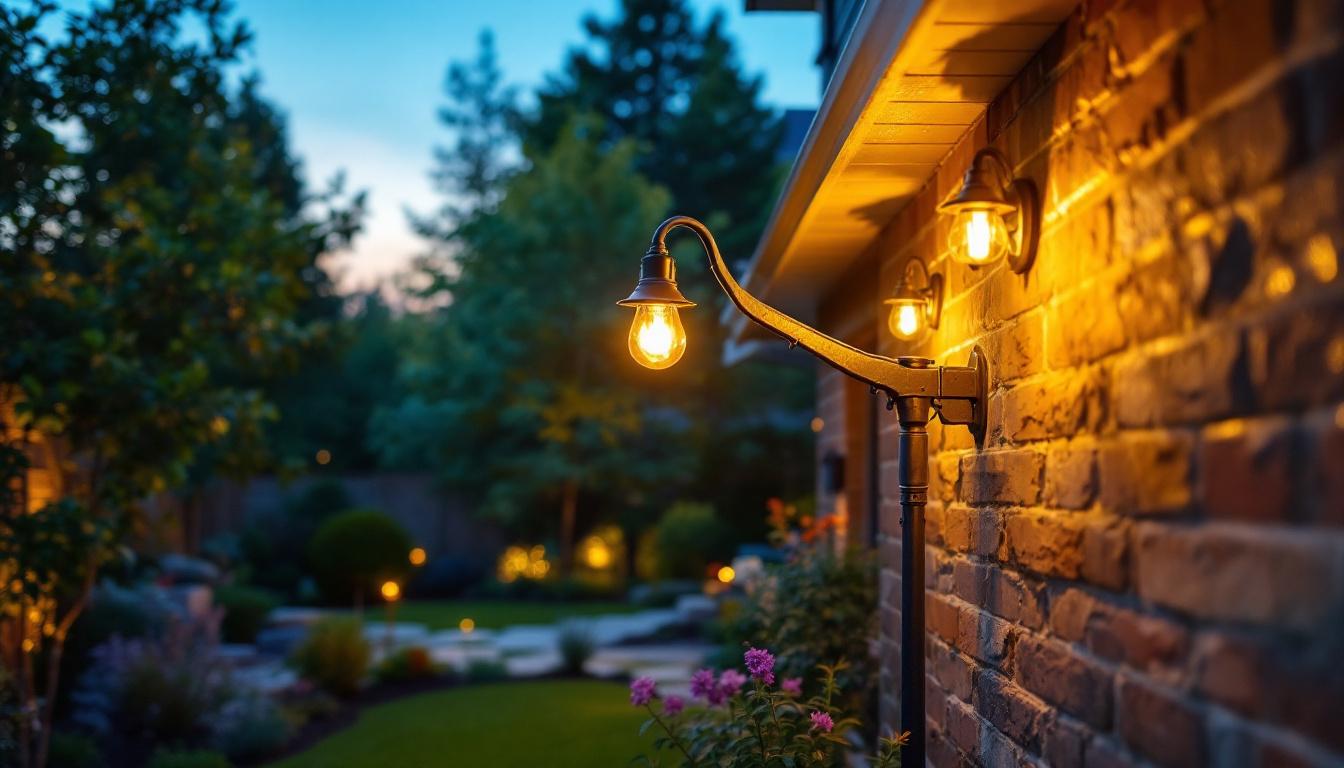
The Growing Importance of Outdoor Lighting Security
Outdoor lighting has long been a critical component of residential and commercial security strategies. For lighting contractors, understanding the evolution of outdoor lighting security is essential to meet the increasing demands of clients who seek not only aesthetic appeal but also enhanced safety and crime prevention. Outdoor lighting serves multiple purposes: it deters potential intruders, improves visibility for surveillance systems, and creates a welcoming environment for occupants and visitors.
Recent studies highlight that well-designed outdoor lighting can reduce crime rates by up to 30% in certain areas. This statistic underscores the importance of integrating security-focused lighting solutions in both urban and suburban environments. For contractors, staying informed about the latest technologies and design principles is crucial to delivering effective security lighting that aligns with modern expectations.
Moreover, the integration of smart lighting systems has revolutionized outdoor security. These systems can be programmed to adjust brightness based on the time of day or the presence of movement, providing a dynamic approach to safety. For instance, motion-sensor lights can illuminate pathways and entry points only when someone approaches, conserving energy while still ensuring safety. Additionally, many smart lighting solutions can be controlled remotely via smartphone apps, allowing homeowners to manage their outdoor lighting from anywhere, thus enhancing the sense of security even when they are away from home.
Furthermore, the aesthetic aspect of outdoor lighting cannot be overlooked. A well-lit property not only enhances security but also improves the overall ambiance and curb appeal. Landscape lighting, for example, can highlight architectural features, illuminate gardens, and create inviting outdoor spaces for social gatherings. This dual functionality of security and aesthetics makes outdoor lighting an invaluable investment for property owners. As trends evolve, contractors must also consider eco-friendly options, such as solar-powered lights, which contribute to sustainability while providing effective illumination. This growing emphasis on energy efficiency aligns with the broader societal shift towards environmentally conscious living, making it an essential aspect of modern outdoor lighting design.
Technological Advancements Transforming Outdoor Security Lighting
LED Lighting: Efficiency Meets Security
The shift from traditional incandescent and halogen bulbs to LED technology represents one of the most significant advancements in outdoor lighting. LEDs offer superior energy efficiency, longer lifespan, and greater durability, making them ideal for security applications. Their ability to provide bright, consistent illumination enhances visibility around properties, which is vital for deterring criminal activity.
Moreover, LEDs can be integrated with smart controls, allowing for dynamic lighting schedules and motion-activated responses. This adaptability not only conserves energy but also increases the unpredictability of lighting patterns, which can further discourage unauthorized access. Additionally, the color temperature of LED lights can be adjusted to create a more natural daylight effect, which not only improves visibility but also makes environments feel safer and more inviting. The versatility of LEDs allows for creative placement and design, enabling homeowners to highlight pathways, entrances, and vulnerable areas without compromising aesthetic appeal.
Smart Lighting Systems and IoT Integration
The integration of Internet of Things (IoT) technology into outdoor lighting has revolutionized security capabilities. Smart lighting systems enable remote monitoring and control through mobile devices or centralized management platforms. For lighting contractors, this means offering clients solutions that can be tailored to specific security needs and adjusted in real-time.
Features such as motion sensors, ambient light detection, and programmable timers enhance the effectiveness of security lighting. Additionally, smart systems can be linked with security cameras and alarms, creating a comprehensive security network that improves response times and situational awareness. The data collected from these systems can also provide valuable insights into patterns of activity around a property, allowing homeowners to make informed decisions about their security measures. With the ability to receive alerts on suspicious movements or changes in light conditions, users can respond promptly, ensuring that their properties remain safe and secure.
Solar-Powered Security Lights
Environmental concerns and rising energy costs have driven the adoption of solar-powered outdoor security lights. These systems harness renewable energy, reducing operational expenses and environmental impact. Advances in battery storage and solar panel efficiency have made solar lighting a viable option even in less sunny regions.
For contractors, offering solar-powered solutions expands the range of options for clients, particularly in remote or off-grid locations where traditional electrical infrastructure may be limited or costly to install. Furthermore, many modern solar lights come equipped with features such as dusk-to-dawn sensors and adjustable brightness settings, allowing users to customize their lighting based on specific needs and environmental conditions. This flexibility not only enhances security but also promotes sustainability, as homeowners can rely on clean energy sources to power their outdoor lighting systems. As technology continues to evolve, we can expect even more innovative solar solutions that combine efficiency with cutting-edge design, making them an attractive choice for a wide array of applications.
Design Principles for Effective Outdoor Security Lighting
Balancing Brightness and Glare
Effective security lighting requires a careful balance between sufficient brightness and minimizing glare. Overly bright lights can create harsh shadows and blind spots, potentially aiding rather than deterring intruders. Lighting contractors must design layouts that provide uniform illumination across critical areas such as entrances, pathways, and parking lots.
Using fixtures with adjustable beam angles and shields can help direct light precisely where it is needed. This approach enhances visibility while reducing light pollution and discomfort for residents or employees.
Layered Lighting Strategies
Layered lighting involves combining different types of fixtures and lighting techniques to create a comprehensive security environment. Ambient lighting provides general illumination, while task lighting focuses on specific areas like doorways or staircases. Accent lighting can highlight potential hazards or architectural features, improving overall situational awareness.
Contractors who employ layered lighting strategies can deliver more effective security solutions that address both functional and aesthetic considerations, ultimately increasing client satisfaction.
Integration with Surveillance and Access Control
Outdoor lighting should complement other security measures such as surveillance cameras and access control systems. Proper illumination enhances camera image quality, enabling clearer identification of individuals and activities. Coordinating lighting with access points ensures that entryways are well-lit, reducing vulnerabilities.
Lighting contractors should collaborate closely with security system installers to design integrated solutions that maximize overall security performance.
Regulatory Considerations and Industry Standards
Compliance with Local Lighting Ordinances
Many municipalities have established outdoor lighting regulations aimed at reducing light pollution and protecting community safety. These ordinances often specify acceptable brightness levels, fixture types, and curfew hours. Lighting contractors must be well-versed in local codes to ensure that their installations are compliant and avoid potential fines or client dissatisfaction.
Understanding these regulations also helps contractors recommend solutions that balance security needs with environmental and community concerns.
Adherence to Security Lighting Standards
Industry standards, such as those developed by the Illuminating Engineering Society (IES), provide guidelines for security lighting design. These standards cover aspects like minimum illumination levels, uniformity ratios, and color temperature recommendations. Following these guidelines ensures that installations meet recognized benchmarks for effectiveness and safety.
Contractors who demonstrate expertise in applying these standards can differentiate themselves in a competitive market by delivering high-quality, reliable security lighting solutions.
Future Trends Shaping Outdoor Lighting Security
Artificial Intelligence and Predictive Analytics
Emerging technologies like artificial intelligence (AI) are beginning to influence outdoor security lighting. AI-powered systems can analyze patterns of movement and environmental conditions to adjust lighting proactively. Predictive analytics may enable lighting to respond to potential threats before they occur, enhancing preventive security measures.
For lighting contractors, staying informed about these innovations opens opportunities to offer cutting-edge solutions that anticipate client needs and improve security outcomes.
Human-Centric Lighting and Security
Human-centric lighting focuses on the impact of light on human behavior and well-being. In security contexts, this approach considers factors such as color temperature and circadian rhythms to create environments that feel safe and comfortable without causing undue stress or disruption.
Incorporating human-centric principles into outdoor security lighting can improve occupant satisfaction and compliance with lighting use, making it a valuable consideration for forward-thinking contractors.
Enhanced Sustainability Practices
Sustainability continues to be a driving force in the lighting industry. Beyond energy efficiency, contractors are exploring materials, installation methods, and maintenance practices that reduce environmental impact. This includes using recyclable components, minimizing light trespass, and designing for longevity.
Clients increasingly prioritize sustainable solutions, making this an important area for contractors to develop expertise and promote within their service offerings.
Practical Tips for Lighting Contractors Implementing Security Solutions
Conduct Thorough Site Assessments
A successful outdoor security lighting project begins with a comprehensive site assessment. Contractors should evaluate the property’s layout, existing lighting conditions, potential vulnerabilities, and client security objectives. This information forms the basis for a tailored lighting design that addresses specific needs.
Engaging with clients during this phase helps set realistic expectations and fosters collaborative decision-making.
Prioritize Quality and Durability
Outdoor security lighting fixtures must withstand harsh environmental conditions, including moisture, temperature fluctuations, and physical impact. Selecting high-quality, weather-resistant products reduces maintenance costs and ensures consistent performance over time.
Contractors should also consider ease of installation and compatibility with control systems to streamline project execution.
Provide Clear Documentation and Training
Clients benefit from clear documentation outlining system operation, maintenance requirements, and troubleshooting procedures. Offering training sessions or instructional materials enhances client confidence and satisfaction.
Well-informed clients are more likely to maximize the effectiveness of their security lighting investments.
Conclusion: Embracing Innovation to Enhance Security Lighting
The evolution of outdoor lighting security reflects broader trends in technology, design, and sustainability. For lighting contractors, embracing these changes is essential to delivering solutions that meet contemporary security challenges while satisfying client expectations.
By integrating advanced technologies such as LED and smart systems, adhering to regulatory standards, and applying thoughtful design principles, contractors can play a pivotal role in enhancing safety and security through outdoor lighting. Staying ahead of future trends and maintaining a commitment to quality and client collaboration will ensure continued success in this dynamic and vital sector of the lighting industry.
Illuminate Your Projects with LumenWholesale
Ready to elevate your outdoor lighting security projects with the latest innovations and sustainable solutions? Look no further than LumenWholesale, where we provide lighting contractors with the highest quality, spec-grade lighting products at exceptional wholesale prices. Say goodbye to local distributor markups and hello to a vast selection of industry-standard lighting that promises reliability and high performance. Plus, with free shipping on bulk orders, you can trust that you’re getting premium lighting at the best value — transparently and conveniently. Don’t compromise on quality or cost. Wholesale Lighting at the Best Value is just a click away. Transform your outdoor security lighting with LumenWholesale today.