Lighting for bars presents unique challenges that require expertise, creativity, and a deep understanding of both design and functionality. As the demand for aesthetically pleasing and effective lighting solutions grows, lighting contractors find themselves navigating a complex landscape. This article explores the top challenges faced by lighting contractors when working on bar projects, providing insights and potential solutions for each.
Understanding the Space
One of the foremost challenges in bar lighting is understanding the specific space being worked on. Bars come in various shapes, sizes, and styles, each requiring a tailored lighting approach. The ambiance of a bar is crucial to its success, and lighting plays a significant role in creating that atmosphere.
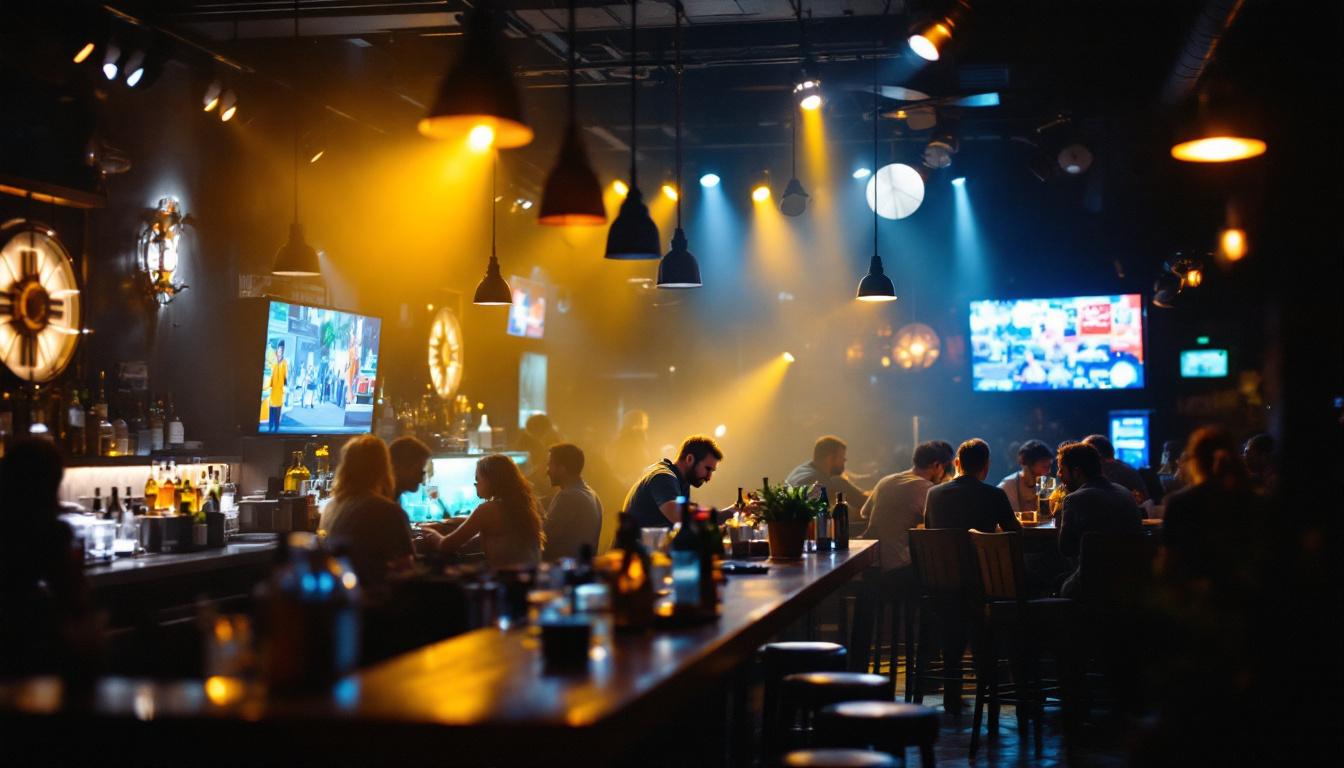
Contractors must assess the layout, color scheme, and overall theme of the bar. For example, a trendy cocktail lounge may benefit from softer, dimmable lighting to create an intimate atmosphere, while a sports bar may require brighter, more functional lighting to ensure visibility for patrons watching games. This initial assessment is vital in determining the right lighting fixtures and placement. Furthermore, the use of color temperature can greatly influence the mood; warmer tones can evoke a sense of coziness, while cooler tones can lend a more modern and energetic feel. Understanding how these elements interact with the space can lead to a more immersive experience for patrons.
Design Constraints
Design constraints can significantly impact lighting decisions. Many bars are located in historic buildings or have unique architectural features that must be preserved. In such cases, lighting contractors need to work creatively to integrate modern lighting solutions without compromising the integrity of the space.
For instance, using track lighting or recessed fixtures can help maintain the aesthetic while providing adequate illumination. Additionally, understanding the limitations of existing electrical systems is essential. Contractors may need to collaborate with electrical engineers to ensure that the lighting design is feasible and safe. In some instances, they may even explore the use of energy-efficient LED technology, which can offer flexibility in design while reducing energy costs. This not only supports sustainability goals but also aligns with the growing trend of eco-conscious consumers who prefer establishments that prioritize environmental responsibility.
Balancing Functionality and Aesthetics
Another challenge is balancing functionality with aesthetics. While the visual appeal of lighting is crucial, it must also serve practical purposes. Bars require adequate lighting for safety, navigation, and functionality, especially in areas like the bar counter and restrooms.
Contractors must carefully select fixtures that not only enhance the bar’s design but also provide sufficient light levels. This often involves using a combination of ambient, task, and accent lighting to create a well-rounded environment. The goal is to ensure that patrons feel comfortable and safe while enjoying their experience. Additionally, the strategic placement of lighting can highlight specific design elements, such as artwork or architectural details, thereby enhancing the overall visual narrative of the space. Incorporating smart lighting systems can also provide the flexibility to adjust brightness and color throughout the day, allowing the bar to transition seamlessly from a vibrant social hub during peak hours to a more subdued setting for late-night conversations. This adaptability can significantly enhance the overall customer experience, making the bar a preferred destination for a diverse clientele.
Choosing the Right Fixtures
The selection of lighting fixtures is a critical aspect of any bar project. With an array of options available, lighting contractors must navigate the complexities of fixture types, styles, and technologies. Each choice can significantly impact the overall feel of the space. The right fixtures not only illuminate but also enhance the bar’s aesthetic, creating an inviting atmosphere that encourages patrons to linger and enjoy their experience.
LED technology has become increasingly popular due to its energy efficiency and longevity. However, the color temperature of LEDs can vary, affecting the mood of the bar. Contractors must choose fixtures that emit the right hue to complement the bar’s design and theme, whether it be warm, cool, or neutral tones. For instance, warmer tones can evoke a sense of comfort and intimacy, perfect for cocktail lounges, while cooler tones might be more suitable for modern, vibrant spaces aiming for a lively ambiance.
Fixture Placement
Proper fixture placement is essential for achieving the desired lighting effect. In bars, lighting should be strategically positioned to highlight key areas such as the bar itself, seating arrangements, and artwork. However, this can be challenging due to the need to avoid glare and shadows that may detract from the experience. Thoughtful placement can also guide the flow of movement within the space, ensuring that patrons feel welcomed and directed without feeling overwhelmed.
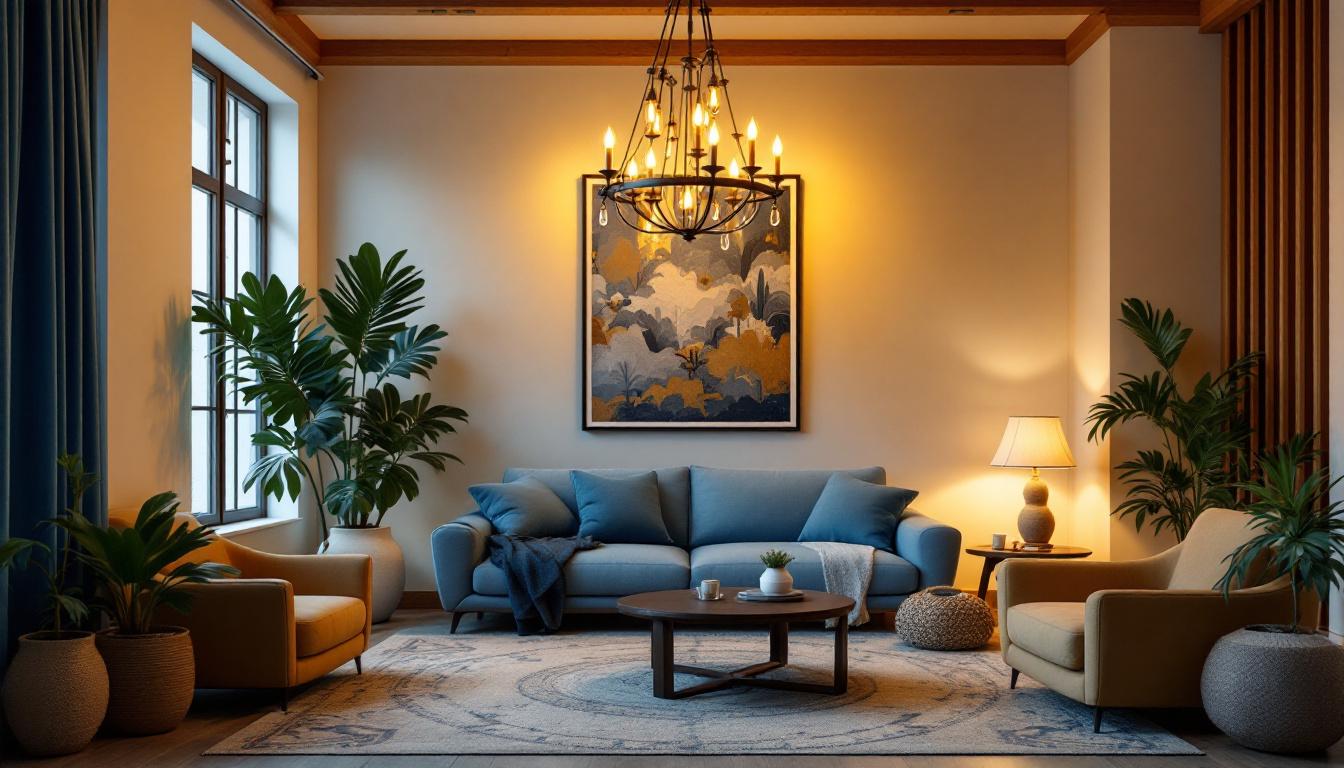
Contractors often use layering techniques to create depth and dimension in the lighting. This involves combining different types of fixtures and varying their heights and angles. For example, pendant lights over the bar can provide focused task lighting, while wall sconces can add warmth and ambiance to seating areas. Additionally, incorporating accent lighting to showcase unique architectural features or decorative elements can further enhance the visual appeal of the bar, making it a memorable destination for guests.
Adapting to Changing Trends
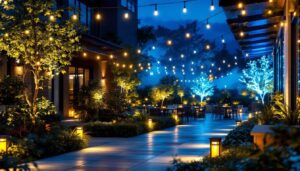
The bar industry is constantly evolving, with new trends emerging regularly. Lighting contractors must stay informed about these trends to provide clients with contemporary solutions. For instance, the rise of outdoor dining has led to increased demand for weather-resistant fixtures and innovative outdoor lighting designs. This shift not only caters to customer preferences for al fresco experiences but also allows bars to extend their operational hours into the evening, maximizing their potential for revenue.
Additionally, the trend towards sustainability has prompted many bars to seek eco-friendly lighting options. Contractors should be prepared to offer solutions that align with these trends, such as energy-efficient fixtures and smart lighting systems that can be controlled remotely. These systems can adapt to different times of day or customer occupancy levels, ensuring that energy is used efficiently while maintaining the desired atmosphere. Moreover, integrating natural elements, such as biophilic design principles, can enhance the overall experience, making patrons feel more connected to their environment while promoting a sense of well-being.
Compliance with Regulations
Compliance with local regulations and codes is another challenge that lighting contractors must navigate. Bars must adhere to specific safety and accessibility standards, which can vary by location. Understanding these regulations is crucial to avoid potential legal issues and ensure a safe environment for patrons.
For example, the Americans with Disabilities Act (ADA) outlines requirements for lighting in public spaces, including minimum illumination levels and accessibility considerations. Contractors must ensure that their lighting designs meet these standards while still achieving the desired aesthetic.
Working with Other Contractors
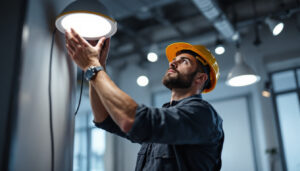
Collaboration with other contractors is essential in bar projects. Lighting contractors often work alongside general contractors, interior designers, and electricians to bring the vision to life. Effective communication and coordination are vital to ensure that all aspects of the project align seamlessly.
Regular meetings and updates can help keep everyone on the same page, preventing misunderstandings and delays. Additionally, being proactive in addressing potential conflicts or challenges can lead to smoother project execution.
Budget Constraints
Budget constraints are a common challenge in any construction or renovation project, and bars are no exception. Lighting contractors must work within the financial limits set by their clients while still delivering high-quality results. This often requires creative problem-solving and prioritization of essential elements.
Contractors can help clients understand the long-term benefits of investing in quality lighting solutions, such as energy savings and reduced maintenance costs. By presenting a range of options that cater to different budgets, contractors can ensure that clients feel satisfied with their choices without compromising on quality.
Maintaining Flexibility
Flexibility is crucial for lighting contractors working in the bar industry. As projects progress, changes may arise due to unforeseen circumstances or evolving client preferences. Being adaptable and open to adjustments can make a significant difference in the overall success of the project.
For instance, a client may decide to change the layout of the bar after the initial design has been completed. Contractors must be prepared to revisit their lighting plans and make necessary modifications to accommodate these changes. This adaptability not only enhances client satisfaction but also demonstrates professionalism and expertise.
Technology Integration
With the advancement of technology, integrating smart lighting systems into bar designs has become increasingly popular. These systems allow for customizable lighting scenarios, enabling bar owners to adjust the ambiance based on the time of day or specific events.
However, incorporating technology can present challenges, particularly in terms of installation and compatibility with existing systems. Lighting contractors must stay updated on the latest technologies and ensure that they can seamlessly integrate these solutions into their designs.
Post-Installation Support
Once the lighting installation is complete, the relationship between the contractor and the bar owner does not end. Providing post-installation support is essential for ensuring that the lighting systems function as intended and meet the client’s expectations.
Contractors should offer guidance on maintenance and troubleshooting, as well as be available for any adjustments that may be needed after the bar opens. This ongoing support can foster positive relationships and lead to repeat business or referrals in the future.
Conclusion
Lighting for bars is a multifaceted challenge that requires a deep understanding of design, functionality, and client needs. By addressing the unique challenges outlined in this article, lighting contractors can enhance their expertise and deliver exceptional results for their clients. From understanding the space and choosing the right fixtures to navigating regulations and maintaining flexibility, each aspect plays a crucial role in the success of bar lighting projects.
As the bar industry continues to evolve, staying informed about trends and technologies will be essential for lighting contractors. By embracing these challenges and adapting to the changing landscape, contractors can position themselves as leaders in the field, providing innovative and effective lighting solutions that elevate the bar experience for patrons.
Illuminate Your Bar Projects with LumenWholesale
Ready to tackle the challenges of bar lighting with confidence? At LumenWholesale, we offer an extensive range of spec-grade lighting products that cater to the unique needs of every bar atmosphere. Our commitment to quality, affordability, and convenience ensures that you can access the best lighting solutions without the burden of inflated markups. With free shipping on bulk orders, LumenWholesale is your go-to source for premium lighting at wholesale prices. Elevate your next bar project by choosing Wholesale Lighting at the Best Value with LumenWholesale.