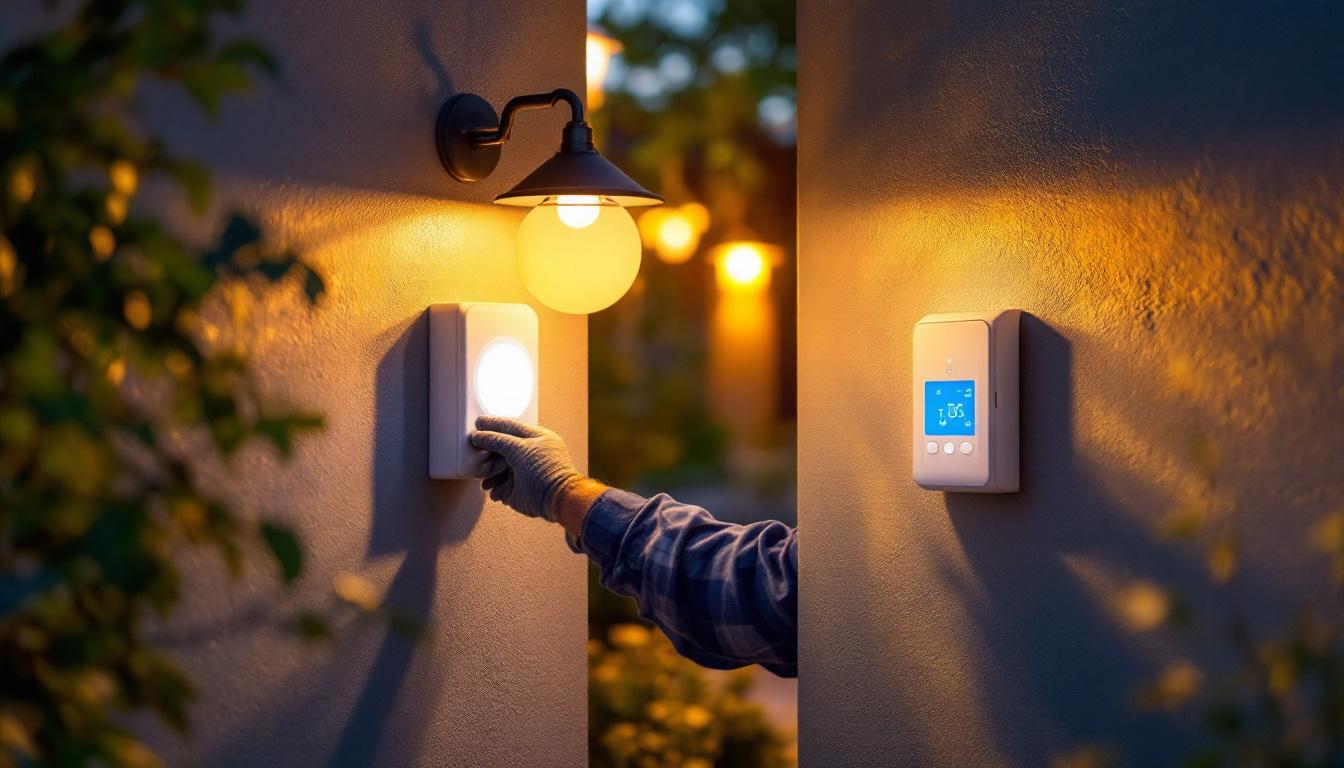
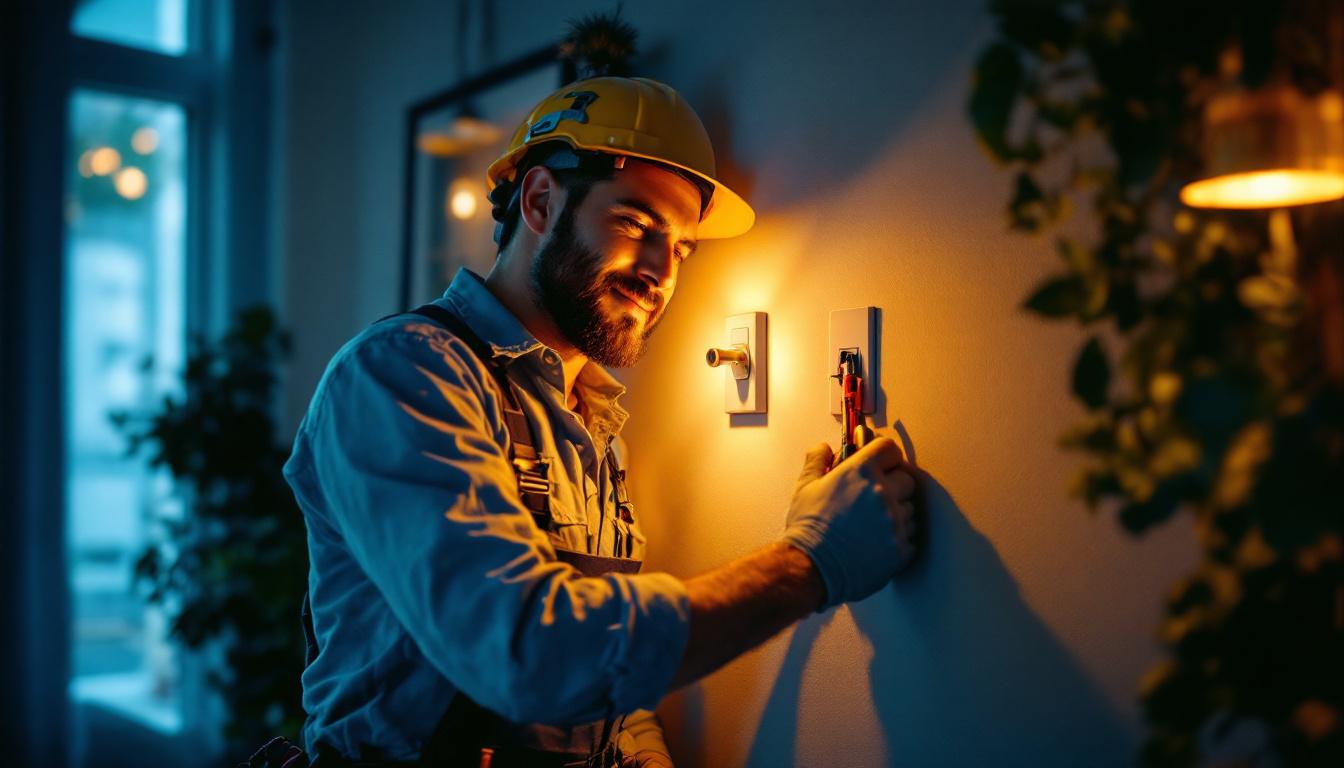
In the world of outdoor lighting, the importance of efficiency and convenience cannot be overstated. For lighting contractors, understanding the intricacies of outdoor timer switches is essential for delivering optimal solutions to clients. This article delves into the various aspects of outdoor timer switches, providing expert advice to enhance your knowledge and service offerings.
Understanding Outdoor Timer Switches
Outdoor timer switches are devices designed to automate the control of outdoor lighting systems. By allowing lights to turn on and off at predetermined times, these switches not only improve convenience but also enhance energy efficiency. For contractors, integrating timer switches into lighting installations can significantly increase customer satisfaction.
Types of Outdoor Timer Switches
There are several types of outdoor timer switches available on the market, each catering to different needs and preferences. The most common types include mechanical timers, digital timers, and smart timers.
Mechanical timers are straightforward devices that rely on a dial to set the on/off times. They are often more affordable but may lack the precision and features of their digital counterparts. Digital timers offer programmable settings, allowing users to customize schedules more easily. Smart timers take it a step further by connecting to Wi-Fi networks, enabling remote control and integration with smart home systems.
In addition to these primary types, there are also specialized timers designed for specific applications, such as photocell timers that automatically activate lights at dusk and deactivate them at dawn. This feature is particularly useful for homeowners who want to ensure their outdoor spaces are illuminated without having to remember to adjust settings seasonally. Furthermore, some timers are equipped with weatherproof casings, making them ideal for harsh outdoor conditions, ensuring durability and reliability throughout the year.
Benefits of Using Timer Switches
Incorporating timer switches into outdoor lighting systems offers numerous benefits. Firstly, they provide enhanced security by ensuring that lights are on during peak hours of darkness, deterring potential intruders. Secondly, they contribute to energy savings by reducing unnecessary usage, as lights can be programmed to turn off when not needed.
Moreover, timer switches can help maintain the longevity of lighting fixtures. By controlling the duration of use, contractors can prevent overheating and reduce wear and tear, ultimately extending the lifespan of the lighting system. Additionally, the use of timer switches can lead to a more aesthetically pleasing outdoor environment. By programming lights to highlight landscaping features or pathways at specific times, homeowners can create a welcoming atmosphere for guests and enhance the overall curb appeal of their property.
Another significant advantage of outdoor timer switches is their ability to support seasonal adjustments. As the days grow shorter in winter and longer in summer, users can easily modify the settings to ensure optimal lighting throughout the year. This adaptability not only enhances the functionality of outdoor spaces but also allows homeowners to enjoy their yards and gardens in all seasons, making outdoor living areas more versatile and enjoyable.
Installation Considerations
When installing outdoor timer switches, several factors must be taken into account to ensure a successful setup. Proper installation not only guarantees functionality but also enhances safety and reliability.
Location and Accessibility
Choosing the right location for the timer switch is crucial. It should be easily accessible for manual adjustments while also being protected from the elements. Ideally, the switch should be mounted in a sheltered area, such as under an eave or inside a weatherproof enclosure, to prevent damage from rain or snow.
Additionally, consider the proximity to the lighting fixtures. A shorter distance between the timer and the lights can minimize voltage drop and ensure efficient operation. This is particularly important for larger installations where multiple fixtures are involved. Furthermore, it’s wise to think about the visibility of the timer switch. If it’s located in a hidden or hard-to-reach spot, it may complicate troubleshooting or adjustments in the future. A well-placed switch can also improve the aesthetic of your outdoor space, blending seamlessly with the surrounding environment.
Wiring and Compatibility
Ensuring compatibility between the timer switch and the lighting system is essential. Contractors should verify that the switch can handle the total wattage of the connected lights. Overloading a timer switch can lead to malfunction or even fire hazards.
Wiring must also be done correctly to prevent issues. It is advisable to follow the manufacturer’s wiring diagram closely and adhere to local electrical codes. For those unfamiliar with electrical work, consulting with a licensed electrician may be necessary to ensure safety and compliance. Additionally, it’s beneficial to consider the type of wiring used; using outdoor-rated cables can provide extra protection against moisture and UV exposure. This not only prolongs the lifespan of the installation but also contributes to the overall safety of the electrical system. Furthermore, incorporating surge protection devices can safeguard the timer switch and connected lights from power surges, adding another layer of reliability to your outdoor lighting setup.
Programming the Timer Switch
Once installed, programming the timer switch is the next critical step. This process can vary significantly depending on the type of timer being used.
Mechanical Timer Programming
Mechanical timers typically feature a dial with pins or segments that represent different time intervals. To program these devices, contractors need to set the current time and then adjust the pins to indicate when the lights should turn on and off. While this process is relatively straightforward, it may require some trial and error to achieve the desired schedule.
Digital and Smart Timer Programming
Digital timers often come with LCD screens and buttons, allowing for more precise programming. Users can set multiple on/off cycles, which is particularly useful for clients with varying schedules. Smart timers generally require a mobile app for programming, enabling users to control their lights remotely and adjust settings from anywhere.
For contractors, familiarizing themselves with the programming features of various timer models can enhance service quality. Providing clients with a brief tutorial on how to adjust settings can also improve customer satisfaction.
Common Issues and Troubleshooting
Even with proper installation and programming, issues may arise with outdoor timer switches. Being able to troubleshoot these problems is an invaluable skill for lighting contractors.
Power Supply Problems
One of the most common issues is a lack of power supply to the timer switch. This can occur if the circuit breaker has tripped or if there is a blown fuse. Contractors should advise clients to check these components first if the lights fail to operate as scheduled.
Additionally, ensuring that the timer switch is correctly wired is essential. Loose connections can lead to intermittent power supply, causing the timer to malfunction.
Incorrect Programming
Another frequent issue is incorrect programming. Clients may inadvertently set the wrong time or forget to activate the timer. Providing clear instructions and possibly a quick reference guide can help alleviate these concerns. It is also beneficial to encourage clients to test the timer settings periodically to ensure they are functioning as intended.
Enhancing Outdoor Lighting with Timer Switches
Outdoor timer switches can significantly enhance the functionality and aesthetics of outdoor lighting systems. By strategically integrating these devices, contractors can create versatile lighting solutions that cater to various client needs.
Seasonal Adjustments
As seasons change, so do daylight hours. Timer switches allow for easy adjustments to lighting schedules, ensuring that lights are used effectively throughout the year. For instance, during the summer months, lights may need to be programmed to turn on later in the evening, while in winter, earlier activation may be necessary.
Contractors can offer seasonal maintenance services to help clients adjust their timer settings, ensuring optimal functionality and energy efficiency year-round.
Integration with Other Systems
For clients seeking advanced solutions, integrating timer switches with other smart home systems can provide added convenience. This could include synchronization with motion sensors, allowing lights to turn on automatically when someone approaches, or linking with smart home hubs for voice control capabilities.
By offering these integration options, contractors can position themselves as experts in modern outdoor lighting solutions, appealing to tech-savvy clients looking for cutting-edge features.
Client Education and Support
Educating clients about the benefits and functionalities of outdoor timer switches is crucial for ensuring satisfaction and encouraging repeat business. Providing comprehensive support can set contractors apart in a competitive market.
Demonstrating Features
During the installation process, taking the time to demonstrate the features of the timer switch can empower clients. Showing them how to adjust settings, troubleshoot common issues, and understand the benefits of automation can enhance their overall experience.
Providing a user-friendly manual or quick-start guide can also serve as a valuable resource for clients, allowing them to reference information as needed.
Offering Ongoing Support
Establishing a reputation for excellent customer service can lead to long-term relationships with clients. Offering ongoing support, whether through follow-up calls, email consultations, or maintenance visits, can reassure clients that they can rely on your expertise even after the installation is complete.
By positioning yourself as a knowledgeable and supportive contractor, clients are more likely to recommend your services to others, helping to grow your business.
Conclusion
Outdoor timer switches are an essential component of modern outdoor lighting systems, providing convenience, security, and energy efficiency. For lighting contractors, understanding the various types, installation considerations, programming techniques, and troubleshooting methods is crucial for delivering exceptional service.
By educating clients and offering ongoing support, contractors can enhance customer satisfaction and foster long-term relationships. As the demand for smart and efficient lighting solutions continues to grow, staying informed about the latest advancements in outdoor timer switches will ensure that contractors remain competitive and successful in their field.
Get Your Premium Outdoor Timer Switches at LumenWholesale
Ready to elevate your lighting projects with high-quality outdoor timer switches? Look no further than LumenWholesale, where we provide contractors with spec-grade lighting products at unbeatable wholesale prices. Our selection of outdoor timer switches meets the highest industry standards, ensuring you deliver convenience, security, and energy efficiency to your clients. Take advantage of our hassle-free bulk buying options with free shipping and no hidden fees. Don’t compromise on quality or price. Visit LumenWholesale now to find the best value in wholesale lighting for your next project.