Understanding the Unique Lighting Needs of Pole Barns
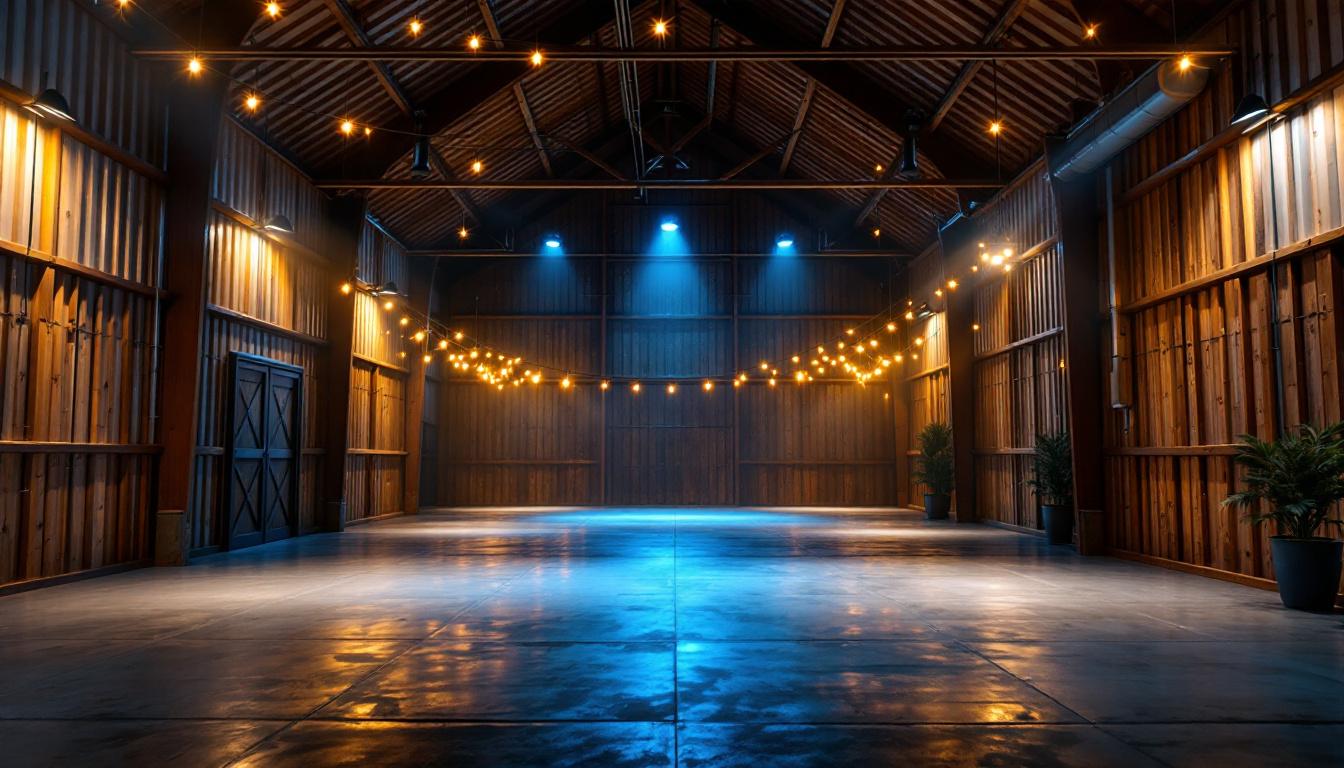
Pole barns, often used for agricultural, commercial, or storage purposes, present distinct challenges and opportunities when it comes to lighting. Unlike traditional buildings, pole barns typically feature open interiors with high ceilings, exposed framing, and minimal insulation. This architectural style influences both the type and placement of lighting fixtures. The expansive space can be both a blessing and a challenge, as it allows for flexibility in design but also requires careful consideration to ensure that every corner is adequately illuminated.
Lighting contractors must consider factors such as the barn’s intended use, ceiling height, natural light availability, and energy efficiency goals. For example, a pole barn used for livestock housing requires different lighting than one used for a workshop or retail space. Understanding these nuances is essential to designing an effective lighting system that enhances visibility, safety, and functionality. Furthermore, the choice of lighting can also impact the well-being of animals, as certain light spectrums can influence their behavior and productivity. Therefore, selecting the right type of fixtures is not just about brightness; it’s about creating an environment that supports the barn’s specific activities.
Key Considerations for Pole Barn Lighting
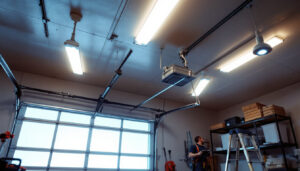
One of the primary considerations is the height of the ceiling, which can range from 12 to over 30 feet. This affects the choice of fixtures, as high ceilings often necessitate high-output lighting with wide beam angles to ensure even illumination across the floor. In addition, the distance between fixtures must be calculated carefully to avoid dark spots that could hinder activities or pose safety risks. The use of LED lights has gained popularity due to their longevity and energy efficiency, making them an excellent choice for high ceilings where maintenance can be challenging.
Additionally, pole barns often have exposed metal or wood framing, which can create shadows or glare if lighting is not carefully planned. Contractors should aim to minimize these issues by selecting fixtures with appropriate optics and positioning them strategically. Incorporating dimmable options can also enhance versatility, allowing users to adjust lighting levels based on the time of day or specific tasks being performed. Moreover, integrating natural light sources, such as skylights or large windows, can significantly reduce energy costs while providing a more pleasant working environment. This combination of artificial and natural lighting not only enhances the aesthetic appeal of the barn but also contributes to a more sustainable operation overall.
Choosing the Right Lighting Types for Pole Barns
Selecting the appropriate lighting type is crucial for achieving the desired brightness, energy efficiency, and durability. Several lighting technologies are particularly well-suited for pole barns, each with its own advantages and limitations.
LED High Bay Lights
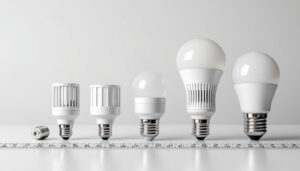
LED high bay lights are among the most popular choices for pole barns with high ceilings. They offer excellent energy efficiency, long lifespan, and superior light quality compared to traditional metal halide or fluorescent fixtures. Their directional light output reduces wasted light and glare, making them ideal for illuminating large open spaces.
Moreover, LEDs perform well in cold environments, which is often a consideration for unheated pole barns. Their instant-on capability and dimmability add flexibility, allowing for customized lighting scenes depending on the barn’s use.
Fluorescent Fixtures
While LED technology has largely surpassed fluorescent lighting in efficiency and longevity, fluorescent fixtures remain a cost-effective option for some pole barn applications. They provide diffuse, even lighting that can reduce harsh shadows, which is beneficial in workspaces.
However, fluorescent bulbs have shorter lifespans and contain mercury, requiring careful disposal. Contractors should weigh these factors against initial installation costs when recommending fluorescent lighting.
Metal Halide and HID Lighting
Metal halide and other high-intensity discharge (HID) lamps were once standard for pole barn lighting due to their high lumen output. They are still used in certain scenarios where very bright, broad-spectrum light is necessary.
Despite their brightness, these fixtures have drawbacks, including long warm-up times, higher energy consumption, and shorter lifespans compared to LEDs. For these reasons, many contractors are transitioning clients away from HID lighting in favor of modern LED solutions.
Designing an Effective Lighting Layout
Beyond choosing the right fixtures, the layout and control of lighting are critical to maximizing performance and efficiency in pole barns. Contractors must carefully plan fixture placement, aiming for uniform illumination while minimizing shadows and glare.
Spacing and Mounting Height
Proper spacing between fixtures depends on their beam angle and mounting height. High bay LEDs with narrow beam angles require closer spacing, while those with wider beams can be spaced further apart. As a general rule, the distance between fixtures should be roughly equal to the mounting height to achieve even coverage.
Mounting fixtures at the correct height also impacts light distribution. Too low, and the light may be concentrated in small areas, creating glare; too high, and the light intensity may be insufficient at floor level. Contractors should use photometric data and lighting design software to optimize fixture placement.
Zoning and Task Lighting
In many pole barns, different zones serve distinct functions. For example, a workshop area may require brighter, focused task lighting, while storage zones benefit from general ambient lighting. Implementing zoning controls allows users to adjust lighting levels based on activity, improving comfort and energy savings.
Task lighting can be provided through adjustable fixtures or supplemental LED strip lights, which offer targeted illumination without overwhelming the space. This approach enhances productivity and reduces eye strain for workers performing detailed tasks.
Utilizing Natural Light
Maximizing natural light through strategically placed windows, skylights, or translucent panels can significantly reduce electrical lighting needs during daytime. Contractors should advise clients on integrating daylighting elements into pole barn designs or retrofits.
Combining natural light with automated lighting controls such as daylight sensors ensures that artificial lighting adjusts dynamically, maintaining consistent illumination while conserving energy.
Energy Efficiency and Sustainability Considerations
Energy consumption is a major concern for pole barn owners, especially those operating large agricultural or commercial facilities. Lighting contractors play a vital role in recommending solutions that minimize energy use without compromising performance.
LEDs as the Energy-Efficient Standard
LED lighting remains the gold standard for energy efficiency in pole barns. Compared to traditional lighting technologies, LEDs can reduce energy consumption by up to 70%, leading to substantial cost savings over time. Their durability and low maintenance requirements also contribute to lower lifecycle costs.
Additionally, many LED fixtures are compatible with smart controls and sensors, enabling further reductions in energy use through occupancy detection and daylight harvesting.
Lighting Controls and Automation
Incorporating lighting controls such as motion sensors, timers, and dimmers enhances energy efficiency by ensuring lights operate only when needed. For example, motion sensors can turn off lights in seldom-used storage areas automatically, while timers can schedule lighting for specific work shifts.
Advanced automation systems can integrate with building management platforms, providing real-time monitoring and analytics to optimize lighting performance and identify maintenance needs.
Choosing Fixtures with Environmental Certifications
When specifying lighting products, contractors should prioritize fixtures with recognized environmental certifications such as ENERGY STAR or DLC (DesignLights Consortium). These certifications guarantee that products meet stringent performance and efficiency standards, providing assurance to clients about quality and sustainability.
Durability and Maintenance in Pole Barn Environments
Pole barns often expose lighting fixtures to dust, moisture, temperature fluctuations, and physical impacts. Selecting durable fixtures designed to withstand these conditions is essential for long-term reliability.
IP Ratings and Protective Features
Fixtures with appropriate Ingress Protection (IP) ratings guard against dust and water intrusion. For pole barns that may experience high humidity or occasional water spray, an IP rating of IP65 or higher is advisable.
Additionally, shatter-resistant lenses and robust housings protect fixtures from accidental impacts or vibrations common in agricultural settings.
Ease of Maintenance
Maintenance considerations include ease of access for bulb replacement or cleaning. LED fixtures with long lifespans reduce maintenance frequency, but contractors should still design layouts that allow safe and convenient servicing.
Using modular fixtures or those with quick-disconnect wiring can streamline maintenance tasks, minimizing downtime and labor costs for barn owners.
Case Studies: Successful Pole Barn Lighting Installations
Examining real-world examples helps illustrate effective lighting strategies and their benefits. Several pole barn projects demonstrate how tailored lighting solutions enhance functionality and efficiency.
Agricultural Pole Barn Conversion
In a large dairy farm pole barn, LED high bay fixtures replaced aging metal halide lamps. The new lighting system improved visibility for workers during milking and feeding operations, reducing accidents and increasing productivity. Energy consumption dropped by over 60%, resulting in significant cost savings.
Commercial Storage Facility
A commercial pole barn used for equipment storage integrated daylight sensors and motion-activated LED lighting. This approach ensured lights operated only when personnel were present, minimizing energy waste. The facility also benefited from improved security due to consistent illumination in critical areas.
Workshop and Retail Space
A pole barn converted into a mixed-use workshop and retail space employed a combination of general LED high bays and adjustable task lighting. Zoning controls allowed staff to tailor lighting levels for different activities, enhancing customer experience and worker comfort.
Final Recommendations for Lighting Contractors
Choosing the right lighting for pole barns requires a comprehensive understanding of the building’s function, environment, and client goals. Lighting contractors should approach each project with a tailored strategy that balances performance, efficiency, durability, and cost.
Key recommendations include:
- Prioritize LED technology for its energy efficiency and longevity.
- Design lighting layouts using photometric tools to ensure uniform coverage and minimize glare.
- Incorporate zoning and task lighting to enhance functionality and user comfort.
- Utilize natural light and automated controls to reduce energy consumption.
- Select fixtures with appropriate IP ratings and durable construction for harsh environments.
- Educate clients on maintenance best practices to prolong system lifespan.
By following these guidelines, lighting contractors can deliver pole barn lighting solutions that meet the evolving demands of agricultural and commercial clients, improve operational efficiency, and contribute to sustainable building practices.
Illuminate Your Pole Barn Projects with LumenWholesale
Ready to elevate your pole barn lighting solutions? Look no further than LumenWholesale for a vast selection of premium, spec-grade lighting products at unbeatable wholesale prices. With our direct-to-contractor approach, you’ll enjoy superior lighting without the inflated markups. Our commitment to quality and affordability, coupled with the convenience of free shipping on bulk orders, ensures that you get the best value for your investment. Make the smart choice for your next project and experience wholesale lighting at the best value with LumenWholesale.