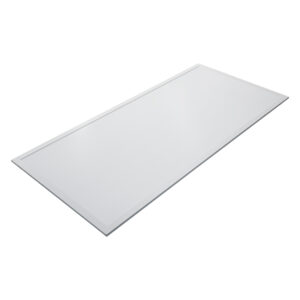
In the world of lighting design, the choice of fixtures can significantly influence the overall aesthetic and functionality of a space. Among the various options available, LED sign lights have emerged as a game-changer for contractors and designers alike. These innovative lighting solutions not only enhance visibility but also contribute to energy efficiency and longevity. This article explores the benefits of LED sign lights and how they can elevate lighting designs to new heights.
Understanding LED Sign Lights
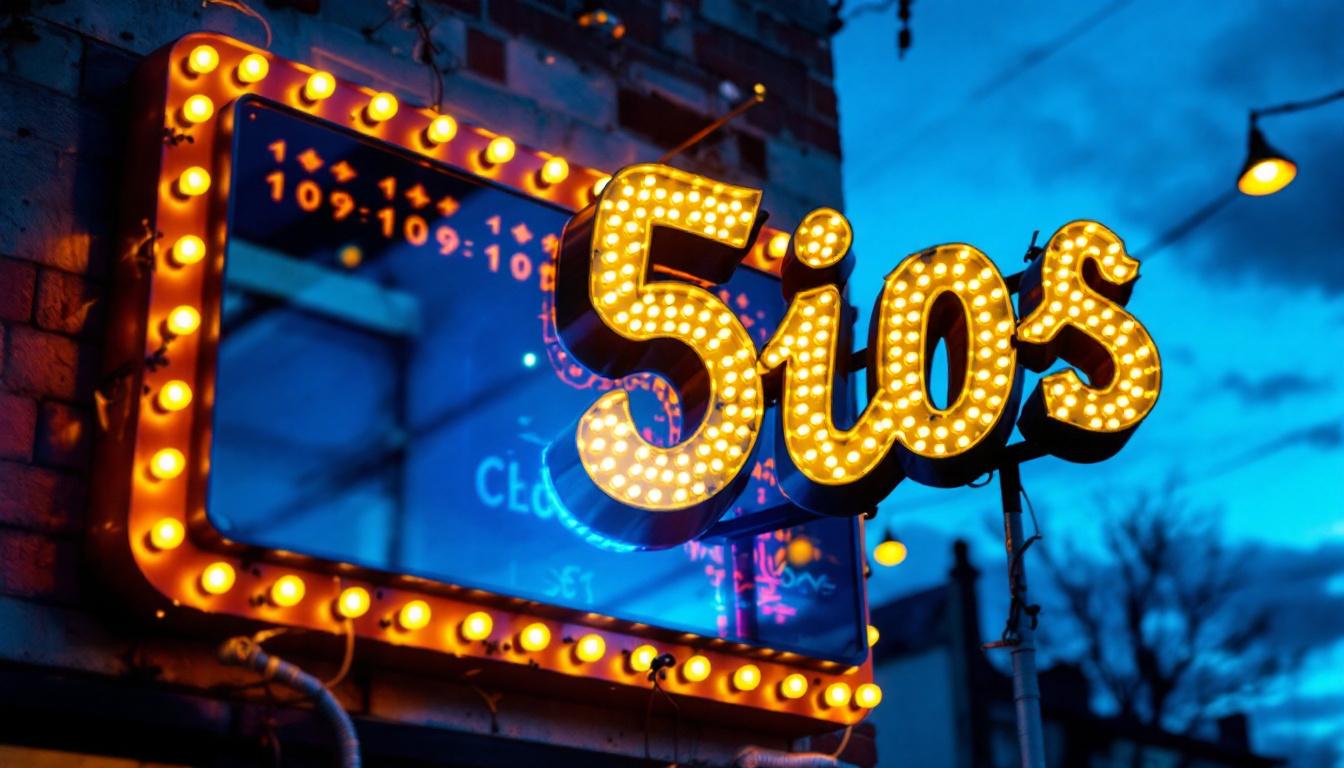
LED sign lights are specialized lighting fixtures designed primarily for illuminating signs, advertisements, and architectural features. Unlike traditional lighting options, LED technology offers numerous advantages that make it a preferred choice for contractors. The compact size and flexibility of LED lights allow for creative and innovative designs that can enhance visibility and attract attention in various settings.
What Makes LED Lights Different?
LEDs, or Light Emitting Diodes, are semiconductor devices that emit light when an electric current passes through them. This technology differs from incandescent or fluorescent bulbs in several key ways:
- Energy Efficiency: LEDs consume significantly less power, translating to lower energy bills and a reduced carbon footprint. This efficiency not only benefits individual consumers but also contributes to broader environmental sustainability efforts.
- Longevity: LED lights have a lifespan that can exceed 25,000 hours, drastically reducing the need for frequent replacements. This longevity means less waste and lower maintenance costs, making them an economically sound choice for businesses.
- Durability: Unlike fragile glass bulbs, LEDs are solid-state lights that are resistant to shocks and vibrations. This resilience makes them particularly suitable for outdoor applications where weather conditions can be unpredictable.
Applications of LED Sign Lights
LED sign lights are versatile and can be used in various applications, including:
- Outdoor Signage: Perfect for illuminating storefronts, billboards, and directional signs. Their brightness and clarity ensure that messages are visible even in direct sunlight, making them an excellent choice for high-traffic areas.
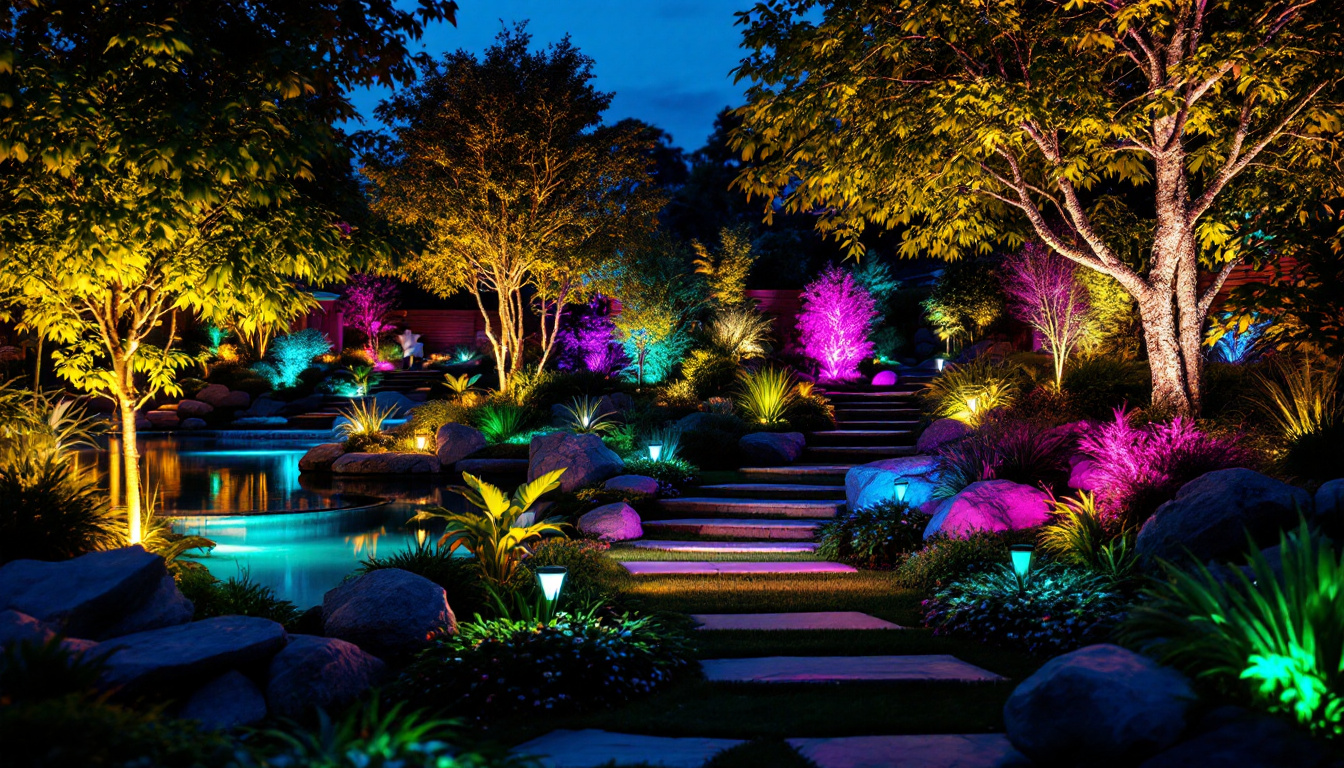
- Architectural Lighting: Enhances the aesthetic appeal of buildings and landmarks. By using different colors and intensities, architects can create stunning visual effects that highlight the unique features of a structure.
- Event Signage: Ideal for exhibitions, trade shows, and promotional events. The ability to easily change messages and designs makes LED sign lights a flexible solution for dynamic advertising needs.
Moreover, the integration of smart technology into LED sign lights has opened up new avenues for interactivity and engagement. Many modern LED systems can be controlled remotely, allowing businesses to update their signage in real-time based on changing promotions or events. This capability not only enhances the effectiveness of advertising but also allows for a more personalized customer experience. Additionally, the use of programmable LED displays can create eye-catching animations and graphics that draw in potential customers and keep them engaged longer.
As the demand for sustainable and efficient lighting solutions continues to grow, the role of LED sign lights in both commercial and residential settings is becoming increasingly significant. With advancements in technology, we can expect to see even more innovative applications for LED lights, including integration with smart city initiatives and energy management systems that optimize usage based on real-time data. This evolution not only benefits businesses looking to reduce costs but also contributes to a greener future for urban environments.
The Advantages of Using LED Sign Lights
Choosing LED sign lights over traditional lighting options offers numerous advantages that can enhance both functionality and design.
Cost-Effectiveness
While the initial investment for LED sign lights may be higher than traditional options, the long-term savings are undeniable. The reduced energy consumption leads to lower utility bills, and the extended lifespan means fewer replacements and maintenance costs. For contractors, this translates into a more attractive proposition for clients looking to manage budgets effectively.
Enhanced Visibility and Aesthetics
One of the primary purposes of sign lighting is to ensure visibility, especially at night. LED sign lights provide bright, consistent illumination that can be tailored to specific needs. With options for color temperature and brightness, contractors can create visually stunning displays that attract attention and enhance brand identity.
Environmental Impact
As sustainability becomes a priority in modern construction and design, LED technology stands out as an eco-friendly option. LEDs contain no harmful substances like mercury, and their energy efficiency contributes to a reduction in greenhouse gas emissions. By opting for LED sign lights, contractors can promote environmentally responsible practices in their projects.
Design Considerations for LED Sign Lights
When integrating LED sign lights into a design, several factors should be considered to maximize their effectiveness and aesthetic appeal.
Choosing the Right Color Temperature
Color temperature plays a crucial role in how a space is perceived. LED sign lights are available in various color temperatures, ranging from warm white to cool daylight. The choice of color temperature can influence mood and visibility. For instance, warm white light can create a welcoming atmosphere, while cool daylight can enhance clarity and focus.
Placement and Directionality
Proper placement of LED sign lights is essential for achieving the desired effect. Factors such as the height of the sign, the surrounding environment, and the intended viewing distance should be considered. Directional lighting can also be utilized to highlight specific features or messages, ensuring that the sign captures attention effectively.
Integration with Smart Technology
As technology advances, integrating LED sign lights with smart systems can offer additional benefits. Smart controls allow for remote management of lighting settings, enabling contractors to adjust brightness, color, and timing based on real-time conditions. This adaptability can enhance the functionality of signage and improve energy efficiency.
Installation Tips for LED Sign Lights
Successful installation of LED sign lights requires careful planning and execution. Here are some essential tips to ensure optimal performance and longevity.
Follow Manufacturer Guidelines
Each LED sign light comes with specific installation instructions provided by the manufacturer. Adhering to these guidelines is crucial for ensuring safety and performance. This includes proper wiring, mounting techniques, and recommended spacing between fixtures.
Consider Power Supply Requirements
LED lights require a compatible power supply to function correctly. Contractors should assess the voltage and current requirements of the LED fixtures and ensure that the installation complies with local electrical codes. Using the correct power supply will prevent potential issues such as flickering or premature failure.
Test Before Finalizing Installation
Before completing the installation, it is advisable to test the LED sign lights to ensure they function as intended. This includes checking for uniform brightness, color consistency, and any potential issues with wiring. Addressing these concerns before finalizing the installation can save time and resources in the long run.
Case Studies: Successful LED Sign Light Implementations
Examining real-world applications of LED sign lights can provide valuable insights into their effectiveness and versatility. Here are a few notable case studies that highlight successful implementations.
Retail Storefronts
A popular retail chain recently upgraded its storefront signage using LED sign lights. The new lighting not only improved visibility during nighttime hours but also enhanced the overall aesthetic of the store. By utilizing programmable LED technology, the store was able to change colors and patterns for special promotions, attracting more customers and increasing foot traffic.
Corporate Branding
A corporate office building implemented LED sign lights to illuminate its logo and branding elements. The result was a modern, sleek appearance that aligned with the company’s image. The energy savings from the LED installation also allowed the company to allocate funds to other sustainability initiatives, further enhancing its corporate responsibility profile.
Event Signage
At a recent trade show, an exhibitor utilized LED sign lights to create dynamic displays that showcased their products. The bright, vibrant colors and adjustable brightness settings allowed the exhibitor to stand out in a crowded environment. Feedback from attendees indicated that the lighting played a significant role in drawing attention to the booth, leading to increased engagement and sales inquiries.
Future Trends in LED Sign Lighting
The landscape of lighting design is continually evolving, and LED technology is at the forefront of this transformation. Several trends are emerging that contractors should be aware of to stay ahead in the industry.
Advancements in Smart Lighting
As smart technology continues to advance, the integration of LED sign lights with IoT (Internet of Things) systems is becoming more prevalent. This allows for real-time monitoring and adjustments based on environmental conditions, enhancing both functionality and energy efficiency.
Increased Customization Options
Future developments in LED technology are likely to provide even more customization options for contractors. This includes the ability to create bespoke lighting designs that cater to specific branding needs or architectural styles, allowing for greater creativity in lighting design.
Sustainability Initiatives
With a growing emphasis on sustainability, the demand for eco-friendly lighting solutions will continue to rise. LED technology, with its energy efficiency and low environmental impact, will play a crucial role in meeting these demands. Contractors who prioritize sustainable practices will be well-positioned in the market.
Conclusion
LED sign lights represent a significant advancement in lighting design, offering contractors a versatile, energy-efficient, and aesthetically pleasing solution for various applications. By understanding the benefits, design considerations, and installation techniques associated with LED technology, lighting contractors can elevate their projects and meet the evolving needs of clients.
As the industry continues to embrace innovation, staying informed about trends and advancements in LED sign lighting will be essential for success. By leveraging the capabilities of LED technology, contractors can create stunning lighting designs that not only enhance visibility but also contribute to a sustainable future.
Illuminate Your Projects with LumenWholesale
Ready to transform your lighting designs with the efficiency and elegance of LED sign lights? At LumenWholesale, we provide lighting contractors with the highest quality LED solutions at unbeatable wholesale prices. Say goodbye to local distributor markups and hello to spec-grade products that meet the most rigorous industry standards. With free shipping on bulk orders, you can trust that you’re getting premium lighting at the best value — no hidden fees, no compromises. Elevate your lighting projects today and experience the best in wholesale lighting with LumenWholesale.