Introduction to Solar Outdoor Lights Lanterns
Solar outdoor lights lanterns have become an increasingly popular choice for both residential and commercial lighting projects. For lighting contractors, understanding the essentials of these lanterns is crucial to delivering efficient, sustainable, and aesthetically pleasing lighting solutions. These lanterns harness solar energy to illuminate outdoor spaces without relying on traditional electrical grids, offering a host of benefits that align with modern demands for energy efficiency and environmental responsibility.
As the market for solar lighting continues to expand, contractors must stay informed about the latest technologies, installation techniques, and maintenance practices. This knowledge not only ensures high-quality service but also positions contractors as trusted experts in sustainable outdoor lighting solutions.
One of the standout features of solar outdoor lights lanterns is their versatility in design and functionality. Available in various styles—from classic lantern shapes to sleek modern designs—these lights can complement any outdoor aesthetic, whether it be a cozy garden, a bustling patio, or a commercial landscape. Additionally, many solar lanterns now come equipped with smart technology, allowing for features such as motion sensors, dimming capabilities, and even remote control via smartphone apps. This integration of technology not only enhances user convenience but also maximizes energy savings by ensuring that lights are only activated when needed.
Moreover, the installation of solar outdoor lights lanterns is often a straightforward process, requiring minimal tools and expertise. This ease of installation makes them an attractive option for DIY enthusiasts and contractors alike, as they can be placed in various locations without the need for extensive wiring or electrical permits. Furthermore, with advancements in solar panel efficiency and battery storage, many modern lanterns can provide reliable illumination even on cloudy days or during shorter winter months. This reliability ensures that outdoor spaces remain well-lit and inviting, enhancing safety and usability during nighttime hours.
Key Benefits of Solar Outdoor Lights Lanterns for Contractors
Energy Efficiency and Cost Savings
One of the most compelling reasons to incorporate solar outdoor lights lanterns into projects is their energy efficiency. These lanterns operate entirely on solar power, eliminating electricity costs and reducing the carbon footprint of lighting installations. For contractors, this translates into a strong selling point when proposing lighting solutions to environmentally conscious clients.
Moreover, the reduction in wiring and electrical infrastructure lowers installation costs and time. This can improve project turnaround and increase profitability. Since solar lanterns require minimal maintenance, ongoing costs are also reduced, making them an attractive option for long-term outdoor lighting. The longevity of solar lanterns, often lasting 25 years or more, ensures that clients will not only save on installation but also enjoy years of reliable service without the frequent need for replacements.
Versatility and Design Flexibility
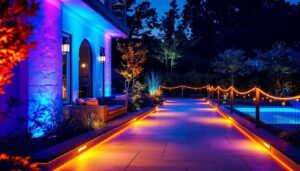
Solar lanterns come in a variety of designs, sizes, and lighting intensities, offering contractors significant flexibility. Whether the project involves pathway lighting, garden accents, or security illumination, solar lanterns can be tailored to meet specific aesthetic and functional requirements.
The modular nature of many solar lighting systems allows for easy expansion or reconfiguration, which is ideal for clients who may want to adjust their outdoor lighting over time. Additionally, the absence of wiring constraints enables installation in remote or challenging locations where traditional lighting would be impractical or costly. This adaptability not only enhances the overall appeal of the project but also allows for creative designs that can incorporate various lighting styles, from rustic to modern, ensuring that every installation complements the surrounding landscape beautifully.
Furthermore, many solar lanterns now come equipped with smart technology, allowing for features such as motion sensors and programmable timers. This innovation not only enhances security by providing illumination only when needed but also offers clients the ability to customize their lighting experience. By integrating these advanced features, contractors can provide a more comprehensive solution that meets the evolving needs of their clients, ultimately leading to higher satisfaction and potential referrals for future projects.
Technical Considerations for Lighting Contractors
Understanding Solar Panel Specifications
At the core of every solar outdoor light lantern is the solar panel, which captures sunlight and converts it into electrical energy. Contractors must be familiar with the key specifications of solar panels, including wattage, efficiency ratings, and material types such as monocrystalline or polycrystalline panels.
Higher efficiency panels generate more power in limited space, which is critical in installations where lantern size or placement is restricted. Understanding these details helps contractors select the right lanterns for the site’s solar exposure and lighting demands. Additionally, the angle and orientation of the solar panels can significantly impact their performance. Contractors should consider seasonal variations in sunlight and potential obstructions like trees or buildings that may cast shadows, thereby reducing the amount of sunlight the panels receive. This comprehensive understanding allows for more strategic planning and installation, ensuring optimal energy capture throughout the year.
Battery Capacity and Lifespan
Solar lanterns rely on rechargeable batteries to store energy for nighttime illumination. The capacity of these batteries, measured in milliampere-hours (mAh) or ampere-hours (Ah), directly impacts how long the light can operate after sunset. Lighting contractors should evaluate battery specifications carefully to ensure the lanterns meet the required duration and brightness levels.
Battery chemistry also affects lifespan and performance. Lithium-ion batteries, for example, typically offer longer life and better charge retention compared to older nickel-metal hydride (NiMH) or sealed lead-acid batteries. Selecting lanterns with high-quality batteries reduces maintenance frequency and replacement costs. Furthermore, understanding the temperature tolerance of batteries is crucial, as extreme temperatures can affect their performance and longevity. For instance, batteries may lose capacity in very cold conditions or overheat in direct sunlight, which could lead to failure. Contractors should educate clients on the importance of proper placement and maintenance to maximize battery life and ensure reliable performance throughout the seasons.
Light Output and Color Temperature
The brightness of solar lanterns is commonly measured in lumens. Contractors must balance lumen output with energy consumption to achieve optimal lighting without draining the battery prematurely. For pathway and accent lighting, lower lumen outputs may suffice, while security lighting often requires higher brightness levels.
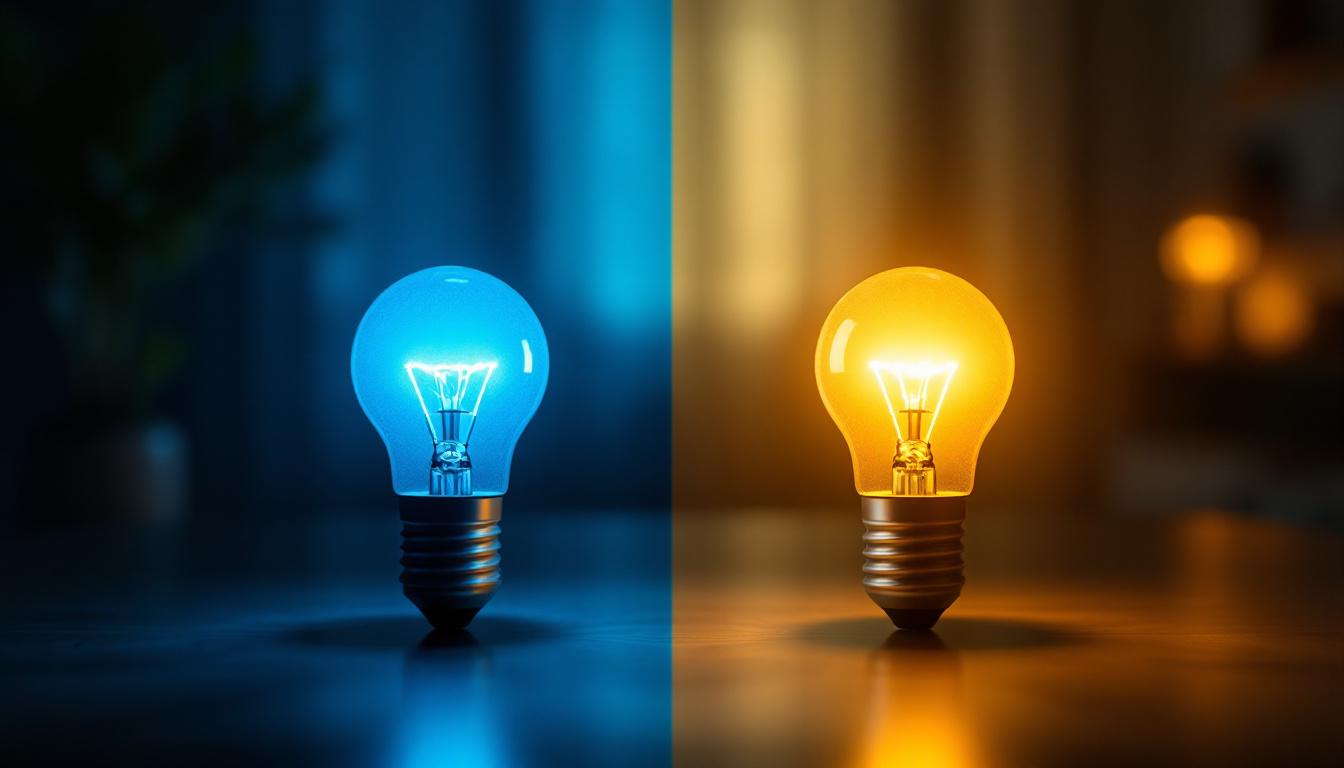
Color temperature, measured in Kelvins (K), affects the ambiance created by the lighting. Warm white (2700K–3000K) tones are preferred for cozy, inviting environments, whereas cool white (4000K–6000K) is often used for security or task lighting. Understanding client preferences and project requirements helps contractors specify the appropriate lighting characteristics. Additionally, the use of color filters or adjustable color temperature settings can enhance versatility in lighting design, allowing for customization based on specific events or seasonal changes. This flexibility can be a selling point for clients looking to create dynamic outdoor spaces that adapt to various occasions, from festive gatherings to serene evenings. Contractors should also consider the impact of color rendering index (CRI), which measures how accurately a light source displays colors, ensuring that the chosen lighting enhances the aesthetic appeal of the environment.
Installation Best Practices
Site Assessment and Placement
Proper site assessment is essential for maximizing the performance of solar outdoor lights lanterns. Contractors should evaluate sunlight exposure throughout the day, considering shadows from trees, buildings, or other obstructions that could reduce solar panel efficiency.
Placement should also account for the intended lighting effect and coverage area. For example, pathway lanterns should be spaced evenly to provide consistent illumination, while accent lights may be positioned to highlight specific landscape features. Ensuring solar panels face south (in the northern hemisphere) or north (in the southern hemisphere) optimizes sunlight absorption.
Mounting and Wiring Considerations
Although solar lanterns are generally wireless, some models may include low-voltage wiring for connecting multiple units or integrating with other lighting systems. Contractors should follow manufacturer guidelines to ensure secure mounting and proper electrical connections.
Mounting hardware should be durable and weather-resistant, capable of withstanding wind, rain, and temperature fluctuations. Using corrosion-resistant materials such as stainless steel or treated aluminum extends the lifespan of the installation.
Testing and Commissioning
After installation, thorough testing is critical to verify that all components function as intended. Contractors should check solar panel orientation, battery charge levels, light activation sensors, and overall illumination quality.
Commissioning the system during dusk or nighttime hours allows contractors to observe the lanterns’ performance under real conditions. Providing clients with operational instructions and maintenance tips enhances satisfaction and reduces service calls.
Maintenance and Troubleshooting
Routine Cleaning and Inspection
Solar panels must remain clean to maintain optimal energy absorption. Contractors should advise clients on regular cleaning schedules, especially in dusty or polluted environments. Using soft cloths and mild detergents prevents damage to the panels’ surface.
Inspecting batteries and light fixtures periodically helps identify issues such as corrosion, loose connections, or water ingress. Prompt attention to these problems prevents system failures and prolongs the life of the lanterns.
Common Issues and Solutions
Lighting contractors often encounter common challenges such as reduced brightness, flickering lights, or lanterns failing to turn on. These symptoms can stem from battery degradation, insufficient sunlight, sensor malfunctions, or wiring faults.
Systematic troubleshooting involves checking battery voltage, cleaning solar panels, verifying sensor settings, and ensuring secure connections. Replacing worn batteries or faulty components restores functionality and maintains client trust.
Emerging Trends and Innovations
Smart Solar Lanterns and IoT Integration
Advancements in technology have led to the development of smart solar outdoor lights lanterns equipped with sensors, timers, and wireless connectivity. These features enable remote monitoring, automated brightness adjustments, and integration with home automation systems.
For lighting contractors, offering smart solar solutions can differentiate services and meet the growing demand for intelligent, user-friendly outdoor lighting. Understanding the capabilities and installation requirements of these systems is essential for successful deployment.
Improved Materials and Durability
Manufacturers continue to innovate with materials that enhance the durability and weather resistance of solar lanterns. UV-resistant plastics, reinforced glass, and corrosion-proof metals ensure that lanterns withstand harsh outdoor conditions without compromising performance.
Contractors should prioritize products with robust construction to minimize maintenance needs and extend the lifespan of installations, thereby delivering greater value to clients.
Conclusion: Strategic Advantages for Lighting Contractors
Solar outdoor lights lanterns represent a compelling opportunity for lighting contractors to expand their service offerings with sustainable, cost-effective, and versatile lighting solutions. Mastery of the technical specifications, installation best practices, and maintenance protocols is critical to delivering high-quality projects that satisfy client expectations.
By staying abreast of emerging trends and incorporating innovative products, contractors can position themselves at the forefront of the outdoor lighting industry. Embracing solar technology not only benefits clients through energy savings and environmental stewardship but also enhances the contractor’s reputation and business growth potential.
Illuminate Your Projects with LumenWholesale
Ready to elevate your lighting projects with the sustainable brilliance of solar outdoor lights lanterns? At LumenWholesale, we provide lighting contractors with an exceptional range of spec-grade solar lighting solutions that blend quality, affordability, and convenience. Our commitment to cutting out the middleman means you get the best wholesale prices without sacrificing performance. With our extensive selection, free shipping on bulk orders, and no hidden fees, you can confidently meet and exceed your clients’ expectations. Take the next step in outdoor lighting excellence with Wholesale Lighting at the Best Value from LumenWholesale.