In the realm of interior design and functionality, lighting plays a pivotal role, especially in meeting rooms. As spaces dedicated to collaboration, brainstorming, and decision-making, the right lighting can significantly enhance productivity and comfort. For lighting contractors, mastering the intricacies of meeting room lighting is essential to meet client expectations and create environments that foster creativity and focus.
The Importance of Lighting in Meeting Rooms
Meeting rooms serve as the heart of corporate communication, where ideas are exchanged, and strategies are developed. The atmosphere created by lighting can influence the mood and effectiveness of these gatherings. Proper lighting can reduce eye strain, enhance visibility, and even boost morale among participants. Studies have shown that well-lit environments can lead to increased engagement and creativity, making the right lighting not just a matter of aesthetics but a critical component of successful collaboration.
Moreover, the right lighting can help in establishing a professional image for businesses. A well-lit meeting room conveys a sense of organization and attention to detail, which can leave a lasting impression on clients and stakeholders. Furthermore, the choice of lighting fixtures can reflect the company’s brand identity; for instance, modern, sleek designs may suggest innovation, while warm, classic fixtures can evoke a sense of tradition and reliability. Therefore, understanding the nuances of meeting room lighting is not just beneficial but essential for lighting contractors.
Types of Lighting
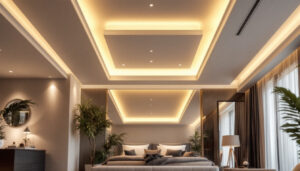
When it comes to meeting room lighting, there are several types of lighting that can be utilized to create the desired effect. These include ambient, task, and accent lighting. Each type serves a unique purpose and can be combined to achieve a well-rounded lighting scheme. For example, ambient lighting can be achieved through ceiling-mounted fixtures or recessed lights that provide a soft glow throughout the room, while task lighting might include adjustable desk lamps or focused overhead lights that cater to specific work areas.
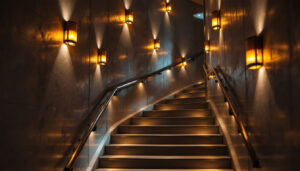
Accent lighting can be particularly effective in creating a focal point within the room. By strategically placing spotlights or wall sconces, one can draw attention to key elements such as a presentation screen or a piece of artwork that embodies the company’s vision. The interplay of these lighting types not only enhances functionality but also contributes to the overall aesthetic appeal of the space, making it more conducive to productive discussions and brainstorming sessions.
Natural vs. Artificial Lighting
Incorporating natural light into meeting rooms is often ideal, as it has been shown to improve mood and productivity. Large windows or skylights can bring in daylight, creating a more inviting atmosphere. Natural light also helps regulate circadian rhythms, which can lead to better focus and energy levels throughout the day. However, relying solely on natural light can be unpredictable due to weather changes and the time of day, making it essential to have a backup plan.
Artificial lighting, therefore, becomes crucial in ensuring that the room remains functional regardless of external conditions. A balanced approach that combines both natural and artificial lighting can create a dynamic environment that adapts to the needs of the meeting. Dimming systems and smart lighting controls can further enhance this adaptability, allowing for quick adjustments to the brightness and color temperature based on the specific requirements of the meeting. This flexibility not only caters to the preferences of the participants but also fosters an atmosphere that can shift from formal presentations to more relaxed brainstorming sessions seamlessly.
Key Considerations for Lighting Contractors
Lighting contractors must consider various factors when designing lighting solutions for meeting rooms. These factors can significantly impact the effectiveness of the lighting and the overall experience of the users.
Room Size and Layout
The size and layout of the meeting room are fundamental in determining the type and amount of lighting required. Larger rooms may necessitate more powerful fixtures or additional light sources to ensure even illumination. Conversely, smaller rooms can often achieve adequate lighting with fewer fixtures.
Additionally, the layout of furniture within the room can affect how light is distributed. For instance, a U-shaped seating arrangement may require different lighting solutions compared to a boardroom setup. Understanding these dynamics is crucial for creating a well-lit environment. Moreover, the presence of windows and natural light sources should also be factored into the design. Natural light can significantly enhance the atmosphere of a meeting room, but it can also create glare or uneven lighting if not balanced correctly with artificial sources. Therefore, lighting contractors should assess the room’s orientation and the time of day when meetings are typically held to optimize the lighting design.
Color Temperature and Light Quality
The color temperature of the lighting can influence the ambiance of the meeting room. Warmer light (around 2700K to 3000K) creates a cozy and inviting atmosphere, while cooler light (above 4000K) can enhance focus and alertness. Lighting contractors should consider the intended use of the room when selecting color temperatures.
Furthermore, the quality of light, including factors such as color rendering index (CRI), should not be overlooked. High CRI lighting ensures that colors appear more accurately, which can be particularly important in presentations or visual displays. In addition to CRI, the flicker rate of the lighting should also be taken into account, as excessive flicker can lead to eye strain and fatigue during long meetings. The use of dimmable fixtures can provide flexibility, allowing users to adjust the lighting based on the specific activities taking place, whether it’s a brainstorming session requiring a more vibrant atmosphere or a formal presentation that benefits from focused, bright light. This adaptability can enhance the overall functionality of the meeting space.
Lighting Controls and Technology
In today’s technologically advanced world, incorporating smart lighting controls into meeting room designs can significantly enhance functionality. These controls allow users to adjust lighting levels and color temperatures according to the specific needs of a meeting.
Smart Lighting Solutions
Smart lighting systems can be programmed to create various lighting scenarios, catering to different types of meetings. For instance, a presentation may require brighter, focused lighting, while a brainstorming session might benefit from softer, more ambient lighting.
Additionally, integrating smart technology can facilitate remote control of lighting via smartphones or tablets, providing users with greater flexibility and convenience. This adaptability can enhance the overall user experience and make meetings more efficient.
Energy Efficiency and Sustainability
As sustainability becomes a priority for many organizations, lighting contractors must consider energy-efficient solutions. LED lighting is an excellent option, offering longevity and lower energy consumption compared to traditional incandescent bulbs.
Moreover, incorporating sensors that adjust lighting based on occupancy can further enhance energy efficiency. By ensuring that lights are only on when the room is in use, contractors can help clients reduce their energy costs and environmental footprint.
Designing for Flexibility
Modern meeting rooms often serve multiple purposes, from formal presentations to casual brainstorming sessions. Therefore, lighting solutions must be adaptable to accommodate various activities and preferences.
Layered Lighting Approaches
A layered lighting approach combines different types of lighting to create a versatile environment. By using a mix of ambient, task, and accent lighting, contractors can provide users with the ability to customize the lighting according to their needs.
This flexibility allows for quick adjustments during meetings, ensuring that participants remain comfortable and engaged. For instance, dimmable lights can help set the mood for a creative session, while brighter lights can be used for focused discussions.
Future-Proofing Designs
As technology continues to evolve, lighting contractors should consider future-proofing their designs. This may involve selecting fixtures that can accommodate upgrades or integrating systems that can be easily adapted to new technologies.
By anticipating future needs, contractors can create solutions that remain relevant and functional for years to come, ultimately providing greater value to clients.
Case Studies: Successful Meeting Room Lighting Projects
Examining successful projects can provide valuable insights into effective meeting room lighting strategies. These case studies highlight innovative approaches and the impact of well-designed lighting on meeting room functionality.
Corporate Office Revamp
In a recent corporate office revamp, a lighting contractor transformed a traditional meeting room into a modern, multifunctional space. By incorporating large windows for natural light and adjustable LED fixtures, the room became adaptable for various meeting types.
The use of smart lighting controls allowed employees to customize the lighting for presentations, discussions, or collaborative sessions, resulting in increased productivity and satisfaction among staff.
Educational Institution Upgrade
An educational institution sought to upgrade its meeting rooms to enhance collaboration among students and faculty. The lighting contractor implemented a layered lighting approach, combining ambient, task, and accent lighting to create a dynamic environment.
By incorporating energy-efficient LED fixtures and smart controls, the institution not only improved the functionality of the spaces but also reduced energy costs. Feedback from users indicated a significant improvement in comfort and engagement during meetings.
Conclusion
Mastering meeting room lighting is an essential skill for lighting contractors, as it directly impacts the effectiveness of communication and collaboration within organizations. By understanding the importance of lighting, considering key factors such as room size and layout, and integrating modern technology, contractors can create spaces that enhance productivity and comfort.
As the demand for flexible and sustainable solutions continues to grow, lighting contractors have an opportunity to lead the way in designing innovative meeting room environments. By staying informed about trends and advancements in lighting technology, they can ensure their designs remain relevant and effective for years to come.
Illuminate Your Projects with LumenWholesale
Ready to elevate your meeting room designs with lighting that combines quality, affordability, and convenience? At LumenWholesale, we provide lighting contractors with an extensive selection of spec-grade lighting products at unbeatable wholesale prices. Say goodbye to inflated markups and hello to reliable, high-performance lighting that meets the highest industry standards. With free shipping on bulk orders, you can ensure your projects shine without hidden fees or compromises. Take the first step towards creating dynamic, productive meeting spaces and experience the best value in wholesale lighting today.