Introduction to Flat LED Can Lights
In the evolving world of lighting technology, flat LED can lights have emerged as a pivotal solution for modern lighting needs. These fixtures combine the sleek aesthetics of contemporary design with the energy efficiency and longevity of LED technology, making them an indispensable choice for lighting contractors. Understanding their role and benefits is crucial for professionals aiming to deliver cutting-edge lighting solutions to clients.
Flat LED can lights are recessed lighting fixtures characterized by their slim profile and flat lens design. Unlike traditional can lights that often protrude or have bulky housings, flat LED can lights offer a streamlined appearance that integrates seamlessly with ceilings. This design innovation not only enhances visual appeal but also simplifies installation and maintenance.
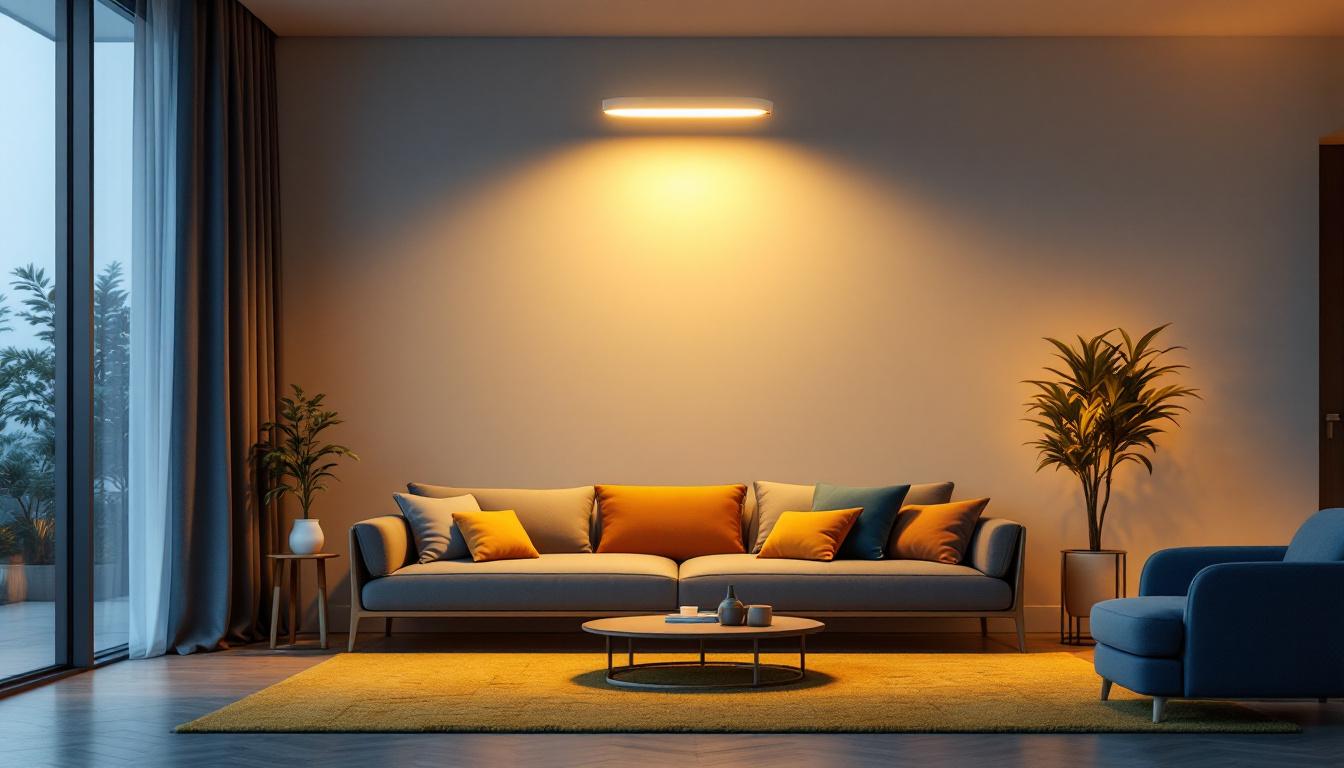
One of the standout features of flat LED can lights is their versatility in application. They are suitable for a variety of settings, from residential homes to commercial spaces, and can be used in both new constructions and retrofits. Their ability to provide uniform lighting makes them ideal for areas where consistent illumination is essential, such as kitchens, living rooms, and office environments. Additionally, many models come with adjustable color temperatures, allowing users to customize the ambiance according to their preferences or the specific requirements of a space.
Moreover, the energy efficiency of flat LED can lights contributes significantly to reducing electricity costs and minimizing environmental impact. With a lifespan that can exceed 50,000 hours, these fixtures not only lower the frequency of bulb replacements but also reduce waste. Many flat LED can lights are designed with advanced heat dissipation technology, ensuring optimal performance without overheating. This durability and efficiency make them a smart investment for both homeowners and businesses looking to enhance their lighting while adhering to sustainable practices.
Advantages of Flat LED Can Lights in Modern Installations
Energy Efficiency and Cost Savings
One of the most compelling reasons for the widespread adoption of flat LED can lights is their superior energy efficiency. Compared to incandescent and fluorescent counterparts, LED technology consumes significantly less power while delivering comparable or superior illumination. This efficiency translates directly into reduced energy bills for end-users and aligns with increasing regulatory demands for sustainable building practices.
For lighting contractors, specifying flat LED can lights means offering clients a solution that balances upfront costs with long-term savings. Many models provide lumen outputs that match or exceed traditional fixtures but at a fraction of the wattage. Additionally, the extended lifespan of LEDs reduces replacement frequency, lowering maintenance expenses over time. The durability of these fixtures also means they are less prone to breakage, making them a reliable choice for high-traffic areas, which further enhances their cost-effectiveness in commercial applications.
Design Flexibility and Aesthetic Appeal
Flat LED can lights are prized for their minimalistic design, which complements a wide range of architectural styles. Their low-profile form factor allows them to be installed in spaces with limited ceiling clearance, such as renovated commercial buildings or residential rooms with shallow joists. This adaptability not only maximizes the usable space but also contributes to a clean and uncluttered ceiling line, which is increasingly favored in contemporary design.
Moreover, these fixtures often come with adjustable color temperatures and dimming capabilities, enabling lighting contractors to tailor ambiance and functionality to specific environments. Whether creating a warm, inviting atmosphere in hospitality settings or bright, focused illumination in retail spaces, flat LED can lights provide versatile design options. The ability to customize lighting scenarios can also enhance user experience, as different settings can be programmed for various times of day or activities, further increasing the fixture’s utility in dynamic environments.
Improved Light Quality and Distribution
Advancements in LED optics have enhanced the quality and uniformity of light emitted by flat LED can lights. Many models feature diffusers and lenses engineered to minimize glare and distribute light evenly across surfaces. This results in comfortable, visually pleasing illumination that reduces eye strain and highlights architectural features effectively. The soft, diffused light provided by these fixtures can transform ordinary spaces into inviting environments, making them ideal for both residential and commercial applications.
For contractors, the ability to specify fixtures with precise beam angles and color rendering indexes (CRI) ensures that lighting meets both functional and aesthetic requirements. High CRI values are especially important in settings like galleries, retail stores, and healthcare facilities, where accurate color representation is critical. Furthermore, the improved light quality can enhance the overall mood of a space, influencing how colors are perceived and how objects are visually distinguished. This aspect is particularly beneficial in environments where visual clarity is paramount, such as in art studios or design workshops, where the right lighting can inspire creativity and productivity.
Installation Considerations for Lighting Contractors
Compatibility with Existing Infrastructure
One challenge contractors often face is integrating new lighting solutions into existing electrical and structural frameworks. Flat LED can lights are designed with this in mind, frequently featuring retrofit options that fit into standard recessed housings. This compatibility simplifies upgrades and renovations, reducing labor time and associated costs.
Additionally, many flat LED can lights come with universal voltage drivers, allowing them to operate efficiently across a range of electrical systems. This flexibility is particularly valuable in commercial projects where building codes and power supplies can vary widely.
Ease of Installation and Maintenance
The slim design of flat LED can lights not only benefits aesthetics but also facilitates easier installation. Lightweight fixtures with integrated drivers reduce the complexity of mounting and wiring, enabling contractors to complete projects more quickly and with fewer complications.
Maintenance is also streamlined due to the long lifespan of LEDs and the modular nature of many flat can light designs. Quick-release mechanisms and accessible components mean that replacements or repairs can be performed with minimal disruption to the space.
Compliance with Safety and Energy Standards
Lighting contractors must ensure that all installations comply with relevant safety codes and energy efficiency standards. Flat LED can lights often carry certifications such as UL listing, DLC qualification, and ENERGY STAR ratings, which attest to their safety, performance, and environmental impact.
Adhering to these standards not only protects contractors from liability but also enhances the marketability of their services by demonstrating a commitment to quality and sustainability.
Applications of Flat LED Can Lights Across Different Sectors
Residential Lighting
In residential settings, flat LED can lights are favored for their unobtrusive design and ability to provide layered lighting. They are ideal for kitchens, living rooms, hallways, and bathrooms where a clean ceiling line is desired. Their dimmability and color temperature options allow homeowners to customize lighting moods for various activities and times of day.
Contractors can recommend flat LED can lights as part of energy-efficient home upgrades, appealing to environmentally conscious clients and those looking to reduce utility costs.
Commercial and Office Spaces
Office environments benefit from the uniform, glare-free illumination provided by flat LED can lights. These fixtures contribute to improved worker comfort and productivity by reducing eye fatigue and creating well-lit workstations. Their sleek design also supports modern office aesthetics, which often emphasize open, uncluttered spaces.
In commercial spaces such as retail stores and restaurants, flat LED can lights highlight merchandise and décor while maintaining a sophisticated ambiance. Their flexibility in beam angles and color rendering helps tailor lighting schemes to specific branding and functional needs.
Hospitality and Healthcare Facilities
Hospitals, clinics, and hotels require lighting solutions that meet stringent standards for safety, hygiene, and comfort. Flat LED can lights are well-suited to these environments due to their sealed designs, which prevent dust and moisture ingress, and their ability to deliver consistent, high-quality light.
For hospitality venues, these fixtures enhance guest experience by creating inviting atmospheres in lobbies, corridors, and guest rooms. In healthcare, they support clinical tasks with bright, accurate lighting while contributing to a calming environment for patients.
Future Trends and Innovations in Flat LED Can Lighting
Smart Lighting Integration
As smart building technologies continue to advance, flat LED can lights are increasingly being integrated with IoT-enabled controls. This allows for dynamic lighting adjustments based on occupancy, natural light availability, and user preferences, improving energy management and user comfort.
Lighting contractors who embrace these innovations can offer clients enhanced control systems that contribute to smarter, more sustainable buildings.
Advancements in Materials and Manufacturing
Ongoing research in materials science is leading to the development of even thinner, more durable flat LED can lights. Innovations such as improved heat dissipation methods and recyclable components are enhancing fixture performance and environmental sustainability.
These advancements promise to expand the applications of flat LED can lights and reduce their ecological footprint, aligning with global efforts toward greener construction practices.
Customization and Personalization
The demand for personalized lighting experiences is driving manufacturers to offer flat LED can lights with customizable features, including tunable white light, color-changing capabilities, and modular designs. This allows contractors to create bespoke lighting solutions tailored to the unique needs of each project.
Such customization not only improves occupant satisfaction but also adds value to the contractor’s service offerings.
Conclusion
Flat LED can lights represent a significant advancement in modern lighting solutions, offering energy efficiency, design flexibility, and superior light quality. For lighting contractors, these fixtures provide a versatile and reliable option that meets the diverse demands of residential, commercial, hospitality, and healthcare projects.
By understanding the technical advantages, installation considerations, and emerging trends associated with flat LED can lights, contractors can enhance their expertise and deliver lighting solutions that are both innovative and sustainable. As the lighting industry continues to evolve, flat LED can lights will undoubtedly play a central role in shaping the future of illumination.
Illuminate Your Projects with LumenWholesale
Ready to elevate your lighting solutions with the cutting-edge efficiency and design of flat LED can lights? At LumenWholesale, we provide lighting contractors with the highest quality, spec-grade lighting products at unparalleled wholesale prices. Say goodbye to local distributor markups and hello to our extensive selection that meets rigorous industry standards. Plus, with free shipping on bulk orders, you can stock up on premium lighting without any hidden fees. Don’t compromise on quality or value—choose LumenWholesale for the perfect fusion of affordability and convenience. Wholesale Lighting at the Best Value is just a click away.