The High Stakes of Museum Art Lighting
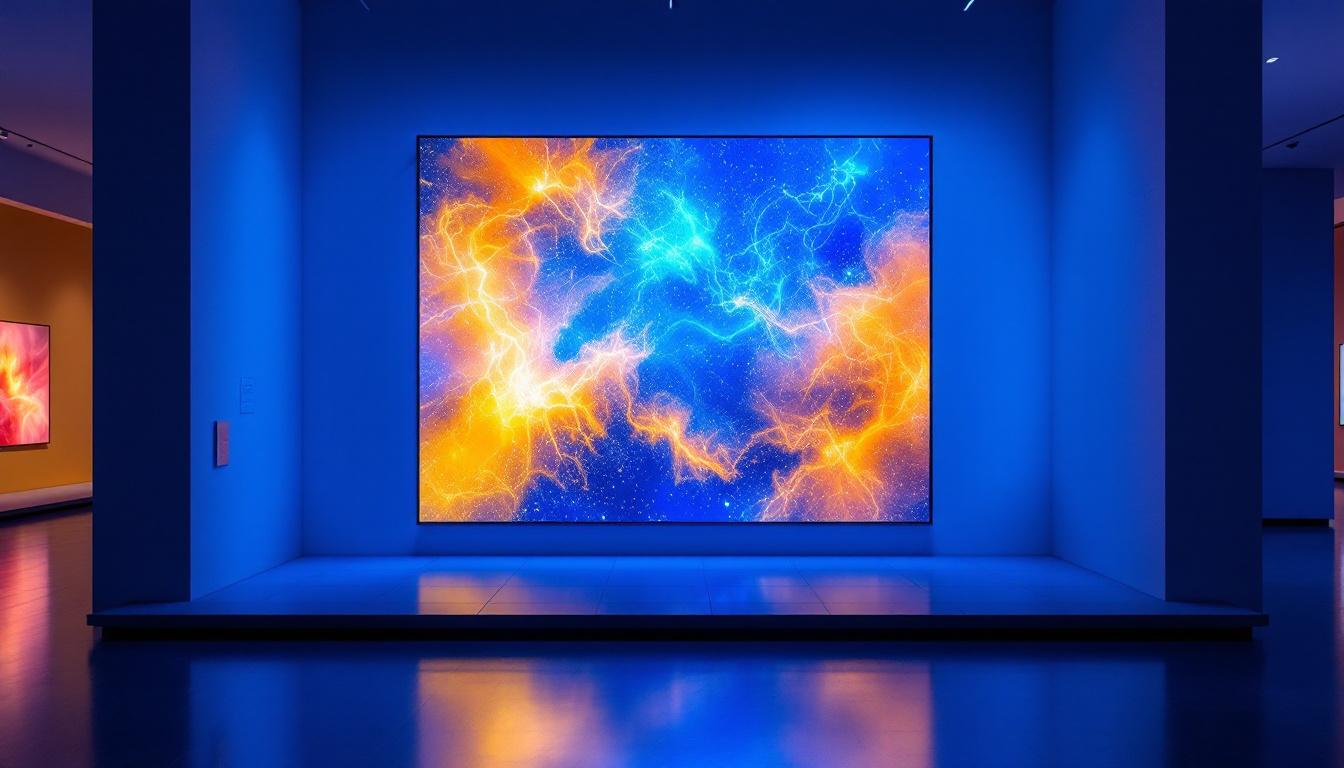
Lighting a museum isn’t just about illumination; it’s about creating an experience. Artworks demand precise lighting to reveal their true colors, textures, and details without causing damage. For lighting contractors, this means every fixture, every watt, and every angle matters. Mistakes can be costly—not only in terms of client satisfaction but also in potential damage to priceless art and the reputation of the contractor.
Consider this: museums often operate on tight budgets and strict preservation guidelines. If lighting solutions fail to meet these standards, contractors might face expensive reworks or lose future contracts. On the other hand, a well-executed lighting installation can lead to repeat business, referrals, and a strong portfolio in a niche market.
Moreover, the technology behind museum lighting has evolved significantly, introducing advanced options like LED fixtures that offer both energy efficiency and longevity. These modern solutions not only reduce operational costs but also provide the flexibility to adjust color temperatures and intensities, allowing curators to craft specific atmospheres for different exhibitions. For example, a contemporary art exhibit may benefit from cooler, more vibrant lighting, while classical pieces might require warmer tones to evoke a sense of history and reverence.
Additionally, the psychological impact of lighting on visitors cannot be underestimated. Studies have shown that the way art is lit can influence a viewer’s emotional response and engagement with the artwork. Thoughtfully designed lighting can draw attention to specific pieces, guide the flow of foot traffic, and even enhance storytelling within the exhibit. This means that lighting contractors must not only be skilled technicians but also keen observers of human behavior, as they work to create an immersive environment that captivates and educates the audience.
Why Museum Lighting Is Different from Standard Commercial Lighting
Precision Over Power
Unlike typical commercial spaces where bright, uniform lighting is the goal, museum lighting requires precision. The goal is to highlight the artwork without overpowering it. This often means using lower wattage, adjustable fixtures, and carefully controlled beam angles. The careful selection of lighting not only enhances the visual appeal of the pieces but also creates an atmosphere that invites contemplation and appreciation.
Lighting contractors must be familiar with specialized lighting equipment such as LED spotlights with dimming capabilities, fiber optic lighting, and filters that reduce ultraviolet (UV) and infrared (IR) radiation. These technologies protect sensitive materials like paper, textiles, and oil paintings from fading or degradation. Additionally, the use of color temperature is crucial; warmer tones can evoke a sense of intimacy and nostalgia, while cooler tones may impart a more modern or clinical feel, allowing curators to tailor the experience to the narrative of the exhibit.
Conservation and Compliance
Museums follow strict conservation standards. Light exposure is measured in lux levels, with many exhibits requiring levels as low as 50 lux for sensitive pieces. Contractors need to understand these limits and design lighting systems that comply without sacrificing aesthetic impact. This often involves a delicate balance, as the challenge lies in illuminating the artwork sufficiently for viewers to appreciate its details while minimizing the risk of light-induced damage.
Failing to meet these standards can result in damage to the artwork, legal liability, and loss of trust. Lighting contractors who master these requirements position themselves as valuable partners in the preservation process. Moreover, they must stay informed about the latest advancements in lighting technology and conservation methods, as the field is continually evolving. This includes understanding the implications of smart lighting systems that can adjust automatically based on environmental conditions, ensuring that the artwork remains protected while still being beautifully displayed. The integration of such technology not only enhances the visitor experience but also reflects a museum’s commitment to innovation and preservation.
Impact on Project Costs and Profit Margins
Material Selection and Budgeting
High-quality, museum-grade lighting fixtures come at a premium. These costs can significantly affect the project budget. Contractors must balance the client’s desire for quality with budget constraints. Offering options that range from basic to premium can help manage expectations and maintain profitability.
Moreover, energy-efficient solutions like LEDs reduce long-term operational costs for museums, making them attractive despite higher upfront prices. Contractors who can articulate these benefits often secure higher-margin projects. Additionally, the integration of smart lighting systems can further enhance energy savings by allowing museums to control lighting levels based on the time of day or specific exhibits. This level of customization not only appeals to budget-conscious clients but also aligns with sustainability goals, which are increasingly important in today’s market.
Installation Complexity and Labor Costs
Museum lighting installations are rarely straightforward. Fixtures need precise placement, often on adjustable tracks or custom mounts. This requires skilled labor and more time on site, increasing labor costs.
Lighting contractors should factor in these complexities during bidding. Underestimating installation time can erode profit margins quickly. Investing in training and specialized tools can improve efficiency and reduce costly errors. Furthermore, the unique architectural features of many museums may necessitate additional considerations, such as the preservation of historical elements or compliance with specific regulations. This can lead to unexpected challenges that further complicate the installation process. By developing a comprehensive understanding of these factors, contractors can better prepare for potential hurdles and enhance their project management strategies, ultimately leading to smoother installations and improved client satisfaction.
Enhancing Value Through Expertise and Innovation
Consultative Approach
Contractors who act as consultants rather than just installers add significant value. By advising on lighting design, fixture selection, and energy management, they become trusted advisors. This approach can lead to larger contracts and ongoing maintenance agreements.
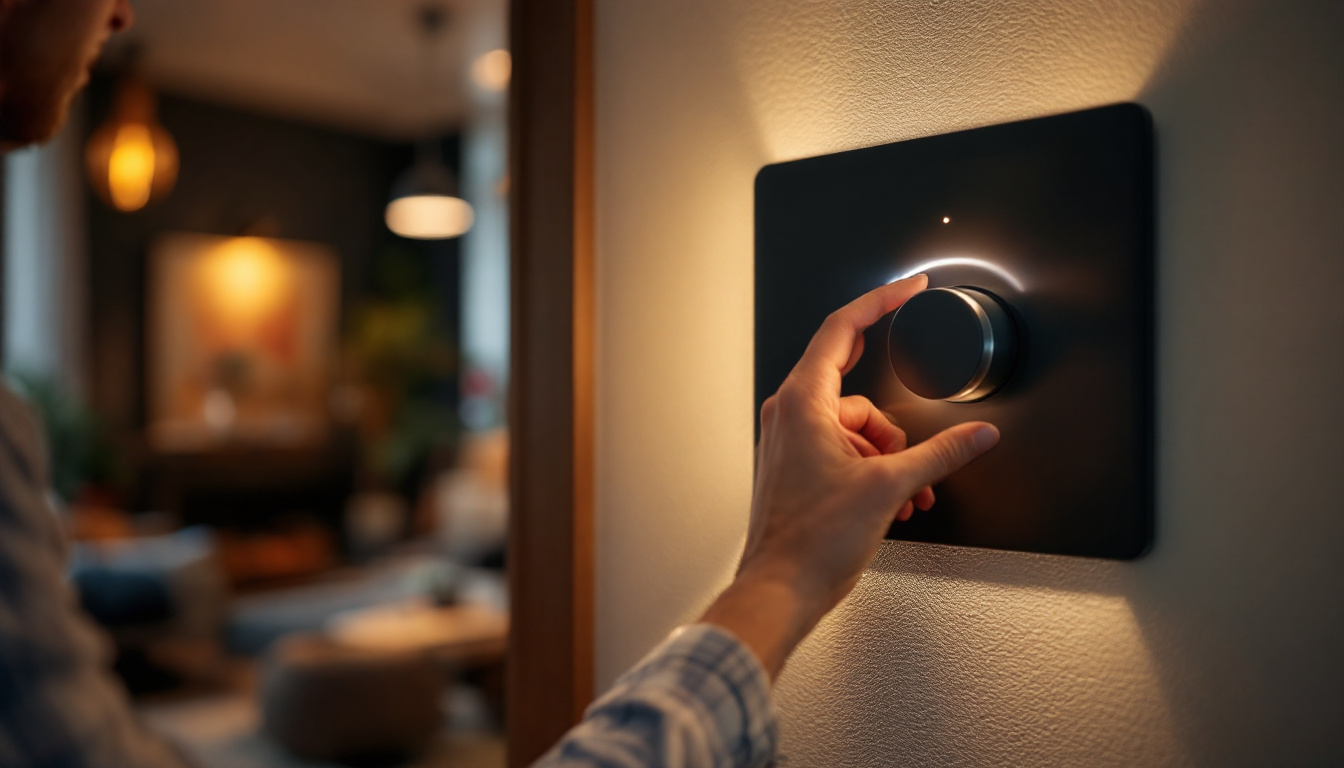
For example, recommending smart lighting controls that adjust based on natural light or visitor presence can impress clients and create opportunities for upselling. By integrating systems that allow for remote management and monitoring, contractors can help clients optimize energy usage, ultimately leading to cost savings and a reduced carbon footprint. This proactive engagement not only enhances the client’s experience but also positions the contractor as a forward-thinking partner in sustainability.
Staying Ahead with Technology
Advancements in lighting technology continually reshape museum lighting possibilities. OLED panels, tunable white LEDs, and wireless control systems offer new ways to enhance exhibits while protecting art.
Contractors who stay informed about these innovations can differentiate themselves in a competitive market. Demonstrating knowledge of cutting-edge solutions reassures clients and justifies premium pricing. Furthermore, the integration of smart technologies, such as IoT-enabled lighting systems, allows for real-time data collection and analysis, enabling museums to assess visitor engagement and optimize exhibit layouts. This data-driven approach not only enhances the visitor experience but also provides valuable insights for future exhibitions, making the contractor an indispensable resource in the evolving landscape of museum curation.
Case Studies: Success and Pitfalls in Museum Lighting Projects
Success Story: A Historic Art Gallery Upgrade
A lighting contractor was hired to upgrade an aging lighting system in a historic art gallery. By carefully selecting LED fixtures with adjustable color temperature and installing a smart control system, they reduced energy costs by 40% and improved visitor experience. The project was completed on time and within budget, leading to a long-term maintenance contract. The new lighting not only enhanced the visual appeal of the artworks but also allowed for dynamic lighting scenarios that could be adjusted for different exhibitions. This flexibility meant that curators could create immersive experiences tailored to specific themes, further engaging visitors and encouraging repeat attendance.
Moreover, the integration of smart technology enabled the gallery to monitor energy usage in real-time, providing valuable data that could be used for future planning and sustainability initiatives. The success of this project also sparked interest from other institutions, leading to a series of consultations and workshops on best practices in museum lighting. The gallery’s commitment to innovation and sustainability has positioned it as a leader in the cultural sector, inspiring others to follow suit and invest in modern lighting solutions.
Lesson Learned: Overlooking Conservation Guidelines
In another project, a contractor used standard commercial lighting fixtures to save costs. Unfortunately, the lighting exceeded recommended lux levels, causing accelerated fading of delicate textiles. The museum demanded costly replacements and refused to work with the contractor again. This example underscores the importance of adhering to conservation standards. The repercussions of this oversight were not just financial; it also damaged the contractor’s reputation within the museum community, where trust and expertise are paramount.
This incident highlights the critical need for contractors to engage with conservators and curators during the planning stages of a project. By collaborating closely with experts in art preservation, contractors can ensure that lighting solutions are both aesthetically pleasing and safe for the artifacts on display. Additionally, training and education on conservation principles can help contractors avoid similar pitfalls in the future. Such proactive measures not only protect valuable collections but also foster a culture of respect and responsibility in the preservation of cultural heritage.
Building a Reputation in the Museum Lighting Niche
Lighting contractors who specialize in museum art lighting can command higher rates and enjoy more stable business. Developing expertise requires investment in training, partnerships with lighting manufacturers, and a deep understanding of art conservation.
Networking with museum curators, architects, and exhibit designers can open doors to new opportunities. Publishing case studies and participating in industry forums further establishes credibility.
Conclusion: Why Museum Lighting Matters to Your Bottom Line
Museum art lighting is a demanding specialty that directly impacts lighting contractors’ profitability. Precision, compliance, and innovation are non-negotiable. Contractors who embrace these challenges not only protect valuable art but also build stronger client relationships and healthier profit margins.
Success in this niche requires a blend of technical skill, strategic thinking, and ongoing education. For lighting contractors ready to invest in these areas, museum lighting offers a rewarding and lucrative path.
Illuminate Your Projects with LumenWholesale
Ready to elevate your lighting projects and enhance your bottom line? At LumenWholesale, we provide lighting contractors with the high-quality, spec-grade lighting products you need to succeed in the specialized field of museum art lighting. With our competitive wholesale prices and commitment to cutting out unnecessary markups, you can trust that you’re getting the best value for your investment. Our expansive selection is designed to meet the most rigorous industry standards, ensuring that your installations are as reliable as they are striking. Plus, with the convenience of free shipping on bulk orders, you can stock up on premium lighting without worrying about hidden fees or complications. Take the next step in mastering museum lighting and fortify your reputation for excellence. Discover the ideal mix of quality, affordability, and convenience at LumenWholesale by visiting our selection at Wholesale Lighting at the Best Value.