Introduction to Solar Outdoor Pole Lighting
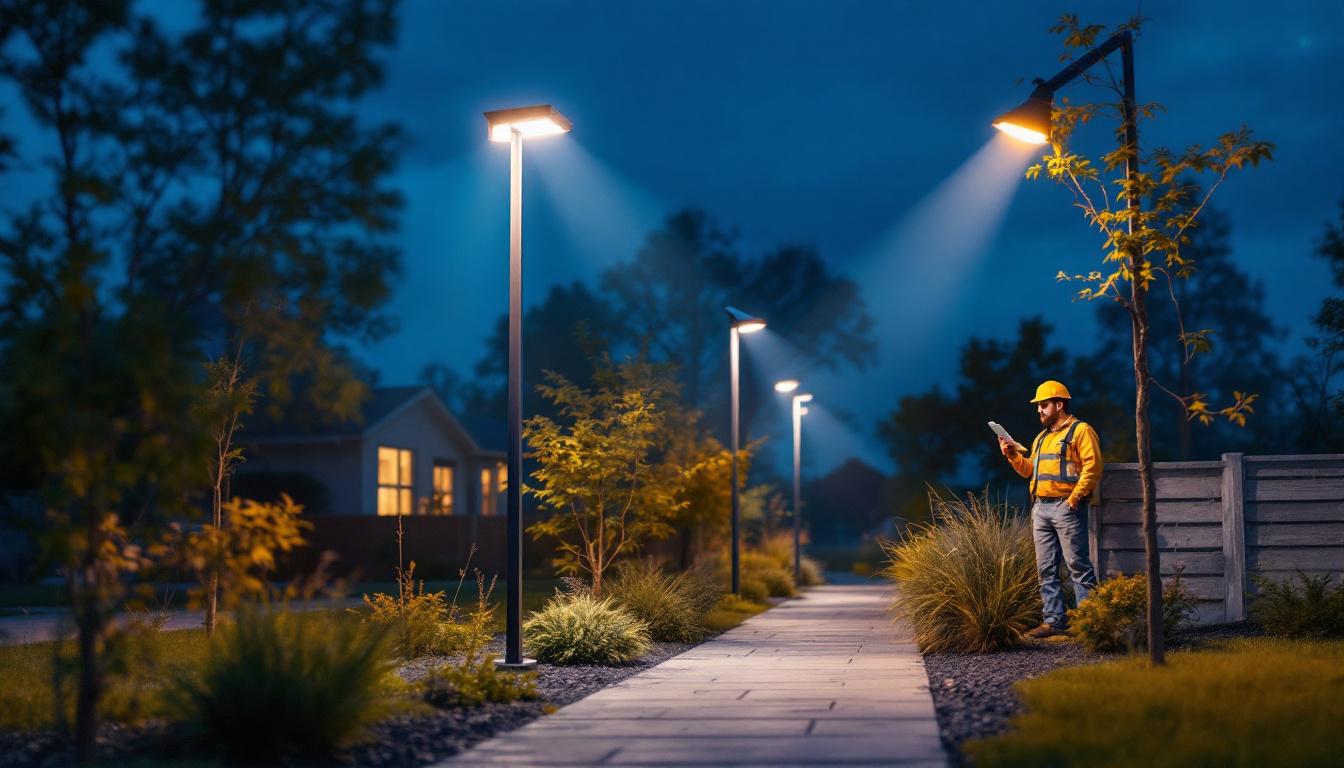
Solar outdoor pole lights have become a popular choice for both residential and commercial lighting projects. They offer an eco-friendly alternative to traditional wired lighting systems, reducing energy costs while providing reliable illumination. For lighting contractors, understanding the compliance landscape surrounding these solar-powered fixtures is essential to ensure installations meet legal and safety standards.
As the demand for sustainable lighting solutions grows, contractors must stay informed about the regulatory requirements, technical specifications, and best practices associated with solar outdoor pole lights. This article explores key compliance considerations, helping professionals navigate the complexities involved in deploying these systems effectively and responsibly.
One of the primary advantages of solar outdoor pole lighting is its ability to harness renewable energy from the sun, which not only lowers electricity bills but also contributes to a reduction in carbon footprint. These systems typically include solar panels, LED lights, and batteries, allowing them to store energy during the day for use at night. This self-sufficient design makes them particularly appealing for remote areas or locations where extending electrical infrastructure would be cost-prohibitive. Furthermore, advancements in solar technology have led to more efficient panels and longer-lasting batteries, enhancing the reliability and performance of these lighting solutions.
In addition to energy savings, solar outdoor pole lights can enhance safety and security in public spaces and private properties. By illuminating walkways, parking lots, and parks, they help deter crime and reduce accidents caused by poor visibility. Many modern solar lights come equipped with motion sensors and smart technology, allowing them to adjust brightness based on activity levels, thereby conserving energy when full illumination is unnecessary. As such, lighting contractors should also consider the integration of smart features into their installations, which can provide added value to clients looking for innovative and adaptable lighting solutions.
Understanding Regulatory Compliance for Solar Pole Lights
National and Local Electrical Codes
Lighting contractors must ensure that solar outdoor pole light installations comply with the National Electrical Code (NEC) or equivalent local electrical codes. These codes govern the safe installation of electrical wiring and equipment, including solar lighting systems. Compliance ensures that installations minimize risks such as electrical shock, fire hazards, and system failures.
Solar pole lights, while often self-contained, still require adherence to wiring standards, grounding requirements, and connection methods. For example, the NEC includes specific provisions for photovoltaic systems under Article 690, which applies to solar panels and associated equipment. Contractors should verify that the solar modules, batteries, and wiring conform to these standards. Additionally, it is crucial for contractors to stay updated on any amendments to the NEC or local codes, as these regulations can evolve to address new technologies or safety concerns. Regular training and certification can help ensure that contractors remain knowledgeable about the latest compliance requirements.
Building and Zoning Regulations
Beyond electrical codes, lighting contractors must consider local building and zoning regulations. These rules can dictate pole height, light intensity, and placement to prevent glare, light pollution, or interference with neighboring properties. Some municipalities have specific ordinances regulating outdoor lighting to preserve community aesthetics and environmental quality.
Contractors should consult with local authorities early in the project planning phase to ensure that solar pole light installations meet all applicable requirements. Failure to comply can result in costly delays, fines, or the need to modify or remove installed fixtures. Furthermore, engaging with community stakeholders can provide valuable insights into local preferences and concerns, which can facilitate smoother project approvals and enhance community relations. By fostering open communication with residents and local officials, contractors can better navigate the complexities of zoning regulations and create installations that are both compliant and well-received.
Environmental and Energy Compliance
Solar lighting systems contribute to energy efficiency goals and may qualify for incentives or rebates. However, contractors must ensure that the products used meet environmental standards, such as RoHS (Restriction of Hazardous Substances) and WEEE (Waste Electrical and Electronic Equipment) directives, where applicable. These regulations restrict hazardous materials and promote responsible disposal and recycling of electronic components.
Additionally, some regions require lighting products to meet specific energy performance standards, such as ENERGY STAR certification or equivalent. Using compliant products not only supports sustainability but can also enhance project credibility and client satisfaction. Moreover, contractors should consider the lifecycle impact of the materials used in solar pole lights, including sourcing from manufacturers that prioritize sustainable practices. By selecting products that are designed for longevity and efficiency, contractors can further contribute to environmental stewardship while also appealing to eco-conscious clients. This approach not only aligns with regulatory compliance but also positions contractors as leaders in the growing market for sustainable energy solutions.
Technical Compliance Considerations for Lighting Contractors
Product Certification and Testing
Ensuring that solar outdoor pole lights have undergone rigorous testing and certification is crucial. Certifications from recognized bodies such as UL (Underwriters Laboratories), ETL (Intertek), or CSA (Canadian Standards Association) indicate that products meet safety and performance standards.
Contractors should verify that the solar panels, batteries, lighting fixtures, and controllers have appropriate certifications. This verification helps prevent the installation of substandard equipment that could fail prematurely or pose safety risks.
Electrical and Structural Integrity
Solar pole lights must be installed with attention to both electrical and structural integrity. Electrical compliance involves correct wiring, proper grounding, and protection against moisture ingress. Many solar pole lights are rated IP65 or higher, indicating resistance to dust and water, but contractors must ensure that installation practices maintain these protections.
Structurally, poles must be anchored securely to withstand environmental stresses such as wind, rain, and snow loads. Compliance with local wind load requirements and material standards is essential to prevent pole failure, which could endanger public safety and lead to liability issues.
Battery Safety and Maintenance
Batteries are a critical component of solar lighting systems. Lighting contractors need to understand the types of batteries used—commonly lithium-ion or sealed lead-acid—and their associated safety considerations. Proper ventilation, temperature control, and protection from physical damage are necessary to prevent hazards such as overheating or leakage.
Maintenance protocols should also be established to monitor battery health and replace units before performance degrades significantly. Compliance with manufacturer guidelines and safety standards ensures system reliability and longevity.
Installation Best Practices and Compliance Documentation
Site Assessment and Planning
Before installation, a thorough site assessment is vital to ensure compliance and optimal performance. Factors such as sunlight availability, shading, pole placement, and electrical load requirements must be evaluated. Proper planning helps avoid non-compliance issues related to inadequate illumination levels or improper fixture positioning.
Documenting the site assessment process and decisions made supports transparency and can be critical if compliance questions arise later. Lighting contractors should maintain detailed records, including site photos, measurements, and calculations.
Installation Procedures and Quality Control
Adhering to manufacturer installation instructions and industry standards is a cornerstone of compliance. Contractors should use appropriate tools, follow wiring diagrams accurately, and verify that all components are securely installed. Quality control checks during and after installation help identify and rectify potential issues promptly.
Testing the system for proper operation, including light output, battery charging, and automatic controls, confirms that the installation meets performance expectations and regulatory requirements.
Compliance Documentation and Client Communication
Providing clients with comprehensive documentation is an essential part of the compliance process. This documentation may include product certifications, installation reports, maintenance guidelines, and warranty information. Clear communication about system capabilities and limitations helps manage client expectations and supports ongoing compliance.
Contractors should also educate clients on any local permit requirements or inspection processes related to solar pole lighting installations, ensuring that all legal obligations are fulfilled.
Emerging Trends and Future Compliance Challenges
Advancements in Solar Lighting Technology
The solar lighting industry is evolving rapidly, with innovations such as smart controls, integrated sensors, and improved battery technologies enhancing system capabilities. Lighting contractors must stay informed about these advancements to recommend compliant, cutting-edge solutions that meet client needs and regulatory demands.
For example, adaptive lighting controls that adjust brightness based on ambient conditions can improve energy efficiency and reduce light pollution, aligning with emerging environmental standards.
Increasing Regulatory Complexity
As sustainability and safety concerns grow, regulatory frameworks governing solar lighting are becoming more detailed and stringent. Contractors will need to navigate evolving standards related to energy efficiency, environmental impact, and public safety. Staying current through continuing education and industry resources is critical to maintaining compliance.
Engagement with professional organizations and participation in training programs can provide valuable insights into upcoming regulatory changes and best practices.
Integration with Smart City Infrastructure
Solar outdoor pole lights are increasingly integrated into smart city initiatives, featuring connectivity for data collection, remote monitoring, and adaptive control. This integration introduces new compliance considerations related to cybersecurity, data privacy, and interoperability standards.
Lighting contractors involved in such projects must collaborate closely with technology providers and municipal authorities to ensure that installations meet all technical and regulatory requirements.
Conclusion: Ensuring Compliance for Successful Solar Pole Light Projects
For lighting contractors, compliance with regulatory, technical, and environmental standards is fundamental to the successful deployment of outdoor solar pole lights. Understanding the relevant codes, certifications, and best practices helps mitigate risks, enhance safety, and deliver high-quality lighting solutions.
By prioritizing compliance throughout the project lifecycle—from product selection and site assessment to installation and maintenance—contractors can build trust with clients, reduce liability, and contribute to a more sustainable built environment. Staying informed about emerging trends and evolving regulations will position contractors to thrive in the growing market for solar-powered outdoor lighting.
Get Your Spec-Grade Solar Pole Lights at LumenWholesale
Ready to elevate your lighting projects with compliance-assured, eco-friendly solar pole lights? Look no further than LumenWholesale for a vast selection of spec-grade lighting products that meet the highest industry standards. Our commitment to quality, affordability, and convenience ensures that you get the best value for your investment. Say goodbye to inflated markups and enjoy the benefits of wholesale pricing with free shipping on bulk orders. Make your next project a shining success with reliable, high-performance lighting from LumenWholesale. Wholesale Lighting at the Best Value is just a click away.