Understanding the Importance of Exterior Lighting for Professionals
Exterior lighting plays a critical role in both residential and commercial projects. For lighting contractors, selecting the right fixtures and materials from exterior lighting stores is not just about aesthetics; it’s about functionality, safety, energy efficiency, and durability. The right exterior lighting enhances curb appeal, ensures security, and complies with local regulations, making it a vital component of any lighting installation.
Lighting professionals must stay informed about the latest trends, technologies, and products available in exterior lighting stores. This knowledge ensures that they can provide clients with solutions that meet modern standards while also addressing specific project requirements. With advances in LED technology, smart controls, and sustainable materials, the landscape of exterior lighting is constantly evolving.
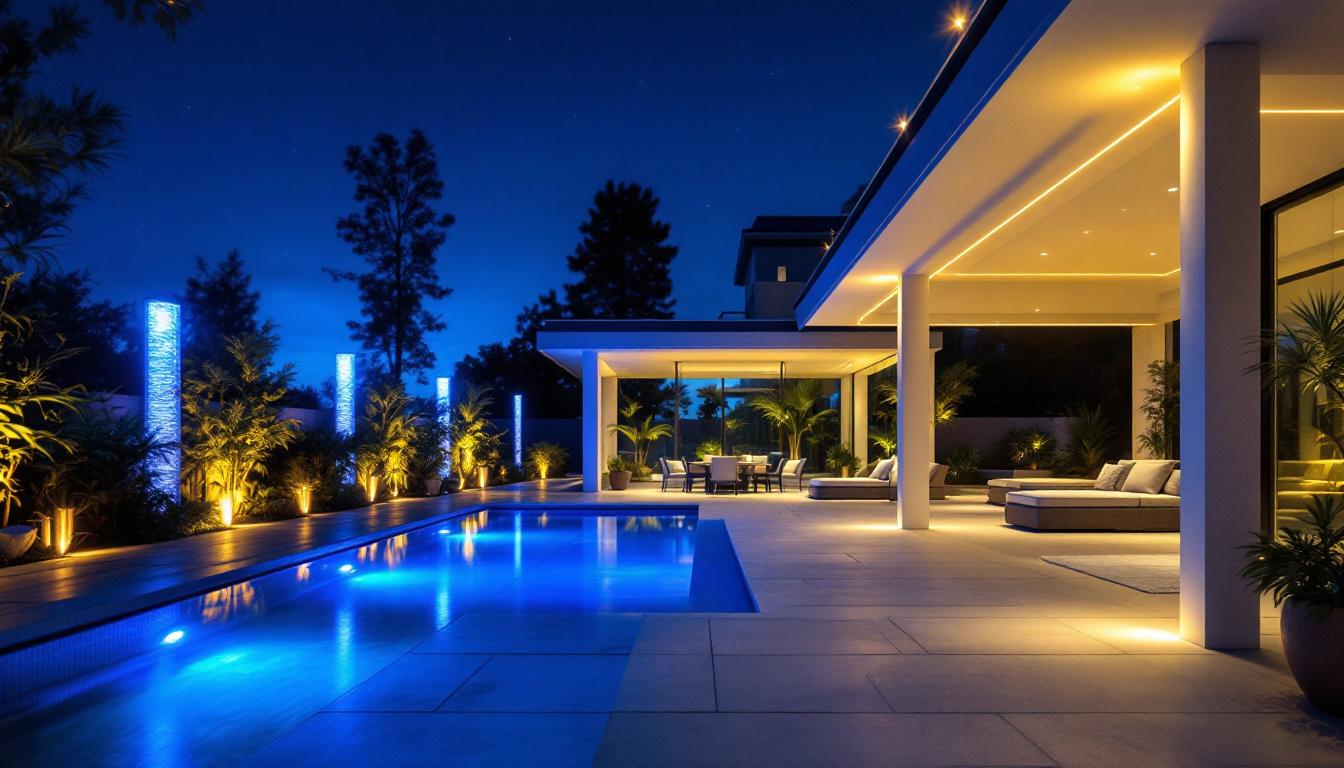
Moreover, the strategic placement of exterior lighting can significantly influence the ambiance of outdoor spaces. For instance, well-placed path lights can guide guests safely along walkways, while uplighting can accentuate architectural features or landscaping, creating a dramatic effect that enhances the overall aesthetic. Additionally, the use of motion sensors and timers not only improves convenience but also contributes to energy savings, making it easier for clients to manage their outdoor lighting needs efficiently.
In commercial settings, exterior lighting is crucial for branding and visibility. Businesses can utilize illuminated signage and architectural lighting to attract customers and create a welcoming atmosphere. Furthermore, well-lit parking lots and entrances are essential for ensuring the safety of patrons and employees, reducing the risk of accidents or criminal activity. As such, lighting professionals must consider the unique requirements of each project, tailoring their designs to meet both functional needs and the specific vision of their clients, all while adhering to best practices in energy efficiency and sustainability.
Key Considerations When Choosing Exterior Lighting Products
Durability and Weather Resistance
Exterior lighting fixtures are exposed to a variety of environmental conditions including rain, snow, wind, and UV rays. It is essential to select products made from materials such as marine-grade aluminum, stainless steel, or heavy-duty plastics that can withstand these elements without corroding or degrading. IP (Ingress Protection) ratings are a critical factor here; for instance, fixtures rated IP65 or higher offer excellent protection against dust and water.
Lighting professionals should verify the manufacturer’s specifications and warranty information to ensure the longevity of the fixtures. This reduces maintenance costs and enhances client satisfaction by providing reliable lighting solutions that perform well over time. Additionally, it is wise to consider the local climate when selecting fixtures. For instance, areas prone to high humidity or saltwater exposure may require even more robust materials or coatings to prevent deterioration. Investing in high-quality fixtures not only ensures durability but also reflects positively on the contractor’s reputation, as clients appreciate long-lasting, dependable products.
Energy Efficiency and Sustainability
Energy consumption is a significant concern for both clients and contractors. LED lighting has revolutionized the exterior lighting market by offering high efficiency, long lifespan, and low heat output. When sourcing from exterior lighting stores, contractors should prioritize LED fixtures with ENERGY STAR certification or similar energy efficiency ratings.
Additionally, incorporating solar-powered options or integrating lighting with smart controls can further reduce energy usage and operational costs. Sustainable lighting solutions are increasingly demanded by environmentally conscious clients and can also contribute to meeting green building certifications such as LEED. Moreover, the use of timers and motion sensors can optimize energy consumption by ensuring that lights are only active when needed, thus enhancing both sustainability and cost-effectiveness. As the market evolves, staying informed about the latest advancements in energy-efficient technologies will allow contractors to offer cutting-edge solutions that align with their clients’ values.
Lighting Design and Performance
Effective exterior lighting is about more than just brightness; it requires understanding the interplay of light and shadow, color temperature, beam angles, and fixture placement. Lighting professionals should select products that offer adjustable beam spreads and dimming capabilities to tailor the lighting effect to the specific environment.
Color temperature is another important factor. Warm white light (2700K to 3000K) is often preferred for residential settings to create a welcoming atmosphere, while cooler temperatures (4000K to 5000K) are common in commercial or security applications for better visibility. Furthermore, the strategic layering of lighting—combining ambient, task, and accent lighting—can enhance the overall aesthetic and functionality of outdoor spaces. For example, path lights can illuminate walkways for safety, while wall-mounted fixtures can highlight architectural features, creating a visually appealing environment that invites exploration. Understanding the specific needs of each project allows professionals to design lighting solutions that not only meet practical requirements but also elevate the beauty of the outdoor space.
Essential Product Categories for Exterior Lighting Stores
Pathway and Landscape Lighting
Pathway and landscape lighting not only enhance the beauty of outdoor spaces but also improve safety by illuminating walkways, garden beds, and driveways. Lighting professionals should look for low-voltage LED fixtures that offer easy installation and minimal energy consumption.
Key features to consider include adjustable heads for directional lighting, corrosion-resistant finishes, and compatibility with landscape lighting transformers and controllers. Many exterior lighting stores now offer modular systems that allow for flexible design and expansion.
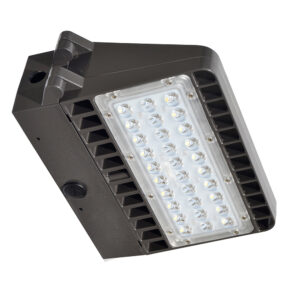
Security and Floodlighting
Security lighting is a critical component for many clients, especially in commercial or high-traffic residential areas. Motion-activated floodlights with wide coverage and high lumen output are standard choices. Lighting professionals should seek fixtures with integrated sensors that can be adjusted for sensitivity and timing.
Durability and weather resistance are paramount in this category, as these fixtures often operate continuously in harsh conditions. Additionally, the option to integrate security lighting with smart home or building management systems adds value and convenience.
Architectural and Decorative Lighting
Architectural lighting highlights building facades, columns, and other structural elements to create dramatic visual effects. Decorative fixtures such as wall sconces, post lights, and lanterns serve both functional and aesthetic purposes.
Lighting professionals should consider the style and finish of these fixtures to complement the architectural theme. Many exterior lighting stores offer customizable options, including different finishes, glass types, and mounting styles, enabling contractors to meet diverse client preferences.
Smart and Integrated Lighting Solutions
Smart lighting technology is transforming the exterior lighting industry. From app-controlled fixtures to sensor-based automation, these systems offer enhanced control, energy savings, and security features. Lighting professionals should familiarize themselves with popular protocols such as Zigbee, Z-Wave, and Wi-Fi-enabled products.
Integration with home automation platforms allows clients to schedule lighting, adjust brightness, and monitor energy usage remotely. When sourcing from exterior lighting stores, contractors should verify compatibility and ease of installation to ensure seamless integration.
Evaluating Exterior Lighting Stores: What Professionals Should Look For
Product Range and Availability
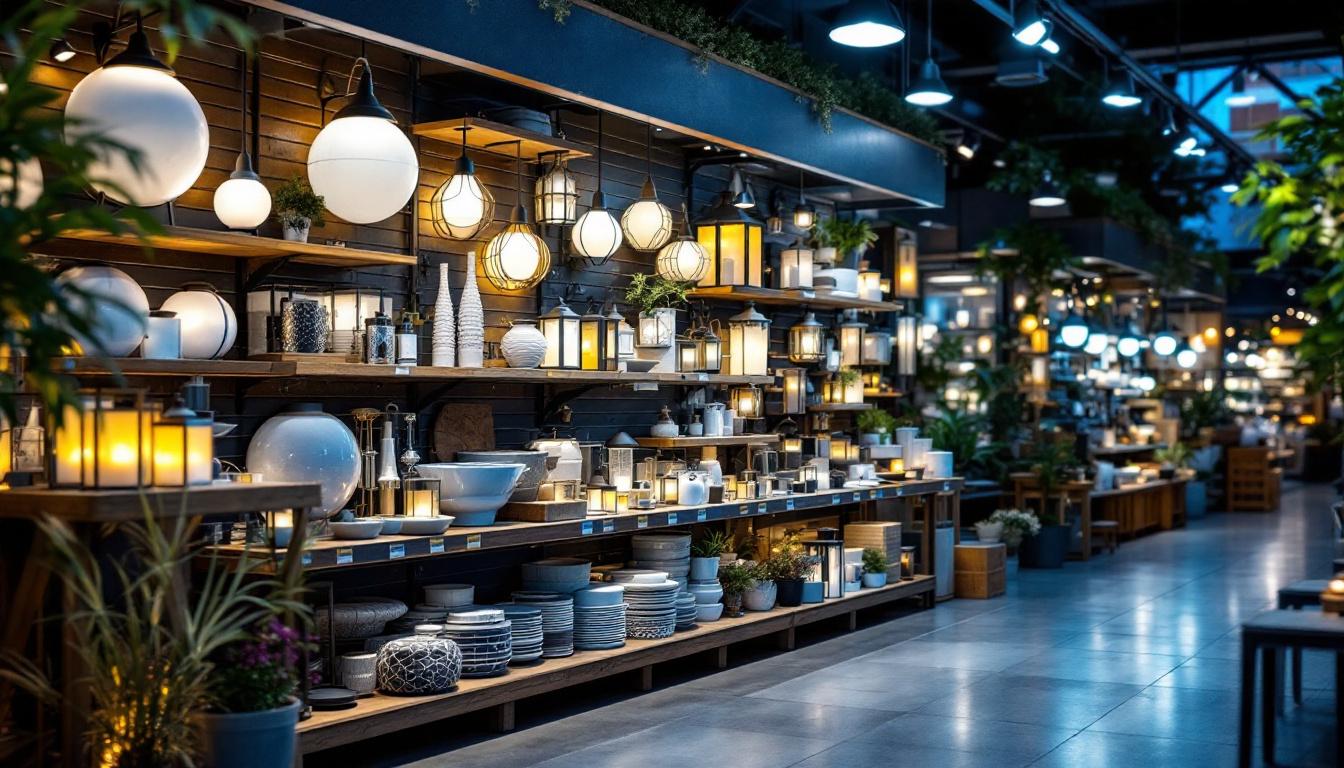
A comprehensive product range is crucial for lighting contractors who work on varied projects. Exterior lighting stores should offer a wide selection of fixtures, bulbs, controls, and accessories to accommodate different design requirements and budgets.
Availability is equally important. Lighting professionals often operate under tight deadlines, so stores with reliable stock levels and quick shipping options can make a significant difference in project timelines.
Technical Support and Expertise
Lighting contractors benefit greatly from stores that provide knowledgeable staff and technical support. Whether it’s assistance with product specifications, installation guidance, or troubleshooting, expert advice can enhance the quality and efficiency of the lighting installation.
Many exterior lighting stores offer training sessions, webinars, or detailed product documentation, which are valuable resources for professionals aiming to stay current with industry advancements.
Pricing and Warranty Policies
Competitive pricing is always a consideration, but it should not come at the expense of quality. Lighting professionals should evaluate the overall value, factoring in product durability, energy efficiency, and manufacturer warranties. Extended warranties and return policies provide added security when investing in high-end fixtures.
Bulk purchasing discounts and loyalty programs offered by exterior lighting stores can also benefit contractors who frequently source materials for multiple projects.
Environmental and Regulatory Compliance
Compliance with local codes, environmental regulations, and industry standards is non-negotiable. Lighting professionals must ensure that the products they select meet relevant certifications such as UL, DLC, or CE marks. Exterior lighting stores that prioritize compliance help contractors avoid costly rework and legal issues.
Additionally, stores that emphasize sustainable products and packaging align with the growing demand for eco-friendly construction practices.
Best Practices for Lighting Professionals When Working with Exterior Lighting Stores
Pre-Project Planning and Specification
Before sourcing products, lighting contractors should develop a detailed lighting plan that includes fixture types, locations, mounting heights, and control strategies. This plan serves as a blueprint when consulting with exterior lighting stores to ensure the selected products meet all project requirements.
Early engagement with store representatives can also help identify any potential challenges or alternative solutions, saving time and resources during installation.
On-Site Assessments and Mock-Ups
Whenever possible, conducting on-site assessments helps lighting professionals understand the unique environmental conditions and client preferences. Some exterior lighting stores offer demo units or sample kits that can be tested on-site to evaluate light output, color temperature, and fixture aesthetics.
Mock-ups allow clients to visualize the final result and provide feedback, reducing the risk of costly changes after installation.
Documentation and Record-Keeping
Maintaining detailed records of purchased products, installation manuals, and warranty information is essential for ongoing maintenance and future upgrades. Lighting professionals should organize documentation systematically and share relevant information with clients to facilitate upkeep.
Many exterior lighting stores provide digital catalogs and project management tools that streamline this process.
Continuous Education and Industry Engagement
The exterior lighting industry is dynamic, with new technologies and design philosophies emerging regularly. Lighting professionals should invest time in continuous education through trade shows, certifications, and industry publications. Partnering with reputable exterior lighting stores that offer educational resources ensures contractors remain competitive and knowledgeable.
Conclusion: Building Successful Partnerships with Exterior Lighting Stores
For lighting professionals, exterior lighting stores are more than just suppliers—they are partners in delivering exceptional lighting solutions. By carefully evaluating product quality, technical support, pricing, and compliance, contractors can ensure they source the best materials for their projects.
Adopting a strategic approach that includes thorough planning, on-site testing, and ongoing education empowers lighting professionals to meet client expectations and industry standards. Ultimately, the right exterior lighting store relationship contributes significantly to the success, reputation, and growth of a lighting contractor’s business.
Discover Unmatched Value with LumenWholesale
Ready to elevate your exterior lighting projects with the finest selection of spec-grade products? Look no further than LumenWholesale. Our commitment to quality, affordability, and convenience sets us apart, ensuring you have access to the best lighting solutions at wholesale prices. Say goodbye to middleman markups and hello to a vast array of industry-standard, high-performance lighting options. Plus, with free shipping on bulk orders, you can trust that you’re getting premium value without any hidden costs. Don’t compromise on your lighting needs—Wholesale Lighting at the Best Value is just a click away.