Understanding the Role of Light Push Button Switches in Modern Lighting Systems
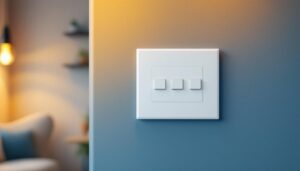
For lighting contractors, the light push button switch is more than just a simple on/off device. It’s a critical component that influences both the functionality and user experience of lighting installations. These switches are often chosen for their sleek design and ease of use, but their integration requires careful consideration to avoid common pitfalls.
Unlike traditional toggle or rocker switches, push button switches offer a momentary contact mechanism. This means they only complete the circuit while being pressed, making them ideal for applications involving relays, timers, or smart lighting controls. Selecting the right type and rating of push button switch can prevent premature failure and ensure smooth operation.
Why Push Button Switches Matter to Lighting Contractors
Push button switches are frequently used in commercial and residential settings where lighting control needs to be intuitive and reliable. Their compact size allows for installation in tight spaces, and their design can complement modern interior aesthetics. However, their simplicity can be deceptive; improper selection or installation can lead to system malfunctions, increased maintenance, and client dissatisfaction.
In addition to their practical benefits, push button switches can also enhance the overall user experience by integrating with advanced lighting systems. Many modern push button switches are equipped with smart technology that allows users to control lighting remotely via smartphone apps or voice commands. This level of convenience not only elevates the functionality of a space but also adds a layer of sophistication that appeals to tech-savvy clients. Furthermore, the ability to program lighting scenes and schedules through these switches can significantly improve energy efficiency, aligning with the growing demand for sustainable building practices.
Moreover, the versatility of push button switches extends beyond mere aesthetics and functionality. They can be customized with various colors, finishes, and even tactile feedback options to suit different environments and user preferences. This customization can be particularly beneficial in commercial settings, where branding and consistency in design are crucial. Lighting contractors must stay informed about the latest innovations in push button technology to offer their clients the best solutions that not only meet their immediate needs but also anticipate future trends in lighting design.
Common Pitfalls When Installing Light Push Button Switches
Even experienced lighting contractors can encounter issues when working with push button switches. Understanding these pitfalls can save time, reduce costs, and improve overall project quality.
Incorrect Voltage and Current Ratings
One of the most frequent mistakes is using a push button switch that isn’t rated for the electrical load it must handle. For example, installing a switch rated for low voltage control circuits in a high voltage environment can cause overheating, contact welding, or failure. Always verify the switch’s voltage and current ratings against the circuit requirements.
Consider a scenario where a contractor installs a push button switch rated for 3A at 125V in a lighting circuit that draws 6A at 240V. The switch may work initially but will likely fail prematurely, leading to costly callbacks and potential safety hazards.
Moreover, it is essential to consider the inrush current, which can be significantly higher than the steady-state current in some applications, such as LED lighting. A switch that cannot handle this inrush current may experience failure sooner than expected, resulting in additional maintenance costs and downtime. Therefore, selecting a switch with appropriate ratings for both continuous and inrush currents is crucial to ensure reliable operation.
Ignoring Environmental Factors
Environmental conditions such as moisture, dust, and temperature extremes significantly affect switch performance. Standard push button switches are not designed for wet or dusty environments. Using them outdoors or in industrial settings without proper protection can cause corrosion or mechanical failure.
IP-rated switches (Ingress Protection) should be selected for harsh environments. For example, an IP65-rated push button switch provides dust-tight sealing and protection against water jets, making it suitable for outdoor lighting controls or damp locations.
In addition to IP ratings, consider the temperature ratings of the switches. Extreme temperatures can affect the materials used in the switch, leading to brittleness or deformation. For instance, in environments where temperatures can drop below freezing, using switches rated for low-temperature operation can prevent issues such as sticking buttons or brittle components that may crack under stress.
Poor Wiring Practices
Improper wiring is another common issue. Loose connections, incorrect polarity, or insufficient wire gauge can cause intermittent operation or switch damage. Lighting contractors must follow manufacturer wiring diagrams meticulously and ensure all connections are secure.
Using wire connectors designed for the specific gauge and type of wire is crucial. Additionally, avoiding excessive bending or strain on wires connected to the switch will prolong its lifespan.
Furthermore, it is advisable to use color-coded wires to help identify connections easily, especially in complex installations. This practice not only enhances safety but also simplifies troubleshooting in the future. Additionally, labeling wires and switches can significantly reduce confusion during maintenance or upgrades, ensuring that anyone working on the system can quickly understand the layout and function of each component.
Choosing the Right Push Button Switch for the Job
Every lighting project has unique requirements. Selecting the appropriate push button switch involves evaluating several key factors.
Mechanical vs. Electronic Push Button Switches
Mechanical push button switches rely on physical contacts to open and close circuits. They are straightforward, cost-effective, and widely used in traditional lighting systems. However, mechanical switches are subject to wear and may produce audible clicks.
Electronic push button switches, often capacitive or touch-sensitive, offer silent operation and enhanced durability. They integrate well with smart lighting systems but typically come at a higher cost and may require compatible control modules.
Momentary vs. Maintained Operation
Understanding whether a push button switch should be momentary or maintained is critical. Momentary switches complete the circuit only while pressed, ideal for triggering relays or timers. Maintained switches stay in the on or off position until pressed again, functioning like a traditional toggle switch.
For lighting contractors, confirming the type needed for the specific control system prevents misapplication and ensures client satisfaction.
Size, Mounting, and Aesthetic Considerations
The physical dimensions and mounting options of push button switches affect installation ease and final appearance. Flush-mounted switches provide a sleek look, while panel-mounted options may be easier to replace or service.
Contractors should also consider the switch’s actuator material and color to match the project’s design theme. For example, stainless steel push buttons are durable and modern, whereas plastic options may be more cost-effective for budget-conscious projects.
Installation Best Practices for Light Push Button Switches
Proper installation is key to maximizing the lifespan and performance of push button switches. Following best practices reduces the risk of failure and enhances safety.
Pre-Installation Testing
Before installation, test each push button switch for mechanical operation and electrical continuity. This step helps identify defective units early, avoiding rework after installation.
Secure Mounting and Proper Alignment
Ensure the switch is mounted securely to prevent movement or vibration, which can damage internal contacts over time. Proper alignment of the actuator with the mounting surface ensures smooth operation and prevents sticking.
Correct Wiring and Labeling
Follow wiring diagrams precisely, double-checking connections before energizing the circuit. Label wires clearly to facilitate future maintenance or troubleshooting. Using color-coded wires consistent with electrical codes enhances safety and clarity.
Grounding and Surge Protection
Where applicable, ensure the switch housing is properly grounded to prevent electrical shock hazards. Incorporating surge protection devices in lighting circuits can protect push button switches and associated control equipment from voltage spikes.
Maintenance and Troubleshooting Tips for Lighting Contractors
Even with the best installation practices, push button switches may require maintenance or troubleshooting during their service life.
Regular Inspection and Cleaning
Periodic visual inspection helps identify signs of wear, corrosion, or damage. Cleaning the switch surface with a dry cloth removes dust and debris that could interfere with operation. Avoid using harsh chemicals that may degrade switch components.
Addressing Common Issues
If a push button switch becomes unresponsive or intermittent, check for loose wiring or worn contacts. Replacing the switch is often more cost-effective than attempting repairs. For electronic switches, verify compatibility with control modules and update firmware if applicable.
Client Education
Educating clients on proper use and care of push button switches can reduce misuse and extend switch life. Simple instructions on avoiding excessive force or exposure to moisture can prevent many common problems.
Integrating Push Button Switches with Smart Lighting Systems
Smart lighting solutions are increasingly popular, and push button switches play a vital role in these setups.
Compatibility Considerations
Not all push button switches are compatible with smart lighting controllers. Contractors must verify that the switch’s electrical characteristics and signaling methods align with the smart system’s requirements.
Using Push Buttons as Input Devices
In smart systems, push button switches often serve as input devices triggering scenes, dimming, or automation routines. Momentary switches are preferred for these applications, as they send brief signals to the controller without maintaining a physical on/off state.
Enhancing User Experience
Choosing tactile, responsive push button switches with clear feedback improves user satisfaction. Some smart switches incorporate LED indicators or backlighting to provide visual cues, which can be especially useful in low-light conditions.
Conclusion: Mastering Push Button Switch Selection and Installation
For lighting contractors, mastering the nuances of light push button switches is essential to delivering reliable, aesthetically pleasing lighting solutions. Avoiding common pitfalls such as incorrect ratings, environmental mismatches, and poor wiring ensures long-term success.
Careful selection tailored to project needs, adherence to installation best practices, and proactive maintenance form the foundation of effective push button switch integration. As lighting technology advances, staying informed about new switch types and smart system compatibility will keep contractors ahead in the field.
Get Your Premium Lighting Supplies at LumenWholesale
Ready to elevate your lighting projects with the highest quality push button switches and lighting accessories? Look no further than LumenWholesale. Our extensive selection of spec-grade lighting products comes at unbeatable wholesale prices, ensuring you get the best value for your investment. Say goodbye to inflated markups and hello to superior performance and reliability for all your lighting needs. Plus, with free shipping on bulk orders, you can stock up on premium lighting solutions without worrying about hidden fees. Don’t compromise on quality or cost. Wholesale Lighting at the Best Value is just a click away. Choose LumenWholesale for quality, affordability, and convenience, and make your next lighting project a shining success.