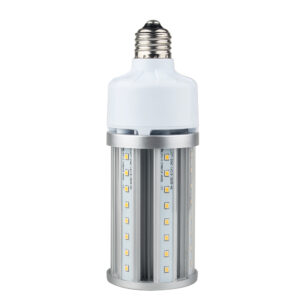
Understanding LED Bulbs and Dimming Compatibility
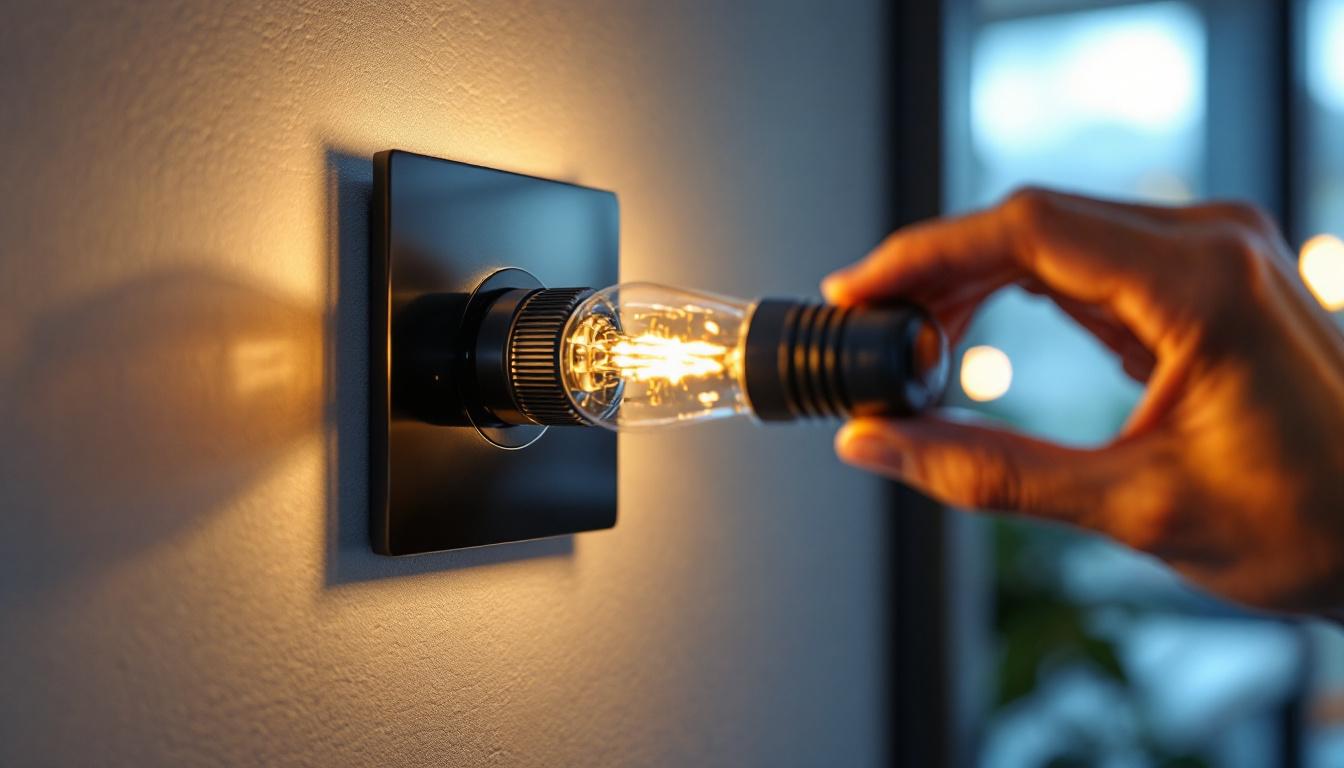
Light Emitting Diode (LED) technology has revolutionized the lighting industry, offering energy efficiency, longevity, and versatility. However, integrating LED bulbs with dimmer switches requires a nuanced understanding to ensure optimal performance and client satisfaction. For lighting contractors, mastering the compatibility between LED bulbs and dimmers is essential to avoid common pitfalls such as flickering, buzzing, or premature bulb failure.
Unlike traditional incandescent bulbs, LEDs operate on low voltage and use electronic drivers to regulate current. This fundamental difference means that not all dimmers designed for incandescent or halogen bulbs will function correctly with LEDs. Selecting the right combination of LED bulbs and dimmers is critical to achieving smooth dimming, preserving bulb lifespan, and maintaining lighting quality.
Why Compatibility Matters
Compatibility issues can lead to several problems including:
- Flickering or buzzing sounds: Caused by mismatched dimmer loads or incompatible dimmer technology.
- Limited dimming range: Some LEDs may only dim down to 20-30%, which might not meet the desired ambiance requirements.
- Reduced bulb lifespan: Improper dimming can stress LED drivers, leading to early failure.
For contractors, understanding these issues helps in recommending the right products and avoiding costly callbacks or customer dissatisfaction. Furthermore, it is crucial to note that the dimming technology has evolved significantly over the years, with many modern dimmers specifically designed to work with LED technology. These advanced dimmers often feature a wider range of compatibility, allowing for a more seamless integration with various LED products. They can also provide smoother transitions and a more refined control over light levels, enhancing the overall user experience.
Another consideration for contractors is the importance of educating clients on the benefits of using compatible dimmers with their LED installations. Many consumers may not realize that their existing dimmer switches could be contributing to performance issues with their new LED bulbs. By providing guidance on selecting the right dimmer, contractors can help clients make informed decisions that not only improve lighting quality but also optimize energy savings. This proactive approach not only fosters trust but also positions contractors as knowledgeable professionals who prioritize customer satisfaction and long-term value.
Choosing the Right LED Bulbs for Dimming Applications
When specifying LED bulbs for dimmable installations, contractors should prioritize bulbs explicitly labeled as “dimmable.” These bulbs contain drivers designed to handle the variable voltage and current conditions presented by dimmer switches.
Key Features to Look For
Several features influence the performance of dimmable LED bulbs:
- Driver Quality: High-quality drivers ensure smooth dimming without flicker or noise.
- Minimum Load Requirements: Some dimmers require a minimum load to function correctly; bulbs with low wattage may not meet this threshold alone.
- Color Temperature Consistency: Dimming should not significantly alter the color temperature unless intentionally designed to do so.
- Compatibility Listings: Many manufacturers publish compatibility charts listing dimmers tested with their bulbs.
By selecting bulbs with these characteristics, contractors can reduce the risk of installation issues and improve overall lighting quality. Additionally, it is essential to consider the overall energy efficiency of the bulbs, as this can significantly impact long-term operational costs. Dimmable LEDs are not only designed for aesthetic flexibility but also contribute to energy savings when used correctly, as they allow users to adjust brightness according to their needs and preferences.
Examples of LED Bulb Types Suitable for Dimming
Contractors should be aware of the different LED bulb types and their dimming capabilities:
- Standard LED Bulbs: Commonly used in residential and commercial settings; many are dimmable but require compatible dimmers.
- Smart LED Bulbs: Offer wireless dimming control through apps or voice assistants; compatibility with traditional dimmer switches varies.
- Integrated LED Fixtures: Some fixtures have built-in LEDs with proprietary dimming controls, requiring specific dimmers.
Understanding these distinctions helps contractors specify the right product for each project. Moreover, the choice of bulb can also influence the ambiance of a space. For instance, warm white LEDs can create a cozy and inviting atmosphere in living areas, while cooler temperatures may be more suitable for workspaces or kitchens. Furthermore, the integration of smart technology in LED bulbs not only enhances user convenience but also opens up possibilities for energy monitoring and automation, allowing homeowners to optimize their lighting based on daily routines and preferences.
Selecting and Installing Compatible Dimmers
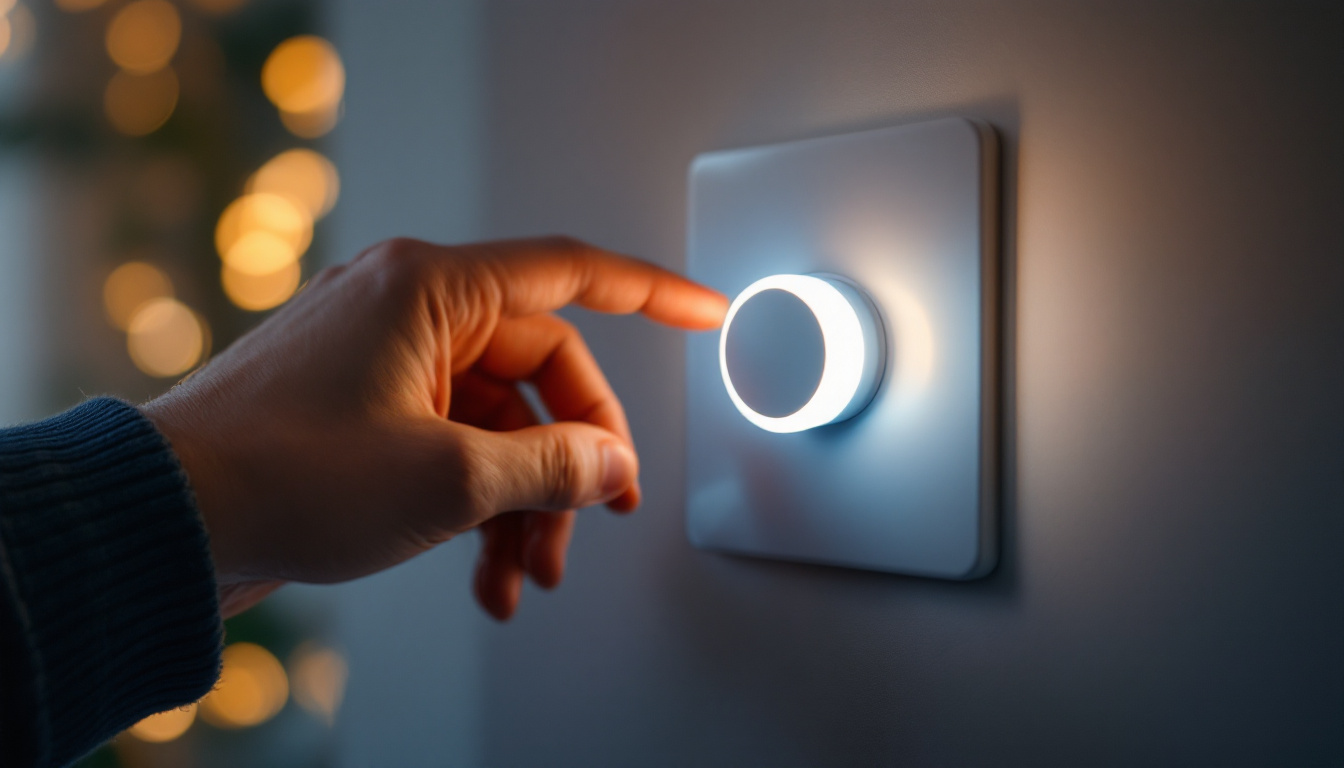
Dimmers are the control interface for adjusting light levels, and their compatibility with LED bulbs is paramount. Traditional dimmers designed for incandescent loads often perform poorly with LEDs due to differences in electrical characteristics.
Types of Dimmers Suitable for LEDs
Several dimmer technologies work well with LED lighting:
- Trailing Edge (Electronic Low Voltage) Dimmers: These dimmers provide smooth, flicker-free dimming and are generally preferred for LEDs.
- Leading Edge (Triac) Dimmers: Older technology primarily designed for incandescent bulbs; may cause flickering or buzzing with LEDs unless specifically rated.
- 0-10V Dimmers: Common in commercial settings; provide precise dimming control and are compatible with many LED drivers.
- DALI (Digital Addressable Lighting Interface) Systems: Offer advanced control and integration for large-scale or smart lighting installations.
Choosing the appropriate dimmer technology depends on the application, bulb type, and client requirements.
Installation Best Practices
Proper installation techniques can mitigate many dimming issues:
- Verify Load Requirements: Ensure the total wattage of LED bulbs meets the dimmer’s minimum load specification.
- Use Compatible Bulb-Dimmer Combinations: Refer to manufacturer compatibility charts to select tested pairings.
- Check Wiring and Connections: Secure and correct wiring reduces electrical noise that can cause flickering.
- Test Before Finalizing: Power up the system and test dimming performance at various levels to identify any issues early.
Following these steps helps avoid callbacks and enhances customer satisfaction.
Addressing Common Challenges in LED Dimming Installations
Despite careful selection, some challenges may arise during LED dimming installations. Lighting contractors should be prepared to troubleshoot and resolve these issues efficiently.
Flickering and Buzzing
Flickering or buzzing is often the most common complaint. Causes include:
- Incompatible dimmer and bulb pairing.
- Insufficient load on the dimmer.
- Poor wiring or loose connections.
Solutions include replacing the dimmer with an LED-compatible model, adding dummy loads to meet minimum load requirements, or tightening electrical connections.
Limited Dimming Range or Inconsistent Light Levels
Some LEDs may not dim to very low levels or may exhibit uneven brightness. This can be due to the bulb’s driver design or dimmer limitations. Contractors can address this by:
- Choosing bulbs with wider dimming ranges.
- Using dimmers designed specifically for LED technology.
- Educating clients on the expected dimming performance of LED lighting.
Compatibility with Smart Controls
Smart lighting systems are increasingly popular, but integrating LED bulbs with traditional dimmers and smart controls can be complex. Lighting contractors should:
- Confirm compatibility between smart bulbs and existing dimmers.
- Consider replacing traditional dimmers with smart dimmers or switches designed for LED and smart bulb control.
- Test the entire system for seamless operation before project completion.
Energy Efficiency and Regulatory Considerations
LED lighting combined with dimmers offers significant energy savings and compliance with energy codes, which is a strong selling point for contractors and clients alike.
Energy Savings Through Dimming
Dimming LED lights reduces power consumption proportionally, unlike incandescent bulbs where dimming reduces light output but not energy use as efficiently. This can lead to substantial cost savings over time, especially in commercial or large residential installations.
Compliance with Energy Codes and Standards
Many jurisdictions require lighting systems to meet specific energy efficiency standards. Dimmable LED lighting systems can help meet these requirements, but contractors must ensure:
- Use of Energy Star or equivalent certified LED bulbs.
- Installation of dimmers that comply with local electrical codes.
- Documentation of compliance for inspection and client records.
Staying informed about evolving regulations ensures contractors maintain professional standards and avoid liability.
Recommendations for Lighting Contractors
To excel in installations involving LED bulbs and dimmers, lighting contractors should adopt the following best practices:
1. Educate Clients on LED Dimming Characteristics
Set realistic expectations about dimming ranges, potential color shifts, and the importance of using compatible components. This transparency builds trust and reduces dissatisfaction.
2. Maintain Updated Knowledge of Products and Technologies
The LED and dimmer market evolves rapidly. Regularly reviewing manufacturer updates, attending training sessions, and testing new products ensures contractors provide the best solutions.
3. Use Quality Components and Follow Manufacturer Guidelines
Opt for reputable brands and adhere strictly to compatibility charts and installation instructions. This minimizes troubleshooting and enhances system reliability.
4. Perform Thorough Testing Before Project Completion
Testing dimming performance at multiple levels and under different conditions helps identify issues early, allowing for timely corrections.
5. Document Installations and Provide Clients with Usage Instructions
Providing detailed documentation on the installed system and guidance on operating dimmers helps clients maintain their lighting systems effectively.
Conclusion
For lighting contractors, mastering the integration of LED bulbs with dimmer switches is a critical skill that directly impacts project success and client satisfaction. By understanding the technical nuances of LED dimming, selecting compatible products, and following best installation practices, contractors can deliver efficient, reliable, and aesthetically pleasing lighting solutions.
As LED technology continues to advance, staying informed and proactive will position contractors as trusted experts in the evolving lighting landscape. Embracing these best practices not only enhances professional reputation but also contributes to energy-efficient, sustainable lighting environments for clients.
Illuminate Your Projects with LumenWholesale
Ready to elevate your lighting installations with the best LED bulbs and dimmers on the market? Look no further than LumenWholesale for all your lighting needs. Our extensive selection of spec-grade lighting products is designed to meet the highest industry standards, ensuring you deliver top-notch, energy-efficient solutions to your clients. With unbeatable wholesale prices and the convenience of free shipping on bulk orders, LumenWholesale is your go-to source for premium lighting without the premium price tag. Wholesale Lighting at the Best Value is just a click away. Experience the difference with LumenWholesale today.