Over the years, the lighting industry has undergone a remarkable transformation, particularly in the realm of ceiling light fixtures. As technology advances and design trends evolve, the options available to contractors and homeowners alike have expanded dramatically. This article delves into the evolution of ceiling light fixtures, exploring their history, the impact of technology, and the latest trends that are shaping the future of lighting.
The Historical Context of Ceiling Light Fixtures
The journey of ceiling light fixtures can be traced back to the early days of human civilization. Initially, lighting was achieved through natural sources such as sunlight and fire. As societies progressed, so too did their methods for illuminating spaces. The introduction of oil lamps marked a significant turning point, allowing for more controlled and sustained light sources. These early lamps were often crafted from materials like clay or metal and used animal fats or vegetable oils, showcasing the ingenuity of early artisans who sought to extend the hours of productivity and social interaction beyond daylight.
In the late 19th century, the invention of the electric bulb revolutionized the lighting industry. This innovation not only made lighting more accessible but also paved the way for the development of various ceiling fixtures. From chandeliers to flush mounts, the options began to diversify, catering to different aesthetic preferences and functional needs. The widespread adoption of electricity transformed homes and public spaces alike, allowing for a new sense of safety and comfort after dark, while also inspiring architects and designers to rethink how light could be integrated into the built environment.
The Rise of Electric Lighting
Electric lighting brought about a paradigm shift in how spaces were illuminated. Ceiling fixtures became more than just functional elements; they evolved into design statements that could enhance the overall aesthetic of a room. The introduction of incandescent bulbs allowed for softer, warmer light, which changed the ambiance of interiors. This new lighting technology not only improved visibility but also influenced the emotional atmosphere of spaces, making them more inviting and conducive to relaxation or socialization.
As electric lighting became more commonplace, manufacturers began to experiment with different materials and designs. Brass, glass, and later, plastics became popular choices for light fixtures, allowing for a blend of durability and style. This era marked the beginning of a new age in lighting, where creativity and functionality coexisted. Artisans began to collaborate with engineers, leading to innovative designs that incorporated elements such as dimming capabilities and adjustable fixtures, providing users with greater control over their lighting environments.
Art Deco and Mid-Century Modern Influences
The early to mid-20th century saw the emergence of distinct design movements that significantly influenced ceiling light fixtures. The Art Deco period introduced geometric shapes, bold colors, and luxurious materials, which were reflected in the design of chandeliers and pendant lights. These fixtures became symbols of elegance and sophistication, often found in the grand ballrooms of hotels and theaters, where they served not only as sources of light but as focal points of opulence and style.
Following this, the Mid-Century Modern movement embraced simplicity and functionality. Light fixtures from this era often featured clean lines and organic forms, focusing on the interplay of light and space. This shift towards minimalism not only catered to the aesthetic preferences of the time but also laid the groundwork for future innovations in lighting design. Designers began to prioritize the user experience, creating fixtures that were not only visually appealing but also easy to install and maintain. The incorporation of new materials, such as molded plastics and metals, allowed for more versatile designs that could adapt to various interior styles, making ceiling light fixtures a staple in homes across the globe.
The Technological Advancements in Lighting
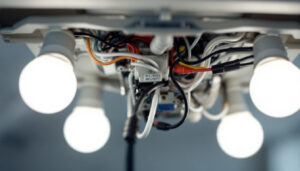
As the world moved into the late 20th and early 21st centuries, technological advancements began to reshape the lighting industry dramatically. The introduction of fluorescent lighting, followed by LED technology, revolutionized how ceiling fixtures were designed and utilized.
LEDs, in particular, have had a profound impact on ceiling light fixtures. They are energy-efficient, have a longer lifespan, and offer a range of color temperatures that can be adjusted to create various moods and atmospheres. This versatility has made LEDs the preferred choice for many contractors and homeowners alike.
Smart Lighting Solutions
The rise of smart home technology has further transformed the landscape of ceiling light fixtures. Today, many fixtures come equipped with smart capabilities, allowing users to control lighting through mobile apps or voice commands. This innovation has not only enhanced convenience but also introduced new possibilities for energy management and ambiance control.
Smart lighting solutions often include features such as dimming capabilities, color changing options, and programmable schedules. These advancements enable homeowners to customize their lighting experience, making it more dynamic and responsive to their needs.
Energy Efficiency and Sustainability
With growing awareness of environmental issues, energy efficiency has become a key consideration in the lighting industry. Modern ceiling light fixtures are designed with sustainability in mind, utilizing materials and technologies that minimize energy consumption and reduce carbon footprints.
Contractors are increasingly opting for fixtures that meet energy efficiency standards, such as those certified by ENERGY STAR. This not only benefits the environment but also offers homeowners significant savings on their energy bills. The focus on sustainability is likely to continue shaping the future of ceiling lighting, as more consumers demand eco-friendly options.
Current Trends in Ceiling Light Fixtures
The evolution of ceiling light fixtures has led to a diverse range of styles and designs that cater to various tastes and preferences. Current trends reflect a blend of aesthetics, functionality, and technological innovation, making it an exciting time for contractors in the lighting industry.
Minimalism and Clean Lines
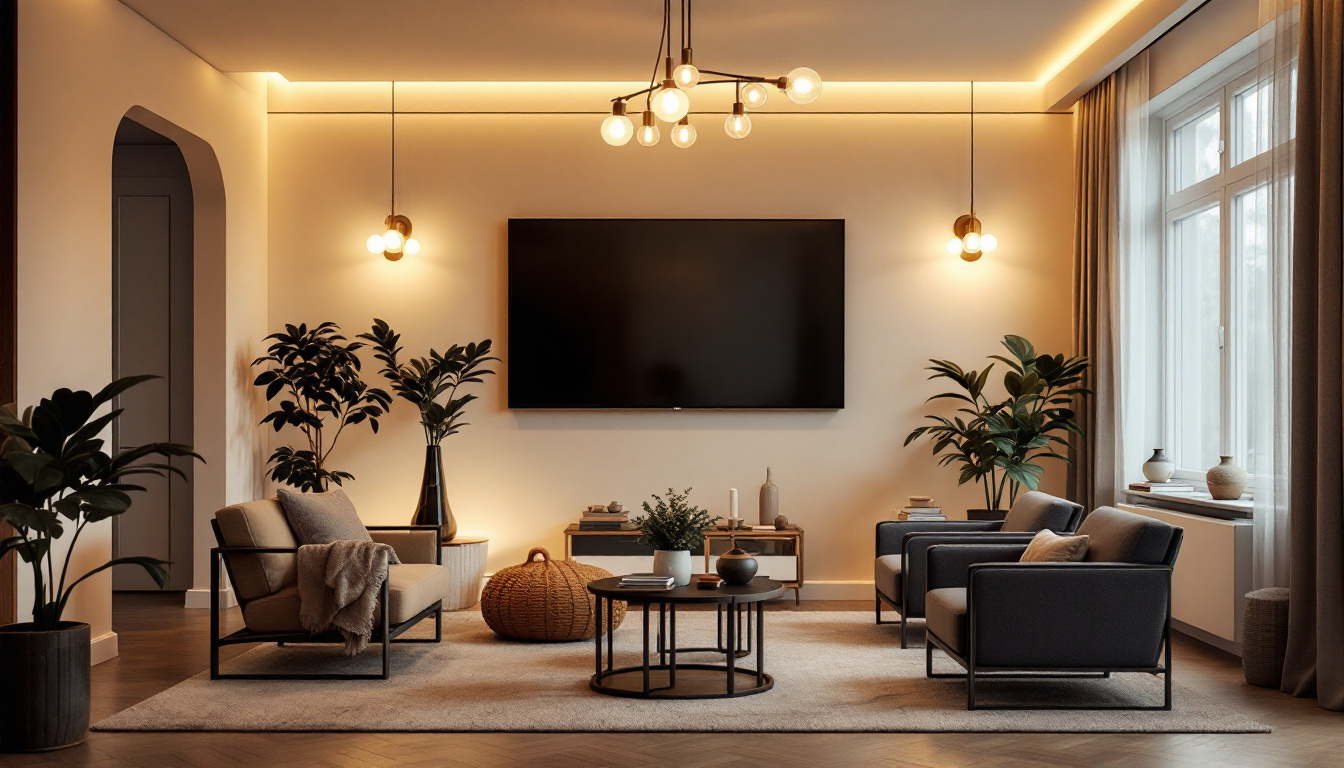
Minimalist design continues to dominate the lighting landscape. Ceiling fixtures with clean lines, geometric shapes, and understated elegance are highly sought after. This trend aligns with the broader movement towards simplicity in interior design, where less is often more.
Contractors are finding that minimalist fixtures can seamlessly integrate into a variety of spaces, from modern apartments to traditional homes. The ability to provide effective lighting without overwhelming the decor is a key selling point for these designs.
Industrial and Vintage Styles
On the other end of the spectrum, industrial and vintage styles have gained popularity among homeowners looking to add character to their spaces. Fixtures that incorporate raw materials such as metal and wood, along with vintage-inspired designs, evoke a sense of nostalgia while still offering modern functionality.
These styles often feature exposed bulbs and rustic finishes, creating a warm and inviting atmosphere. Contractors can leverage this trend by offering a range of industrial and vintage options that appeal to clients seeking a unique touch in their lighting choices.
Statement Fixtures
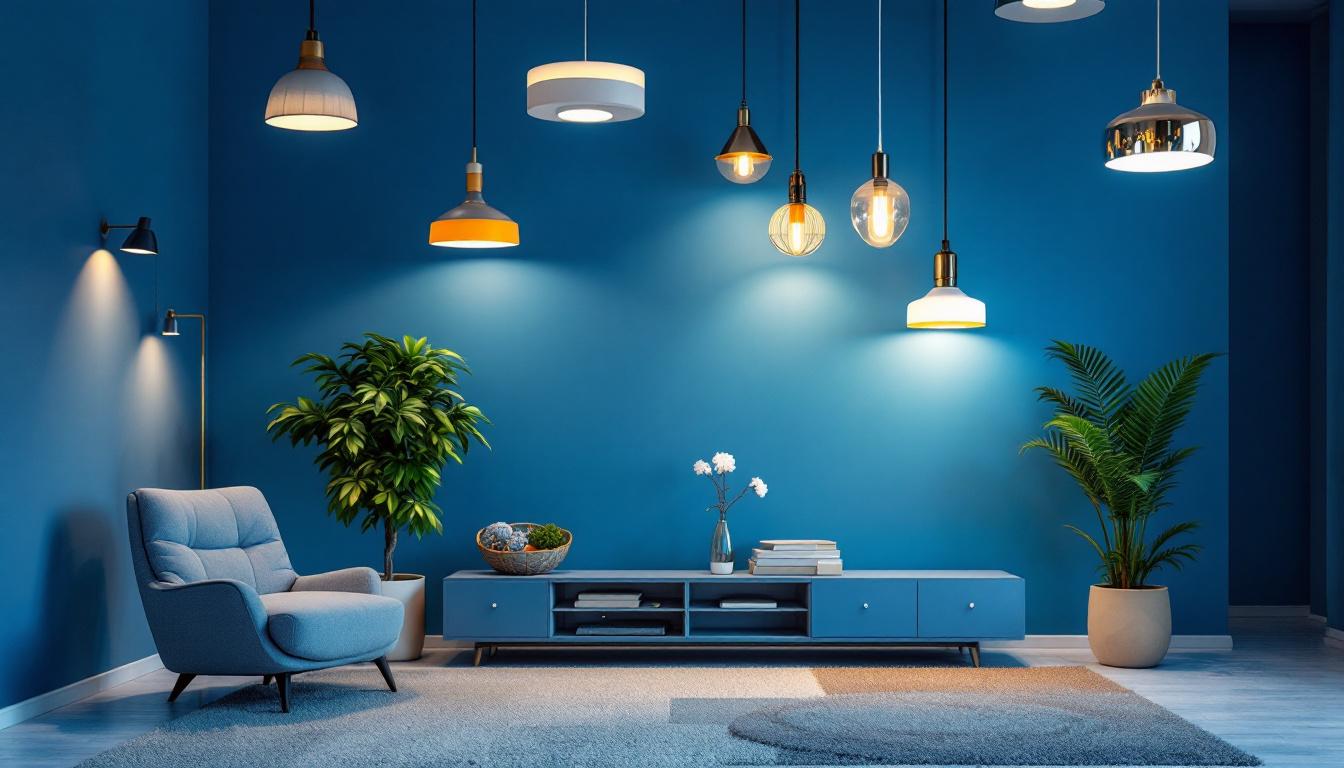
In recent years, there has been a noticeable shift towards statement fixtures that serve as focal points in a room. Large chandeliers, oversized pendant lights, and artistic ceiling installations are becoming increasingly popular as homeowners seek to make bold design statements.
These fixtures not only provide illumination but also enhance the overall aesthetic of a space. Contractors can capitalize on this trend by showcasing a variety of statement lighting options that cater to different design preferences, allowing clients to express their individuality through their lighting choices.
The Future of Ceiling Light Fixtures
As the lighting industry continues to evolve, the future of ceiling light fixtures looks promising. Innovations in technology, design, and sustainability are set to shape the next generation of lighting solutions.
One of the most exciting developments on the horizon is the integration of advanced technologies such as human-centric lighting. This approach focuses on creating lighting solutions that mimic natural light patterns, promoting well-being and productivity. Contractors who stay ahead of these trends will be well-positioned to meet the changing demands of their clients.
Integration with Home Automation Systems
As smart home technology becomes more prevalent, the integration of ceiling light fixtures with home automation systems is expected to grow. This will allow for seamless control of lighting alongside other home functions, providing a more cohesive and user-friendly experience.
Contractors who understand the intricacies of these systems will be able to offer valuable insights and solutions to clients, ensuring that their lighting choices align with their overall home automation goals.
Emphasis on Customization
The desire for personalization is driving a trend towards customizable lighting solutions. Homeowners are increasingly looking for fixtures that can be tailored to their specific needs and preferences, from adjustable brightness levels to unique design elements.
Contractors can take advantage of this trend by offering a range of customizable options, allowing clients to create lighting solutions that truly reflect their style and functional requirements. This level of personalization can enhance client satisfaction and lead to repeat business.
Conclusion
The evolution of ceiling light fixtures is a testament to the dynamic nature of the lighting industry. From the early days of oil lamps to the sophisticated smart lighting solutions of today, the journey has been marked by innovation, creativity, and a commitment to meeting the needs of consumers.
As technology continues to advance and design trends evolve, contractors must stay informed and adaptable. By embracing the latest trends and understanding the preferences of their clients, lighting professionals can position themselves for success in an ever-changing marketplace.
Ultimately, the future of ceiling light fixtures is bright, and those who are willing to innovate and adapt will thrive in this exciting industry.
Illuminate Your Projects with LumenWholesale
As you navigate the ever-evolving world of ceiling light fixtures, partner with LumenWholesale to illuminate your projects with the finest selection of lighting solutions. Our commitment to providing contractors with spec-grade lighting at wholesale prices ensures that you can access the latest trends and technologies without breaking the bank. With LumenWholesale, you’re guaranteed quality, affordability, and convenience, all in one place. Take advantage of our hassle-free bulk buying and free shipping to get the best value for your lighting needs. Discover wholesale lighting at the best value today and brighten the future of your projects with confidence.