Understanding the Importance of Lighting Stem Extension Kits
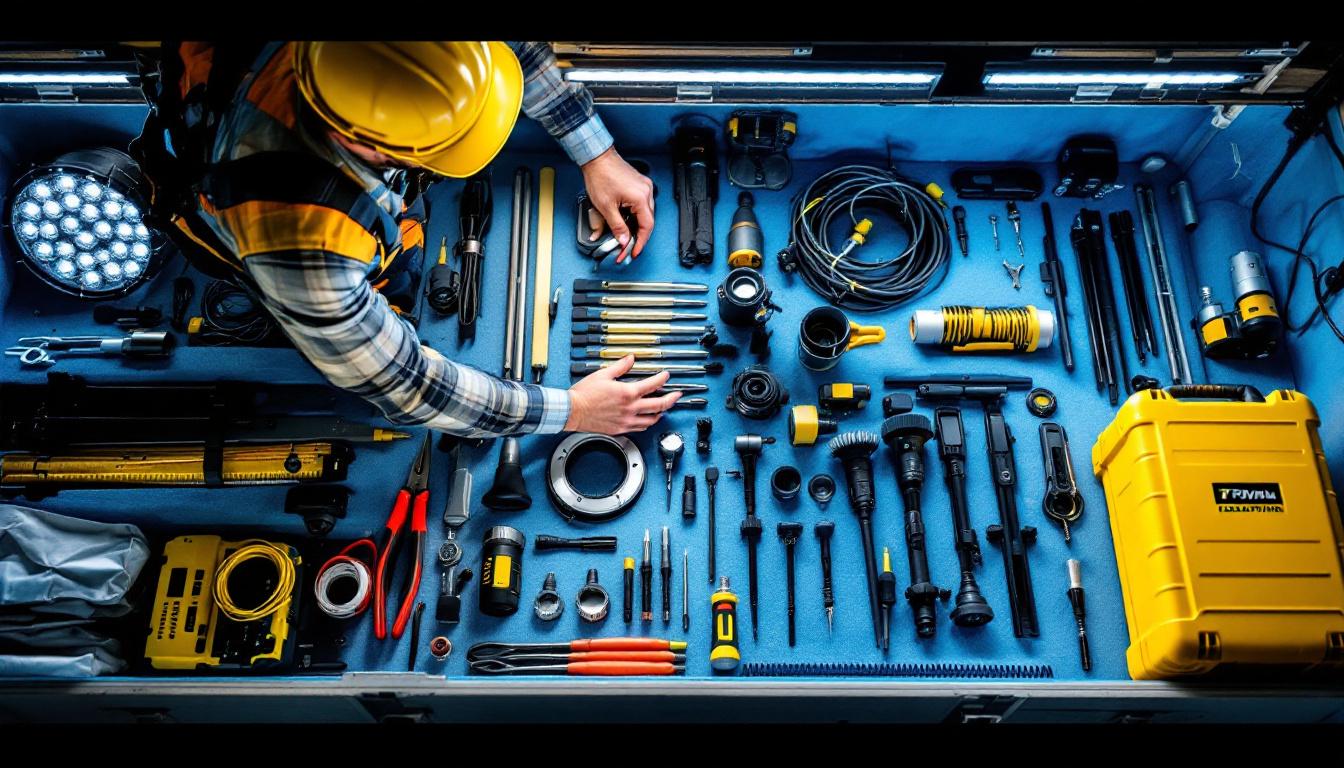
Lighting stem extension kits are essential components in the toolkit of any lighting contractor. These kits enable the extension of pendant lights, chandeliers, and other suspended lighting fixtures to achieve the desired height and aesthetic effect in a space. Proper use of stem extensions not only enhances the visual appeal but also ensures compliance with safety and building codes. The ability to adjust the height of lighting fixtures can dramatically alter the ambiance of a room, making it feel more inviting or spacious depending on the design intent.
For lighting contractors, understanding the specifications, compatibility, and installation nuances of stem extension kits is crucial. Mistakes in selection or installation can lead to fixture instability, electrical hazards, or dissatisfaction from clients. This checklist aims to provide a comprehensive guide to help professionals navigate the complexities of lighting stem extensions with confidence and precision. Additionally, knowing the various types of stem extensions available, such as rigid or adjustable options, allows contractors to tailor their approach based on the specific needs of each project. For instance, adjustable stems can be particularly beneficial in spaces with varying ceiling heights, ensuring that light fixtures are hung at an optimal level for both functionality and aesthetics.
Moreover, the choice of materials used in stem extension kits can significantly impact both durability and style. Many kits come in finishes that match or complement the fixtures they support, creating a seamless look that enhances the overall design of the space. Contractors should also consider the weight capacity of the stem extensions, as heavier fixtures may require more robust support to ensure safety and longevity. By paying attention to these details, lighting professionals can not only meet their clients’ expectations but also elevate their own reputation in the industry, showcasing their commitment to quality and craftsmanship in every installation.
Key Components of a Lighting Stem Extension Kit
Before diving into installation, contractors should familiarize themselves with the typical components included in a lighting stem extension kit. These parts work together to safely and effectively extend the fixture’s drop length.
Extension Rods
Extension rods are the core elements that physically lengthen the fixture’s stem. They come in various lengths, commonly ranging from 6 inches to 24 inches, and are often made from durable metals such as steel or aluminum. The rods must be compatible with the existing fixture’s threading and diameter to ensure a secure fit. Additionally, some extension rods may feature decorative finishes or coatings, allowing for aesthetic customization that can complement the overall design of the space. It’s essential to choose rods that not only meet functional requirements but also enhance the visual appeal of the lighting installation.
Coupling Nuts and Threaded Connectors
These components connect the extension rods to the fixture and to each other. High-quality coupling nuts and connectors are vital to maintain the structural integrity of the extended stem. Contractors should verify that these parts are corrosion-resistant and designed for electrical applications. Furthermore, the design of these connectors can vary, with some featuring locking mechanisms to prevent loosening over time. This added security is particularly important in high-traffic areas or spaces subject to vibrations, ensuring that the fixture remains stable and securely attached.
Canopy Extensions and Mounting Hardware
When extending the length of a fixture, the canopy—the cover plate that attaches to the ceiling—may also need to be adjusted or extended. Canopy extensions help maintain a clean, finished look and accommodate the longer stem. Mounting hardware, including screws and brackets, must be compatible with the extension kit and the ceiling type. It’s also worth noting that some kits may include additional features such as adjustable mounting brackets, which allow for fine-tuning the fixture’s position once installed. This flexibility can be particularly beneficial in spaces with varying ceiling heights or architectural details that require careful consideration during installation.
Safety Features
In addition to the primary components, safety features should not be overlooked when selecting a lighting stem extension kit. Many kits come equipped with safety cables or chains that provide an extra layer of security, ensuring that the fixture remains securely in place even in the event of a failure in the main support system. These safety measures are especially crucial in commercial settings or public spaces where the risk of accidents can have serious implications. Contractors should always prioritize safety by adhering to local building codes and regulations when installing lighting fixtures, as this not only protects the integrity of the installation but also the well-being of the occupants.
Pre-Installation Considerations for Lighting Contractors
Successful installation of lighting stem extensions requires careful planning and assessment of the project environment. Several factors must be evaluated before selecting and installing an extension kit.
Assessing Ceiling Height and Fixture Placement
One of the primary reasons for using a stem extension is to adapt the fixture to the ceiling height and room dimensions. Contractors should measure the ceiling height accurately and consider the fixture’s intended purpose and aesthetic placement. For example, in commercial spaces with high ceilings, longer extensions may be necessary to ensure adequate illumination and visual balance.
Evaluating Fixture Weight and Load Capacity
Lighting fixtures vary widely in weight, and the stem extension kit must support this load without compromising safety. Contractors should consult the manufacturer’s load ratings for both the fixture and the extension components. Overloading an extension rod can lead to bending, loosening, or even fixture failure.
Checking Electrical Compatibility and Safety Standards
Electrical safety is paramount. The extension kit should be rated for the fixture’s voltage and current requirements. Additionally, all components must comply with relevant safety standards such as UL (Underwriters Laboratories) or equivalent certifications. Contractors should also ensure that wiring can be safely extended through the stem without damage or risk of short circuits.
Step-by-Step Installation Guide
Proper installation techniques are essential to maximize the performance and safety of lighting stem extensions. The following steps outline a best-practice approach for lighting contractors.
1. Power Off and Prepare the Work Area
Always begin by turning off the power at the circuit breaker to prevent electrical shock. Clear the work area and gather all necessary tools and components. Having a clean and organized workspace reduces the risk of mistakes and accidents.
2. Remove the Existing Fixture
Carefully detach the lighting fixture from the ceiling. Document or label wiring connections to facilitate reassembly. Inspect the existing stem and mounting hardware for damage or wear.
3. Assemble the Extension Rods
Connect the extension rods using the coupling nuts or threaded connectors provided. Ensure that all connections are tight and aligned. If multiple rods are needed, assemble them sequentially before attaching to the fixture.
4. Extend and Secure Wiring
Feed the fixture’s electrical wiring through the assembled extension rods. If the existing wires are too short, use appropriate wire connectors and extension cables rated for the fixture’s electrical load. Avoid sharp bends or kinks in the wiring to prevent damage.
5. Attach the Extension to the Fixture and Ceiling
Securely fasten the extension assembly to the lighting fixture and the ceiling mounting bracket. Use the canopy extension if necessary to cover the extended length and maintain a polished appearance. Double-check all mechanical connections for stability.
6. Restore Power and Test
Turn the power back on and test the fixture for proper operation. Verify that the fixture is stable, the light functions correctly, and there are no unusual sounds or flickering. If any issues arise, turn off the power immediately and troubleshoot.
Common Challenges and Troubleshooting Tips
Lighting contractors often encounter challenges when working with stem extension kits. Being prepared to address these issues can save time and ensure client satisfaction.
Difficulty Matching Thread Sizes
One frequent problem is mismatched threading between the extension rods and the existing fixture. To avoid this, always measure the thread diameter and pitch before purchasing an extension kit. Having a thread gauge on hand can be invaluable.
Excessive Fixture Movement or Sway
If the extended fixture sways or feels unstable, it may indicate insufficient support or loose connections. Reinforce mounting brackets and verify that all coupling nuts are tightened to manufacturer specifications. In some cases, adding a secondary support cable may be necessary.
Wiring Length Insufficiency
When the stem is extended, the original wiring may be too short. Using proper wire extensions and connectors rated for the fixture’s electrical load is essential. Avoid splicing with incompatible materials or leaving exposed wires, as this poses a fire hazard.
Best Practices for Lighting Contractors Using Stem Extension Kits
Adhering to industry best practices not only ensures safety but also enhances the professionalism and quality of work delivered to clients.
Use Manufacturer-Recommended Components
Whenever possible, use extension kits and components recommended or supplied by the fixture manufacturer. This reduces compatibility issues and often comes with warranty protections.
Document and Communicate with Clients
Clear communication about the need for stem extensions, potential costs, and expected outcomes helps manage client expectations. Providing documentation of the installation process and safety checks can also build trust and credibility.
Stay Updated on Codes and Standards
Electrical and building codes evolve over time. Lighting contractors should regularly review local regulations and industry standards to ensure compliance. This includes understanding load requirements, wiring methods, and fixture placement guidelines.
Conclusion: The Lighting Contractor’s Advantage with Stem Extension Kits
Lighting stem extension kits are versatile tools that empower contractors to customize lighting installations to fit diverse architectural and design needs. Mastery of their selection, installation, and troubleshooting not only enhances the quality and safety of lighting projects but also elevates the contractor’s reputation and client satisfaction.
By following this checklist, lighting contractors can approach stem extension tasks with confidence, ensuring that every installation is both aesthetically pleasing and structurally sound. Investing time in understanding the technical details and best practices pays dividends in efficiency, safety, and professional excellence.
Get Your Premium Lighting Stem Extension Kits at LumenWholesale
Ready to elevate your lighting projects with the highest quality stem extension kits? Look no further than LumenWholesale, where we offer spec-grade lighting products at unbeatable wholesale prices. Our extensive selection is designed to meet the most rigorous industry standards, ensuring that you can deliver reliable and high-performance lighting solutions to your clients. With free shipping on bulk orders, you can stock up on premium lighting essentials without worrying about hidden fees or compromises. Discover the best value in wholesale lighting and make LumenWholesale your go-to source for all your lighting needs.