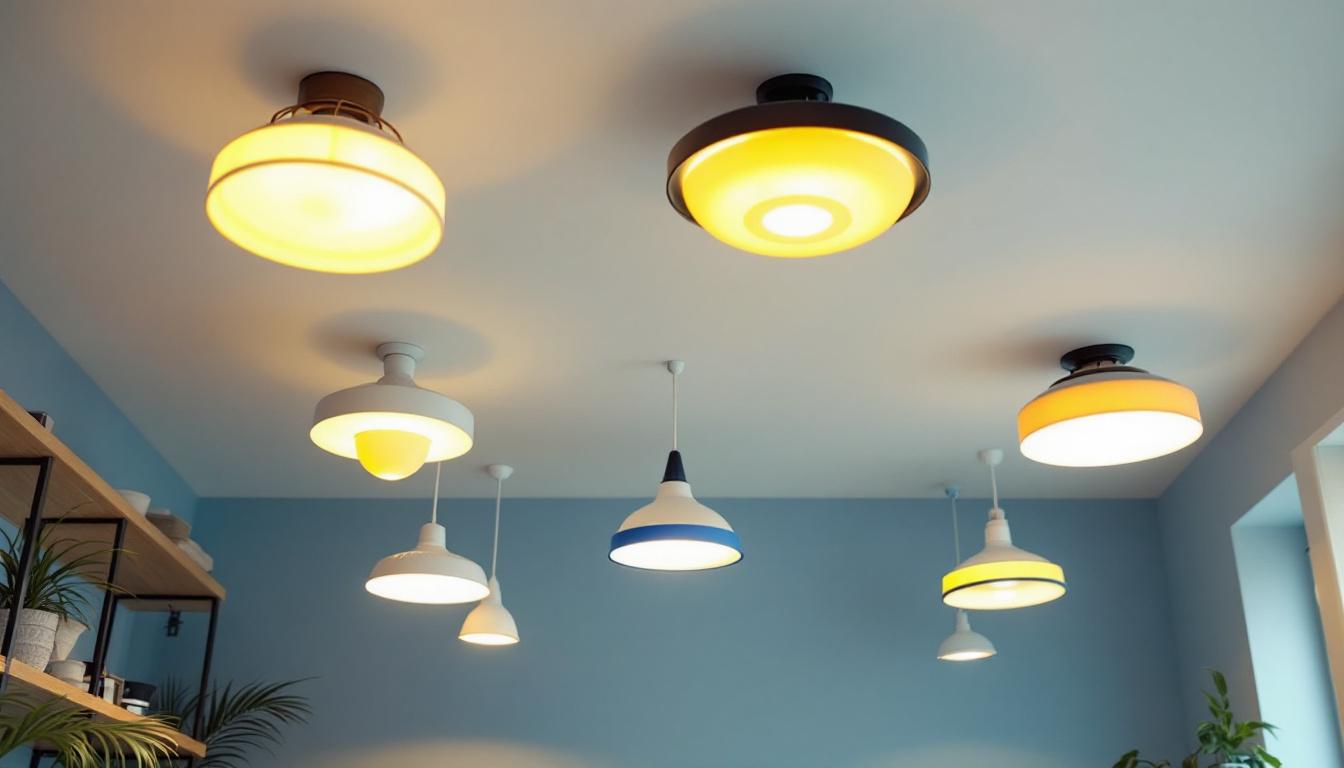
Understanding the Appeal and Challenges of Inexpensive Ceiling Light Fixtures
In the lighting industry, ceiling light fixtures represent a significant segment of both residential and commercial installations. For lighting contractors, inexpensive ceiling light fixtures offer an attractive option to meet budget constraints while delivering functional illumination. However, the allure of low-cost fixtures often comes with hidden pitfalls that can affect installation quality, customer satisfaction, and long-term performance.
While cost-efficiency is essential, contractors must balance affordability with durability, safety, and aesthetic appeal. Recognizing common mistakes associated with inexpensive ceiling light fixtures is critical for professionals aiming to uphold their reputation and deliver value to clients.
The Growing Demand for Budget-Friendly Lighting Solutions
Economic pressures and evolving consumer preferences have increased demand for affordable lighting options. Many homeowners and businesses seek quick, cost-effective upgrades without compromising too much on style or functionality. According to industry surveys, a significant percentage of lighting purchases fall within the lower price brackets, underscoring the importance of mastering inexpensive fixture installations.
However, the market is flooded with products varying widely in quality, certification, and compatibility. Lighting contractors who fail to perform due diligence may inadvertently install substandard fixtures, leading to premature failures or safety hazards. Additionally, the rapid pace of technological advancements in lighting, such as the shift from incandescent to LED, means that even budget fixtures can offer innovative features like energy efficiency and longer lifespans. This evolution presents an opportunity for contractors to educate clients about the benefits of investing in slightly higher-quality options that, while still affordable, provide better long-term value.
Moreover, the aesthetic aspect of inexpensive ceiling light fixtures cannot be overlooked. Many manufacturers are now producing stylish designs that cater to contemporary tastes, allowing homeowners to enhance their decor without breaking the bank. The rise of online marketplaces has also made it easier for consumers to access a wide range of designs, from minimalist to ornate, further driving the demand for budget-friendly options. However, contractors must remain vigilant in ensuring that the fixtures chosen not only fit the desired aesthetic but also meet local building codes and safety standards, thereby safeguarding both the installation process and the end-user experience.
Common Mistakes Lighting Contractors Make with Inexpensive Ceiling Light Fixtures
1. Overlooking Product Certification and Safety Standards
One of the most critical errors contractors make is neglecting to verify that inexpensive ceiling light fixtures meet necessary safety certifications such as UL (Underwriters Laboratories), ETL (Intertek), or CSA (Canadian Standards Association). These certifications ensure that the product has undergone rigorous testing for electrical safety, fire resistance, and performance.
Installing non-certified fixtures can expose clients to risks including electrical shocks, short circuits, or fire hazards. Moreover, insurance claims related to accidents caused by uncertified fixtures may be denied, placing liability squarely on the contractor.
Contractors should always request and confirm certification documentation before purchase and installation. This step not only safeguards end-users but also protects the contractor’s professional standing. Additionally, staying informed about the latest safety standards and regulations can enhance a contractor’s reputation as a knowledgeable professional in the field, fostering trust and confidence among clients.
2. Ignoring Compatibility with Existing Electrical Systems
Inexpensive ceiling light fixtures often come with generic wiring and mounting systems that may not align seamlessly with existing electrical infrastructure. A common mistake is assuming that all fixtures will fit standard junction boxes or wiring configurations without modification.
Failing to assess compatibility can lead to improper connections, loose fittings, or inadequate support, all of which compromise fixture stability and safety. For example, a lightweight fixture may not be suitable for a ceiling designed to support heavier installations, or vice versa.
Lighting contractors should conduct thorough site assessments, including measuring junction box dimensions, verifying voltage compatibility, and checking mounting hardware adequacy. When necessary, adaptors or supplementary supports should be employed to ensure a secure and code-compliant installation. Furthermore, educating clients about the importance of compatibility can help them make informed decisions and understand the value of professional installation.
3. Underestimating the Importance of Light Quality and Distribution
Cost-effective ceiling light fixtures sometimes sacrifice quality of illumination for affordability. Contractors may focus solely on fixture price and neglect factors such as color temperature, lumen output, and beam angle.
Poor light quality can result in uneven illumination, glare, or insufficient brightness, which diminishes the user experience and may require costly rework. For instance, installing a fixture with a cool white color temperature in a warm-toned room can create an uninviting atmosphere.
Professional contractors should evaluate the photometric specifications of fixtures and consider the intended space usage. Selecting fixtures that provide balanced light distribution and appropriate color rendering enhances both functionality and aesthetics. Additionally, discussing the psychological effects of lighting on mood and productivity with clients can further emphasize the importance of thoughtful fixture selection.
4. Skipping Manufacturer Installation Guidelines
In the rush to complete projects efficiently, some contractors overlook or inadequately follow manufacturer installation instructions. This oversight is particularly prevalent with inexpensive fixtures, where detailed manuals may be minimal or perceived as non-essential.
Ignoring these guidelines can lead to improper wiring, insufficient grounding, or incorrect mounting, increasing the risk of fixture failure or safety incidents. Manufacturers often specify torque settings, wire gauge requirements, and environmental limitations that are crucial for optimal performance.
Adhering strictly to installation instructions ensures warranty validity and reduces callbacks. Lighting contractors should treat manufacturer documentation as a vital resource rather than optional reading. Furthermore, taking the time to familiarize oneself with the specific nuances of each fixture can lead to more efficient installations and a better overall outcome for the client.
5. Neglecting Long-Term Maintenance Considerations
Inexpensive ceiling light fixtures may be designed with limited maintenance in mind, but contractors often fail to communicate this to clients or plan accordingly. Fixtures with non-replaceable bulbs or difficult access points can increase maintenance costs and inconvenience over time.
Additionally, cheaper materials may degrade faster, leading to discoloration, corrosion, or mechanical wear. Without proper planning, clients may face unexpected expenses or safety risks down the line.
Contractors should discuss maintenance expectations upfront, recommend fixtures with accessible components, and provide guidance on cleaning and bulb replacement. This proactive approach fosters client trust and reduces future service calls. Moreover, offering a maintenance schedule or service plan can further enhance client satisfaction and ensure that the lighting remains effective and safe throughout its lifespan.
Strategies for Avoiding Mistakes and Enhancing Installation Quality
Prioritize Quality Within Budget Constraints
While the goal is to keep costs low, quality should never be sacrificed entirely. Contractors can identify reputable suppliers offering budget-friendly fixtures that meet safety and performance standards. Bulk purchasing and establishing vendor relationships can also help secure better pricing without compromising quality.
Investing time in product research and sample testing can differentiate a contractor’s service and prevent costly errors.
Implement Rigorous Pre-Installation Assessments
Comprehensive site evaluations are essential. Contractors should verify electrical system compatibility, ceiling structure integrity, and environmental conditions such as humidity or temperature that may affect fixture performance.
Documenting these assessments and communicating findings with clients ensures transparency and informed decision-making.
Enhance Training and Knowledge of Installation Best Practices
Continual professional development is key to mastering the nuances of inexpensive fixture installation. Training programs, manufacturer workshops, and industry certifications can equip contractors with up-to-date techniques and safety protocols.
Encouraging teams to share experiences and lessons learned fosters a culture of quality and accountability.
Leverage Technology for Accurate Lighting Design
Utilizing lighting design software and photometric analysis tools can help contractors predict how inexpensive fixtures will perform in a given space. This data-driven approach aids in selecting fixtures that meet illumination goals and comply with building codes.
Technology also supports efficient project planning, reducing installation errors and optimizing resource use.
Case Studies Highlighting the Impact of Common Mistakes
Case Study 1: The Consequences of Using Non-Certified Fixtures
A commercial renovation project involved installing inexpensive ceiling fixtures sourced from an unverified supplier. Shortly after installation, several fixtures overheated, causing minor smoke damage. Investigation revealed the fixtures lacked UL certification and failed to meet electrical safety standards.
The contractor faced legal liabilities and reputational damage, underscoring the critical importance of verifying product certifications regardless of price.
Case Study 2: Installation Failures Due to Incompatible Mounting
In a residential upgrade, a contractor installed budget ceiling fixtures without confirming junction box compatibility. The fixtures were too heavy for the existing boxes, resulting in sagging and eventual detachment from the ceiling.
Rectifying the issue required additional labor and replacement hardware, negating initial cost savings and frustrating the homeowner.
Case Study 3: Poor Light Quality Affecting Client Satisfaction
A contractor selected inexpensive fixtures with low lumen output and a harsh color temperature for an office space. Employees reported eye strain and dissatisfaction with the lighting environment, prompting a costly retrofit with higher-quality fixtures.
This example highlights the necessity of balancing cost with functional lighting requirements.
Conclusion: Elevating Professional Standards with Inexpensive Ceiling Light Fixtures
Inexpensive ceiling light fixtures offer valuable opportunities for lighting contractors to deliver cost-effective solutions. However, the prevalence of common mistakes—from ignoring safety certifications to neglecting light quality—can undermine project success and client trust.
By prioritizing safety, compatibility, and performance, and by embracing thorough planning and continuous education, contractors can navigate the challenges associated with budget fixtures. This approach not only protects their business interests but also enhances the overall quality and reputation of the lighting industry.
Get Your Quality Lighting Fixtures at LumenWholesale
Don’t let common mistakes compromise your lighting projects. Choose LumenWholesale for your ceiling light fixtures and benefit from our commitment to quality and affordability. Our extensive selection of spec-grade lighting products meets the highest industry standards, ensuring you deliver safe, compatible, and high-performance lighting solutions to your clients. Take advantage of our wholesale prices, free shipping on bulk orders, and the convenience of cutting out the middleman. Elevate your professional standards with fixtures that promise reliability and style. Wholesale Lighting at the Best Value is just a click away.