Lighting is a critical element in any office environment, influencing not only the aesthetic appeal but also the productivity and well-being of employees. For lighting contractors, understanding the nuances of ideal office lighting can lead to significant time and cost savings. This article explores the various aspects of office lighting, providing insights into how effective lighting solutions can streamline projects and enhance client satisfaction.
The Importance of Office Lighting
Office lighting plays a pivotal role in creating a conducive work environment. It affects employee mood, productivity, and overall health. Poor lighting can lead to eye strain, headaches, and decreased motivation, ultimately impacting the company’s bottom line. For contractors, recognizing the importance of lighting can lead to better project outcomes and happier clients.
Enhancing Employee Productivity
Studies have shown that well-lit environments can significantly boost employee productivity. Natural light, in particular, has been linked to improved mood and energy levels. By incorporating optimal lighting solutions, contractors can help businesses create spaces that foster creativity and efficiency.
Moreover, the right lighting can reduce the likelihood of mistakes and accidents, further enhancing productivity. When employees can see clearly and comfortably, they can focus on their tasks without distraction. This leads to improved performance and a more efficient workflow. Additionally, adjustable lighting options, such as task lighting and dimmable fixtures, can cater to individual preferences, allowing employees to customize their workspace to suit their needs. This flexibility not only enhances comfort but also empowers employees, making them feel valued and understood.
Health and Well-Being
Beyond productivity, lighting has a profound impact on employee health. Insufficient or harsh lighting can contribute to various health issues, including eye strain and fatigue. By investing in quality lighting solutions, contractors can promote a healthier workplace, which in turn can reduce absenteeism and healthcare costs for employers.
Moreover, the psychological effects of lighting should not be overlooked. A well-lit office can enhance mood and morale, creating a more positive atmosphere. This is particularly important in high-stress environments where employee well-being is paramount. Furthermore, incorporating elements such as circadian lighting, which mimics natural daylight patterns, can help regulate employees’ sleep-wake cycles, leading to better overall health and increased alertness during working hours. As businesses strive to create a holistic approach to employee wellness, the role of thoughtful lighting design becomes increasingly essential, fostering not only productivity but also a sense of belonging and satisfaction within the workplace.
Types of Office Lighting
Understanding the different types of office lighting is crucial for contractors aiming to deliver the best solutions for their clients. Each type serves a unique purpose and can be combined to create an effective lighting strategy.
Ambient Lighting
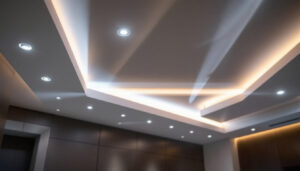
Ambient lighting provides the general illumination necessary for the office. It sets the overall tone and ensures that spaces are adequately lit. Common sources of ambient lighting include ceiling-mounted fixtures, such as recessed lights and fluorescent panels. For contractors, selecting the right ambient lighting is essential for creating a balanced and inviting environment.
When designing ambient lighting, it’s important to consider the layout of the office. Open spaces may require different lighting solutions compared to enclosed offices. Additionally, the color temperature of the lights can influence the ambiance, with warmer tones creating a cozy feel and cooler tones promoting alertness. Furthermore, the use of dimmable fixtures can provide flexibility, allowing employees to adjust the lighting based on their preferences or the time of day, thereby enhancing comfort and productivity.
Task Lighting
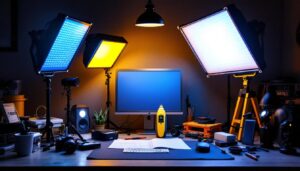
Task lighting is designed to illuminate specific areas where tasks are performed, such as desks or meeting rooms. This type of lighting is crucial for activities that require focus, such as reading, writing, or using a computer. Desk lamps and adjustable fixtures are common examples of task lighting.
For contractors, understanding the needs of the workspace is vital when implementing task lighting. The placement and intensity of task lights should be tailored to individual workstations to minimize glare and shadows, ensuring that employees can work efficiently without straining their eyes. Additionally, integrating LED task lights can provide energy efficiency and longer lifespans, making them a cost-effective choice for businesses looking to reduce their operational costs while maintaining high-quality lighting.
Accent Lighting
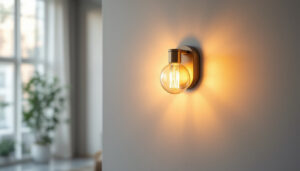
Accent lighting adds visual interest to an office space, highlighting architectural features, artwork, or branding elements. This type of lighting can enhance the overall aesthetic and create a more engaging environment. Spotlights and wall-mounted fixtures are often used for this purpose.
While accent lighting may not be essential for functionality, it plays a significant role in creating a memorable and inviting atmosphere. For contractors, incorporating accent lighting can differentiate their projects and provide added value to clients. Moreover, accent lighting can be strategically used to reinforce a company’s brand identity; for instance, using colored lights that match a company’s logo can create a cohesive look that resonates with clients and visitors alike. By thoughtfully integrating these elements, contractors can transform ordinary office spaces into dynamic environments that inspire creativity and collaboration.
Energy Efficiency in Office Lighting
With rising energy costs and increasing environmental awareness, energy-efficient lighting solutions have become a priority for many businesses. For lighting contractors, promoting energy-efficient options can lead to significant savings for clients and enhance the contractor’s reputation as a sustainable choice.
LED Technology
LED lighting has revolutionized the industry, offering a highly energy-efficient alternative to traditional incandescent and fluorescent bulbs. LEDs consume significantly less energy and have a longer lifespan, reducing replacement costs and waste. For contractors, recommending LED solutions can be a win-win for both the client and the environment.
Additionally, LED technology allows for greater flexibility in design. With a range of color temperatures and styles available, contractors can create customized lighting solutions that meet the specific needs of each office space while maximizing energy efficiency.
Smart Lighting Systems
Smart lighting systems are becoming increasingly popular in modern office design. These systems allow for automated control of lighting, enabling adjustments based on occupancy, time of day, and natural light levels. For contractors, integrating smart lighting can enhance the functionality of a space while providing clients with greater control over their energy usage.
By utilizing sensors and timers, smart lighting systems can reduce energy consumption when spaces are unoccupied, leading to substantial cost savings over time. Contractors who are knowledgeable about these technologies can offer clients innovative solutions that align with their sustainability goals.
Design Considerations for Office Lighting
Effective office lighting design goes beyond simply choosing the right fixtures. It involves a comprehensive understanding of the space, the tasks performed within it, and the preferences of the occupants. Lighting contractors must consider various factors to create an optimal lighting plan.
Space Layout and Functionality
The layout of an office significantly impacts lighting design. Open-plan offices may require different strategies compared to enclosed offices or meeting rooms. For contractors, conducting a thorough assessment of the space is crucial to determine the best lighting solutions.
Moreover, understanding the functionality of each area is essential. High-traffic zones may benefit from brighter lighting, while quieter spaces might require softer illumination. By tailoring the lighting to the specific needs of each area, contractors can enhance both aesthetics and functionality.
Color Temperature and Light Quality
The color temperature of office lighting can influence the mood and productivity of employees. Cooler temperatures (5000K-6500K) are often associated with alertness and focus, making them ideal for workspaces. In contrast, warmer temperatures (2700K-3000K) can create a more relaxed atmosphere, suitable for break areas or lounges.
Lighting quality is equally important. Poor-quality lighting can lead to glare and discomfort, detracting from the overall experience. Contractors should prioritize high-quality fixtures that provide even illumination and minimize harsh shadows.
Cost-Effective Solutions for Lighting Contractors
For lighting contractors, delivering cost-effective solutions is key to maintaining client satisfaction and ensuring repeat business. By focusing on value-driven strategies, contractors can enhance their offerings while saving time and money.
Standardization of Lighting Fixtures
Standardizing lighting fixtures across projects can streamline the installation process and reduce costs. By selecting a limited range of fixtures that meet the needs of various office environments, contractors can simplify procurement and minimize installation time.
Moreover, standardization can lead to bulk purchasing discounts, further reducing costs. For contractors, this approach not only enhances efficiency but also allows them to offer competitive pricing to clients.
Utilizing Lighting Controls
Incorporating lighting controls, such as dimmers and timers, can enhance the functionality of office lighting while providing cost savings. These controls allow for adjustments based on occupancy and natural light levels, reducing energy consumption and extending the lifespan of fixtures.
For contractors, promoting the use of lighting controls can be an attractive selling point. Clients are often interested in solutions that can lower their energy bills and enhance the user experience, making this a valuable addition to any lighting project.
Conclusion
In conclusion, ideal office lighting is more than just a design choice; it is a strategic investment that can save lighting contractors time and money while enhancing the overall workplace experience. By understanding the importance of various lighting types, energy efficiency, design considerations, and cost-effective solutions, contractors can deliver exceptional results that meet the needs of their clients.
As the demand for effective office lighting continues to grow, contractors who prioritize these elements will not only improve their project outcomes but also establish themselves as trusted partners in the industry. Embracing the principles of ideal office lighting can lead to lasting benefits for both contractors and their clients, fostering a brighter, more productive future in the workplace.
Illuminate Your Projects with LumenWholesale
Ready to elevate your lighting projects while saving on costs? At LumenWholesale, we provide lighting contractors with the high-quality, spec-grade lighting products you need to create ideal office environments. Our unbeatable wholesale prices mean you get the best value without the middleman markups. With our extensive selection that meets rigorous industry standards, you can ensure every project shines with reliability and performance. Plus, with free shipping on bulk orders, you can stock up on premium lighting effortlessly and affordably. Don’t compromise on quality or cost—visit LumenWholesale today for Wholesale Lighting at the Best Value and make your next project a beacon of productivity and savings.