In the evolving landscape of lighting design, the integration of technology has become increasingly essential. As a lighting contractor, understanding the benefits and applications of indoor lights with motion sensors can significantly enhance your projects. This article delves into the advantages of motion sensor lighting, explores future-proofing strategies, and discusses best practices for implementation.
The Rise of Smart Lighting Solutions
Smart lighting solutions have gained traction in both residential and commercial spaces. The incorporation of motion sensors into indoor lighting not only improves energy efficiency but also enhances user convenience and security. As technology advances, these systems are becoming more sophisticated, offering features such as remote control, scheduling, and adaptability to various environments. The seamless integration of smart lighting with other smart home devices, such as thermostats and security cameras, further amplifies their appeal, creating a cohesive ecosystem that enhances the overall user experience.
Energy Efficiency and Cost Savings
One of the primary advantages of motion sensor lighting is its ability to conserve energy. By automatically turning lights on when someone enters a room and off when they leave, these systems significantly reduce unnecessary energy consumption. This not only translates to lower utility bills for clients but also aligns with growing sustainability goals. Furthermore, many smart lighting solutions now come equipped with LED technology, which uses even less energy than traditional incandescent bulbs, thereby maximizing energy savings.
In commercial settings, where lighting can account for a substantial portion of energy costs, the implementation of motion sensors can lead to significant savings over time. Contractors can present these benefits to clients as a compelling reason to invest in smart lighting solutions. Additionally, businesses can benefit from government incentives and rebates aimed at promoting energy-efficient technologies, making the transition to smart lighting even more financially attractive. The long-term return on investment is not just in reduced energy bills but also in increased productivity, as well-lit environments contribute to better employee morale and performance.
Enhanced Security Features
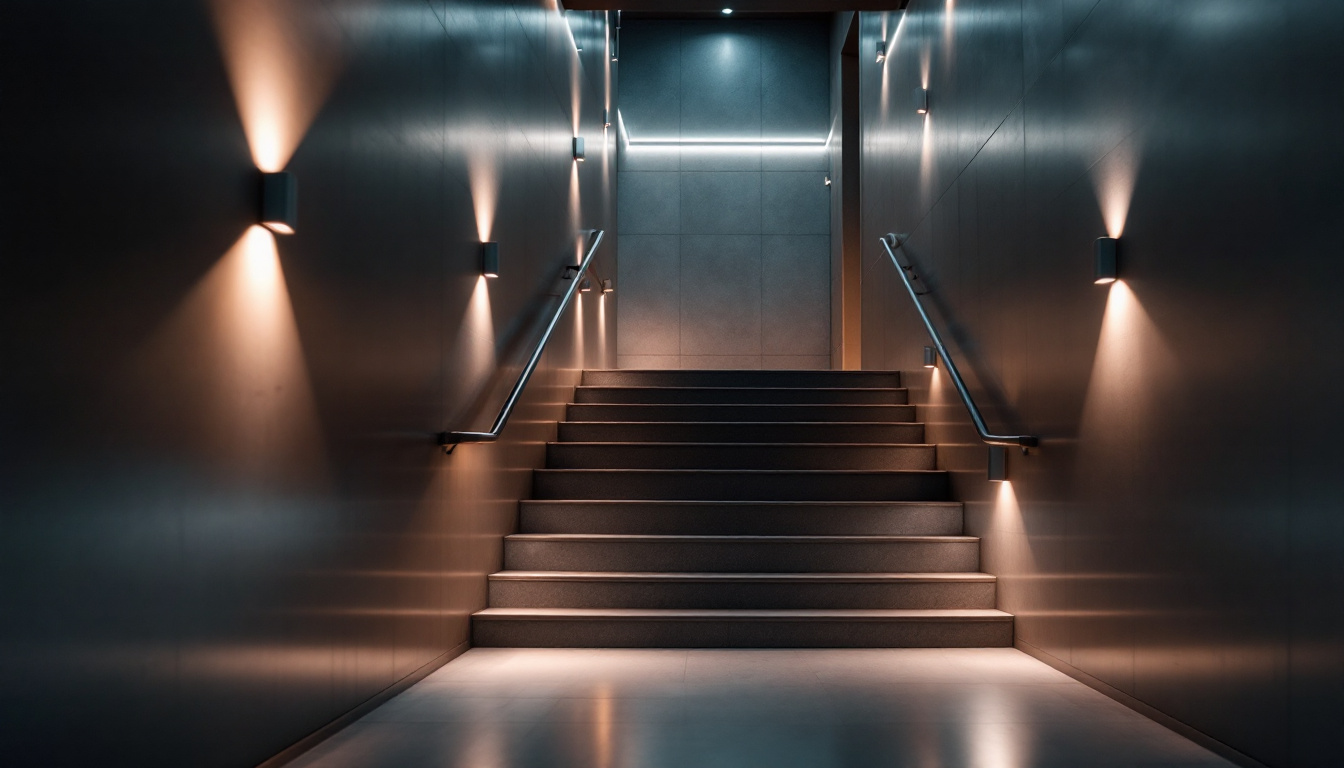
Indoor motion sensor lights also contribute to enhanced security. By illuminating spaces when movement is detected, these lights deter potential intruders and provide peace of mind to occupants. This feature is particularly valuable in areas such as hallways, staircases, and entryways, where visibility is crucial for safety. The ability to customize the sensitivity and duration of the lighting can further enhance security measures, allowing users to tailor the system to their specific needs.
Moreover, integrating motion sensors with security systems can create a comprehensive safety net for clients. As a contractor, offering such solutions not only meets client needs but also positions you as a forward-thinking professional in the industry. The potential for remote monitoring through smartphone applications adds an additional layer of convenience, allowing homeowners to check on their properties in real-time. This integration not only enhances security but also provides users with valuable insights into their daily routines, helping them to make informed decisions about their energy usage and safety practices.
Future-Proofing Your Lighting Projects
As technology continues to evolve, it is vital for lighting contractors to adopt strategies that ensure their projects remain relevant and functional for years to come. Future-proofing involves selecting adaptable systems and components that can integrate with emerging technologies. This proactive approach not only enhances the longevity of lighting installations but also positions contractors as forward-thinking professionals in a competitive market.
Choosing the Right Technology
When selecting motion sensor lighting, it is essential to consider compatibility with existing and future technologies. Opt for systems that can easily integrate with smart home platforms, such as Wi-Fi, Zigbee, or Z-Wave. This flexibility allows clients to expand their lighting systems or integrate them with other smart devices, such as thermostats and security cameras, without significant overhauls. Moreover, as the Internet of Things (IoT) continues to grow, the ability to connect lighting to a broader network of devices will become increasingly important, allowing for enhanced automation and energy management.
Additionally, consider the scalability of the systems you choose. Products that can be easily upgraded or expanded will save clients time and money in the long run, making your projects more appealing. For instance, selecting LED fixtures with adjustable color temperatures or brightness levels can provide clients with the versatility they need as their preferences or requirements change over time. This adaptability not only enhances user experience but also aligns with the growing trend of personalized lighting solutions.
Design Considerations
Design plays a crucial role in the effectiveness of motion sensor lighting. When planning a project, consider the layout of the space and the placement of sensors to ensure optimal performance. Sensors should be positioned to cover high-traffic areas while minimizing false triggers from pets or other movements. Additionally, understanding the specific needs of each environment—whether it’s a residential home, commercial space, or outdoor area—will help in tailoring the lighting solution to maximize both functionality and safety.
Furthermore, the aesthetic aspect of lighting should not be overlooked. Select fixtures that complement the overall design of the space while still providing the necessary functionality. A well-designed lighting solution can enhance the ambiance of a room while serving practical purposes. Incorporating dimmable options or color-changing LEDs can also allow clients to create different moods or atmospheres, making the lighting not just a utility but a key element of interior design.
Client Education and Engagement
Educating clients about the benefits and functionalities of motion sensor lighting is essential for successful implementation. Take the time to explain how these systems work, their energy-saving potential, and their impact on security. Providing demonstrations can also help clients visualize the benefits and ease any concerns they may have regarding new technology. Furthermore, offering informational resources such as brochures or online guides can empower clients to make informed decisions about their lighting needs.
Engagement doesn’t stop once the project is completed. Offering ongoing support and maintenance services can enhance client satisfaction and foster long-term relationships. Clients who feel supported are more likely to recommend your services to others, further expanding your business opportunities. Consider implementing a follow-up system to check in with clients after installation, providing them with tips on optimizing their lighting systems and addressing any questions they may have. This proactive approach not only reinforces your commitment to quality service but also builds trust and loyalty in your client base.
Implementation Best Practices
Successfully integrating motion sensor lighting into projects requires careful planning and execution. Here are some best practices to consider during implementation.
Conduct a Thorough Site Assessment
Before installation, conduct a comprehensive site assessment to understand the specific needs of the space. Evaluate factors such as foot traffic patterns, existing lighting conditions, and the intended use of each area. This information will guide the selection of appropriate sensors and fixtures.
Additionally, consider the potential impact of environmental factors, such as the presence of reflective surfaces or obstacles that may interfere with sensor functionality. A thorough assessment ensures that the chosen solutions will deliver optimal performance. Engaging with the end-users during this phase can provide valuable insights into their habits and preferences, further refining the approach to lighting design. Understanding how different spaces are utilized at various times can lead to a more tailored installation that enhances both safety and convenience.
Testing and Calibration
After installation, it is crucial to test and calibrate the motion sensors to ensure they function as intended. Adjust sensitivity settings to minimize false triggers while ensuring adequate coverage. Testing should be conducted at various times of day to account for changing light conditions.
Encourage clients to provide feedback during this phase. Their insights can help fine-tune the system and ensure it meets their expectations. A well-calibrated system enhances user satisfaction and demonstrates professionalism. Furthermore, consider implementing a trial period where users can experience the system in action and report any anomalies. This collaborative approach not only fosters trust but also empowers clients to take ownership of their lighting solutions, ultimately leading to a more successful integration.
Regular Maintenance and Upgrades
To keep motion sensor lighting systems functioning optimally, regular maintenance is essential. Schedule periodic checks to ensure that sensors are clean, functioning correctly, and free from obstructions. This proactive approach can prevent issues before they arise and prolong the lifespan of the system.
Additionally, stay informed about advancements in lighting technology. As new features and systems become available, offer clients options for upgrades. This not only keeps their systems current but also positions you as a knowledgeable expert in the field. Consider creating a maintenance log that tracks performance metrics over time, allowing for data-driven decisions regarding upgrades or adjustments. By demonstrating a commitment to ongoing support and innovation, you can help clients maximize their investment and adapt to evolving lighting needs, ensuring that their environments remain efficient and effective.
Conclusion
Incorporating indoor lights with motion sensors into lighting projects is a strategic move for contractors looking to future-proof their offerings. By understanding the benefits, implementing best practices, and staying abreast of technological advancements, contractors can enhance their projects and provide clients with innovative solutions.
As the demand for smart lighting solutions continues to grow, embracing these technologies will not only improve energy efficiency and security but also elevate the overall quality of lighting design. By prioritizing education, adaptability, and ongoing support, lighting contractors can build lasting relationships with clients and ensure their projects stand the test of time.
In a rapidly changing industry, staying ahead of the curve is essential. Motion sensor lighting is not just a trend; it is a fundamental component of modern lighting design that can significantly impact client satisfaction and project success.
Get Started with LumenWholesale Today
Ready to elevate your lighting projects with the latest in motion sensor technology? At LumenWholesale, we provide contractors like you with the highest quality, spec-grade lighting products at prices that can’t be beaten. Say goodbye to local distributor markups and hello to a vast selection of reliable, high-performance lighting that meets the most rigorous industry standards. With free shipping on bulk orders, LumenWholesale is your go-to source for premium lighting solutions that combine quality, affordability, and convenience. Don’t let your projects fall behind the times. Wholesale Lighting at the Best Value is just a click away—future-proof your lighting designs now with LumenWholesale.