Understanding Barn Lights: Origins and Modern Adaptations
Barn lights, originally designed for agricultural buildings, have evolved far beyond their rustic roots. These fixtures were crafted to provide broad, focused illumination over large outdoor areas such as barns, stables, and farmyards. Their iconic gooseneck shape and durable metal construction made them a staple in rural settings, prized for both functionality and resilience.
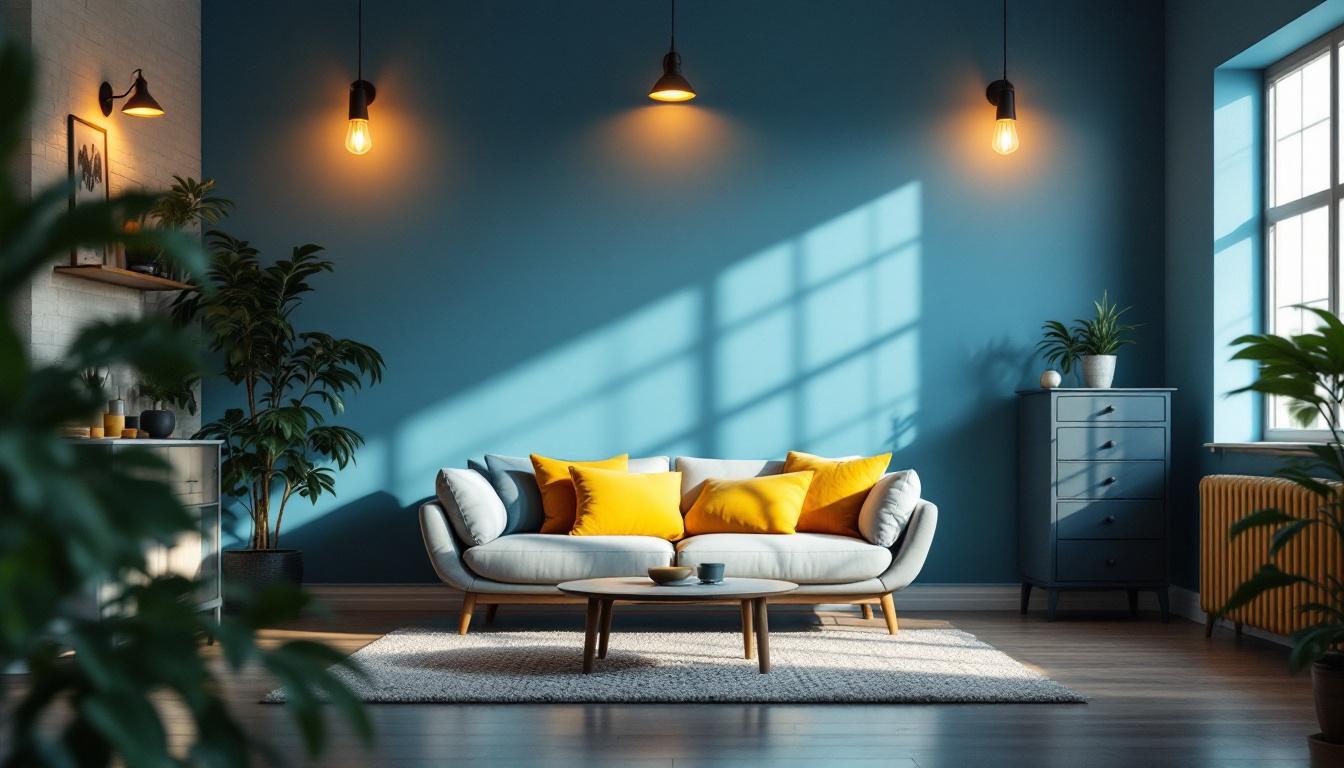
Today, barn lights have found a prominent place in interior design, blending vintage charm with modern lighting technology. For lighting contractors, understanding this transition is crucial. The shift from purely utilitarian outdoor fixtures to stylish indoor lighting solutions demands attention to both aesthetic considerations and technical specifications.
Modern barn lights maintain their classic silhouette but are often adapted with LED technology, dimmable features, and various finishes to complement contemporary interiors. This fusion of old and new creates versatile lighting options that appeal to a wide range of clients, from homeowners aiming for industrial chic to commercial spaces seeking distinctive ambiance.
Key Features and Benefits of Barn Lights for Interior Use
Design Versatility and Aesthetic Appeal
One of the primary reasons barn lights have surged in popularity indoors is their timeless design. The curved arm and downward-facing shade direct light efficiently, reducing glare and creating focused illumination. This makes barn lights ideal for task lighting over kitchen islands, workbenches, or reading nooks.
Their industrial yet warm appearance complements various design styles, including farmhouse, rustic, industrial, and even minimalist interiors. Lighting contractors can leverage this versatility to meet diverse client preferences, offering fixtures in finishes ranging from matte black and oil-rubbed bronze to polished copper and brushed nickel.
Durability and Low Maintenance
Originally built to withstand harsh outdoor conditions, barn lights are inherently durable. When adapted for interior use, this robustness translates into long-lasting fixtures that require minimal upkeep. Many barn lights feature powder-coated finishes and weather-resistant materials, ensuring longevity even in high-humidity environments like kitchens and bathrooms.
For contractors, this durability means fewer callbacks and maintenance requests, enhancing client satisfaction and reputation. Additionally, the sturdy construction allows for easy installation and adjustment, which can streamline project timelines.
Energy Efficiency and Lighting Quality
Modern barn lights often incorporate LED technology, which offers significant energy savings compared to traditional incandescent or halogen bulbs. LEDs consume less power, have longer lifespans, and produce less heat, making them an environmentally friendly and cost-effective choice.
Moreover, LEDs provide consistent, high-quality light with options for color temperature customization. This allows contractors to tailor the lighting ambiance to the specific needs of the space—whether it’s a warm, cozy glow for residential interiors or bright, neutral light for commercial settings.
Technical Considerations for Lighting Contractors
Choosing the Right Size and Scale
Proper sizing is critical when installing barn lights indoors. Oversized fixtures can overwhelm a room, while undersized ones may fail to provide adequate illumination. Contractors should assess the dimensions of the space, ceiling height, and intended lighting purpose before selecting fixtures.
For example, a barn light with a 12-inch shade might be suitable for a kitchen counter, whereas larger shades of 16 to 20 inches may be better for open living areas or commercial spaces. Balancing scale with room proportions ensures both functional and aesthetic success.
Mounting Options and Placement Strategies
Barn lights typically come with wall-mount or pendant options. Wall-mounted gooseneck fixtures are excellent for accentuating architectural features or providing directional light over work surfaces. Pendant barn lights, suspended from the ceiling, can serve as focal points or ambient lighting sources.
Lighting contractors should consider the mounting height carefully. Generally, wall-mounted barn lights are installed between 5 to 7 feet above the floor to optimize light distribution and minimize glare. Pendant fixtures should hang approximately 30 to 36 inches above countertops or tables, depending on ceiling height and fixture size.
Wiring and Electrical Compliance
As with any lighting installation, adherence to electrical codes and safety standards is paramount. Barn lights designed for interior use must be compatible with indoor wiring systems and fixtures. Contractors should verify that the fixtures have appropriate UL or ETL listings for indoor applications.
Additionally, integrating dimmer switches or smart lighting controls can enhance functionality and client satisfaction. Ensuring compatibility between barn light fixtures and control systems requires careful planning and coordination with electricians and other trades.
Common Applications and Client Preferences
Residential Settings
In homes, barn lights are frequently used in kitchens, dining rooms, home offices, and entryways. Their focused beam is ideal for task lighting, while their vintage aesthetic adds character to modern interiors. Clients often request barn lights to complement farmhouse-style décor or to introduce an industrial edge to eclectic designs.
Contractors should be prepared to offer a range of finishes and bulb options to accommodate varying tastes. For example, Edison-style LED bulbs can enhance the nostalgic feel, while cooler white LEDs suit more contemporary environments.
Commercial and Hospitality Environments
Restaurants, cafes, retail stores, and boutique hotels increasingly incorporate barn lights to create inviting atmospheres. The fixtures’ directional lighting helps highlight merchandise, dining areas, or architectural details without overwhelming the space.
Lighting contractors working in commercial settings must balance aesthetics with functionality, ensuring that barn lights provide sufficient illumination for safety and operational needs. Customization options, such as adjustable arms or multiple fixture groupings, allow for tailored lighting schemes that enhance brand identity and customer experience.
Adaptive Reuse and Renovation Projects
Barn lights are particularly popular in adaptive reuse projects where historic or industrial buildings are converted into modern living or working spaces. Their authentic look complements exposed brick, reclaimed wood, and other vintage materials, preserving the character of the original structure.
Contractors involved in renovation projects should be knowledgeable about integrating barn lights with existing electrical systems and architectural constraints. Collaborating with architects and interior designers ensures cohesive and compliant installations.
Installation Best Practices and Troubleshooting
Pre-Installation Planning
Successful barn light installation begins with thorough planning. Contractors should conduct site assessments to determine optimal fixture placement, verify electrical supply, and identify potential obstacles such as studs or wiring conflicts. Consulting with clients about their lighting goals and preferences helps align expectations.
Documenting measurements, mounting heights, and wiring diagrams reduces errors and streamlines the installation process. Using templates or mounting brackets provided by manufacturers can improve accuracy and reduce damage to walls or ceilings.
Installation Techniques
When mounting barn lights, it is essential to secure fixtures firmly to support structures, especially for heavier metal models. Anchors or toggle bolts may be necessary when attaching to drywall. Contractors should ensure that wiring connections are tight, insulated, and compliant with local electrical codes.
For pendant barn lights, adjusting cord length or chain suspension allows for precise positioning. Balancing the fixture to avoid tilting enhances both appearance and light distribution. Testing the fixture before finalizing installation helps identify any electrical or mechanical issues early.
Common Issues and Solutions
Lighting contractors may encounter several challenges when installing barn lights indoors. These can include flickering lights, insufficient illumination, or fixture wobbling. Flickering often results from incompatible dimmer switches or loose wiring and can be resolved by using LED-compatible dimmers and securing connections.
Insufficient light output may require upgrading to higher lumen bulbs or adding supplementary fixtures. If fixtures wobble or feel unstable, reinforcing mounting points or adjusting hardware can improve stability. Prompt troubleshooting and clear communication with clients ensure satisfaction and reduce post-installation service calls.
Emerging Trends and Innovations in Barn Lighting
Smart Lighting Integration
The rise of smart home technology has influenced barn light design and functionality. Many manufacturers now offer barn lights compatible with wireless controls, voice assistants, and automation systems. This allows users to adjust brightness, color temperature, and schedules remotely, enhancing convenience and energy efficiency.
Lighting contractors should familiarize themselves with popular smart lighting platforms and ensure that barn light fixtures are compatible with clients’ existing or planned systems. Providing guidance on setup and troubleshooting smart features adds value to service offerings.
Eco-Friendly Materials and Sustainable Practices
Environmental consciousness is shaping lighting choices across industries. Some barn light manufacturers are adopting sustainable materials such as recycled metals and eco-friendly finishes. Additionally, the use of LED technology aligns with energy conservation goals.
Contractors can highlight these green features when advising clients, appealing to those who prioritize sustainability. Incorporating energy-efficient barn lights into projects can also contribute to achieving green building certifications and compliance with environmental standards.
Customization and Modular Designs
Customization options are expanding, allowing barn lights to be tailored to specific project needs. Modular designs enable easy swapping of shades, arms, or mounting styles, providing flexibility for future updates or changes in décor.
Lighting contractors should explore suppliers offering customizable barn lights to meet unique client demands. This approach supports creative lighting solutions and can differentiate contractors in competitive markets.
Conclusion: Maximizing the Potential of Barn Lights Indoors
Barn lights have transcended their agricultural origins to become a versatile and stylish choice for interior lighting. For lighting contractors, mastering the nuances of barn light selection, installation, and customization is essential to delivering exceptional results.
By understanding the design, technical, and functional aspects of barn lights, contractors can confidently recommend and install fixtures that enhance both residential and commercial spaces. Staying informed about emerging trends and innovations will further position contractors as knowledgeable professionals capable of meeting evolving client needs.
Ultimately, barn lights offer an excellent opportunity to blend aesthetic appeal with practical lighting solutions, making them a valuable addition to any lighting contractor’s portfolio.
Illuminate Your Projects with LumenWholesale
Ready to elevate your lighting game with the versatile and stylish barn lights? Look no further than LumenWholesale for all your lighting needs. We provide lighting contractors with top-quality, spec-grade barn lights at unbeatable wholesale prices, ensuring you get the best value for your projects. Our extensive selection is designed to meet the highest industry standards, so you can trust the performance and reliability of every fixture you install. Plus, with free shipping on bulk orders, you can stock up on premium lighting without worrying about hidden fees or compromises. Don’t miss out on the perfect blend of quality, affordability, and convenience. Visit LumenWholesale today and discover Wholesale Lighting at the Best Value for your next project.