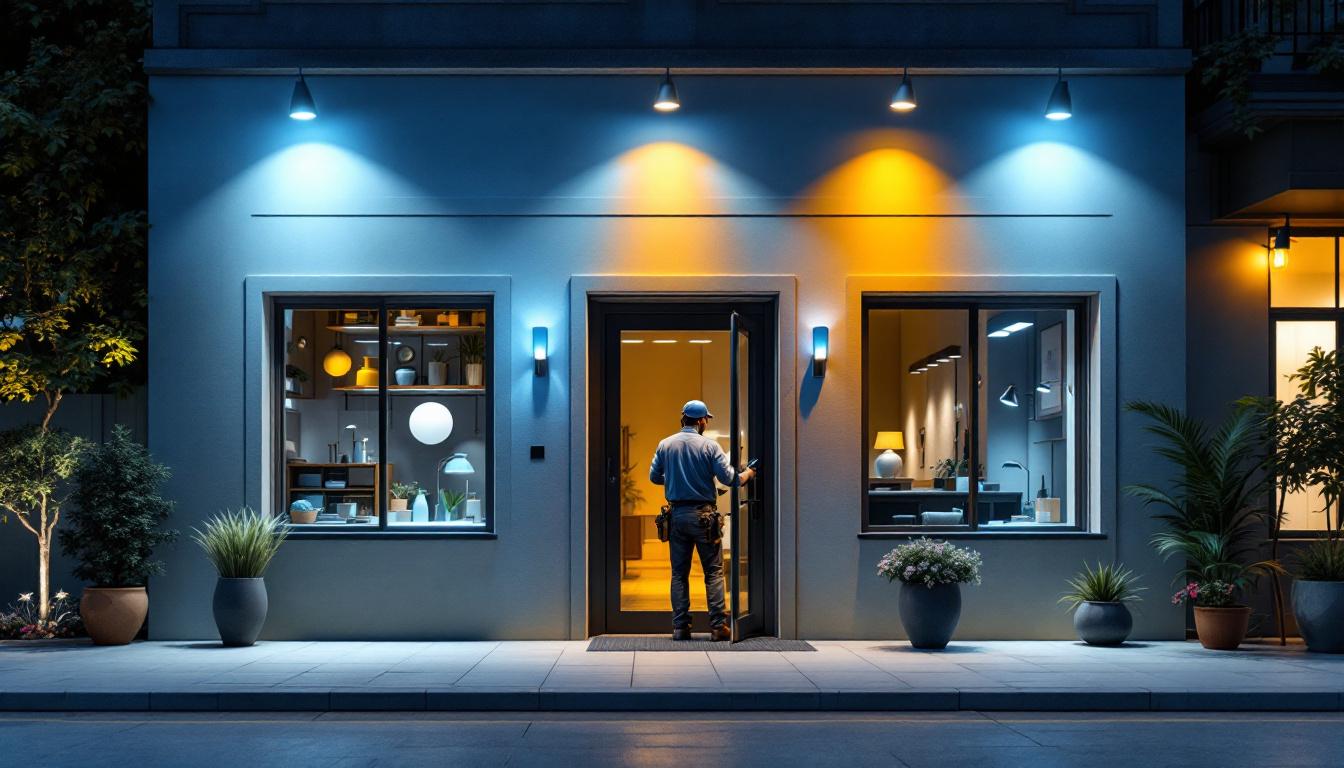
Lighting plays a crucial role in the aesthetics and functionality of commercial spaces. For lighting contractors, understanding the intricacies of exterior lighting fixtures is essential to delivering high-quality results. However, common mistakes can lead to subpar installations, safety issues, and dissatisfied clients. This article explores these pitfalls and offers insights to help contractors enhance their projects.
Understanding the Importance of Proper Lighting
Before diving into the common mistakes, it’s vital to recognize why proper exterior lighting is essential. Effective lighting not only enhances the visual appeal of a property but also contributes to safety and security. Well-lit areas deter criminal activity, improve navigation, and create a welcoming atmosphere. A well-designed lighting plan can transform a mundane space into a vibrant environment that invites interaction and enjoyment, especially during evening hours when outdoor activities are prevalent.
Moreover, the right lighting can highlight architectural features, landscaping, and signage, thereby increasing the property’s value and attractiveness. The strategic placement of lights can create dramatic shadows and highlights, emphasizing the beauty of trees, pathways, and building facades. With these benefits in mind, contractors must approach exterior lighting with careful consideration and expertise, ensuring that each element serves both a functional and aesthetic purpose.
Common Mistakes in Fixture Selection
One of the most significant errors lighting contractors make involves the selection of fixtures. Choosing the wrong type of fixture can lead to various issues, including inadequate illumination and increased energy costs. It’s crucial to match the fixture style with the intended use of the space; for example, a sleek, modern fixture may not be suitable for a rustic outdoor setting, which could detract from the overall design harmony.
For instance, using decorative fixtures in areas that require functional lighting can result in dark spots and unsafe conditions. Additionally, failing to consider the fixture’s lumen output can lead to insufficient light levels, which can be detrimental to both aesthetics and safety. Contractors should also be mindful of the color temperature of the fixtures, as warmer tones can create a cozy ambiance, while cooler tones may be more suitable for task-oriented areas. The right combination of style, functionality, and light quality is essential for achieving an effective lighting scheme.
Neglecting Energy Efficiency
In today’s eco-conscious environment, energy efficiency is more critical than ever. Contractors often overlook this aspect, opting for traditional lighting solutions that consume excessive energy. This not only impacts the environment but also increases operational costs for the property owner. The growing availability of smart lighting technology further emphasizes the need for energy-efficient solutions, allowing for automated controls that can optimize energy use based on real-time conditions.
Utilizing LED fixtures can significantly reduce energy consumption while providing superior illumination. Contractors should prioritize energy-efficient options and educate clients about the long-term savings associated with these choices. Furthermore, incorporating solar-powered lights can be an excellent way to enhance sustainability, reducing reliance on grid electricity and minimizing the carbon footprint of the property. By promoting energy-efficient practices, contractors not only contribute to environmental preservation but also position themselves as forward-thinking professionals in a competitive market.
Ignoring Site-Specific Considerations
Every commercial property is unique, and ignoring site-specific factors can lead to lighting failures. Factors such as the layout of the property, surrounding structures, and local regulations must all be taken into account when designing an exterior lighting plan.
For example, a well-lit parking lot requires different lighting strategies compared to a garden area. Failing to adapt the lighting design to the specific needs of each area can result in uneven illumination and compromised safety. Additionally, the natural topography of the site can influence how light is distributed; slopes and elevation changes may necessitate different fixture placements or types to achieve uniform lighting. Furthermore, seasonal changes can affect how light interacts with the environment, such as foliage growth in spring and summer that may obstruct light paths, highlighting the need for a flexible and adaptable lighting design.
Overlooking Local Codes and Regulations
Lighting contractors must be aware of local codes and regulations that govern exterior lighting. These codes often dictate the type of fixtures that can be used, the height of installations, and the brightness levels permitted in certain areas.
Neglecting to comply with these regulations can lead to fines and the need for costly rework. Therefore, staying informed about local requirements is essential for successful project execution. Moreover, understanding the nuances of these regulations can also enhance the overall aesthetic appeal of the property. For instance, certain codes may encourage the use of energy-efficient LED fixtures, which not only comply with regulations but also contribute to sustainability efforts and reduce energy costs for the property owner. Engaging with local authorities during the planning phase can provide valuable insights and help streamline the approval process.
Underestimating Maintenance Needs
Another common mistake is underestimating the maintenance needs of exterior lighting fixtures. Many contractors focus solely on the installation phase, neglecting to consider how the fixtures will be maintained over time.
Choosing fixtures that are difficult to access or require frequent bulb replacements can lead to increased maintenance costs and dissatisfaction for the property owner. Selecting durable, low-maintenance options can save time and resources in the long run. Additionally, implementing a scheduled maintenance plan can help identify potential issues before they escalate, ensuring that the lighting remains functional and effective. This proactive approach not only extends the lifespan of the fixtures but also enhances the safety and security of the property. Incorporating smart lighting technologies that allow for remote monitoring and diagnostics can further streamline maintenance efforts, providing real-time data on performance and alerting property managers to any malfunctions that may require immediate attention.
Improper Installation Techniques
The installation process is critical to the performance and longevity of exterior lighting fixtures. Improper installation techniques can lead to a range of issues, from fixture failure to safety hazards.
Contractors must ensure that fixtures are securely mounted and positioned correctly to achieve optimal illumination. Additionally, wiring must be installed following best practices to prevent electrical issues and ensure safety.
Neglecting Proper Wiring Practices
Wiring is the backbone of any lighting system, and neglecting proper wiring practices can lead to significant problems. Contractors should ensure that all wiring is appropriately rated for outdoor use and protected from moisture and other environmental factors.
Moreover, it’s essential to follow local electrical codes and guidelines to ensure a safe and reliable installation. Poor wiring can result in flickering lights, short circuits, and even fire hazards.
Failing to Test the System
After installation, testing the lighting system is often overlooked. Contractors should conduct thorough tests to ensure that all fixtures are functioning correctly and providing the desired level of illumination.
Testing should include checking for proper alignment, brightness levels, and any potential issues with wiring. Addressing these concerns early can prevent costly rework and enhance client satisfaction.
Inadequate Planning and Design
Effective exterior lighting requires careful planning and design. Inadequate planning can lead to a range of issues, including poor aesthetics and insufficient illumination.
Contractors should take the time to create a comprehensive lighting design that considers the specific needs of the property, the intended use of each area, and the desired ambiance. This planning phase is crucial for achieving a successful lighting installation.
Failing to Consider Aesthetics
Aesthetics play a significant role in exterior lighting design. Contractors often focus solely on functionality, neglecting the visual appeal of the lighting scheme. A well-designed lighting plan should enhance the property’s architectural features and landscaping while providing adequate illumination.
Utilizing a variety of fixture styles, colors, and placements can create a visually appealing environment that attracts attention and enhances the property’s overall appeal.
Not Involving Clients in the Design Process
Engaging clients in the design process is essential for ensuring that their vision is realized. Contractors who fail to involve clients may end up delivering a lighting solution that does not meet their expectations.
Regular communication and collaboration throughout the design phase can help contractors better understand client preferences and requirements, leading to a more satisfactory final product.
Overlooking Safety Considerations
Safety should always be a top priority in exterior lighting projects. Contractors who overlook safety considerations can create hazardous conditions for both clients and users of the space.
Proper lighting can help prevent accidents and injuries, while inadequate lighting can lead to dangerous situations. It is essential to assess the specific safety needs of each area and design the lighting accordingly.
Insufficient Illumination in High-Traffic Areas
High-traffic areas, such as walkways, parking lots, and entrances, require sufficient illumination to ensure safety. Contractors often underestimate the amount of light needed in these areas, leading to dark spots that can cause accidents.
Implementing a well-planned lighting strategy that provides uniform illumination in high-traffic areas is crucial for enhancing safety and security.
Ignoring Potential Hazards
Contractors should also be aware of potential hazards that could affect the lighting installation. For instance, areas prone to flooding or heavy snowfall may require specialized fixtures that can withstand harsh conditions.
Failing to consider these factors can lead to fixture damage and increased maintenance costs in the future. Proper planning and selection of durable fixtures can mitigate these risks.
Conclusion
Commercial exterior lighting is a critical aspect of creating safe and inviting spaces. However, lighting contractors must navigate various challenges to deliver successful projects. By avoiding common mistakes such as improper fixture selection, neglecting energy efficiency, and overlooking safety considerations, contractors can enhance their work and ensure client satisfaction.
Through careful planning, adherence to local regulations, and a focus on aesthetics, lighting contractors can create effective exterior lighting solutions that not only meet functional needs but also elevate the overall appeal of commercial properties.
In the ever-evolving field of lighting design, continuous learning and adaptation are key. By staying informed about the latest trends and technologies, contractors can position themselves as leaders in the industry and deliver exceptional results for their clients.
Illuminate Your Projects with LumenWholesale
Ready to avoid the common pitfalls in commercial exterior lighting and take your projects to the next level? At LumenWholesale, we provide lighting contractors with the high-quality, spec-grade lighting products you need at unbeatable wholesale prices. Our extensive selection is designed to meet the highest industry standards, ensuring reliability and high performance for every installation. Plus, with free shipping on bulk orders, you can enjoy premium lighting solutions at the best value — without any hidden fees. Elevate your exterior lighting projects with the perfect blend of quality, affordability, and convenience. Wholesale Lighting at the Best Value is just a click away.