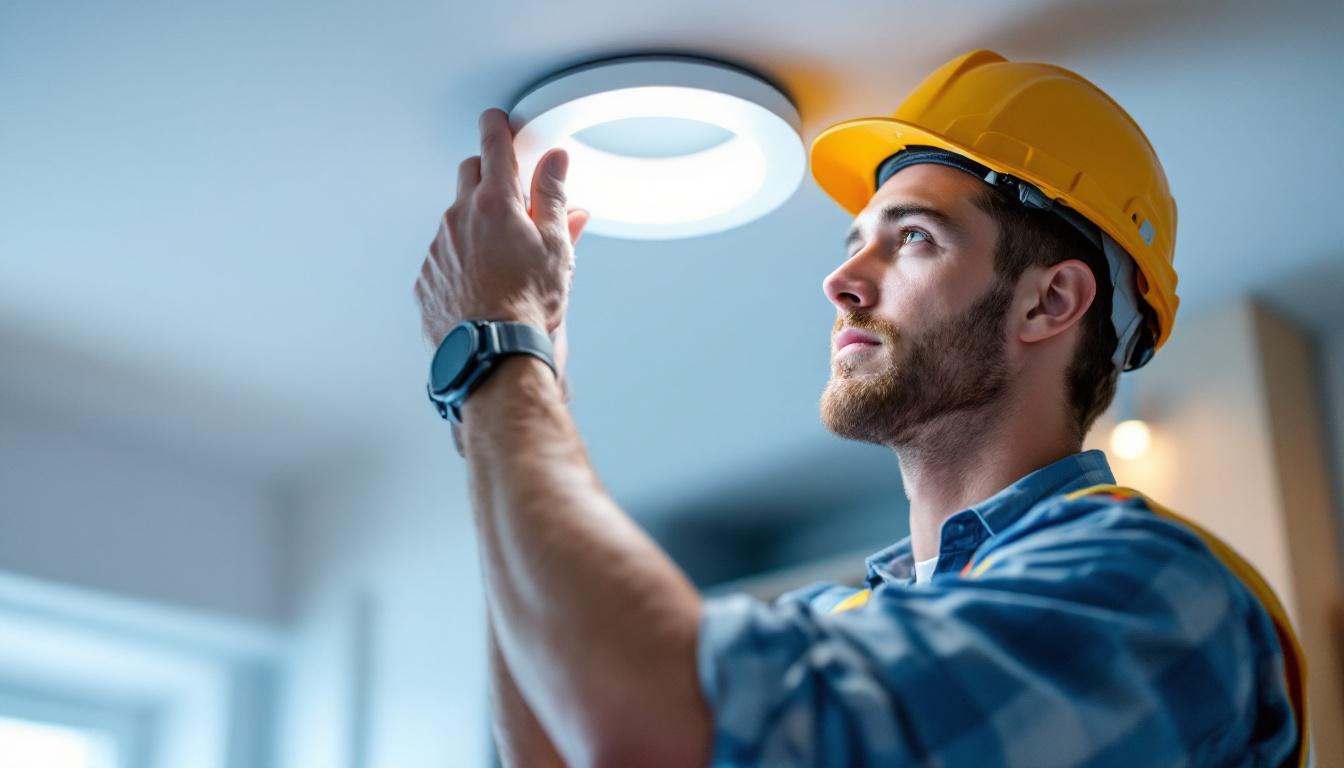
In the realm of commercial lighting, emergency lights play a crucial role in ensuring safety and compliance. For lighting contractors, understanding the intricacies of emergency lighting systems is essential to avoid potential pitfalls. This article delves into the common challenges faced by contractors and offers practical solutions to enhance the effectiveness and reliability of emergency lighting installations.
The Importance of Emergency Lighting
Emergency lighting serves as a vital component in any commercial building, providing illumination during power outages or emergencies. It not only aids in safe evacuation but also helps to maintain a sense of security among occupants. Therefore, understanding the significance of these systems is paramount for lighting contractors.
Regulatory Compliance
One of the primary reasons emergency lighting is essential is regulatory compliance. Various codes and standards dictate the installation and maintenance of emergency lights, including the National Fire Protection Association (NFPA) and the International Building Code (IBC). Failure to adhere to these regulations can result in hefty fines and increased liability for contractors.
Contractors must stay updated on local codes and regulations that may affect their projects. This includes understanding the required illumination levels, placement of lights, and maintenance protocols. Regular training and workshops can help contractors remain informed about any changes in legislation. Additionally, it is crucial for contractors to document their compliance efforts meticulously, as this can serve as evidence of diligence in the event of an inspection or incident, thereby protecting both the contractor and the building owner.
Safety and Accessibility
Beyond compliance, emergency lighting is critical for ensuring the safety and accessibility of commercial spaces. In the event of an emergency, well-placed and adequately functioning lights can guide occupants to exits, reducing panic and confusion. Lighting contractors must prioritize the strategic placement of these fixtures to enhance visibility and accessibility.
Moreover, it is essential to consider the unique layout and design of each commercial space. Factors such as the number of exits, the size of the building, and potential obstacles must be evaluated to create an effective emergency lighting plan. For instance, in large open areas, additional lighting may be necessary to ensure that all paths to safety are clearly illuminated. Furthermore, the use of photoluminescent signage in conjunction with emergency lighting can provide an added layer of guidance, ensuring that occupants can navigate their way out even in the darkest conditions. This comprehensive approach not only safeguards lives but also fosters a culture of preparedness within the organization, empowering occupants to respond effectively in emergencies.
Common Issues Faced by Lighting Contractors
Despite the importance of emergency lighting, contractors often encounter a variety of challenges during installation and maintenance. Recognizing these issues can help in developing strategies to mitigate them effectively.
Inadequate Planning
One of the most common issues is inadequate planning during the design phase. Contractors may overlook critical factors such as the building’s layout, occupancy levels, and specific emergency scenarios. This oversight can lead to insufficient lighting coverage, which compromises safety.
To avoid this, contractors should conduct thorough assessments of the space before installation. Utilizing advanced software tools for lighting design can assist in visualizing the placement and intensity of emergency lights, ensuring comprehensive coverage throughout the facility. Additionally, involving stakeholders in the planning process can provide valuable insights into potential hazards and user needs, ultimately leading to a more effective emergency lighting strategy.
Improper Installation
Improper installation is another frequent problem that can result in malfunctioning emergency lights. Factors such as incorrect wiring, inadequate mounting, or failure to follow manufacturer guidelines can lead to significant issues during emergencies.
Contractors must adhere strictly to installation protocols and manufacturer specifications. Regular training sessions can help ensure that all team members are knowledgeable about best practices and the latest technologies in emergency lighting systems. Furthermore, conducting post-installation inspections can help identify any potential issues early on, allowing for timely corrections and ensuring that the system functions as intended when needed most. It’s also beneficial to maintain a detailed log of installation processes and any deviations from standard procedures, as this can provide crucial information for future projects and troubleshooting efforts.
Best Practices for Lighting Contractors
To navigate the complexities of emergency lighting effectively, lighting contractors should adopt several best practices. These strategies can help streamline the installation process and enhance the reliability of emergency lighting systems.
Conducting Comprehensive Site Assessments
Before commencing any project, conducting a comprehensive site assessment is crucial. This assessment should include evaluating the building’s layout, identifying potential hazards, and understanding the flow of traffic during emergencies.
By gathering this information, contractors can develop a tailored emergency lighting plan that addresses the specific needs of the space. Engaging with building owners and facility managers during this phase can also provide valuable insights into potential challenges and expectations. Furthermore, it is beneficial to consider the unique characteristics of the environment, such as ceiling heights, wall colors, and existing lighting conditions, as these factors can significantly influence the effectiveness of emergency lighting. A thorough assessment not only ensures compliance with safety regulations but also fosters a collaborative relationship with stakeholders, paving the way for a smoother installation process.
Utilizing Quality Products
The quality of emergency lighting fixtures directly impacts their performance and reliability. Contractors should prioritize sourcing products from reputable manufacturers known for their durability and compliance with industry standards.
Investing in quality products not only enhances safety but also reduces the likelihood of maintenance issues in the future. Additionally, contractors should stay informed about the latest advancements in emergency lighting technology, such as LED options that offer longer lifespans and lower energy consumption. Moreover, understanding the importance of battery backup systems is essential; these systems ensure that emergency lights remain operational during power outages, providing critical illumination when it is needed most. Contractors should also consider the ease of installation and maintenance of the products they choose, as this can significantly affect the overall efficiency of the project. By selecting high-quality components, contractors can ensure that their emergency lighting systems are both effective and reliable, ultimately safeguarding the well-being of building occupants in times of crisis.
Maintenance and Testing Protocols
Regular maintenance and testing of emergency lighting systems are essential to ensure their functionality when needed most. Establishing robust maintenance protocols can help contractors avoid potential issues and ensure compliance with regulations.
Routine Inspections
Routine inspections should be conducted to assess the condition of emergency lighting fixtures. This includes checking for physical damage, ensuring proper functionality, and verifying that batteries are charged and operational. A systematic approach to inspections can help identify issues before they escalate.
Documentation of these inspections is also vital. Keeping detailed records not only aids in compliance but also provides a reference for future maintenance activities. This practice can help contractors build trust with clients by demonstrating a commitment to safety and reliability.
Regular Testing
In addition to inspections, regular testing of emergency lighting systems is critical. Most codes require that emergency lights be tested monthly and undergo a more comprehensive annual test. These tests should simulate power outages to ensure that the lights activate as intended.
Contractors should develop a testing schedule that aligns with regulatory requirements and client expectations. Communicating the importance of these tests to clients can also foster a culture of safety and preparedness within the organization.
Training and Education for Contractors
Continuous education and training are vital for lighting contractors to stay ahead in the industry. Understanding the latest technologies, regulations, and best practices can significantly enhance their effectiveness in emergency lighting installations.
Staying Updated on Regulations
Regulations surrounding emergency lighting can change frequently. Contractors should prioritize ongoing education to stay informed about any updates or new requirements. This can be achieved through attending industry conferences, workshops, or online courses focused on emergency lighting and safety standards.
Engaging with local regulatory bodies and industry associations can also provide valuable insights into upcoming changes and best practices. Networking with other professionals in the field can facilitate knowledge sharing and collaboration.
Hands-On Training
While theoretical knowledge is essential, hands-on training is equally important. Contractors should seek opportunities for practical training on the installation and maintenance of emergency lighting systems. This can include workshops, manufacturer training sessions, or on-the-job training with experienced professionals.
By combining theoretical knowledge with practical experience, contractors can enhance their skills and confidence in handling emergency lighting projects effectively.
Leveraging Technology in Emergency Lighting
Technology is rapidly evolving, and lighting contractors can leverage these advancements to improve the efficiency and effectiveness of emergency lighting systems. From design software to smart lighting solutions, technology offers numerous benefits.
Lighting Design Software
Utilizing advanced lighting design software can streamline the planning and design process for emergency lighting systems. These tools allow contractors to visualize lighting layouts, simulate emergency scenarios, and ensure compliance with regulations.
By incorporating software into their workflow, contractors can save time and reduce the likelihood of errors during the design phase. This not only enhances the quality of the final installation but also boosts client satisfaction.
Smart Emergency Lighting Solutions
Smart emergency lighting solutions are becoming increasingly popular in commercial spaces. These systems can integrate with building management systems, allowing for real-time monitoring and control of emergency lights.
Contractors should explore the benefits of smart technology, such as automated testing and remote diagnostics. These features can simplify maintenance and enhance the reliability of emergency lighting systems, ultimately improving safety for occupants.
Conclusion
Emergency lighting is a critical aspect of commercial safety, and lighting contractors play a vital role in ensuring these systems are effective and compliant. By understanding the importance of emergency lighting, recognizing common issues, and implementing best practices, contractors can avoid potential pitfalls and enhance the reliability of their installations.
Continuous education, routine maintenance, and leveraging technology are essential strategies for success in this field. By prioritizing these elements, lighting contractors can not only meet regulatory requirements but also contribute to the safety and security of commercial spaces.
In an industry where safety is paramount, the commitment to excellence in emergency lighting can set contractors apart and foster lasting relationships with clients. By adopting a proactive approach, lighting contractors can navigate the complexities of emergency lighting with confidence and expertise.
Get Your Emergency Lighting Supplies at LumenWholesale
Ready to enhance your emergency lighting installations with quality and affordability? Look no further than LumenWholesale for all your lighting needs. Our spec-grade lighting products are designed to meet the highest industry standards, ensuring reliability and performance for your critical projects. With unbeatable wholesale prices and the convenience of free shipping on bulk orders, you can trust us to provide the best value without hidden fees. Elevate your lighting solutions today and experience the best in wholesale lighting with LumenWholesale.