Understanding Ceiling Recess: A Foundation for Successful Lighting Installations
Ceiling recesses are a fundamental aspect of modern lighting design, offering both aesthetic appeal and functional benefits. For lighting contractors, mastering the nuances of ceiling recess installation is essential to delivering high-quality, durable, and visually pleasing lighting solutions. A ceiling recess typically refers to a cavity or hollow space within the ceiling structure designed to house lighting fixtures, wiring, or other electrical components.
Properly executed ceiling recesses can enhance the ambiance of any space, improve energy efficiency, and simplify maintenance. However, missteps during installation can lead to costly repairs, safety hazards, and client dissatisfaction. Understanding the structural, electrical, and design considerations behind ceiling recesses is the first step toward excellence in lighting projects.
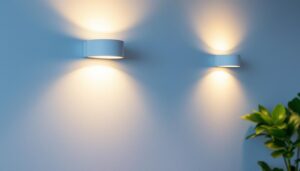
In addition to their functional advantages, ceiling recesses can also serve as a canvas for creative lighting design. By strategically placing recessed lights, designers can create layers of illumination that highlight architectural features or artwork, thereby transforming an ordinary room into a captivating environment. For instance, using adjustable recessed fixtures allows for directional lighting that can be tailored to accentuate specific areas, such as a dining table or a gallery wall. Furthermore, the integration of smart lighting technology within these recesses can provide even greater versatility, enabling users to adjust brightness and color temperature according to their mood or activity.
Moreover, the materials and construction techniques used in creating ceiling recesses play a crucial role in their effectiveness and longevity. Contractors must consider the ceiling’s load-bearing capacity, insulation requirements, and fire safety regulations when designing these spaces. Utilizing high-quality materials not only ensures compliance with safety standards but also enhances the overall performance of the lighting system. Additionally, incorporating soundproofing measures within the recess can mitigate noise transfer between floors, further improving the comfort of the space. As such, a thorough understanding of both the technical and aesthetic aspects of ceiling recesses is vital for achieving successful lighting installations that meet the diverse needs of clients.
Do’s for Lighting Contractors When Working with Ceiling Recesses
Do Conduct a Thorough Site Assessment
Before commencing any installation, a comprehensive assessment of the site is crucial. This includes evaluating the ceiling type—whether it’s drywall, plaster, drop ceiling, or concrete—and understanding the existing infrastructure. Knowing the ceiling’s load-bearing capacity and accessibility can prevent structural damage and ensure the recess accommodates the lighting fixture properly.
Additionally, identifying any potential obstructions such as HVAC ducts, plumbing, or electrical conduits helps avoid costly mistakes. A detailed site survey also allows for precise measurements, which are vital for custom or recessed lighting that requires exact fitting.
Do Use Appropriate Materials and Fixtures
Choosing the right materials for ceiling recesses is essential for durability and safety. For example, fire-rated enclosures or insulation covers may be required in certain commercial or residential settings to comply with building codes. Using high-quality, UL-listed fixtures and components ensures that the lighting system meets safety standards and performs reliably over time.
Moreover, selecting fixtures designed specifically for recessed applications—such as IC-rated (Insulation Contact) housings—prevents overheating and reduces fire risk. Contractors should also consider the compatibility of fixtures with dimmers, smart controls, and LED technology to future-proof installations.
Do Prioritize Proper Wiring and Electrical Safety
Electrical safety is paramount in any lighting project. When installing recessed lighting, ensure that all wiring complies with the National Electrical Code (NEC) or relevant local regulations. This includes using the correct gauge wire, securing cables properly, and installing junction boxes where necessary.
Contractors must also verify that circuits can handle the additional load of new lighting fixtures and avoid overloading existing systems. Grounding and bonding should be meticulously checked to prevent electrical faults. Employing GFCI or AFCI protection where required adds an extra layer of safety, particularly in damp or high-risk environments.
Do Plan for Adequate Ventilation and Heat Dissipation
Recessed lighting fixtures generate heat, and inadequate ventilation can lead to premature fixture failure or fire hazards. Lighting contractors should ensure that ceiling recesses provide sufficient airflow around fixtures, especially when using incandescent or halogen bulbs. LED fixtures typically produce less heat but still require proper spacing and ventilation.
Installing thermal protection devices or using fixtures with built-in heat sinks can mitigate overheating risks. Additionally, contractors should avoid covering recessed fixtures with insulation unless the fixture is specifically rated for such use.
Do Coordinate with Other Trades
Effective collaboration with other trades—such as HVAC technicians, plumbers, and drywall installers—is critical for a smooth installation process. Coordination helps avoid conflicts between ceiling recesses and other ceiling penetrations or equipment, reducing the need for costly rework.
Regular communication and scheduling meetings during the planning and installation phases ensure that all systems integrate seamlessly, maintaining both functionality and aesthetics.
Don’ts for Lighting Contractors to Avoid Common Ceiling Recess Pitfalls
Don’t Neglect Building Codes and Regulations
Ignoring or overlooking local building codes can have serious consequences, including fines, failed inspections, and safety hazards. Lighting contractors must stay updated on the latest regulations governing ceiling recess installations, including fire safety, electrical requirements, and energy efficiency standards.
Failure to comply can result in the need to remove or redo installations, damaging reputations and client relationships. Always consult with local authorities or code officials if there is any uncertainty about compliance.
Don’t Overcrowd Ceiling Recesses
Attempting to fit too many fixtures or components into a single ceiling recess can compromise both safety and performance. Overcrowding restricts airflow, increases heat buildup, and makes maintenance difficult. It can also lead to uneven lighting distribution and visual clutter.
Contractors should adhere to manufacturer guidelines regarding spacing and fixture density. When multiple fixtures are required, consider alternative layouts or additional recesses to maintain optimal conditions.
Don’t Use Incompatible Fixtures or Bulbs
Installing fixtures or bulbs not designed for recessed applications can cause overheating, electrical issues, and premature failure. For example, using non-IC rated housings in contact with insulation can create fire hazards. Similarly, mixing incompatible dimmers and LED drivers may result in flickering or reduced lifespan.
Always verify fixture specifications and compatibility before installation. Consulting product datasheets and manufacturer recommendations helps avoid costly mistakes and ensures client satisfaction.
Don’t Overlook Accessibility for Maintenance
Ceiling recesses should be designed with future maintenance in mind. Fixtures that are difficult to access can increase labor costs and downtime during repairs or bulb replacements. Avoid permanently sealing or covering recesses without providing access panels or removable trims.
Planning for accessibility not only facilitates routine maintenance but also allows for upgrades or modifications as lighting technology evolves.
Don’t Ignore Lighting Design Principles
While technical execution is critical, lighting contractors must also consider design principles to achieve the desired ambiance and functionality. Poorly planned ceiling recesses can result in uneven illumination, glare, or shadows that detract from the space’s usability and aesthetics.
Understanding concepts such as beam angle, color temperature, and light layering helps contractors recommend and install lighting that complements architectural features and client needs. Collaborating with designers or architects can enhance the overall outcome.
Advanced Tips for Optimizing Ceiling Recess Installations
Incorporate Smart Lighting Controls
Integrating smart lighting controls into ceiling recess installations can add significant value for clients. Features such as dimming, color tuning, occupancy sensors, and remote control enhance energy efficiency and user experience.
Lighting contractors should familiarize themselves with the latest smart lighting technologies and ensure that fixtures and wiring support these systems. Proper planning during installation avoids costly retrofits and positions contractors as forward-thinking professionals.
Utilize Energy-Efficient LED Fixtures
LED technology has revolutionized recessed lighting by offering superior energy efficiency, longer lifespan, and reduced heat output compared to traditional bulbs. Specifying LED fixtures not only aligns with sustainability goals but also reduces operational costs for clients.
Contractors should select LEDs with high Color Rendering Index (CRI) values to ensure natural and vibrant illumination. Additionally, choosing fixtures with appropriate lumen output and beam spread tailored to the space enhances lighting quality.
Employ Precision Cutting and Installation Techniques
Achieving clean, precise cuts for ceiling recesses is essential for a professional finish. Using specialized tools such as drywall saws, hole cutters, or CNC machines ensures accuracy and minimizes damage to surrounding materials.
Proper sealing and finishing around the recess edges prevent air leaks and improve insulation performance. Attention to detail during installation reflects craftsmanship and builds client trust.
Document and Label Installations Thoroughly
Maintaining detailed documentation of ceiling recess installations—including wiring diagrams, fixture specifications, and location maps—facilitates future maintenance and troubleshooting. Labeling circuits and access points clearly enhances safety and efficiency for electricians and contractors who may work on the system later.
Providing clients with comprehensive documentation also demonstrates professionalism and supports warranty claims or upgrades.
Conclusion: Elevating Ceiling Recess Installations Through Best Practices
For lighting contractors, mastering the do’s and don’ts of ceiling recess installations is a critical component of delivering superior lighting solutions. By conducting thorough site assessments, adhering to safety and building codes, selecting appropriate materials, and prioritizing design principles, contractors can avoid common pitfalls and exceed client expectations.
Embracing advanced technologies such as smart controls and energy-efficient LEDs further enhances the value and functionality of recessed lighting. Ultimately, attention to detail, collaboration with other trades, and a commitment to quality workmanship distinguish successful lighting contractors in a competitive industry.
By following these guidelines, lighting professionals can ensure that their ceiling recess installations are safe, efficient, and visually stunning, contributing to the long-term satisfaction and safety of their clients.
Get Your Premium Lighting Supplies at LumenWholesale
Ready to take your ceiling recess installations to the next level? At LumenWholesale, we provide lighting contractors with the highest quality, spec-grade lighting products at prices that can’t be beaten. Our direct-to-contractor approach means no middleman and no inflated markups, just superior lighting products that meet the most rigorous industry standards. With our vast selection, free shipping on bulk orders, and commitment to affordability and convenience, you can trust LumenWholesale to be your partner in achieving impeccable lighting results. Elevate your projects with confidence and cost-efficiency. Visit us today for Wholesale Lighting at the Best Value.