Understanding the Importance of Dimmable LED Recessed Lights
For lighting contractors, selecting the right fixtures is crucial not only for aesthetic appeal but also for energy efficiency and client satisfaction. Dimmable LED recessed lights have become a cornerstone in modern lighting design, offering versatility, longevity, and significant energy savings. Unlike traditional incandescent or halogen bulbs, LEDs consume far less power and generate less heat, which translates into lower energy bills and a reduced environmental footprint.
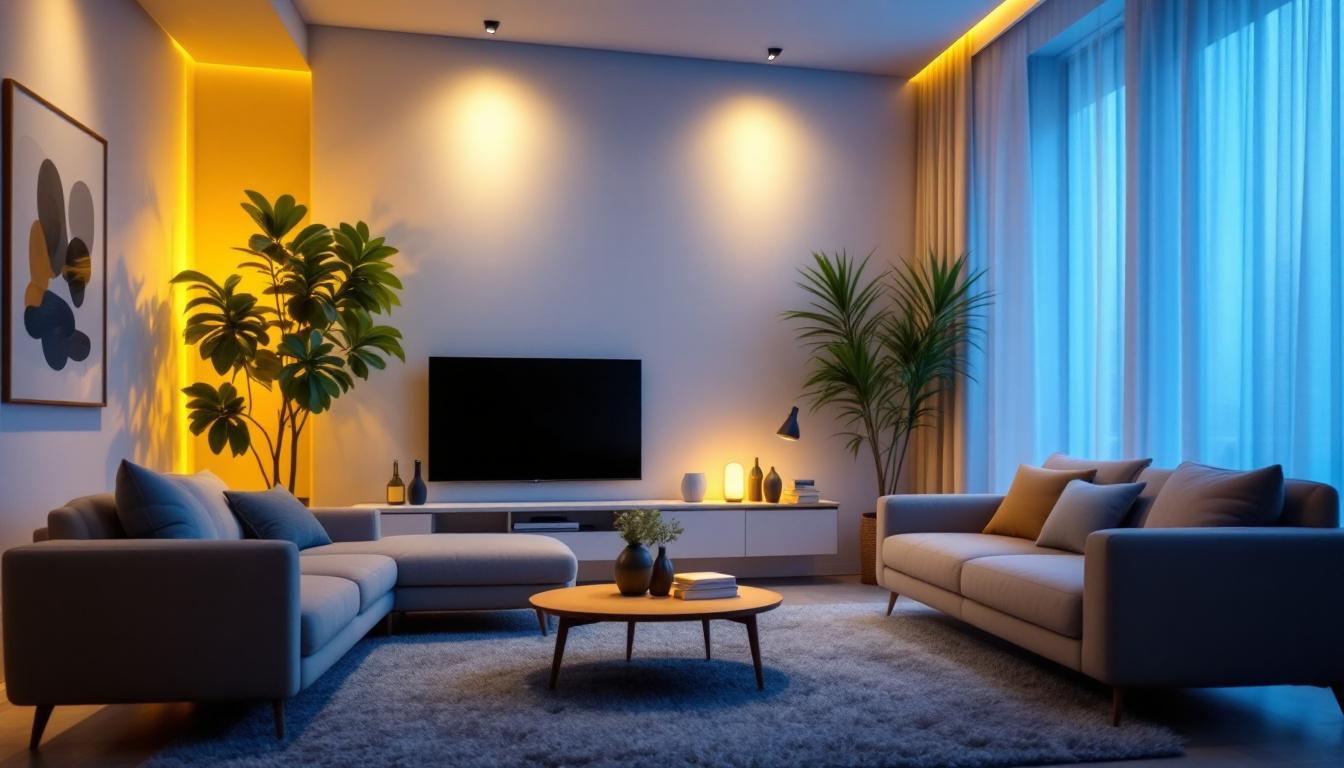
Moreover, the dimmable feature adds a layer of control that enhances ambiance and functionality. Whether it’s creating a cozy atmosphere in a living room or providing task lighting in a kitchen, dimmable LEDs allow users to adjust brightness levels to suit different needs. This flexibility is especially valuable in commercial settings where lighting requirements can vary throughout the day. For instance, during business hours, brighter lighting may be necessary for productivity, while dimmer settings can create a relaxed environment for after-hours events or gatherings.
Why Energy Efficiency Matters to Lighting Contractors
Energy efficiency is not just a buzzword; it’s a critical factor that influences purchasing decisions and project specifications. Lighting contractors are increasingly tasked with recommending solutions that comply with energy codes and sustainability goals. Dimmable LED recessed lights align perfectly with these demands, offering up to 80% energy savings compared to traditional lighting options.
Additionally, many jurisdictions offer incentives and rebates for installing energy-efficient lighting, which can be a compelling selling point when presenting options to clients. Understanding the technical specifications and performance metrics of these lights empowers contractors to make informed recommendations that balance cost, performance, and environmental impact. Furthermore, as consumers become more environmentally conscious, the demand for sustainable lighting solutions continues to rise. This trend not only enhances a contractor’s reputation but also opens up new business opportunities in green building projects, where energy efficiency is a top priority.
Incorporating dimmable LED recessed lights into a project can also lead to improved customer satisfaction, as clients appreciate the ability to customize their lighting experience. The technology behind these fixtures has advanced significantly, allowing for smooth dimming capabilities without flickering or buzzing, which were common issues with older dimmable options. This reliability further solidifies the case for contractors to advocate for these modern lighting solutions, ensuring that they meet the evolving needs of their clients while promoting a sustainable future.
Key Features to Look for in Dimmable LED Recessed Lights
Choosing the best dimmable LED recessed lights involves evaluating several critical features that affect performance, compatibility, and user experience. Lighting contractors must consider these aspects carefully to ensure optimal results.
Compatibility with Dimmers
Not all LED recessed lights are compatible with every dimmer switch on the market. Compatibility issues can lead to flickering, buzzing, or limited dimming range, which frustrates end-users and may result in costly callbacks. It’s essential to select fixtures that specify compatibility with a broad range of dimmers or to pair them with recommended dimmer models.
Advanced LED drivers and integrated circuitry have improved dimming performance significantly, enabling smooth and flicker-free dimming from near zero to full brightness. Contractors should verify these specifications and, if possible, test dimming functionality during installation. Additionally, it’s worth noting that some dimmers are designed specifically for LED technology, which can further enhance performance and user satisfaction. By investing in high-quality dimmers, contractors can ensure that their clients enjoy a seamless lighting experience that meets their expectations.
Color Temperature and CRI (Color Rendering Index)
Color temperature, measured in Kelvins (K), determines the warmth or coolness of the light emitted. For recessed lighting, a range between 2700K to 4000K is typically preferred, offering warm to neutral white light that complements various interior styles. Some modern LEDs offer tunable white options, allowing users to adjust color temperature alongside brightness.
Equally important is the Color Rendering Index (CRI), which measures how accurately a light source reveals colors compared to natural light. A CRI of 80 or above is generally recommended for residential and commercial spaces to ensure vibrant and true-to-life colors. In environments such as art galleries or retail spaces, where color accuracy is paramount, opting for LEDs with a CRI of 90 or higher can significantly enhance the visual appeal of displayed items. This consideration not only elevates the aesthetic but can also influence purchasing decisions in commercial settings.
Beam Angle and Light Distribution
The beam angle influences how light spreads across a room. Narrow beam angles (15°-30°) are ideal for accent lighting or highlighting artwork, while wider angles (60°-120°) provide general illumination. Recessed fixtures with adjustable trims or gimbals offer flexibility in directing light precisely where it’s needed.
Understanding the space’s layout and lighting goals helps contractors select fixtures with appropriate beam angles, ensuring even coverage without dark spots or glare. Furthermore, the interplay between beam angle and ceiling height is crucial; higher ceilings may benefit from fixtures with a tighter beam angle to focus light downwards, whereas lower ceilings might require wider angles to avoid overwhelming the space. By carefully considering these factors, contractors can create a well-balanced lighting design that enhances the overall ambiance of the area.
Lumens and Wattage
Lumens indicate the brightness of the light, while wattage reflects energy consumption. Dimmable LED recessed lights typically provide high lumens output at low wattage, making them highly efficient. For example, a 10-watt LED can produce the equivalent brightness of a 60-watt incandescent bulb.
Contractors should calculate the total lumens needed for each room based on its size and purpose, then choose fixtures that deliver the required brightness while minimizing energy use. Additionally, it’s beneficial to consider the concept of lumen depreciation, where the light output of LEDs decreases over time. Selecting high-quality LED products with a longer lifespan and consistent lumen output can lead to reduced maintenance costs and improved satisfaction for the end-user. This foresight not only enhances the longevity of the installation but also reinforces the contractor’s reputation for delivering reliable and efficient lighting solutions.
Top Applications for Dimmable LED Recessed Lights in Residential and Commercial Projects
Dimmable LED recessed lights are incredibly versatile and can be adapted to a wide range of applications. Their discreet design and customizable lighting levels make them a favorite among lighting contractors for both residential and commercial installations.
Residential Spaces: Enhancing Comfort and Style
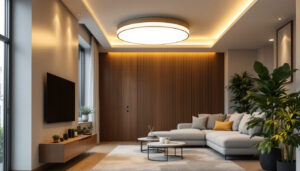
In homes, recessed lighting is often used to create layered lighting schemes that combine ambient, task, and accent lighting. Dimmable LEDs allow homeowners to tailor lighting to different activities and moods. For instance, bright light is essential in kitchens for cooking and food preparation, while softer lighting creates a relaxing atmosphere in living rooms and bedrooms.
Additionally, recessed lights are ideal for low-ceiling rooms or spaces where unobtrusive lighting is preferred. Their flush mount design keeps ceilings clean and uncluttered, which is particularly important in modern and minimalist interiors.
Commercial Environments: Efficiency and Flexibility
In commercial settings such as offices, retail stores, and hospitality venues, lighting needs can shift throughout the day. Dimmable LED recessed lights provide the flexibility to adjust brightness according to occupancy, natural light availability, and specific tasks. This adaptability not only improves comfort and productivity but also contributes to energy savings.
Moreover, the long lifespan of LEDs reduces maintenance costs and downtime, which is a significant advantage in commercial projects where lighting is critical to operations and customer experience.
Specialized Applications: Healthcare and Education
Healthcare facilities and educational institutions benefit from high-quality, dimmable lighting solutions that support well-being and concentration. In hospitals, adjustable lighting can help create calming environments for patients while providing sufficient illumination for medical staff. Similarly, schools and universities require lighting that reduces eye strain and enhances focus, making dimmable LEDs an excellent choice.
Installation Tips and Best Practices for Lighting Contractors
Proper installation is key to maximizing the performance and longevity of dimmable LED recessed lights. Lighting contractors should follow best practices to ensure client satisfaction and avoid common pitfalls.
Assess Electrical Compatibility and Load Requirements
Before installation, verify that the existing electrical infrastructure supports the new LED fixtures and dimmers. LED lights draw less current than traditional bulbs, which can sometimes cause issues with older dimmer switches designed for higher loads. Using compatible dimmers or upgrading to LED-specific models is essential to prevent flickering or damage.
Plan for Heat Dissipation and Ventilation
Although LEDs generate less heat than incandescent bulbs, heat management remains important to maintain fixture longevity. Ensure that recessed housings have adequate ventilation and that insulation does not cover the fixtures unless they are rated for insulation contact (IC-rated). Proper heat dissipation prevents premature failure and maintains consistent light output.
Follow Manufacturer Guidelines and Local Codes
Adhering to manufacturer instructions and local electrical codes guarantees safety and optimal performance. This includes proper wiring, secure mounting, and verifying dimmer compatibility. Keeping documentation and product specifications on hand can assist with troubleshooting and future maintenance.
Emerging Trends and Innovations in Dimmable LED Recessed Lighting
The lighting industry continues to evolve rapidly, with new technologies enhancing the capabilities of dimmable LED recessed lights. Staying informed about these trends enables contractors to offer cutting-edge solutions that meet client expectations.
Smart Lighting Integration
Smart home and building automation systems increasingly incorporate dimmable LED recessed lights that can be controlled via smartphones, voice assistants, or centralized control panels. These systems allow for scheduling, scene setting, and energy monitoring, providing users with unprecedented control and convenience.
Human-Centric Lighting
Human-centric lighting focuses on adjusting light intensity and color temperature to support circadian rhythms and overall well-being. Dimmable LEDs with tunable white capabilities can mimic natural daylight patterns, improving mood, alertness, and sleep quality. This approach is gaining traction in both residential and commercial projects.
Improved Efficiency and Sustainability
Advancements in LED chip technology and driver electronics continue to push the boundaries of efficiency and lifespan. New materials and design innovations reduce energy consumption further and minimize environmental impact. Lighting contractors can leverage these improvements to promote sustainable building practices and meet increasingly stringent energy codes.
Conclusion: Why Dimmable LED Recessed Lights Are Essential for Modern Lighting Projects
Dimmable LED recessed lights represent a perfect blend of energy efficiency, versatility, and aesthetic appeal. For lighting contractors, understanding their features, applications, and installation requirements is vital to delivering high-quality lighting solutions that satisfy client needs and regulatory demands.
By embracing these fixtures, contractors can enhance their project portfolios, reduce energy consumption, and contribute to healthier, more comfortable environments. As technology advances, the role of dimmable LED recessed lighting will only grow, making it an indispensable component of contemporary lighting design.
Illuminate Your Projects with LumenWholesale
Ready to elevate your lighting projects with the best dimmable LED recessed lights on the market? Look no further than LumenWholesale, where we provide lighting contractors with superior, spec-grade lighting solutions at unbeatable wholesale prices. Our commitment to quality and affordability ensures you have access to the most reliable and energy-efficient lighting options, all while enjoying the convenience of free shipping on bulk orders. Don’t let inflated markups dim your project’s potential. Choose LumenWholesale for Wholesale Lighting at the Best Value and light up your spaces with confidence and cost-effectiveness.