Why Basement Stair Lighting Deserves Special Attention
Basement stairs are often overlooked when it comes to lighting design, yet they play a critical role in home safety and aesthetics. For lighting contractors, focusing on basement stair lighting is not just about illumination; it’s about creating a safe passageway that complements the overall space. Poorly lit stairs can lead to accidents, while well-executed lighting can enhance the basement’s usability and appeal.
Basements tend to have limited natural light, making artificial lighting essential. Stairs, in particular, present unique challenges due to their vertical nature and confined spaces. Lighting contractors who understand these challenges and offer tailored solutions stand out in the market. It’s an opportunity to combine functionality with style, improving both safety and the homeowner’s satisfaction.
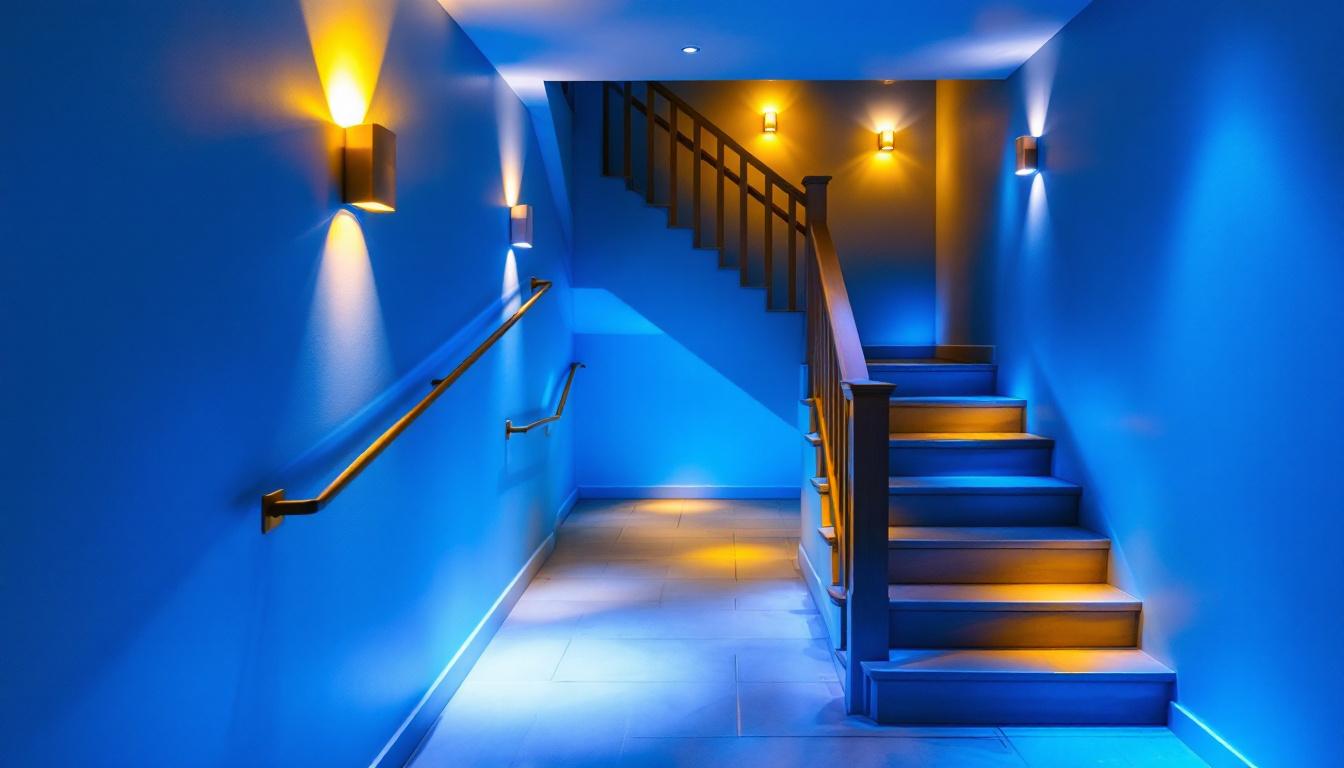
Moreover, the choice of lighting fixtures can significantly influence the ambiance of the basement. For instance, recessed lighting can create a sleek, modern look while providing ample illumination without taking up space. Alternatively, wall sconces can add a touch of elegance and warmth, making the stairway feel inviting. The color temperature of the lights also plays a crucial role; warmer tones can create a cozy atmosphere, while cooler tones can enhance visibility. By selecting the right fixtures and colors, lighting contractors can transform a mundane stairway into a visually appealing feature of the home.
In addition to aesthetics, energy efficiency is another vital consideration in basement stair lighting. With advancements in LED technology, homeowners can enjoy bright, long-lasting illumination that consumes less energy than traditional bulbs. This not only reduces electricity bills but also contributes to a more sustainable home environment. Incorporating motion sensors or dimmers can further enhance energy efficiency, allowing lights to activate only when needed. This thoughtful approach to lighting design not only prioritizes safety but also aligns with modern homeowners’ growing preference for eco-friendly solutions.
Enhancing Safety Through Thoughtful Lighting Design
Preventing Accidents with Proper Illumination
Stairs are a common site for household accidents, especially in dimly lit basements. According to safety studies, falls on stairs account for a significant percentage of home injuries. Ensuring that every step is clearly visible reduces the risk of trips and falls dramatically. Lighting contractors must prioritize even, glare-free illumination that highlights each tread and riser.
Using layered lighting—such as combining overhead fixtures with step lights—can create depth and contrast, making the stairs easier to navigate. LED strip lights installed under the stair nosing or recessed lights along the side walls are practical solutions that provide consistent light without overwhelming the space. Additionally, incorporating motion sensors can enhance safety; lights that automatically illuminate when someone approaches the stairs can prevent accidents during late-night trips when visibility is often compromised.
Meeting Building Codes and Regulations
Lighting contractors must also be aware of local building codes related to stair lighting. These codes often specify minimum illumination levels, placement of fixtures, and emergency lighting requirements. Compliance is not optional; it ensures that installations are safe and legally sound.
For example, many codes require stairways to have a minimum of one foot-candle of light on each step. Contractors should verify these requirements before designing and installing lighting systems. Failure to comply can lead to costly rework and liability issues. Furthermore, understanding the nuances of these regulations can help contractors recommend additional safety features, such as illuminated handrails or contrasting colors on stair edges, which not only enhance visibility but also assist those with visual impairments. By integrating these elements into their designs, contractors can create a safer environment that goes beyond mere compliance, fostering peace of mind for homeowners and their guests alike.
Designing for Function and Style
Choosing the Right Fixtures for Basement Stairs
Lighting contractors have a wide array of fixture options to choose from when illuminating basement stairs. The choice depends on the basement’s style, size, and the homeowner’s preferences. Wall sconces, recessed downlights, LED strips, and pendant lights can all be effective when used thoughtfully.
Recessed lights are a popular choice because they don’t intrude on the limited space and provide focused illumination. LED strip lights are excellent for highlighting each step subtly, adding a modern touch. Wall-mounted sconces can add warmth and character, especially in finished basements with decorative elements. For those looking to enhance the aesthetic appeal, fixtures with unique designs or finishes can serve as statement pieces, drawing attention to the staircase as a focal point. Additionally, selecting fixtures that complement the overall decor of the basement can create a cohesive look that ties the space together.
Balancing Brightness and Ambiance
Too much brightness can be harsh and uncomfortable, while too little defeats the purpose of safety lighting. Lighting contractors must strike a balance, often by incorporating dimmable fixtures or multiple lighting layers. This approach allows homeowners to adjust lighting based on time of day or activity.
Warm white LEDs often work best in basements because they create a cozy atmosphere without compromising visibility. Cooler tones can feel sterile and uninviting, which is a consideration when the basement is used as a living or recreational area. Moreover, integrating smart lighting solutions can enhance the functionality of basement stair lighting. Homeowners can control brightness levels and color temperatures through mobile apps or voice commands, allowing for a personalized experience that adapts to different moods or occasions. This technology not only adds convenience but also promotes energy efficiency, as homeowners can easily turn off lights when not in use, ensuring that the basement remains both stylish and functional.
Innovative Lighting Technologies for Basement Stairs
Smart Lighting Controls
Smart lighting systems are becoming increasingly popular in residential settings, including basements. Motion sensors, timers, and app-controlled lighting add convenience and energy efficiency. For basement stairs, motion-activated lights can automatically illuminate the path when someone approaches, then turn off after a set period.
This technology not only enhances safety but also reduces energy consumption, an important selling point for eco-conscious homeowners. Lighting contractors who offer smart solutions demonstrate forward-thinking expertise that can differentiate their services. Furthermore, these systems can often be integrated with existing home automation setups, allowing homeowners to control their lighting remotely or set schedules that align with their daily routines. This level of customization not only improves usability but also adds a layer of sophistication to the overall home environment.
Energy-Efficient LED Solutions
LED technology has revolutionized stair lighting by offering long-lasting, low-heat, and energy-efficient options. LEDs can be integrated into narrow spaces such as under stair treads or along handrails without compromising design integrity.
Contractors should recommend LED fixtures with high color rendering index (CRI) values to ensure colors appear natural and the space feels inviting. Additionally, LEDs’ low maintenance requirements reduce future service calls, benefiting both contractors and clients. Beyond their practical advantages, LED lights come in a variety of styles and color temperatures, allowing homeowners to choose the perfect ambiance for their basement stairs. From warm white tones that create a cozy atmosphere to cooler hues that evoke a modern aesthetic, the versatility of LED lighting can significantly enhance the visual appeal of a basement space. Moreover, with advancements in dimming technology, homeowners can easily adjust the brightness to suit different activities, whether it’s a quiet evening at home or a lively gathering with friends.
Practical Installation Tips for Lighting Contractors
Planning for Wiring and Power Sources
Basements often pose challenges for wiring due to concrete walls and limited access points. Lighting contractors need to plan carefully to avoid unnecessary drilling or damage. Utilizing existing electrical lines or installing low-voltage lighting systems can simplify the process.
In some cases, wireless or battery-operated lighting options may be viable, particularly for retrofits. However, these solutions typically require more frequent maintenance and may not provide the same level of illumination as hardwired systems.
Ensuring Durability and Maintenance Ease
Basement environments can be damp or prone to temperature fluctuations. Lighting fixtures and materials must be chosen with durability in mind. Contractors should select fixtures rated for damp locations and use corrosion-resistant materials to extend the lifespan of the installation.
Accessibility for maintenance is another consideration. Fixtures should be installed in a way that allows easy bulb replacement or cleaning without dismantling large sections of the stairway or wall.
Communicating Value to Clients
Educating Homeowners on Safety and Design Benefits
Many homeowners underestimate the importance of basement stair lighting until they experience a problem. Lighting contractors can add value by educating clients about safety risks and the aesthetic impact of well-designed lighting.
Providing visual examples, such as before-and-after photos or 3D renderings, helps clients understand the transformation lighting can bring. Highlighting features like motion sensors, energy savings, and compliance with safety codes builds trust and justifies investment.
Offering Customized Solutions
Every basement and staircase is unique. Contractors who take the time to assess the space and tailor lighting solutions accordingly will achieve better results and higher client satisfaction. Customization may involve selecting fixtures that match the home’s style, integrating smart controls, or addressing specific lighting challenges.
By positioning themselves as problem solvers rather than just installers, lighting contractors can foster long-term relationships and generate referrals.
Conclusion: Why Lighting Contractors Should Prioritize Basement Stair Lighting
Basement stair lighting is a critical yet often overlooked aspect of residential lighting design. For lighting contractors, focusing on this niche offers an opportunity to improve safety, comply with regulations, and enhance the overall living experience for homeowners. The right combination of fixture selection, technology integration, and thoughtful installation can transform a simple stairway into a safe and stylish feature.
Contractors who master basement stair lighting not only reduce accident risks but also elevate their professional reputation. It’s a smart investment of time and expertise that pays off in client satisfaction and business growth.
Illuminate Your Projects with LumenWholesale
Ready to elevate your basement stair lighting projects to new heights of safety and style? At LumenWholesale, we provide lighting contractors with the high-quality, spec-grade lighting products you need at unbeatable wholesale prices. Say goodbye to inflated markups and hello to a vast selection of industry-standard lighting solutions that promise reliability and high performance. Plus, with free shipping on bulk orders, you can stock up on premium lighting without the worry of hidden fees or compromises. Don’t miss out on the perfect blend of quality, affordability, and convenience. Discover the best value in wholesale lighting by visiting LumenWholesale today.