When it comes to lighting an unfinished basement, the choices can be overwhelming. Lighting contractors must consider various factors, including functionality, aesthetics, and energy efficiency. This guide aims to provide insights into selecting the right ceiling lights for unfinished basements, ensuring that the space is not only well-lit but also inviting and practical.
Understanding the Unique Challenges of Unfinished Basements
Unfinished basements often present unique challenges that can complicate the lighting design process. These spaces typically lack the standard features found in finished areas, such as drywall, ceilings, and flooring. Consequently, lighting contractors must navigate these challenges to create an effective lighting plan.
Assessing the Space
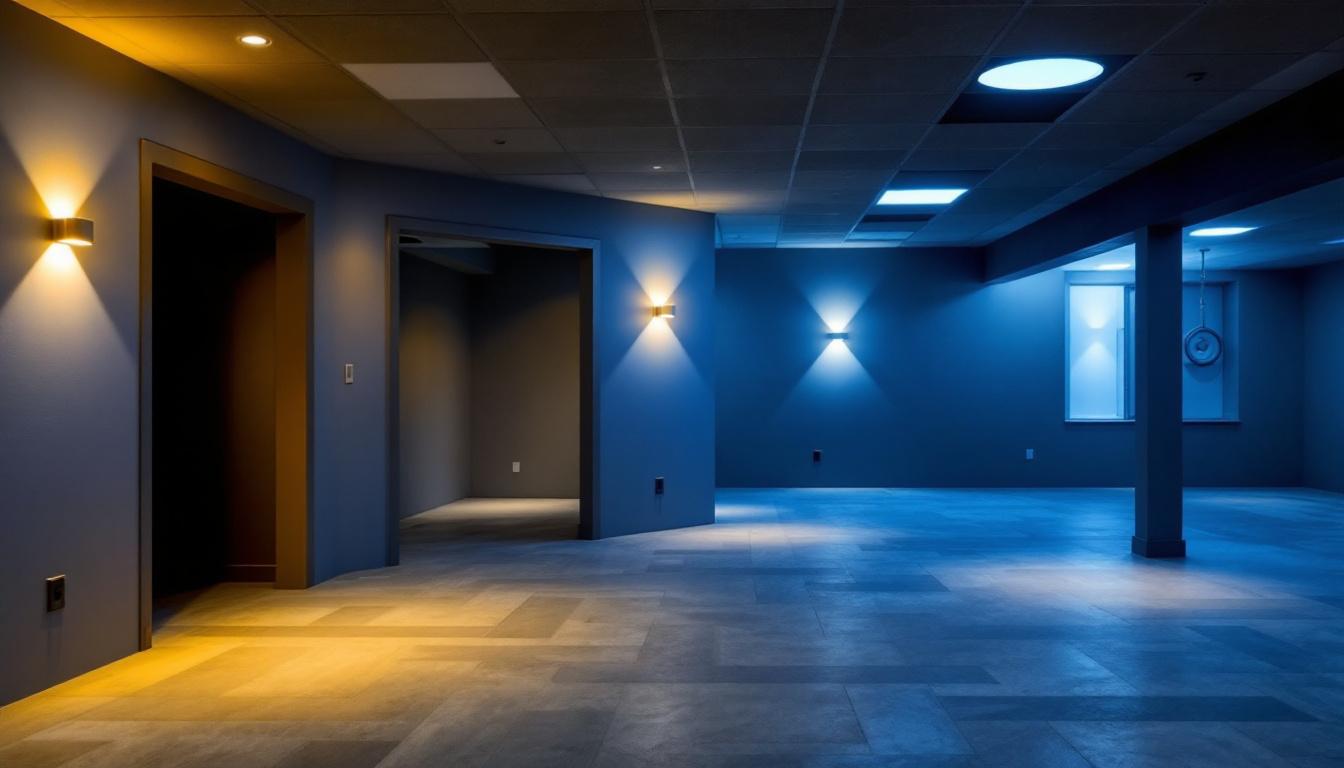
The first step in lighting an unfinished basement is to assess the space thoroughly. Consider the dimensions, ceiling height, and layout of the area. An unfinished basement may have exposed beams, ductwork, and plumbing, which can affect the type of ceiling lights that can be installed.
Additionally, take note of the intended use of the basement. Will it serve as a storage area, a recreational space, or perhaps a workshop? Each function will require different lighting solutions. For instance, a workshop may benefit from brighter, task-oriented lighting, while a recreational area might call for softer, ambient lighting. Understanding the activities that will take place in the basement can guide the selection of fixtures that not only illuminate the space effectively but also enhance its functionality and comfort.
Moreover, consider the existing natural light sources, if any. Windows, even small ones, can influence the overall lighting scheme. Utilizing natural light effectively can reduce the need for artificial lighting during the day, creating a more inviting atmosphere. If the basement has no windows, think about incorporating light tubes or solar tubes to bring in daylight, which can dramatically change the feel of the space.
Choosing the Right Lighting Type
Once the space has been assessed, the next step is to choose the appropriate lighting type. There are several options available, each with its own advantages and disadvantages. The most common types of ceiling lights for unfinished basements include recessed lighting, flush mounts, and pendant lights.
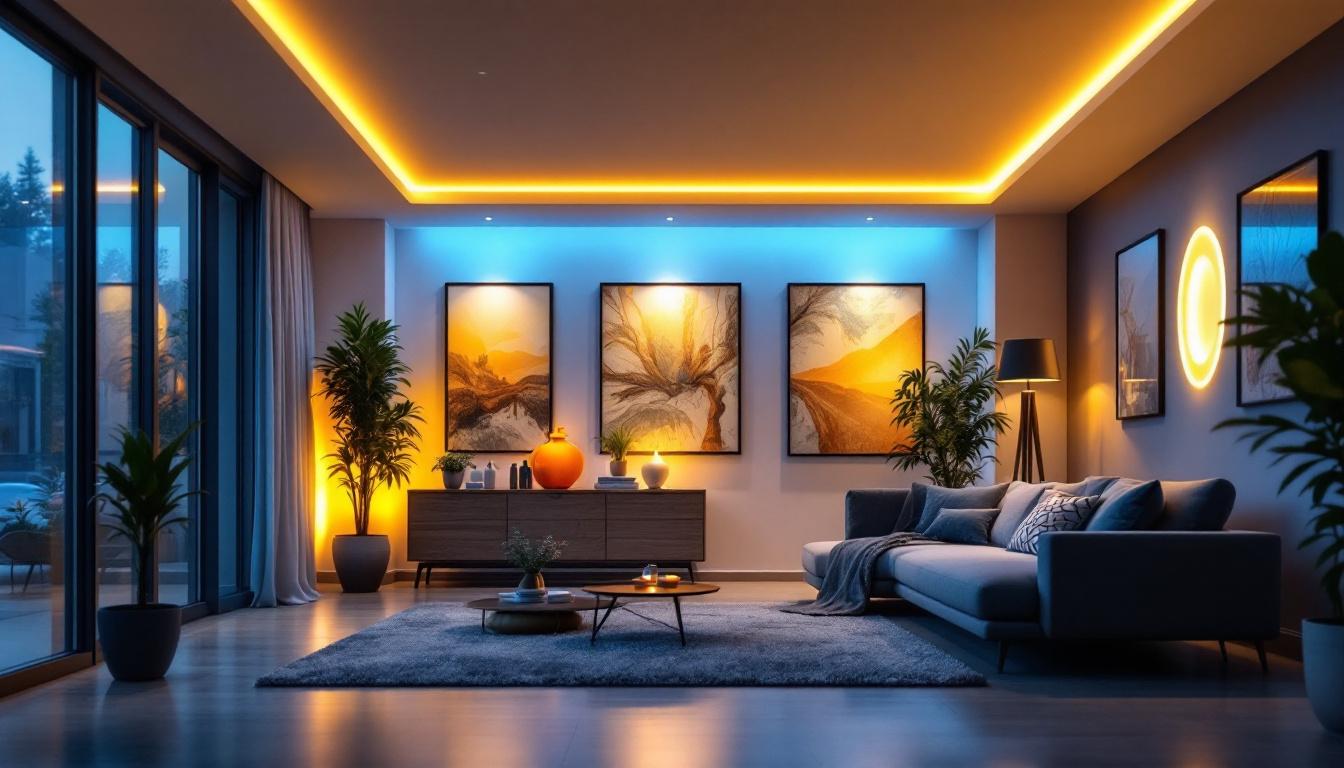
Recessed lighting is a popular choice due to its sleek appearance and ability to provide even illumination without taking up visual space. However, it requires careful planning and installation, especially in areas with low ceilings. Flush mount lights are another excellent option, offering a more traditional look while being easy to install. Pendant lights can add a decorative touch, but they may not be suitable for all areas, particularly those with low ceilings. Additionally, consider the use of LED strip lighting along the perimeter of the ceiling or under shelves, which can create a modern look while providing ample light without overwhelming the space.
Another important factor to consider is the color temperature of the lighting. Warmer tones can create a cozy and inviting atmosphere, ideal for recreational areas, while cooler tones may be more suitable for workspaces, enhancing focus and visibility. Dimming capabilities can also be a valuable addition, allowing for flexibility in lighting levels to suit different activities or moods. By thoughtfully selecting the right lighting types and features, you can transform an unfinished basement into a versatile and well-lit area that meets your needs.
Energy Efficiency Considerations
In today’s world, energy efficiency is a critical consideration for any lighting project. Unfinished basements can often be poorly insulated, leading to higher energy costs. Therefore, selecting energy-efficient lighting options can help mitigate these expenses while also being environmentally friendly. Additionally, energy-efficient lighting can contribute to a more comfortable and inviting atmosphere, making the space more usable for various activities, whether it be a home gym, workshop, or recreational area.
LED Lighting Solutions
LED lights are an excellent choice for unfinished basements due to their energy efficiency and long lifespan. Unlike traditional incandescent bulbs, LEDs consume significantly less energy and produce less heat, making them safer for enclosed spaces. Furthermore, they come in various color temperatures, allowing contractors to create the desired ambiance. For example, cooler white LEDs can enhance focus and productivity, making them ideal for workspaces, while warmer tones can create a cozy environment for relaxation.
When choosing LED fixtures, look for those with a high lumen output to ensure adequate brightness in the space. Dimmable LED options can also provide flexibility, allowing users to adjust the lighting based on their needs. Moreover, the versatility of LED lighting extends beyond just brightness; they can be used in different configurations, such as recessed lighting, wall sconces, or even strip lights, to highlight architectural features or create visual interest in the basement.
Smart Lighting Technology
Incorporating smart lighting technology can enhance the functionality of basement lighting. Smart bulbs and fixtures can be controlled via smartphone apps or voice commands, providing convenience and flexibility. This technology also allows for scheduling and automation, which can further improve energy efficiency. For instance, smart lights can be programmed to turn off automatically when the space is not in use, reducing energy waste. This feature is particularly beneficial in unfinished basements, where lighting may easily be left on inadvertently.
Additionally, smart lighting systems can integrate with other smart home devices, creating a cohesive and efficient home environment. For example, linking the basement lights to a motion sensor can ensure that lights activate as soon as someone enters the space, and turn off shortly after they leave. This not only enhances convenience but also promotes energy conservation by ensuring that lights are only on when needed. Furthermore, some smart lighting solutions offer energy monitoring features, allowing homeowners to track their energy consumption and make informed decisions about their lighting usage.
Design Aesthetics and Style
While functionality is paramount, the aesthetic appeal of lighting fixtures should not be overlooked. The right ceiling lights can transform an unfinished basement from a cold, utilitarian space into a warm, inviting area.
Choosing the Right Style
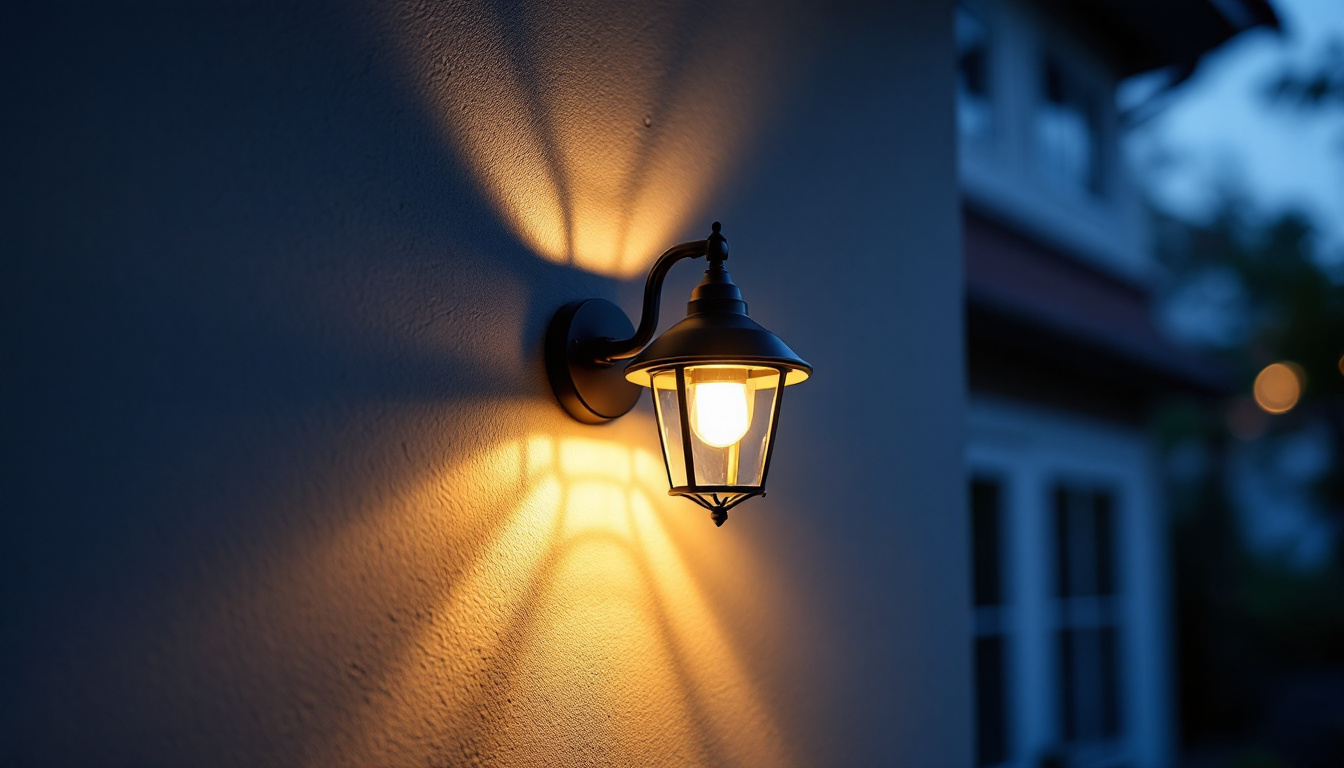
The style of lighting fixtures should complement the overall design theme of the basement. For a modern look, sleek, minimalist fixtures work well, while vintage or industrial-style lights can add character to a more rustic space. Consider the existing elements in the basement, such as exposed brick or wooden beams, and select fixtures that harmonize with these features.
Moreover, color temperature plays a significant role in the overall ambiance. Warmer tones can create a cozy atmosphere, while cooler tones can make the space feel more open and airy. Contractors should consider the intended use of the basement when selecting the color temperature of the lighting.
Layering Light for Versatility
Layering different types of lighting can enhance the functionality and aesthetics of an unfinished basement. By combining ambient, task, and accent lighting, contractors can create a versatile space that can adapt to various activities.
For example, ambient lighting can provide overall illumination, while task lighting can be focused on specific areas, such as a workbench or reading nook. Accent lighting can highlight architectural features or artwork, adding depth and interest to the space.
Installation Tips for Ceiling Lights
Proper installation is crucial for ensuring that ceiling lights function effectively and safely in an unfinished basement. Lighting contractors should adhere to best practices to achieve optimal results.
Electrical Considerations
Before installing any lighting fixtures, it is essential to assess the electrical system in the basement. Ensure that the wiring is up to code and capable of supporting the new lighting. If the basement lacks adequate electrical outlets, it may be necessary to install additional circuits or outlets to accommodate the new fixtures.
Additionally, consider the placement of fixtures to minimize shadows and maximize light distribution. Proper spacing between lights can help achieve even illumination throughout the space.
Utilizing Professional Installation Services
While some lighting installations can be completed as DIY projects, hiring a professional can ensure that the job is done correctly and safely. Lighting contractors have the expertise and experience to navigate the complexities of electrical work and can provide valuable insights into the best lighting solutions for unfinished basements.
Moreover, professionals can help troubleshoot any issues that may arise during installation, ensuring that the lighting system operates smoothly from the start.
Maintenance and Upkeep
Once the ceiling lights have been installed, ongoing maintenance is essential to keep them functioning optimally. Regular cleaning and inspections can prevent issues that may arise over time.
Cleaning and Care
Dust and debris can accumulate on light fixtures, diminishing their brightness and efficiency. Regularly cleaning the fixtures with a soft cloth can help maintain their appearance and functionality. For LED fixtures, ensure that the bulbs are free from dust to maximize their output.
Additionally, inspect the wiring and connections periodically to identify any potential issues before they escalate. If flickering or dimming occurs, it may indicate a problem with the electrical system or the fixtures themselves.
Upgrading Lighting as Needed
As the needs of the basement change, it may be necessary to upgrade the lighting system. Whether it’s adding new fixtures or replacing outdated ones, staying current with lighting trends and technologies can enhance the space’s functionality and aesthetic appeal.
Contractors should stay informed about the latest advancements in lighting technology and design to provide clients with the best options available. This proactive approach can lead to satisfied customers and successful projects.
Conclusion
Choosing the right ceiling lights for an unfinished basement requires careful consideration of various factors, including functionality, energy efficiency, and aesthetics. By understanding the unique challenges of these spaces and selecting appropriate lighting solutions, lighting contractors can create well-lit, inviting environments that meet their clients’ needs.
From assessing the space to selecting fixtures and ensuring proper installation, this guide serves as a comprehensive resource for lighting contractors. By following these principles and staying informed about industry trends, contractors can excel in their projects and provide exceptional service to their clients.
Illuminate Your Projects with LumenWholesale
Ready to elevate your unfinished basement projects with the right lighting solutions? Look no further than LumenWholesale for a comprehensive selection of top-quality, spec-grade ceiling lights. Our commitment to providing contractors with superior lighting products at unbeatable wholesale prices means you can illuminate any space with confidence. Say goodbye to inflated markups and hello to hassle-free bulk buying with free shipping. Don’t compromise on quality or value—choose LumenWholesale for the perfect blend of affordability and convenience. Explore our collection now and secure the best value in wholesale lighting.