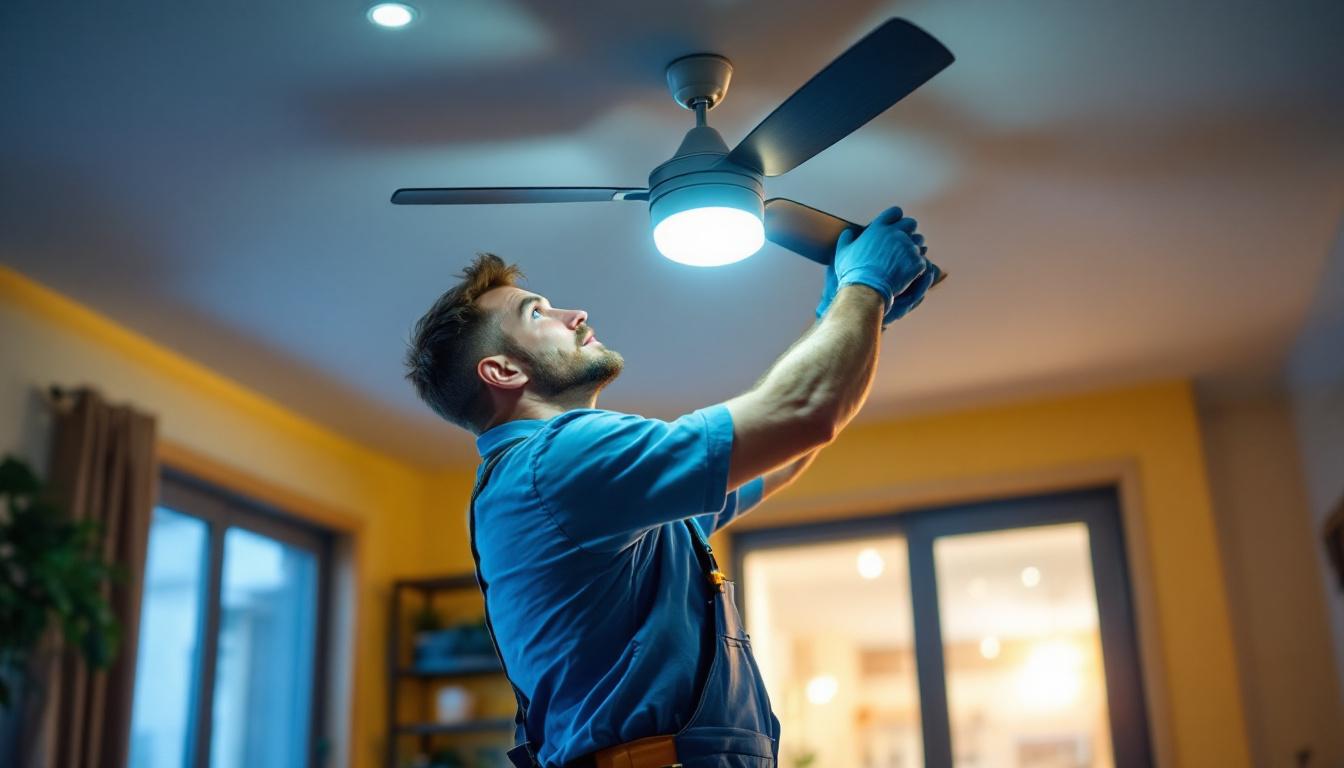
Understanding the Role of Ceiling Fan Attachments in Lighting Projects
Ceiling fans are more than just air movers; they’re integral components in residential and commercial lighting setups. For lighting contractors, mastering ceiling fan attachments is essential. These attachments not only affect the fan’s performance but also influence the lighting quality, safety, and client satisfaction.
Many contractors underestimate the complexity of integrating lighting fixtures with ceiling fans. The variety of attachments available—from light kits to remote controls and decorative elements—requires a nuanced understanding of electrical compatibility, mounting techniques, and aesthetic considerations. A well-installed ceiling fan attachment can elevate a room’s ambiance and functionality, while a poorly executed job can lead to frustration, callbacks, or safety hazards.
Why Attachments Matter More Than You Think
Attachments transform a simple ceiling fan into a multifunctional fixture. Light kits, for example, provide illumination that complements the fan’s airflow, making the fixture a centerpiece rather than an afterthought. Remote controls and smart attachments add convenience, allowing users to adjust lighting and fan speed without leaving their seat.
From a contractor’s perspective, understanding these attachments means fewer installation errors and improved client trust. It also opens doors to upselling opportunities, as clients often look for integrated solutions rather than standalone products. Moreover, the right combination of attachments can significantly enhance energy efficiency, which is increasingly important in today’s eco-conscious market. For instance, energy-efficient LED light kits not only provide bright, long-lasting illumination but also reduce electricity costs, making them an attractive option for budget-conscious clients.
Additionally, the aesthetic appeal of ceiling fan attachments cannot be overlooked. Decorative elements such as blade finishes, light fixture designs, and even the choice of remote control styles can harmonize with a room’s decor, contributing to a cohesive design theme. This attention to detail can lead to higher customer satisfaction and referrals, as clients are more likely to recommend contractors who provide thoughtful and stylish solutions. Understanding the full range of options available allows contractors to tailor their offerings to meet the unique preferences and needs of each client, ultimately leading to more successful projects.
Choosing the Right Ceiling Fan Attachments: A Contractor’s Guide
Not all ceiling fan attachments are created equal. Selecting the right components depends on several factors including fan model compatibility, electrical requirements, and client preferences.
Compatibility Checks: The Foundation of Successful Installation
Before purchasing or installing attachments, verify the fan’s make and model. Manufacturers design attachments to fit specific fans, and mismatched parts can cause mechanical strain or electrical issues. For instance, some light kits require a particular voltage or bulb type that may not be supported by the fan’s wiring harness.
Additionally, check the fan’s weight capacity. Adding heavy attachments without proper support can lead to wobbling or even detachment. Always consult the fan’s specifications and installation manual. When in doubt, contacting the manufacturer’s technical support can save hours of troubleshooting later. Furthermore, consider the environment where the fan will be installed. Outdoor fans may require specific attachments that are weather-resistant, ensuring longevity and performance in varying conditions.
Electrical Considerations: Safety and Functionality
Ceiling fans with attachments often involve complex wiring configurations. Light kits typically require a neutral wire, which isn’t always present in older homes. Contractors should be prepared to identify wiring setups and advise clients on necessary upgrades.
Using a multimeter to test circuits before installation is a best practice. It ensures the power is off and helps confirm wire functions. Grounding is another critical safety element—attachments must be properly grounded to prevent electrical shocks or fires. Additionally, consider the amperage draw of the fan and its attachments. Ensuring that the circuit can handle the combined load is essential to prevent tripped breakers and potential hazards down the line.
Client Preferences and Aesthetic Choices
Clients often want attachments that blend seamlessly with their interior design. Lighting contractors should offer options in bulb types (LED, incandescent, CFL), fixture styles (modern, traditional, rustic), and control methods (pull chains, wall switches, remotes).
Understanding the client’s lifestyle is key. For example, families with children may prefer remote controls to avoid dangling pull chains, while eco-conscious clients might prioritize LED light kits for energy efficiency. Moreover, the color temperature of the bulbs can significantly affect the ambiance of a room. Warm white bulbs create a cozy atmosphere, while cool white bulbs can enhance focus and visibility, making it essential to discuss these options with clients to tailor the lighting to their needs. Additionally, consider offering smart home integration options, as more homeowners seek to control their lighting and fan settings through mobile apps or voice commands, adding convenience and modernity to their living spaces.
Installation Best Practices for Ceiling Fan Attachments
Proper installation is the difference between a functional, safe ceiling fan and a liability. Lighting contractors must follow meticulous procedures to ensure quality results.
Preparation: Tools and Workspace Setup
Gather all necessary tools before starting: wire strippers, screwdrivers, voltage testers, pliers, and mounting hardware. Clear the workspace to avoid accidents and ensure easy access to wiring and mounting points. A well-organized workspace not only enhances efficiency but also minimizes the risk of losing small components, which can lead to delays or complications during installation.
Turn off power at the circuit breaker and double-check with a voltage tester. Safety is paramount—never assume the power is off. It’s also wise to inform anyone in the household about the ongoing work to prevent accidental power restoration. Wearing safety goggles and gloves can provide an additional layer of protection against unforeseen accidents, especially when working with electrical components.
Step-by-Step Attachment Installation
Start by removing the existing fan canopy or light kit, keeping screws and mounting brackets organized. Follow manufacturer instructions precisely when attaching new kits. Align mounting holes carefully to avoid stripping screws or damaging the fan’s motor housing. If the fan is particularly heavy, consider having a second person assist with the installation to maintain stability and safety throughout the process.
Wire attachments by matching color-coded wires: black or red for hot, white for neutral, and green or bare copper for ground. Use wire nuts securely and wrap connections with electrical tape for added safety. It’s beneficial to label wires before disconnection if you’re replacing an existing fan, as this can simplify the reinstallation process and reduce the likelihood of errors.
After wiring, gently tuck wires into the housing to prevent pinching. Attach the light kit or other accessory firmly but avoid overtightening, which can crack plastic components. Additionally, consider the orientation of the fan blades; ensuring they are positioned correctly can enhance airflow and overall efficiency. Once everything is secured, take a moment to visually inspect all connections and components before moving on to the next step.
Testing and Troubleshooting
Restore power and test the fan and attachments. Check for proper operation of lights, fan speeds, and any remote controls. Look for unusual noises or vibrations that may indicate loose parts or imbalanced blades. If you notice any irregularities, it’s essential to address them immediately, as they can lead to more significant issues down the line. Balancing the fan blades may require the use of a blade balancing kit, which can help ensure smooth operation and extend the lifespan of the fan.
If the light kit doesn’t work, recheck wiring connections and ensure bulbs are compatible and correctly installed. For intermittent issues, verify that the wall switch or remote receiver is functioning properly. Additionally, consider checking the circuit breaker for any tripped switches that may affect power supply. If problems persist, consulting the manufacturer’s troubleshooting guide can provide valuable insights and solutions tailored to the specific model, ensuring that your installation meets both safety and performance standards.
Advanced Tips for Lighting Contractors Handling Ceiling Fan Attachments
Beyond basic installation, experienced contractors can leverage advanced techniques to enhance performance and client satisfaction.
Integrating Smart Controls and Automation
Smart home technology is increasingly popular. Integrating Wi-Fi or Bluetooth-enabled attachments allows clients to control fans and lights via smartphones or voice assistants. Lighting contractors should familiarize themselves with popular smart modules and their installation requirements.
Ensure the fan’s electrical box can support additional components, and verify compatibility with existing home automation systems. Educate clients on app setup and troubleshooting to reduce future service calls.
Balancing and Noise Reduction
Attachments can affect a fan’s balance, causing wobble or noise. Balancing kits and blade weights are essential tools for contractors to carry on the job. After installing attachments, perform a balance check and adjust as needed.
Lubricate moving parts if recommended by the manufacturer, and tighten all screws to minimize vibrations. Quiet operation is a key selling point for high-end installations.
Customizing Lighting for Different Spaces
Different rooms require different lighting strategies. For example, kitchens and workspaces benefit from brighter, cooler light, while bedrooms and living rooms often call for softer, warmer tones. Offering dimmable light kits or multi-bulb fixtures can address these needs.
Consider the height of ceilings and room size when selecting attachments. Low ceilings may require flush-mount light kits to avoid head clearance issues, while larger rooms might need multi-light attachments for adequate illumination.
Common Challenges and How to Overcome Them
Lighting contractors frequently encounter obstacles when working with ceiling fan attachments. Anticipating these challenges can improve efficiency and client satisfaction.
Dealing with Older Wiring Systems
Many older homes lack neutral wires or have outdated wiring that complicates attachment installation. Contractors should be prepared to run new wiring or suggest alternative solutions like battery-operated remote controls or wireless light kits.
Communicate clearly with clients about the scope and cost of electrical upgrades to avoid surprises.
Handling Weight and Structural Concerns
Heavy attachments can strain ceiling mounts, especially in older buildings. Verify that the electrical box is rated for fan and attachment weight. If not, recommend installing a fan-rated box or additional support braces.
Ignoring these precautions can lead to fixture failure and potential injury.
Managing Client Expectations
Some clients expect quick, simple installations without understanding the technical complexities. Educate them on the importance of proper attachment selection and installation, emphasizing safety and longevity.
Providing detailed estimates and timelines builds trust and reduces misunderstandings.
Wrapping Up: Elevate Your Ceiling Fan Installations
Mastering ceiling fan attachments is a valuable skill set for lighting contractors. It enhances the quality of your work, reduces callbacks, and opens doors to more sophisticated projects.
Focus on compatibility, safety, and client needs. Keep your toolkit ready for balancing and troubleshooting. Stay informed about smart technologies and evolving attachment options. With these strategies, your ceiling fan installations will stand out for their professionalism and reliability.
Get Your Ceiling Fan Attachments at LumenWholesale
Ready to take your lighting projects to the next level with premium ceiling fan attachments? Look no further than LumenWholesale, where we provide contractors with high-quality, spec-grade lighting products at unbeatable wholesale prices. Our extensive selection is designed to meet the highest industry standards, ensuring you get reliable, high-performance lighting for every installation. Plus, with free shipping on bulk orders, you can stock up on all the attachments you need without worrying about hidden fees or inflated markups. Elevate your installations with the perfect blend of quality, affordability, and convenience at LumenWholesale. Discover Wholesale Lighting at the Best Value today and make every project shine.