LED Bulbs Types: Lighting Contractors’ Essential Facts
In the ever-evolving world of lighting technology, LED bulbs have emerged as a cornerstone for both residential and commercial applications. For lighting contractors, understanding the various types of LED bulbs is essential to provide clients with the best solutions tailored to their needs. This article delves into the different types of LED bulbs, their applications, and key considerations that every lighting contractor should keep in mind.
Understanding LED Technology
Before diving into the different types of LED bulbs, it is crucial to understand the technology behind them. LED, or Light Emitting Diode, is a semiconductor device that emits light when an electric current passes through it. This technology offers several advantages over traditional incandescent and fluorescent bulbs, including energy efficiency, longevity, and reduced heat output. The mechanism behind LED lighting involves electroluminescence, where electrons recombine with holes within the device, releasing energy in the form of photons, which we perceive as light. This fundamental principle not only defines the quality of light produced but also influences the color temperature and brightness of the bulbs.
Energy Efficiency
One of the primary benefits of LED bulbs is their energy efficiency. Compared to incandescent bulbs, LEDs consume up to 80% less energy while providing the same amount of light. This efficiency not only reduces electricity bills for clients but also contributes to a lower carbon footprint. Additionally, LEDs have a higher lumen output per watt, meaning they produce more light with less energy. This characteristic makes them particularly advantageous in commercial settings, where lighting can account for a significant portion of energy consumption. Many businesses are now opting for LED solutions not just for cost savings but also as part of their sustainability initiatives, showcasing their commitment to environmentally friendly practices.
Longevity
LED bulbs have a significantly longer lifespan than traditional lighting options. While incandescent bulbs may last around 1,000 hours, LEDs can last anywhere from 15,000 to 50,000 hours or more. This longevity means fewer replacements and less waste, making them an appealing choice for both contractors and clients. Furthermore, the durability of LEDs is enhanced by their solid-state construction, which makes them less susceptible to breakage compared to fragile glass bulbs. This robustness is particularly beneficial in high-traffic areas or outdoor applications where lighting fixtures are exposed to the elements. The extended lifespan of LED technology not only reduces maintenance costs but also minimizes the environmental impact associated with frequent bulb disposal, aligning with modern sustainability goals.
Types of LED Bulbs
There are several types of LED bulbs available on the market, each designed for specific applications. Understanding these types will help lighting contractors recommend the right products for their projects.
Standard LED Bulbs
Standard LED bulbs are the most common type and are designed to replace traditional incandescent bulbs. They come in various shapes and sizes, including A19, A21, and BR30, making them versatile for different fixtures. These bulbs provide a warm light similar to incandescent options and are suitable for general lighting in homes, offices, and retail spaces. Additionally, many standard LED bulbs now offer dimmable options, allowing users to adjust the brightness according to their needs, which can enhance the atmosphere of a room. With their long lifespan and energy efficiency, standard LED bulbs are not only cost-effective but also environmentally friendly, significantly reducing energy consumption compared to their incandescent counterparts.
Directional LED Bulbs
Directional LED bulbs, such as PAR (Parabolic Aluminized Reflector) and MR (Multifaceted Reflector) bulbs, are designed to focus light in a specific direction. This makes them ideal for applications such as recessed lighting, track lighting, and accent lighting. Their ability to direct light efficiently allows for enhanced visibility and ambiance in various settings. Furthermore, directional LED bulbs are often used in commercial spaces to highlight products in displays or to create dramatic effects in architectural features. Many of these bulbs also come with adjustable beam angles, providing even greater flexibility for lighting designers to create the desired atmosphere, whether it be a cozy nook or a vibrant retail environment.
Decorative LED Bulbs
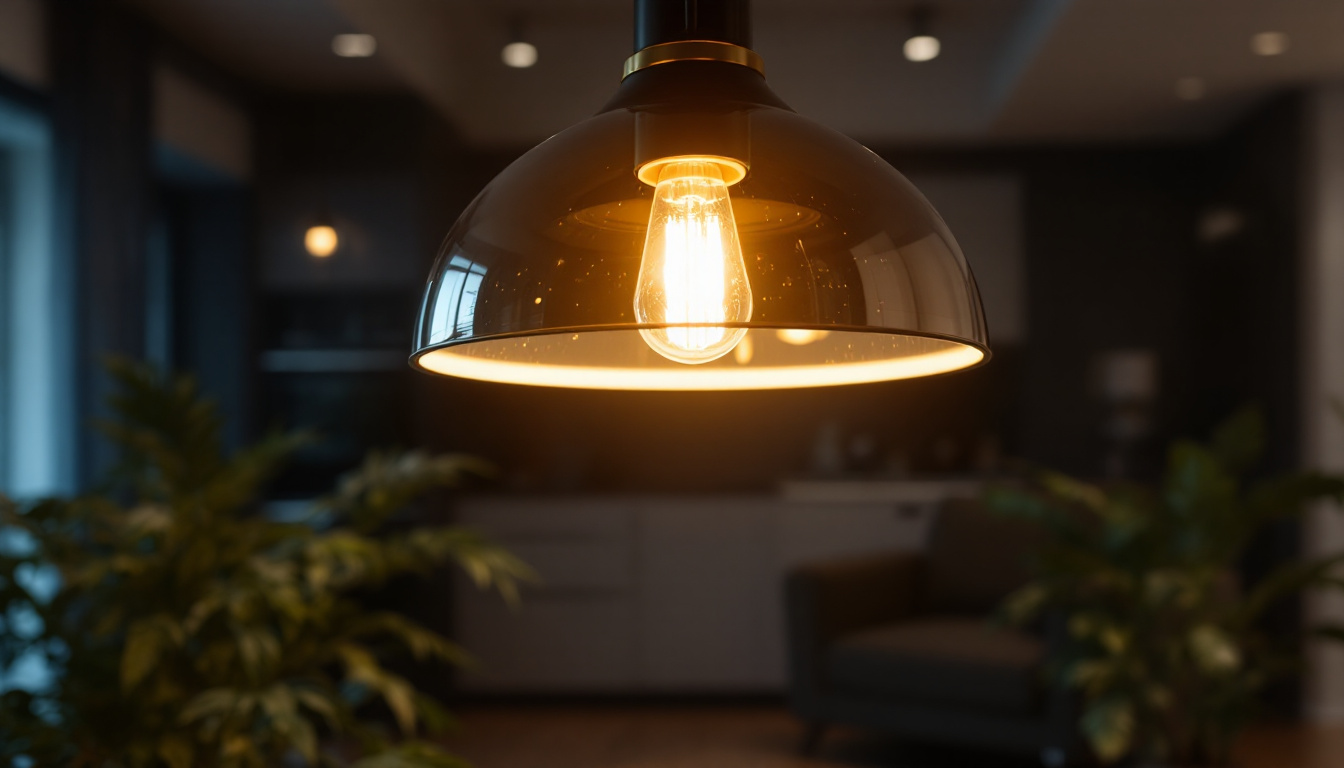
Decorative LED bulbs are designed for aesthetic appeal and are often used in fixtures where the bulb is visible. These include vintage-style Edison bulbs, globe bulbs, and candle-shaped bulbs. While they provide the same energy efficiency as standard LEDs, their unique designs cater to specific decorative needs. In addition to their visual charm, many decorative LED bulbs are available in a variety of color temperatures, allowing users to select the perfect hue to complement their interior design. Some decorative options even feature smart technology, enabling users to change colors or dim the lights through a smartphone app, adding an extra layer of convenience and customization to home lighting. This fusion of style and technology makes decorative LED bulbs a popular choice for both residential and commercial spaces, where ambiance and aesthetics are paramount.
Color Temperature and Brightness
When selecting LED bulbs, color temperature and brightness are crucial factors to consider. These elements can significantly affect the atmosphere of a space and the functionality of the lighting.
Color Temperature
Color temperature is measured in Kelvin (K) and indicates the hue of the light emitted by the bulb. Lower Kelvin values, such as 2700K to 3000K, produce a warm, yellow light similar to incandescent bulbs, creating a cozy atmosphere. Conversely, higher Kelvin values, ranging from 4000K to 6500K, emit cooler, bluish light, ideal for task lighting in workspaces or retail environments.
Brightness
Brightness is measured in lumens, and understanding this measurement is essential for contractors when recommending LED bulbs. A higher lumen count means a brighter light. For example, a standard 60-watt incandescent bulb produces about 800 lumens. When replacing bulbs, it’s important to match or exceed the lumen output to ensure adequate lighting in the intended space.
Compatibility and Dimming Options
As LED technology continues to advance, compatibility with existing fixtures and dimming systems becomes a vital consideration for contractors. Not all LED bulbs are compatible with dimmers, which can lead to flickering or reduced performance.
Compatibility with Fixtures
When selecting LED bulbs, it is essential to ensure they are compatible with the existing fixtures. Some LED bulbs are designed for specific applications, such as enclosed fixtures or outdoor use, while others may not perform optimally in certain environments. Contractors should always check the manufacturer’s specifications to avoid potential issues.
Dimming Capabilities
Many clients desire the ability to adjust lighting levels to create the desired ambiance. However, not all LED bulbs are dimmable. When recommending LED options, contractors should specify whether the bulbs are compatible with dimming systems and, if so, which types of dimmers work best. This knowledge can help avoid customer dissatisfaction and ensure a seamless installation process.
Environmental Considerations
As sustainability becomes increasingly important, lighting contractors must consider the environmental impact of their choices. LED bulbs offer several eco-friendly advantages, but there are additional factors to keep in mind.
Recyclability
LED bulbs are generally more environmentally friendly than traditional lighting options, as they do not contain harmful substances like mercury. However, proper disposal and recycling are still essential. Contractors should educate clients on how to dispose of old bulbs responsibly and encourage recycling initiatives in their communities.
Energy Star Certification
Choosing Energy Star certified LED bulbs can further enhance the environmental benefits. These products meet strict energy efficiency guidelines set by the U.S. Environmental Protection Agency, ensuring that clients receive high-quality, energy-saving lighting solutions. Contractors should prioritize recommending Energy Star products to clients looking for sustainable options.
Installation Tips for Lighting Contractors
Proper installation is crucial for ensuring the longevity and performance of LED bulbs. Here are some essential tips for lighting contractors to consider during installation.
Follow Manufacturer Guidelines
Each LED bulb comes with specific installation instructions from the manufacturer. Contractors should always follow these guidelines to avoid voiding warranties and ensure optimal performance. This includes adhering to recommended wattage limits and installation techniques.
Check for Overheating
LED bulbs generate less heat than incandescent bulbs; however, they can still overheat if installed in enclosed fixtures or if the surrounding environment does not allow for proper ventilation. Contractors should assess the installation site and ensure adequate airflow to prevent overheating, which can lead to reduced lifespan and performance.
Future Trends in LED Technology
The LED lighting industry is continuously evolving, with new technologies and trends emerging regularly. Staying informed about these developments is crucial for lighting contractors to remain competitive in the market.
Smart LED Lighting
Smart LED lighting is gaining popularity as more homeowners and businesses seek integrated solutions. These systems allow users to control their lighting remotely through smartphones or smart home devices, offering convenience and energy savings. Contractors should familiarize themselves with smart LED options and installation processes to meet client demands.
Human-Centric Lighting
Human-centric lighting focuses on creating environments that enhance well-being and productivity. This approach considers factors such as circadian rhythms and the psychological effects of different light colors. As awareness of these concepts grows, contractors may find opportunities to incorporate human-centric lighting solutions into their projects.
Conclusion
In conclusion, understanding the various types of LED bulbs, their applications, and the latest trends is essential for lighting contractors aiming to provide exceptional service to their clients. By staying informed about energy efficiency, compatibility, and environmental considerations, contractors can offer tailored solutions that meet the diverse needs of their customers. As the lighting industry continues to evolve, embracing new technologies and approaches will ensure contractors remain at the forefront of the market.
With this knowledge, lighting contractors can confidently navigate the complexities of LED technology, ensuring that they deliver high-quality, sustainable lighting solutions that enhance both functionality and aesthetics in any space.
Illuminate Your Projects with LumenWholesale
Ready to elevate your lighting projects with the best LED solutions on the market? At LumenWholesale, we provide lighting contractors with an unparalleled selection of top-quality, spec-grade LED bulbs at unbeatable wholesale prices. Say goodbye to local distributor markups and hello to superior lighting products that meet the highest industry standards. Plus, with free shipping on bulk orders, you can stock up on premium lighting without worrying about hidden fees or compromises. Enhance the functionality and aesthetics of your spaces while enjoying the perfect blend of quality, affordability, and convenience. Wholesale Lighting at the Best Value is just a click away. Discover the LumenWholesale difference today!