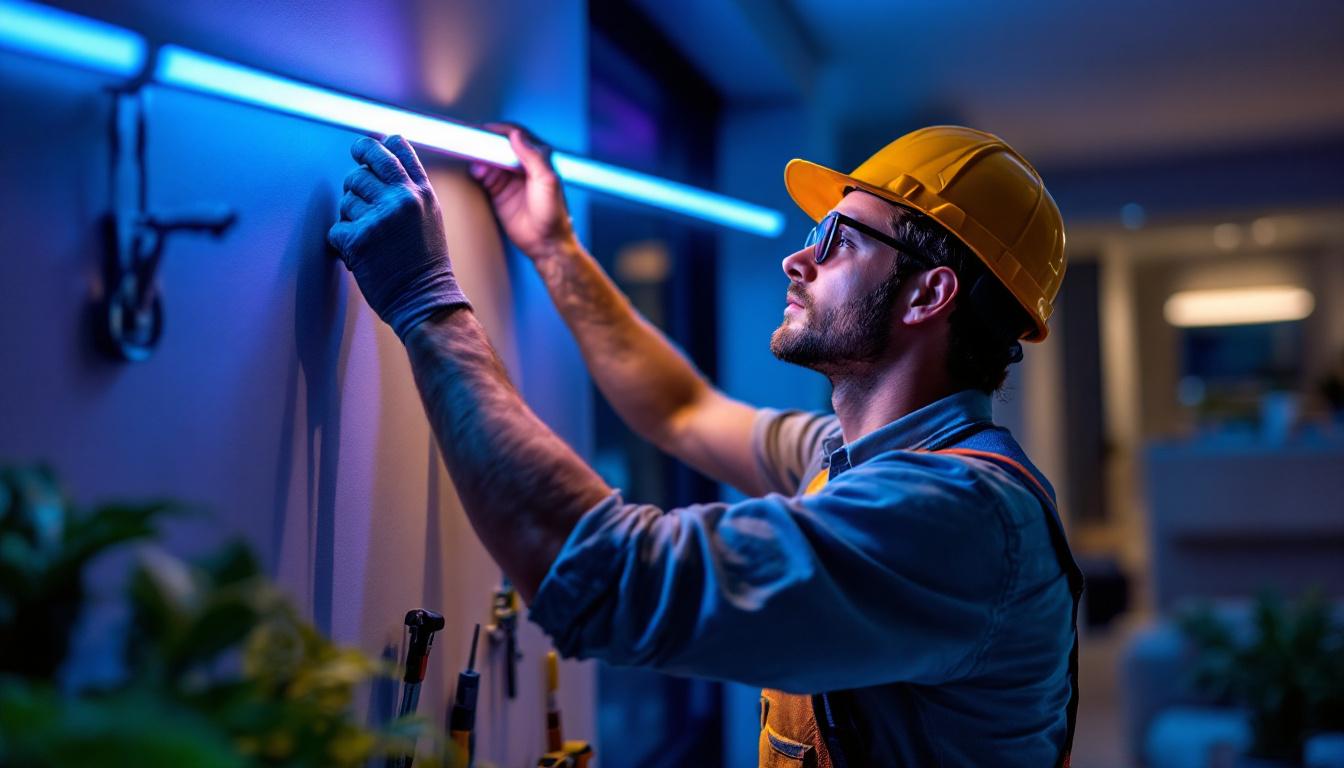
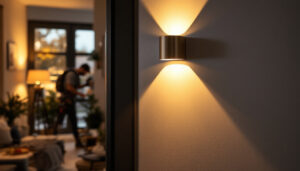
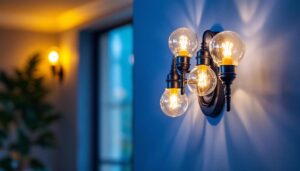
As the demand for energy-efficient and versatile lighting solutions continues to grow, LED strip lights have emerged as a popular choice among contractors and clients alike. These flexible, low-profile fixtures offer a range of applications, from accent lighting to task illumination. For lighting contractors, understanding the nuances of LED strip lights is essential for delivering high-quality installations that meet client expectations. This article will explore the key aspects of LED strip light fixtures, including their benefits, installation considerations, and design possibilities.
Understanding LED Strip Lights
LED strip lights, also known as LED tape lights, are composed of multiple LED bulbs mounted on a flexible circuit board. This design allows them to be easily cut to length and installed in various locations, making them an ideal solution for both residential and commercial projects. Their versatility and energy efficiency make them a favored choice among lighting contractors. Additionally, many LED strip lights are equipped with adhesive backing, which simplifies installation and allows for quick setup without the need for additional mounting hardware.
Key Features of LED Strip Lights
One of the most significant advantages of LED strip lights is their energy efficiency. Unlike traditional incandescent bulbs, LED lights consume significantly less power while providing the same level of brightness. This not only helps reduce energy costs but also contributes to a more sustainable environment. Furthermore, LED technology has a longer lifespan, often lasting up to 50,000 hours, which means fewer replacements and less waste over time, making them a smart investment for both homeowners and businesses.
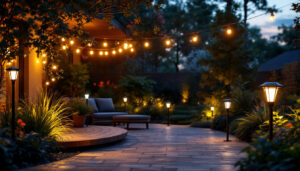
Another notable feature is their flexibility. LED strips can be bent and shaped to fit various spaces, enabling creative lighting designs that traditional fixtures may not accommodate. This flexibility allows for innovative installations in areas such as coves, under cabinets, and along staircases. Moreover, many LED strip lights are available in waterproof versions, making them suitable for outdoor use, such as illuminating patios or garden pathways, enhancing both safety and aesthetics in outdoor settings.
Color Temperature and Brightness
LED strip lights come in a variety of color temperatures, ranging from warm white to cool white and even RGB options that allow for color-changing capabilities. Understanding the desired ambiance for a space is crucial in selecting the appropriate color temperature. For instance, warm white (around 2700K) creates a cozy atmosphere, making it suitable for residential settings, while cooler temperatures (5000K and above) are often preferred in commercial environments for a more modern and vibrant feel. Additionally, some advanced LED strips offer tunable white options, allowing users to adjust the color temperature according to the time of day or specific activities, enhancing the functionality of the lighting.
Brightness is measured in lumens, and it’s essential to consider the required lumens for the specific application. Different areas will have varying brightness needs; for example, task lighting in a kitchen may require higher lumens than accent lighting in a living room. It’s also worth noting that many LED strip lights come with dimming capabilities, enabling users to adjust the brightness to suit their preferences or the mood of the moment. This feature not only enhances the versatility of the lighting but also contributes to energy savings, as lower brightness settings consume less power.
Installation Considerations
Proper installation is critical to ensuring the longevity and performance of LED strip lights. Contractors must be aware of various factors that influence the installation process, including power supply requirements, surface compatibility, and heat management.
Power Supply Requirements
LED strip lights require a compatible power supply to function correctly. It is essential to calculate the total wattage needed based on the length of the strip and the wattage per foot. Overloading a power supply can lead to dim lighting or even damage to the LEDs. Contractors should always recommend a power supply with a higher wattage rating than required to account for any potential fluctuations. Furthermore, it is advisable to choose a power supply that features overcurrent protection, which can safeguard the LEDs from unexpected surges in power, thus prolonging their lifespan and maintaining consistent brightness.
Surface Compatibility and Adhesion
When installing LED strip lights, the surface on which they are mounted plays a significant role in ensuring proper adhesion and longevity. Most LED strips come with an adhesive backing, but the surface must be clean, dry, and free of dust for optimal adhesion. For uneven or textured surfaces, additional mounting methods, such as clips or brackets, may be necessary to secure the strips effectively. Furthermore, the choice of mounting surface can also affect the aesthetic outcome; for instance, smooth surfaces like glass or metal can create a sleek, modern look, while wood or painted surfaces might lend a more rustic or traditional feel.
Additionally, contractors should consider the environment in which the LED strips will be installed. For instance, outdoor applications may require weather-resistant strips and appropriate sealing materials to protect against moisture and temperature fluctuations. It’s also important to think about the potential for UV exposure, which can degrade certain materials over time. In indoor settings, factors such as ambient temperature and humidity levels can impact the performance of the LED strips, making it crucial to select the right type of strip for the specific conditions. Proper planning and consideration of these elements can greatly enhance the effectiveness and durability of the installation.
Design Possibilities with LED Strip Lights
The design possibilities with LED strip lights are virtually limitless. Their versatility allows contractors to create unique and visually appealing lighting solutions tailored to their clients’ needs. Here are some popular design applications:
Accent Lighting
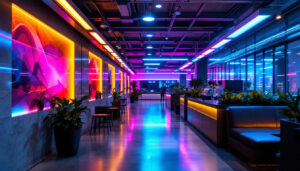
Accent lighting is one of the most common uses for LED strip lights. They can be installed in various locations to highlight architectural features, artwork, or decorative elements. By placing LED strips in coves, behind furniture, or along shelves, contractors can create a stunning visual effect that enhances the overall aesthetics of a space. Furthermore, the ability to choose from a wide spectrum of colors allows for creative expression that can change the ambiance of a room with just a flick of a switch. For instance, warm tones can create a cozy atmosphere, while cooler hues can evoke a more contemporary feel.
Task Lighting
In areas where focused lighting is essential, such as kitchens and workspaces, LED strip lights can provide effective task lighting. Installing them under cabinets or along countertops ensures that work areas are well-lit without the need for bulky fixtures. This not only improves functionality but also maintains a clean and modern look. Additionally, LED strip lights are energy-efficient, which means that they can provide bright illumination while consuming less power than traditional lighting options. This characteristic makes them an ideal choice for eco-conscious homeowners who want to reduce their energy bills while enhancing their living spaces.
Dynamic Lighting Solutions
With the advent of smart home technology, LED strip lights can be integrated into dynamic lighting systems that allow users to control brightness and color through mobile apps or voice commands. This capability enables contractors to offer clients customizable lighting experiences that can adapt to various moods and occasions. For example, a homeowner might choose a soft, warm light for a relaxing evening or vibrant colors for a lively gathering. Moreover, many LED strip lights now come with built-in features such as timers and scheduling options, allowing users to automate their lighting to align with their daily routines. This level of customization not only enhances convenience but also adds a layer of sophistication to modern living environments.
Maintenance and Troubleshooting
While LED strip lights are known for their durability and long lifespan, occasional maintenance and troubleshooting may be necessary. Understanding common issues and their solutions can help contractors provide better service to their clients.
Common Issues
One of the most frequent problems encountered with LED strip lights is flickering. This can occur due to an inadequate power supply, loose connections, or compatibility issues with dimmers. Ensuring that the power supply is correctly matched to the strip’s requirements is crucial in preventing flickering.
Another issue is color inconsistency, which can arise when multiple strips are used in a single installation. Variations in color temperature between different batches of LED strips can lead to an uneven appearance. Contractors should always source LED strips from the same manufacturer and batch to maintain color consistency throughout the installation.
Routine Maintenance
Routine maintenance of LED strip lights is relatively straightforward. Regularly checking connections and cleaning the strips can help maintain optimal performance. Dust and debris can accumulate on the surface, reducing brightness and efficiency. A gentle wipe with a damp cloth can help keep the strips clean and functioning effectively.
Choosing the Right Products
With the increasing popularity of LED strip lights, a wide variety of products are available on the market. Selecting the right products for a specific project is essential for achieving the desired results. Here are some factors to consider when choosing LED strip lights:
Quality and Certification
Quality should always be a top priority when selecting LED strip lights. Look for products that are certified by recognized organizations, such as UL or CE, which indicate compliance with safety and performance standards. High-quality products are more likely to offer better performance, longer lifespans, and reduced risk of failure.
Customization Options
Many manufacturers offer customization options for LED strip lights, including different lengths, colors, and brightness levels. Contractors should consider the specific needs of their projects and clients when selecting products. Customizable options can enhance the overall design and functionality of the lighting installation.
Conclusion
LED strip lights are a versatile and energy-efficient lighting solution that can elevate any space. For lighting contractors, understanding the features, installation considerations, design possibilities, and maintenance requirements of these fixtures is crucial for delivering exceptional results. By staying informed about the latest trends and technologies in LED lighting, contractors can provide clients with innovative solutions that meet their unique needs.
As the industry continues to evolve, embracing the potential of LED strip lights will not only enhance project outcomes but also contribute to a more sustainable future in lighting design. Whether used for accent lighting, task illumination, or dynamic lighting solutions, LED strip lights offer endless possibilities for creativity and functionality.
Illuminate Your Projects with LumenWholesale
Ready to transform your lighting installations with the efficiency and creativity of LED strip lights? At LumenWholesale, we’re committed to providing you with the highest quality, spec-grade lighting products at prices that make sense for your business. Say goodbye to local distributor markups and hello to a vast selection of reliable lighting solutions that meet rigorous industry standards. With free shipping on bulk orders, LumenWholesale is your go-to source for premium lighting without the premium price tag. Elevate your lighting projects today by visiting Wholesale Lighting at the Best Value and discover the difference quality and value can make.