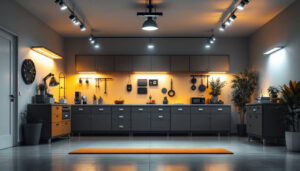
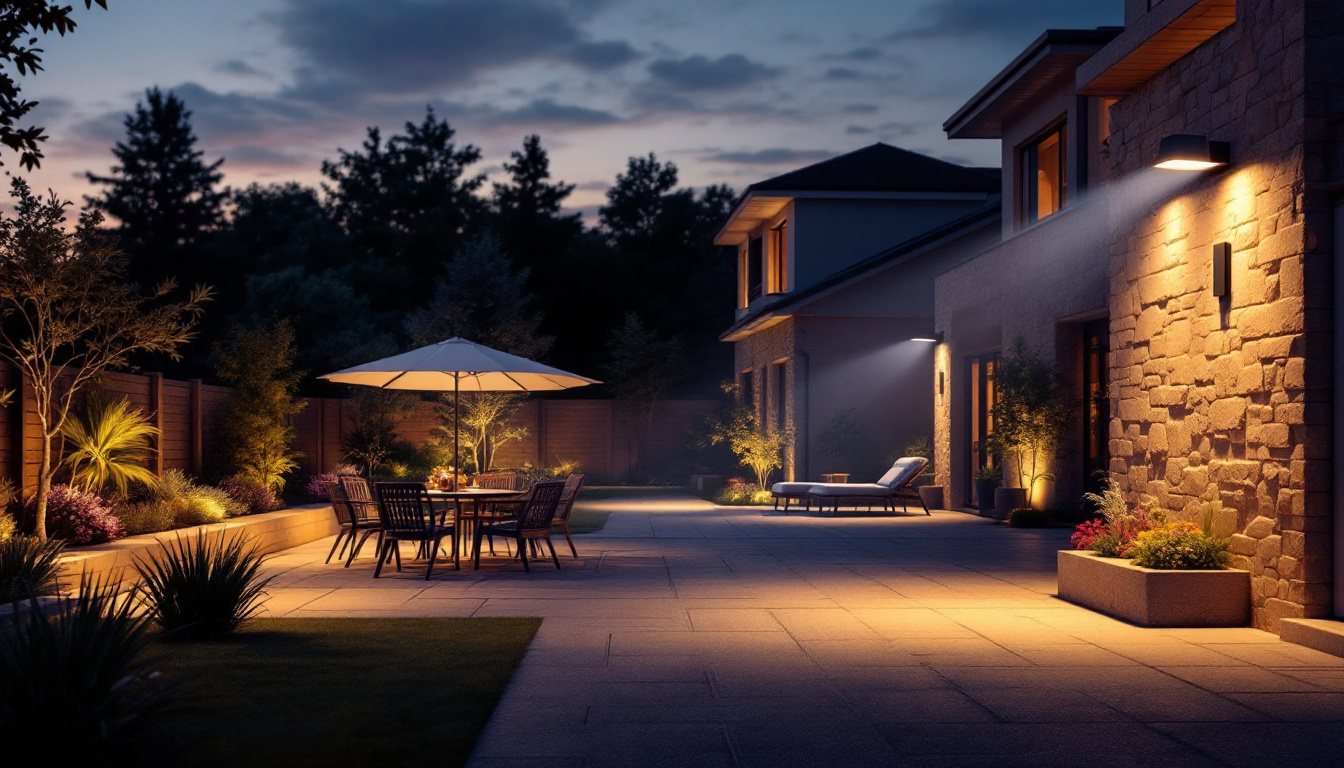
In the world of automotive repair and maintenance, lighting plays a crucial role in ensuring safety, efficiency, and precision. Poor lighting can lead to mistakes, accidents, and decreased productivity, which is why automotive shop lights are a vital consideration for any lighting contractor. This article explores the various aspects of automotive shop lighting, including types of lights, design considerations, and the latest advancements in technology that can significantly enhance lighting designs.
Understanding the Importance of Proper Lighting in Automotive Shops
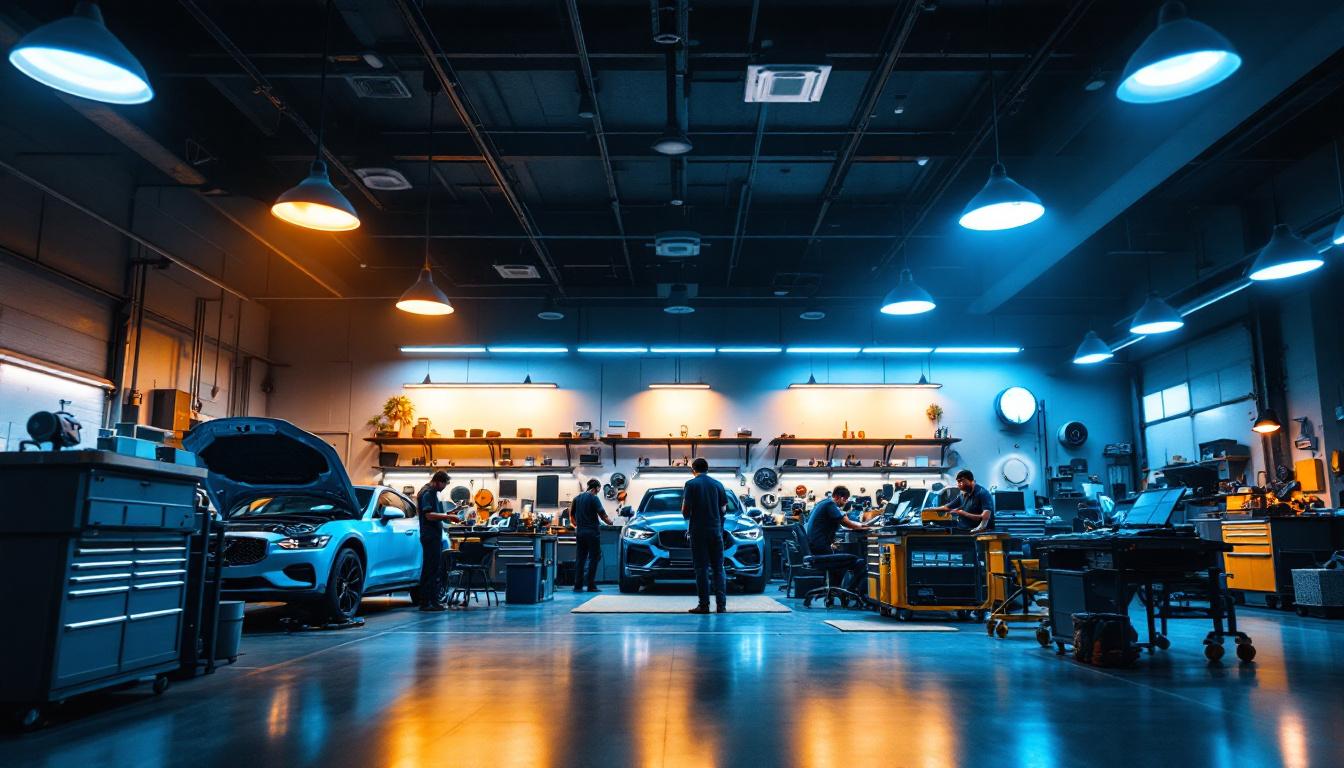
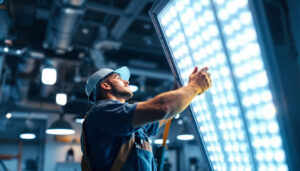
Proper lighting in automotive shops is not just about visibility; it’s about creating an environment that fosters productivity and safety. Mechanics and technicians rely on adequate lighting to identify issues, perform repairs, and ensure that every detail is attended to. Insufficient lighting can lead to strain on the eyes, increased fatigue, and ultimately, errors that can compromise the quality of work. Furthermore, the type of lighting used can influence the color perception of fluids and components, which is crucial for diagnosing issues accurately. For instance, LED lights can enhance the visibility of oil leaks or electrical faults that might be missed under traditional fluorescent lighting.
Safety Considerations
Safety is paramount in any automotive shop. Poorly lit areas can become hazardous, increasing the risk of accidents. For instance, dark corners may hide tools or equipment that could cause trips or falls. By implementing effective lighting solutions, contractors can minimize these risks, creating a safer workspace for employees and customers alike. Additionally, proper lighting can help in emergency situations, allowing for quick visibility of exits and safety equipment. The strategic placement of lights can illuminate walkways and workstations, ensuring that all areas are well-lit and reducing the likelihood of accidents that could lead to serious injuries.
Enhancing Productivity
Good lighting not only enhances safety but also boosts productivity. When technicians can see clearly, they can work more efficiently, reducing the time spent on each task. This efficiency translates into higher throughput for the shop, allowing for more vehicles to be serviced in a shorter amount of time. Proper lighting can also reduce the likelihood of rework due to overlooked details, further enhancing productivity. Moreover, the psychological impact of a well-lit environment cannot be underestimated; studies have shown that bright, well-distributed lighting can improve mood and motivation among workers. This can lead to a more engaged workforce, where technicians feel empowered to take pride in their work and strive for excellence in every repair or service performed.
Types of Automotive Shop Lights
When it comes to automotive shop lighting, there are several types of lights to consider, each with its own set of advantages and disadvantages. Understanding these options is essential for lighting contractors looking to design effective lighting systems.
LED Lights
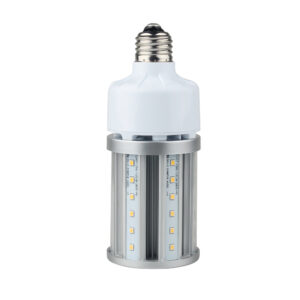
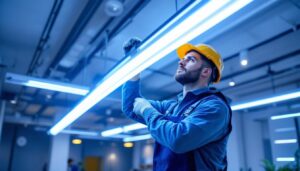
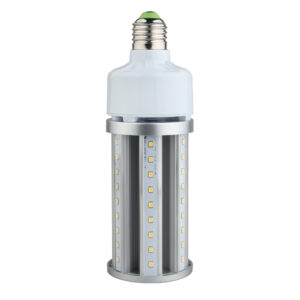
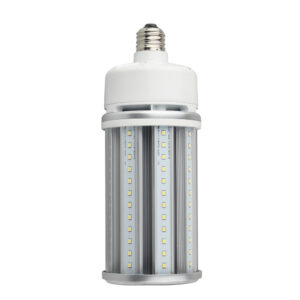
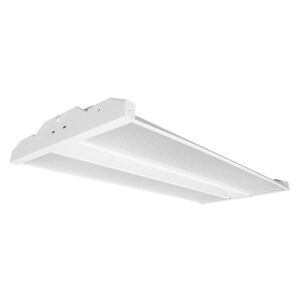
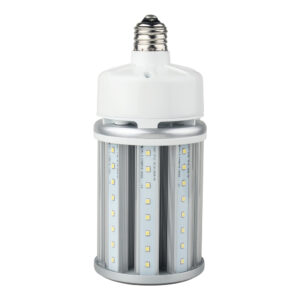
LED lights have become increasingly popular in automotive shops due to their energy efficiency and longevity. They produce bright, white light that closely resembles natural daylight, making it easier for technicians to see fine details. Additionally, LED lights have a longer lifespan compared to traditional bulbs, which means less frequent replacements and lower maintenance costs. Many LED fixtures also come with adjustable brightness settings, allowing for customization based on the specific needs of different tasks, such as detailed inspections or general workspace illumination. Furthermore, the low heat output of LEDs helps maintain a comfortable working environment, reducing the risk of heat-related issues during long hours of operation.
Fluorescent Lights
Fluorescent lights have been a staple in automotive shops for years. They provide a good amount of light and are relatively energy-efficient. However, they can sometimes flicker and may not offer the same quality of light as LEDs. Despite this, they remain a viable option for many shops, especially when budget constraints are a concern. Fluorescent lights are available in various color temperatures, allowing shop owners to choose the hue that best suits their work environment. Additionally, advancements in technology have led to the development of high-output fluorescent tubes that can deliver even brighter illumination, making them suitable for larger spaces or areas requiring more intense lighting. However, it’s important to consider the disposal regulations for fluorescent bulbs, as they contain small amounts of mercury, necessitating careful handling and recycling.
Halogen Lights
Halogen lights are another option, known for their bright, focused light. They are often used in task lighting applications where precision is essential. However, halogen lights can generate a lot of heat, which may not be ideal in a shop environment. Their shorter lifespan compared to LEDs also makes them a less favorable choice for long-term installations. Despite these drawbacks, halogen lights are often favored for their ability to render colors accurately, which is particularly beneficial when matching paint or diagnosing issues. Additionally, halogen lamps can be easily dimmed, providing flexibility in lighting levels depending on the task at hand. Many automotive shops utilize halogen work lights for mobile applications, as they are portable and can be positioned exactly where needed, ensuring that technicians have the best possible visibility while working on vehicles.
Design Considerations for Automotive Shop Lighting
Designing an effective lighting system for an automotive shop involves careful consideration of several factors. Lighting contractors must take into account the layout of the space, the types of work being performed, and the specific needs of the technicians.
Layout and Spatial Considerations
The layout of an automotive shop significantly influences lighting design. Areas where detailed work is performed, such as engine bays or diagnostic stations, require brighter, focused lighting. In contrast, general areas may benefit from softer, ambient lighting. By strategically placing lights to illuminate specific work zones, contractors can create a more functional and efficient workspace.
Color Temperature and Light Quality
Color temperature is another critical aspect of lighting design. The color temperature of lights is measured in Kelvin (K) and can affect how colors are perceived in the workspace. For automotive shops, lights with a higher color temperature (around 4000K to 5000K) are often preferred, as they provide a bright, white light that enhances visibility and reduces eye strain.
Control Systems and Flexibility
Modern lighting systems often incorporate advanced control systems that allow for flexibility in lighting design. Dimming options, motion sensors, and smart controls can enhance the user experience by allowing technicians to adjust lighting based on their specific needs. This adaptability can lead to energy savings and improved working conditions.
Energy Efficiency and Sustainability in Automotive Lighting
As the focus on sustainability increases, lighting contractors must consider energy-efficient solutions for automotive shops. Energy-efficient lighting not only reduces operational costs but also contributes to a shop’s overall environmental impact.
Benefits of Energy-Efficient Lighting
Implementing energy-efficient lighting solutions, such as LED fixtures, can lead to significant cost savings over time. These lights consume less energy, which translates into lower electricity bills. Additionally, many energy-efficient solutions are eligible for rebates and incentives, further enhancing their financial appeal.
Reducing Carbon Footprint
By choosing sustainable lighting options, automotive shops can play a role in reducing their carbon footprint. Energy-efficient lighting reduces the demand for electricity, which in turn lowers greenhouse gas emissions associated with energy production. This commitment to sustainability can also enhance a shop’s reputation, attracting environmentally-conscious customers.
The Future of Automotive Shop Lighting
As technology continues to advance, the future of automotive shop lighting looks promising. Innovations in lighting design and technology are paving the way for smarter, more efficient solutions that can enhance the overall functionality of automotive shops.
Smart Lighting Systems
Smart lighting systems are becoming increasingly popular in various industries, including automotive. These systems can be programmed to adjust based on the time of day, occupancy, or specific tasks being performed. For example, lights can automatically brighten in areas where work is being done and dim in less active zones, optimizing energy use and enhancing working conditions.
Integration with Other Technologies
The integration of lighting with other technologies, such as IoT devices and mobile applications, is also on the rise. This connectivity allows for real-time monitoring and control of lighting systems, enabling contractors to make data-driven decisions regarding energy usage and maintenance needs. Such advancements can lead to more efficient operations and improved service delivery.
Choosing the Right Lighting Contractor
For automotive shop owners, selecting the right lighting contractor is crucial to achieving optimal lighting designs. A knowledgeable contractor can provide valuable insights and recommendations tailored to the specific needs of the shop.
Experience and Expertise
When choosing a lighting contractor, it is essential to consider their experience in the automotive sector. Contractors with a proven track record in designing lighting systems for automotive shops will have a better understanding of the unique challenges and requirements of the environment. This expertise can lead to more effective and efficient lighting solutions.
Client Testimonials and Case Studies
Reviewing client testimonials and case studies can provide insight into a contractor’s capabilities and the quality of their work. Positive feedback from previous clients can be a strong indicator of a contractor’s reliability and professionalism. Additionally, case studies can showcase successful projects that align with the specific needs of an automotive shop.
Conclusion
In conclusion, automotive shop lights are a critical component of effective lighting design that can significantly impact safety, productivity, and overall efficiency. By understanding the various types of lights available, considering design elements, and embracing energy-efficient solutions, lighting contractors can create optimal environments for automotive repair and maintenance. As technology continues to evolve, the future of automotive shop lighting holds exciting possibilities that can further enhance the functionality and sustainability of these essential workspaces.
Illuminate Your Projects with LumenWholesale
Ready to elevate your automotive shop lighting designs to the next level? At LumenWholesale, we provide lighting contractors with the superior, spec-grade lighting products you need to ensure safety, enhance productivity, and maximize efficiency. With our competitive wholesale prices and commitment to quality, you’ll find the perfect lighting solutions to meet the highest industry standards. Say goodbye to inflated markups and hello to premium lighting with the convenience of free shipping. Make your next project shine and experience the best value in wholesale lighting by visiting LumenWholesale today.