Understanding the Importance of Arena Lighting in Equestrian Facilities
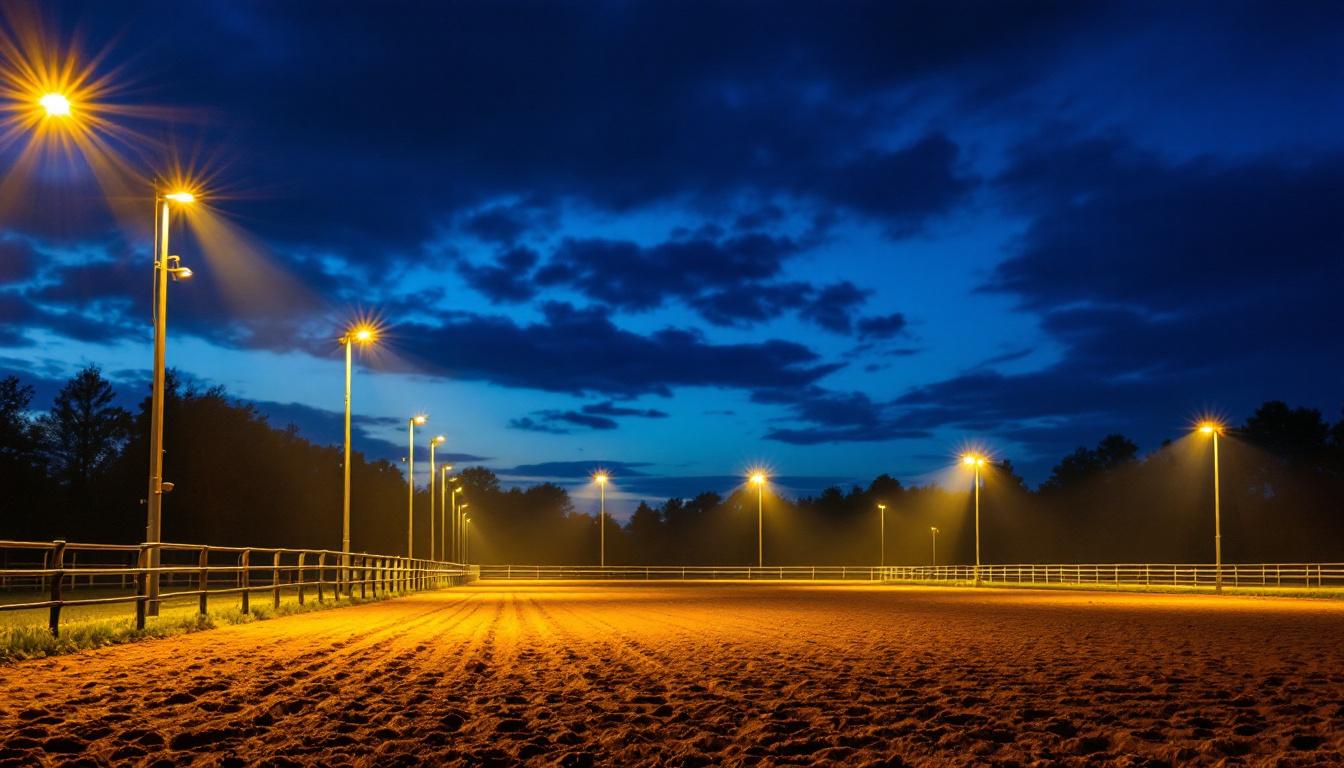
Equestrian arenas serve as vital spaces for training, competition, and leisure riding. Proper lighting in these arenas is not merely a convenience but a critical component that directly impacts the safety of both riders and horses. For lighting contractors tasked with designing and installing arena lighting systems, understanding the unique challenges and requirements of equestrian environments is essential.
Unlike typical sports arenas, equestrian facilities demand lighting solutions that accommodate the dynamic movements of horses and riders, minimize shadows and glare, and provide consistent illumination across varied surfaces. The stakes are high—poorly designed lighting can lead to accidents, injuries, and diminished performance.
Why Safety is Paramount in Equestrian Arena Lighting
Horses are prey animals with keen eyesight adapted to natural light conditions. Sudden changes in lighting, shadows, or glare can startle them, causing unpredictable behavior that may result in falls or collisions. Riders rely on clear visibility to maintain control and execute precise movements, especially during fast-paced disciplines like show jumping or dressage.
Lighting contractors must prioritize safety by selecting fixtures and layouts that reduce visual stress for both horses and riders. This includes avoiding flicker, ensuring uniform light distribution, and minimizing dark spots where obstacles or footing irregularities might be hidden. Furthermore, the color temperature of the lighting can play a significant role in how well both horse and rider perceive their environment. Warm white lights can create a more natural ambiance, which may help in keeping horses calm and focused, while cooler lights can enhance visibility for detailed tasks.
In addition to safety, the aesthetic aspect of arena lighting should not be overlooked. Well-designed lighting can enhance the overall atmosphere of the facility, making it more inviting for both competitors and spectators. This can be particularly important during events, where the right lighting can highlight the elegance of the sport and the beauty of the horses. Moreover, energy efficiency is a growing concern in modern equestrian facilities. Utilizing LED technology not only reduces energy consumption but also allows for longer-lasting fixtures that require less maintenance, thus ensuring that the arenas remain well-lit without incurring excessive operational costs.
Key Safety Considerations for Arena Lighting Installations
Uniform Illumination and Glare Control
One of the foremost safety considerations in arena lighting is achieving uniform illumination. Uneven lighting can create shadows or bright spots that confuse horses and riders, increasing the risk of accidents. Lighting designers should aim for a consistent lux level across the entire arena surface, typically ranging between 100 to 300 lux depending on the discipline and usage. This consistency not only aids in safety but also enhances the overall experience for both participants and spectators, allowing for a more engaging atmosphere.
Glare is another critical factor. Excessive glare can impair a rider’s vision and cause discomfort, while horses may react negatively to intense light sources. Using fixtures with proper shielding, diffusers, and appropriate mounting angles reduces glare and enhances visual comfort. Additionally, incorporating smart lighting controls can help adjust brightness levels in real-time based on the time of day or specific events, ensuring optimal visibility without compromising safety.
Fixture Placement and Mounting Height
Strategic placement of lighting fixtures is vital to avoid shadows and dark zones. Fixtures should be mounted at heights that provide wide beam spreads without creating blinding light at eye level. For outdoor arenas, poles ranging from 20 to 30 feet are common, while indoor arenas may require customized mounting solutions to accommodate ceiling heights and structural elements. The layout should also consider the different activities taking place, as disciplines such as dressage may require different lighting configurations compared to jumping or barrel racing.
Lighting contractors must also consider the positioning relative to the sun’s path and natural light sources to complement ambient lighting and reduce contrast. This can involve using advanced simulation software to model how light interacts with the arena at various times of the day, ensuring that the lighting design is both functional and aesthetically pleasing. Furthermore, proper maintenance of fixtures is essential to maintain their effectiveness over time, as dirt and dust accumulation can significantly diminish light output and uniformity.
Color Temperature and Light Quality
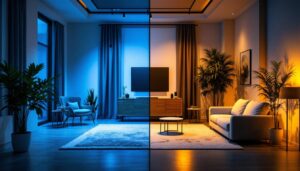
The color temperature of arena lighting affects how colors and contrasts are perceived. A neutral to cool white light, typically between 4000K and 5000K, is preferred as it closely mimics daylight and enhances depth perception. This helps riders better judge distances and footing conditions, which is crucial for both performance and safety. Moreover, the right color temperature can influence the behavior of horses, as they may be more at ease in lighting that resembles natural daylight, reducing stress and improving focus.
High color rendering index (CRI) fixtures are recommended to ensure true color representation, which is particularly important during competitions where judges and spectators need clear visibility of horse and rider movements. Additionally, integrating tunable white lighting systems can allow for adjustments in color temperature throughout the day, accommodating different events and enhancing the overall ambiance of the arena. This flexibility not only supports optimal performance but also contributes to a more enjoyable experience for everyone involved, from competitors to audience members.
Technological Advances Enhancing Safety in Equestrian Arena Lighting
LED Lighting: Efficiency and Safety Benefits
LED technology has revolutionized arena lighting by offering superior energy efficiency, longer lifespan, and improved control capabilities compared to traditional metal halide or halogen lamps. LEDs provide instant-on illumination without flicker, which is crucial for maintaining a stable visual environment.
The directional nature of LED fixtures allows for precise beam control, minimizing light spill and reducing glare. This targeted illumination ensures that the arena surface is evenly lit while surrounding areas remain dark, enhancing safety by focusing attention where it is needed most.
Smart Lighting Controls and Automation
Integrating smart controls into arena lighting systems further enhances safety and operational efficiency. Lighting contractors can incorporate dimmers, motion sensors, and programmable timers to adjust light levels based on activity, time of day, or specific events.
Automated systems can also respond to environmental conditions such as fog or rain, increasing illumination as needed to maintain visibility. Remote monitoring and control capabilities allow facility managers to quickly address lighting issues, reducing downtime and safety risks.
Emergency Lighting and Backup Systems
Safety protocols often require emergency lighting solutions to ensure safe evacuation and continued visibility during power outages. Installing backup power sources, such as battery packs or generators, guarantees that arena lighting remains operational in critical situations.
Emergency lighting should be integrated seamlessly with the main system to provide uniform illumination without sudden changes that could startle horses or confuse riders.
Best Practices for Lighting Contractors in Equestrian Arena Projects
Comprehensive Site Assessment and Custom Design
Every equestrian facility has unique characteristics, including arena size, surface type, surrounding environment, and usage patterns. Lighting contractors should conduct thorough site assessments to understand these variables before designing the lighting system.
Custom lighting designs tailored to the specific needs of the facility will optimize safety and performance. This includes selecting appropriate fixture types, layout configurations, and control systems that align with the client’s requirements and budget.
Collaboration with Equestrian Experts and Facility Managers
Successful arena lighting projects benefit from collaboration between lighting professionals, equestrian trainers, and facility managers. These stakeholders provide valuable insights into the functional needs and safety concerns unique to the equestrian environment.
Engaging with end users during the design phase ensures that the lighting system supports the activities conducted in the arena and addresses potential hazards effectively.
Adherence to Industry Standards and Regulations
Lighting contractors must stay informed about relevant industry standards and safety regulations governing sports and equestrian facilities. Compliance with guidelines from organizations such as the Illuminating Engineering Society (IES) and local building codes ensures that installations meet minimum safety and performance criteria.
Regular maintenance and inspection protocols should be established to sustain lighting quality and safety over time.
Case Studies: Successful Arena Lighting Installations Enhancing Safety
Indoor Dressage Arena with LED Retrofit
An indoor dressage facility upgraded from outdated metal halide fixtures to a modern LED system. The retrofit included high-CRI LED panels with adjustable mounting to eliminate shadows and glare. Riders reported improved visibility and reduced eye strain, while horses exhibited calmer behavior during evening sessions.
The energy savings and reduced maintenance requirements also contributed to the facility’s operational efficiency, demonstrating the multifaceted benefits of advanced lighting technology.
Outdoor Jumping Arena with Smart Lighting Controls
A large outdoor jumping arena incorporated smart lighting controls that adjusted illumination based on activity schedules and ambient light conditions. Motion sensors activated focused lighting during training sessions, while timers ensured lights were off during inactivity, conserving energy.
The system’s ability to maintain consistent light levels during variable weather conditions enhanced safety by preventing sudden changes in visibility that could unsettle horses or riders.
Conclusion: Elevating Safety Through Expert Arena Lighting
For lighting contractors, delivering safe and effective arena lighting solutions requires a deep understanding of equestrian needs, careful planning, and the integration of advanced technologies. Uniform illumination, glare control, appropriate color temperature, and smart controls are key elements that collectively enhance safety in equestrian arenas.
By prioritizing these factors and adhering to best practices, contractors can create lighting environments that protect riders and horses, improve performance, and contribute to the overall success of equestrian facilities.
Illuminate Your Equestrian Arena with LumenWholesale
Ready to elevate the safety and performance of your equestrian arena with expert lighting solutions? At LumenWholesale, we specialize in providing contractors with the highest quality, spec-grade lighting products at unbeatable wholesale prices. Our extensive selection is designed to meet the rigorous demands of equestrian facilities, ensuring uniform illumination, glare control, and the perfect color temperature for every project. With free shipping on bulk orders, you can trust LumenWholesale to deliver premium lighting at the best value — all without hidden fees or compromises. Enhance your equestrian arena now by visiting Wholesale Lighting at the Best Value and experience the LumenWholesale difference.